
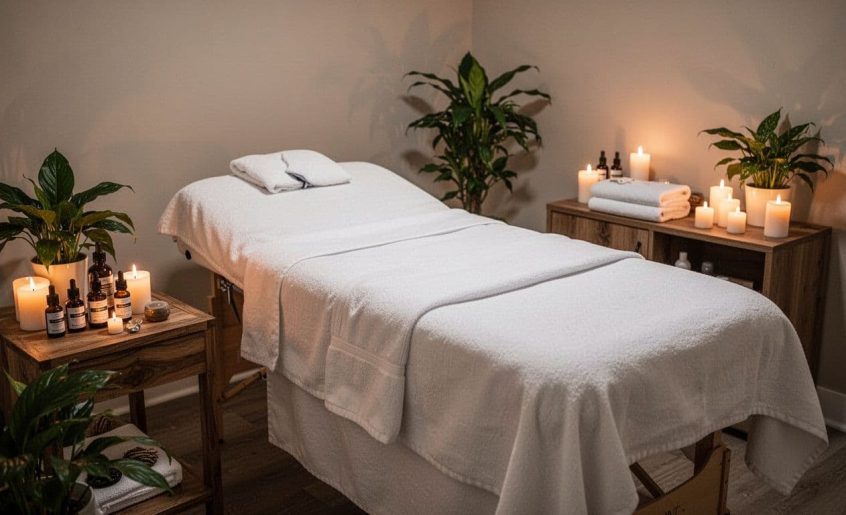
Massage Guide: Benefits, Styles, Safety, and Session Tips
After a crowded day of traffic, deadlines, and constant noise, you finally settle onto a warm massage table. As the therapist works across your shoulders, the tightness begins to loosen, your breathing slows, and your body gets a chance to rest. That simple shift is why so many people turn to massage for relaxation, muscle tension, stress, soreness, and general well-being.
Massage may help reduce tight muscles, ease temporary soreness, and support a calmer state of mind, but it isn’t a cure for every pain or medical condition. Benefits are often modest and short-lived, and deep or aggressive techniques can cause bruising, increased pain, or other problems for some people, especially after an injury or with certain health conditions. At a Nairobi spa such as Maya Spa’s massage services, your comfort, preferences, and treatment goals should guide the experience.
This guide explains how massage works, what common styles feel like, which benefits have the strongest evidence, when to seek medical advice, and how to choose a therapist or spa. You’ll also learn what happens during a session and what affects massage pricing, so you can book with realistic expectations.
Key Takeaways
- Massage may ease muscle tension, stress, and some short-term pain, but it supports care rather than replacing medical treatment.
- Choose a style that matches your goal, such as Swedish massage for relaxation or focused techniques for tight areas.
- Share your health history, medications, injuries, and pregnancy status before treatment. NCCIH’s massage safety guidance explains potential risks.
- A comfortable session depends on clear communication about pressure, temperature, positioning, and personal boundaries.
- Maya Spa offers personalized massage experiences in Nairobi, including relaxing massage treatments.
Massage: What It Is and How It Supports the Body
Massage is the hands-on movement and pressure applied to soft tissues such as muscles, fascia, and skin. A therapist may use flowing strokes, kneading, rhythmic compression, or gentle stretching to help you relax, reduce muscle tension, and feel more comfortable in your body.
Some people choose a relaxation-focused massage to quiet a busy mind and release everyday tightness. Others book treatment for a specific symptom or physical goal, such as sore shoulders after travel or tired legs after a long hike. Massage may support comfort and calm, but it isn’t a cure for every health condition. Share relevant medical information before treatment, and seek medical advice for unexplained, severe, or persistent pain.
What Happens During a Typical Massage Session?
Your experience starts when you book an appointment. Tell the spa what you want from the session, such as general relaxation, attention to a tense area, or relief after physical activity. At Maya Spa, discussing your preferences in advance can help the team prepare a more personal experience. You can also learn about Maya Spa’s massage services before choosing a treatment.
Arrive early enough to complete the intake conversation without rushing. The therapist may ask about injuries, medical conditions, medications, pregnancy, allergies, areas of discomfort, and parts of your body you want to avoid. This is the right time to mention sensitivity to fragrance, concerns about temperature, or any previous massage experience that affected your comfort.
Before treatment begins, the therapist explains how to change and position yourself. You usually undress only as much as you feel comfortable with, then lie under a clean sheet or towel. You remain covered except for the area being treated. A professional therapist doesn’t expose areas that aren’t part of the session, and you should never feel pressured to remove clothing or accept a position that feels wrong.
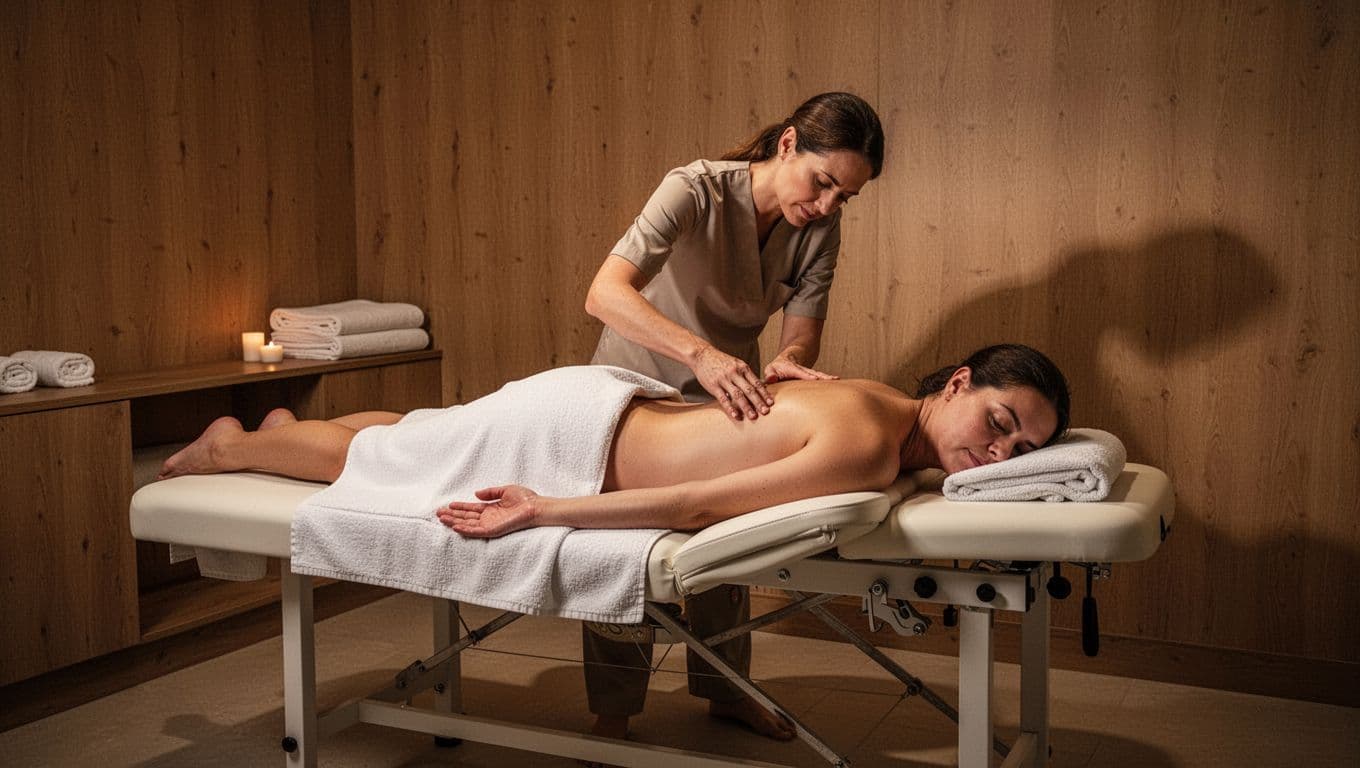
The session may begin with broad, gentle strokes. These movements warm the tissues and give the therapist a sense of how your body responds. Depending on your goals, the therapist may then adjust the rhythm, pressure, warmth, or technique around particular areas.
You can ask for a pressure change at any point. You can also request a different position, more support under your knees, less conversation, a cooler room, or a pause. Consent continues throughout the appointment, so you have the right to stop or change the session at any time. NCCIH’s massage safety guidance also advises caution when certain health conditions or circumstances may increase risk.
Afterward, sit up slowly and give yourself a moment before standing. Drink water normally, follow any simple aftercare advice, and notice how your body feels over the next several hours. Avoid scheduling demanding activity immediately afterward if the treatment leaves you relaxed or tender.
For easier preparation:
- Drink water as you normally would, but don’t force large amounts before your appointment.
- Avoid eating a very heavy meal right before lying on the table.
- Wear comfortable clothing that is easy to change out of and into.
- Arrive early so you can discuss concerns instead of compressing the intake conversation.
How Pressure, Technique, and Communication Shape the Experience
Light pressure feels gentle and soothing, with less force applied to the tissues. Medium pressure feels more noticeable and may suit general muscle tension. Firm pressure uses greater force, but it should still remain controlled and tolerable.
More pressure isn’t automatically more effective. A therapist may create better results with slower, well-placed work than with force that leaves you bracing against the table. Sharp, burning, electric, or unbearable pain is a reason to speak up immediately. Ordinary pressure may feel intense, but treatment should not feel frightening or cause you to endure pain to prove your toughness.
The room also shapes your response. Tell the therapist if you prefer quiet music, no music, a warmer or cooler temperature, minimal conversation, or no fragrance. You can identify areas to avoid before the session begins, then repeat the request if the treatment changes.
A good therapist adjusts the session to your comfort, health history, and goals. Clear communication gives them useful information, while consent keeps you in control. If something feels uncomfortable, say so plainly. You may pause, modify, or end the massage without needing to justify your decision.
What Are the Benefits of Massage, and What Does Research Really Show?
Massage can help you feel calmer, move more comfortably, and recover from everyday muscle tension. Research supports it most clearly as a short-term aid for relaxation and selected pain symptoms. Results vary with your health, the massage style, the therapist’s technique, and how often you receive treatment.
Stress Relief, Relaxation, and Better Body Awareness
A quiet room, slow strokes, focused breathing, and time away from screens can give your nervous system a chance to settle. As the therapist works, your breathing may become slower and your shoulders may stop bracing. That response can make massage a useful part of a wider self-care routine.
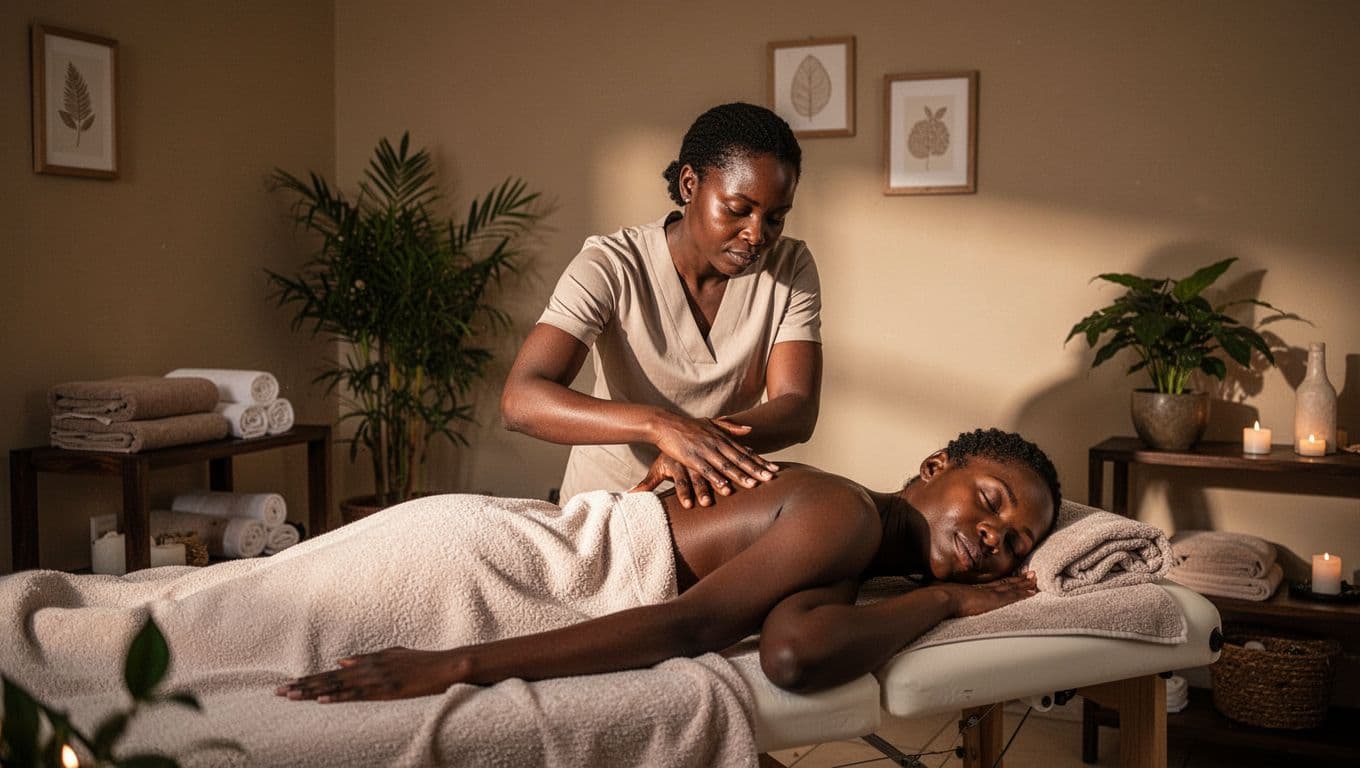
Massage may also help you notice where you carry tension. You might realize that you clench your jaw, lift one shoulder, or hold your lower back rigidly during work. That awareness can guide practical changes, such as taking movement breaks, adjusting your posture, or relaxing your grip on the phone.
Some research suggests that a single session can reduce short-term anxiety, heart rate, and blood pressure. However, evidence for lasting stress reduction remains mixed. Massage may ease stress symptoms, but it doesn’t treat anxiety or depression on its own. If low mood, panic, hopelessness, or worry persists or feels severe, contact a qualified mental health professional.
For clients who enjoy scent as part of relaxation, aromatherapy massage for stress relief may add another calming element. Tell your therapist about allergies, asthma, skin sensitivity, or fragrance preferences before using essential oils.
Muscle Soreness, Flexibility, and Everyday Pain
Massage may provide short-term relief when muscles feel tight after exercise, travel, prolonged sitting, or repetitive work. Gentle treatment can make movement feel easier, while focused work around the neck and shoulders may temporarily reduce discomfort linked to muscle tension.
Research also points to possible short-term benefits for some low-back pain and neck or shoulder pain. A review summarized by the National Center for Complementary and Integrative Health found that massage may help low-back pain, although the evidence quality was limited. Studies of headaches remain small and inconsistent, so massage shouldn’t replace headache evaluation when symptoms are new or unusual.
People with fibromyalgia, cancer-related symptom burden, chronic neck pain, low-back pain, muscle tightness, headaches, or everyday stress can discuss massage with a qualified healthcare provider. In these cases, massage may support comfort alongside an appropriate care plan.
Temporary symptom relief can improve your day, but it doesn’t repair a torn muscle, correct nerve compression, or remove the cause of persistent pain.
Massage isn’t a substitute for physical therapy, medical evaluation, strength training, or rest. Seek medical care for sudden or unexplained pain, weakness, numbness, swelling, fever, or pain after a serious injury. A therapist should also avoid forceful work over areas that may be injured or medically vulnerable.
How Often Should Someone Get a Massage?
There is no schedule that fits everyone. Frequency depends on your goal, budget, health status, response to treatment, and advice from a qualified professional.
An occasional session may suit someone who wants relaxation after a demanding week or long trip. A person with a specific complaint might try a short series, then review whether comfort and movement are improving. Regular maintenance can work for clients who enjoy massage and find that it supports their routine, but it isn’t medically required for general wellness.
Track how your body responds after each appointment. Notice your comfort, soreness, range of motion, sleep, and daily function. Increasingly intense treatments aren’t automatically better. If a massage leaves you bruised, sharply painful, or less mobile, reduce the pressure or pause treatment and seek advice.
Find the Right Massage Style for Your Body and Goals
The best massage style depends on what you want to feel afterward. Relaxation, focused tension relief, post-workout recovery, pregnancy comfort, and tired feet all call for different approaches. Names can also vary between therapists and spas, so ask what the service includes before booking, especially if you want a particular pressure or technique.
Swedish Massage for Gentle Relaxation and Tension
Swedish massage is often the easiest starting point for a first session. The therapist uses long, gliding strokes, kneading, and light-to-moderate pressure to warm the muscles and encourage relaxation. The pace usually feels smooth and calming rather than intense.
This style may suit you if you want to quiet a busy mind, ease general muscle tension, or enjoy a comfortable full-body treatment. It can also help if your back, shoulders, arms, or legs feel tight after sitting, traveling, or working on your feet.
You still control the pressure. Ask the therapist to use lighter or firmer work, spend more time on your shoulders, or skip an area that feels sensitive. Swedish massage is a practical choice when you want your body to feel rested without feeling worked over.
Deep Tissue and Trigger Point Work for Focused Tension
Deep tissue massage uses slower, firmer movements on deeper layers of muscle and connective tissue. Trigger point work is more targeted. The therapist applies focused pressure to tender spots that may contribute to a larger area of discomfort.
These techniques may appeal to people with persistent tightness from repetitive work, exercise, or postural strain. However, firm pressure can leave temporary soreness, tenderness, or bruising. Pain that feels sharp, burning, electric, or alarming is not a normal goal.
Vigorous massage carries greater risk for people with bleeding problems, blood-thinning medication, fragile bones, or certain injuries. It may also be unsuitable with some medical conditions. The National Center for Complementary and Integrative Health’s massage safety guidance advises extra care because rare serious harms have been reported with vigorous techniques.
Deep pressure is a treatment choice, not a test of endurance. Tell the therapist when your body is bracing instead of relaxing.
Sports, Thai, and Myofascial Techniques for Active Bodies
Sports massage often focuses on recovery, mobility, and areas stressed by training. It may include compression, stretching, and focused work around commonly used muscles. Some people feel less sore or more mobile afterward, but evidence for improved athletic performance is mixed. Choose it for a clear recovery goal, not a promise of guaranteed results.
Thai massage commonly combines rhythmic compression with assisted stretching. You usually remain clothed on a floor mat while the therapist guides your body through supported positions. It may suit active clients who enjoy movement-based treatment, although forceful stretching should never feel painful or frightening.
Myofascial release targets restrictions in fascia, the connective tissue surrounding muscles and other structures. Pressure may feel slow, steady, and focused rather than flowing like Swedish massage. Ask the therapist to explain the technique and adjust the force if an area feels inflamed or recently injured.
Hot Stone, Aromatherapy, Prenatal, Chair, and Foot Massage
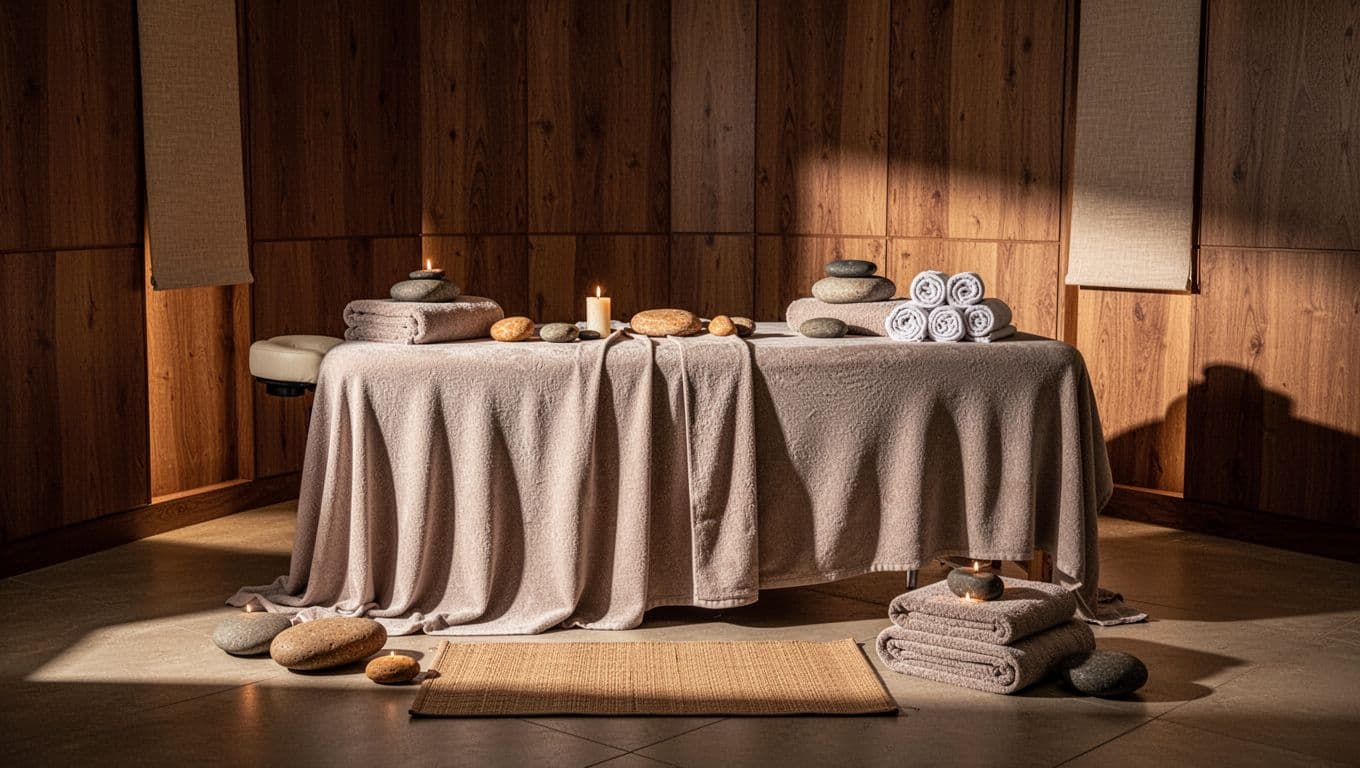
Hot stone massage adds warmed stones to hands-on work. The heat may feel comforting around tired muscles, but avoid it or request careful screening if you have reduced sensation, fragile skin, circulation concerns, or heat sensitivity. Aromatherapy massage adds diluted essential oils, so mention skin allergies, asthma, fragrance sensitivity, pregnancy, or medication concerns first.
Prenatal massage requires pregnancy-appropriate positioning and a therapist trained to work with pregnant clients. High-risk pregnancies call for medical guidance before booking. The therapist should avoid unsafe pressure and modify the session as your pregnancy progresses.
Chair massage is a short, clothed option that usually concentrates on the neck, shoulders, upper back, and arms. It can fit a busy schedule or help you test massage before booking a longer session. Foot massage focuses on tired feet and lower legs, making it useful after trekking, sightseeing, long flights, or extended time on your feet. Maya Spa’s foot massage for trekkers is a relevant Nairobi example for active travelers.
Choose a Safe Therapist, Spa, and Session That Fits Your Needs
The right massage provider should make you feel informed before you feel relaxed. Compare the therapist’s training, the treatment environment, the service details, and the total cost before you book. Your goal might be simple stress relief, or you may need careful work around an ongoing condition. Either way, the provider should listen first.
Questions to Ask Before You Book
Ask whether the therapist is licensed or certified where required, how long they’ve practiced, and whether they have experience with your chosen technique. A therapist trained in Swedish massage may not have the same experience with prenatal, sports, Thai, or clinical techniques.
Before confirming an appointment, ask:
- What technique will you use, and can you adjust the pressure?
- Does the advertised time include intake, changing, and dressing, or is it hands-on treatment time?
- What areas will you treat, and how will draping protect my privacy?
- How does the spa clean tables, linens, towels, and reusable tools between clients?
- Is the room accessible for my mobility, balance, or positioning needs?
- What should I do if I need to pause or stop the session?
A 60-minute booking may include time for a health review and changing, leaving less than 60 minutes of hands-on work. Confirm the schedule so the price and experience match your expectations. Also ask about taxes, gratuity, cancellation fees, deposits, packages, memberships, and optional add-ons before you pay.
Tell the provider about medications, injuries, pregnancy, recent surgery, chronic conditions, skin problems, allergies, and your treatment goals. Blood thinners, fragile bones, open wounds, infections, and recent surgical areas may require modified treatment or medical advice. When your health history is complex, ask whether you need medical clearance before booking.
Compare Spa Massage With Clinical Massage Therapy
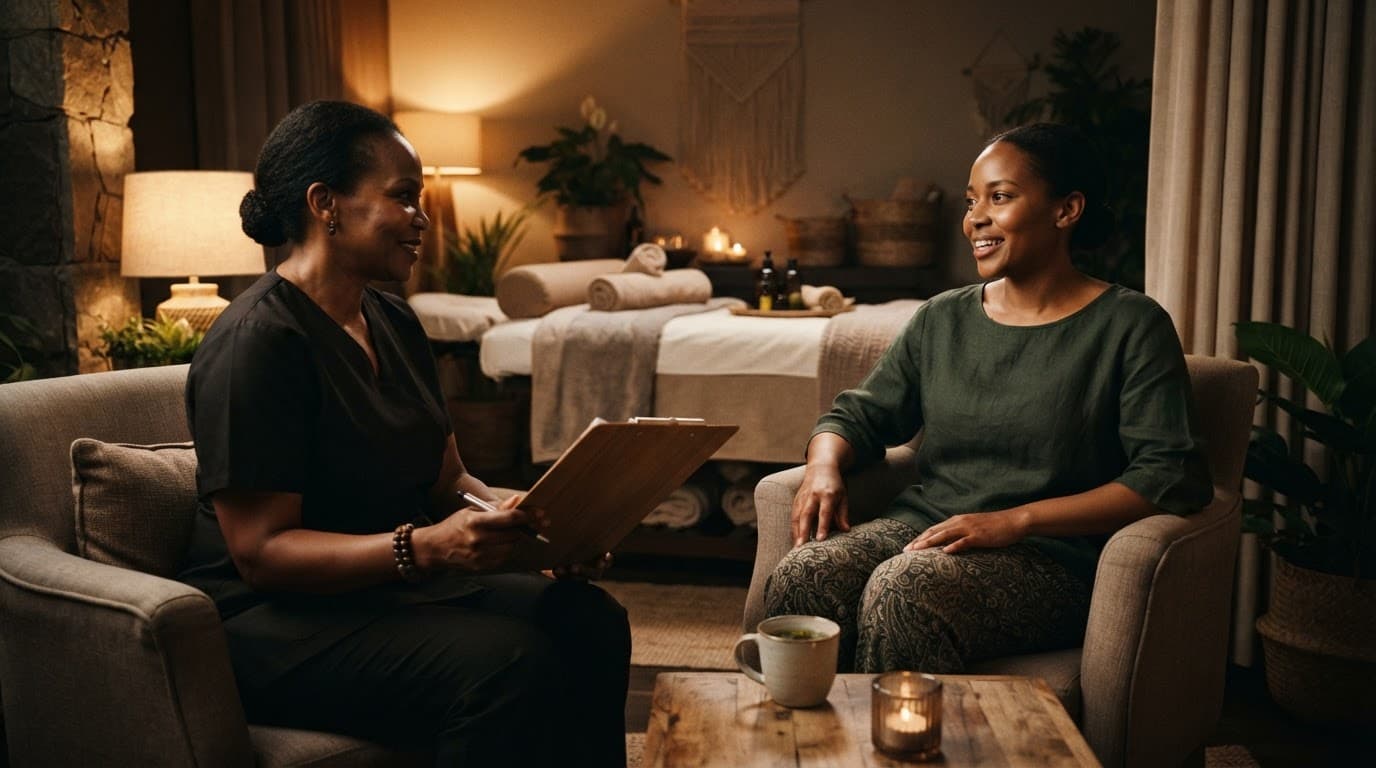
A relaxation spa centers on comfort, atmosphere, and general muscle tension. You may choose soothing music, aromatherapy, warm towels, or a calming full-body massage after a demanding week. Maya Spa, for example, offers personalized relaxation-focused treatments for clients seeking relief from tension and tired muscles.
Clinical massage therapy fits a different purpose. It may form part of a broader plan for a diagnosed problem, such as restricted movement or persistent muscle spasm. The therapist may coordinate with a physician or physical therapist, use more detailed screening, and track changes in function over several visits.
Your symptoms and expectations should guide the setting:
- Choose a spa when you want relaxation, comfort, or general tension relief.
- Consider clinical care when pain persists, limits movement, follows an injury, or needs medical screening.
- Ask for professional guidance when you have complex health concerns or recent surgery.
Neither setting should promise to cure a disease, repair serious damage, or guarantee permanent pain relief. The NCCIH massage safety guidance notes that serious side effects are rare but possible, especially when vigorous treatment is unsuitable.
Be cautious if a provider refuses to discuss your health history, pressures you to buy a package, ignores a request to stop, promises a miracle, uses unsafe pain as proof of effectiveness, or maintains poor hygiene. Consent should remain clear throughout the session.
Understand Session Length, Pricing, Tips, and Packages
A 30-minute massage works well for one focus area, such as the neck, shoulders, or feet. A 60-minute appointment gives the therapist time for a balanced full-body session. A 90-minute booking allows a slower pace or extra attention to several tight areas, but longer doesn’t always mean better.
Prices vary by city and provider. Location, therapist experience, venue, modality, mobile travel, add-ons, taxes, gratuity, memberships, and couples sessions can all change the final bill. Hotel spas and mobile services may cost more because the setting or travel adds expense.
Compare the total value, not just the lowest advertised rate. Before booking, confirm hands-on time, all fees, cancellation rules, package expiration dates, and whether discounts require a membership. A clear service description and a respectful intake conversation are part of a good massage experience, not extras.
Massage Safety: When to Proceed, Modify, or Wait
Massage is generally low risk for many healthy adults when a trained professional provides it. Still, rare serious problems have been reported, especially after vigorous techniques or when bleeding, clotting, bone, nerve, or healing concerns are present. Good safety begins before you lie on the table: share your health history, medicines, injuries, symptoms, and treatment goals with your therapist.
Health Conditions and Medicines That Need Extra Care
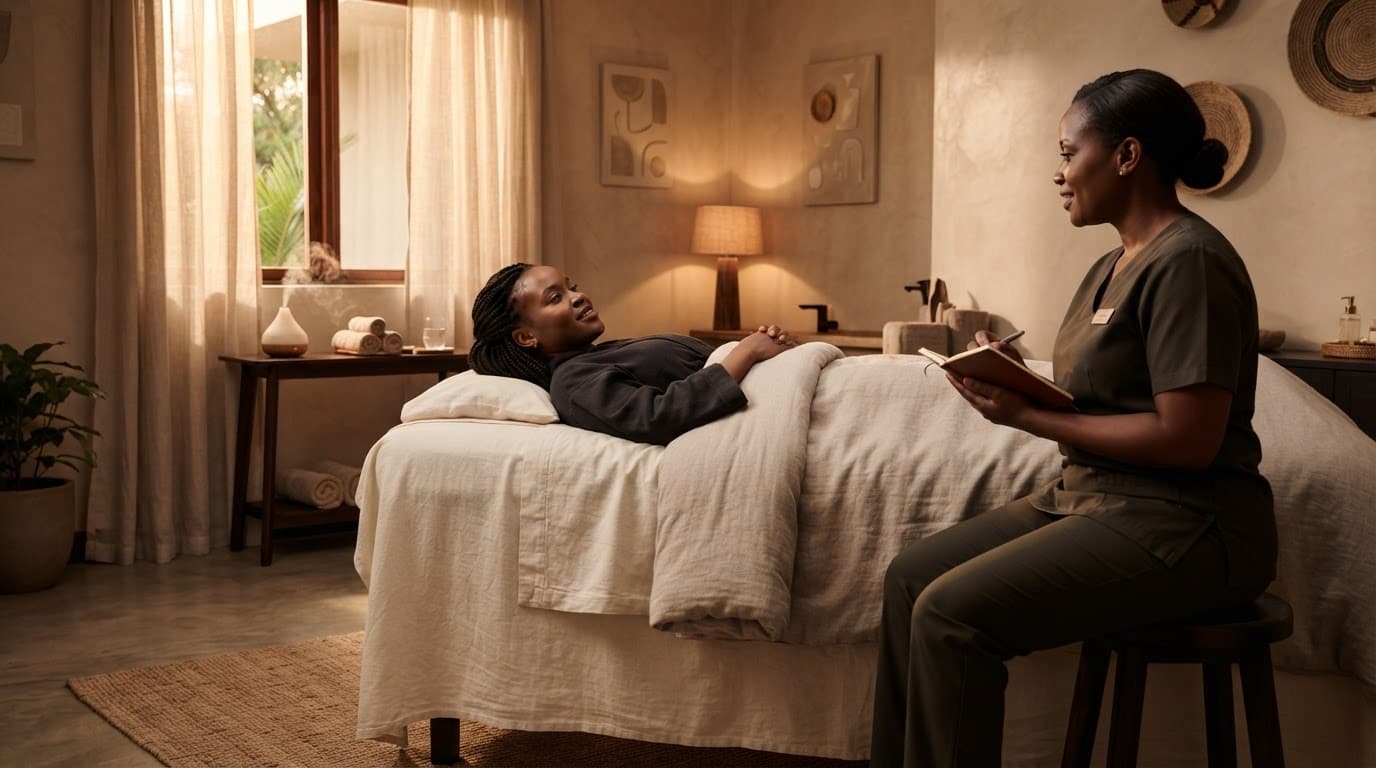
Ask your health care professional for guidance before booking if you take blood-thinning medicine, such as warfarin, or have a bleeding disorder or low platelet count. These conditions can increase bruising or bleeding, especially during deep tissue, trigger point, or other forceful techniques. A lighter session may be possible after medical clearance, but pressure over vulnerable areas should remain gentle.
Active or suspected deep vein thrombosis requires medical attention, not massage. A clot in a leg can cause swelling, tenderness, pain, or discoloration, and manipulation may increase the risk of pulmonary embolism. People with a previous DVT or pulmonary embolism should tell both their clinician and therapist before treatment. The NHS guidance on DVT symptoms explains when urgent assessment is needed.
Medical clearance may also be needed with:
- Severe osteoporosis, an unhealed fracture, or another condition that makes bones fragile.
- Cancer, especially during active treatment or when a tumor, surgical site, or affected area is nearby.
- Recent surgery, healing incisions, or recovery that has not yet been approved by your surgeon.
- Uncontrolled high blood pressure, an aneurysm, or serious heart or lung disease.
- Nerve damage, paralysis, or reduced sensation that makes pressure or heat difficult to feel.
- Rheumatoid arthritis in the area being treated, particularly during a painful flare.
This isn’t a complete medical checklist. Tell your health care professional and therapist about every medicine and diagnosed condition, including supplements and conditions that seem unrelated. Maya Spa clients should share these details when arranging a personalized treatment so the service can be adapted safely. The National Center for Complementary and Integrative Health’s massage safety information also notes that vigorous massage carries more concern than gentle work.
Postpone your appointment if you have a fever, active infection, contagious illness, unexplained swelling, a suspected blood clot, open wounds, an acute injury, or new weakness, numbness, or other neurologic symptoms. Massage can wait while a clinician identifies the cause.
Pregnancy, Skin Problems, and Areas to Avoid
Prenatal massage may be appropriate for some pregnant people, but it needs a trained therapist, pregnancy-safe positioning, and appropriate pressure. Ask your obstetric clinician first if the pregnancy is high risk or involves complications such as preeclampsia, bleeding, preterm labor concerns, or placenta previa.
Your therapist should avoid burns, rashes, bruises, varicose veins that are painful or swollen, open cuts, fragile skin, and areas affected by cancer or recent procedures. Fresh incisions, inflamed tissue, and healing wounds need medical guidance before anyone applies pressure nearby.
Never ask a therapist to work directly over an unexplained lump, severe swelling, wound, or painful injury. A safe provider will pause, protect the area, and recommend medical evaluation when needed.
Know the Difference Between Helpful Pressure and Warning Pain
Mild tenderness or temporary soreness can occur after focused work, particularly when tight muscles receive more attention than usual. However, massage should not produce sharp, shooting, burning, electric, or worsening pain. Numbness, tingling, dizziness, nausea, shortness of breath, or sudden weakness also require immediate attention.
Speak up while treatment is happening. Ask for less pressure, a different position, more support, or a pause. You can stop one technique, skip an area, or end the session altogether. Consent continues throughout the appointment, and a professional therapist should respond without argument.
Afterward, rest if your body feels tender, move gently, and monitor symptoms rather than pushing through them. Seek medical care for severe or unusual pain, increasing swelling, breathing trouble, chest pain, faintness, fever, new numbness, or weakness. A relaxing massage should leave you feeling cared for, not pressured to ignore what your body is telling you.
Plan a Better Massage Experience From Booking to Aftercare
A satisfying massage begins before you enter the treatment room. Choose a clear goal, select a suitable style, share useful health information, and leave enough time to communicate without rushing. That simple plan helps your therapist shape the session around your body and expectations.
Prepare for Your First Appointment
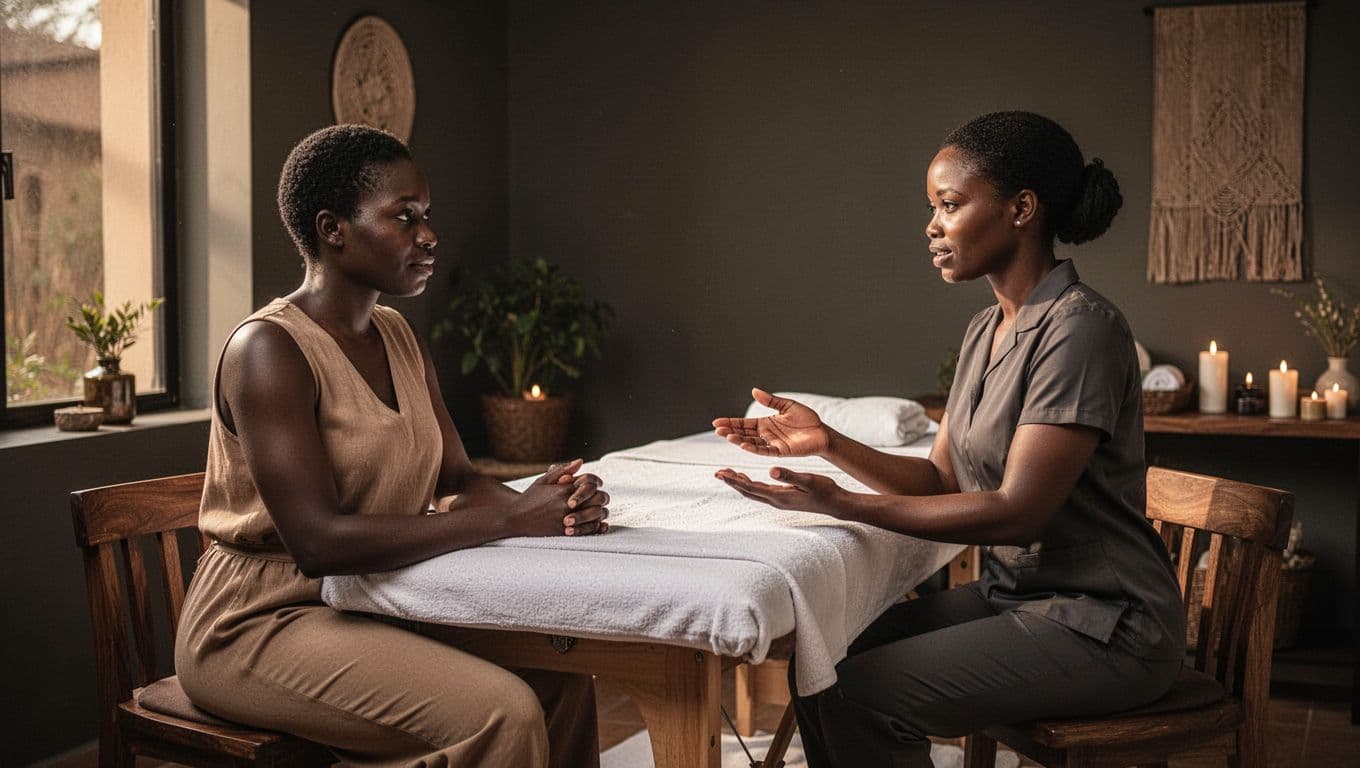
Arrive 10 to 15 minutes early, especially for your first visit. You may need time to complete an intake form, use the restroom, change clothes, and explain what you want from the session. Wear comfortable clothing that is easy to remove and put back on.
Tell the therapist about your main concerns before treatment begins. You might mention tight shoulders, tired legs, general stress, or limited movement after sitting all day. Also explain whether you prefer light, medium, or firm pressure. If you’re unsure, ask the therapist to begin gently and adjust gradually.
You don’t need to tolerate silence, conversation, music, scents, or room temperatures that make you uncomfortable. Ask for quiet, lower music, no fragrance, a cooler room, or an extra towel whenever needed. You can also request a position change, more support, or a pause during the massage.
Set a realistic goal, such as feeling calmer, sleeping better, or moving more comfortably. Massage can support those goals, but a single appointment doesn’t need to solve every source of pain.
Make the Most of Massage for Travel, Work, and Exercise
Match the treatment to what your body has been through. After a long flight, road trip, sightseeing day, or trek, a shorter chair or foot massage may relieve tired legs without leaving you too tender for the next activity. Maya Spa’s trekker’s foot massage for tired legs may suit active travelers who want focused care after time on their feet.
Desk-related tension often responds better to gentle, focused work than forceful pressure. Ask the therapist to spend time around your neck, shoulders, upper back, and arms, then take movement breaks afterward so the same stiffness doesn’t quickly return.
After demanding exercise, recovery-focused massage may help you feel less tight and more comfortable. However, don’t use deep pressure to push through a fresh injury, sudden swelling, sharp pain, or severe post-exercise soreness. A review of massage and sports performance research found mixed results, so treat massage as recovery support rather than proof that your body is ready for another hard workout. Research on sports massage and exercise performance provides useful context.
After treatment, sleep well, drink fluids normally, and choose gentle movement if it feels comfortable. If symptoms don’t improve, worsen, or include weakness, numbness, marked swelling, or unusual pain, arrange medical evaluation.
Judge Results Without Chasing Intensity
Assess the session over the next day or two rather than judging it by how intense it felt. Notice whether you feel more relaxed, sleep better, move through a wider range of motion, or feel more comfortable during ordinary tasks. Your mood and energy can also show whether the appointment supported your needs.
Mild soreness or stiffness may occur after focused work, but more bruising or pain doesn’t mean you received a better massage. Severe soreness, worsening symptoms, or discomfort that lasts beyond a couple of days deserves medical advice instead of another intense appointment.
Tell your therapist what worked and what didn’t. Mention the areas that improved, pressure that felt excessive, techniques you enjoyed, and anything that disrupted your comfort. That feedback helps personalize future visits, whether you’re booking regular care, a wellness day, or a massage gift for someone else.
Use this simple plan when arranging your next appointment:
- Choose one main goal, such as relaxation, easier movement, tired-foot relief, or recovery after activity.
- Select a style that fits the goal, then ask the spa what the treatment includes.
- Share health conditions, medicines, allergies, pregnancy, recent illness, injuries, and sensitive areas before treatment.
- Prepare by arriving early, wearing comfortable clothing, eating lightly beforehand, and leaving space to rest afterward.
- Communicate during the massage about pressure, temperature, music, fragrance, conversation, positioning, and any discomfort.
- Judge the result by comfort and function over the following day or two, then use that feedback to guide your next session.
Frequently Asked Questions
Even after learning about massage styles, benefits, safety, and preparation, you may still have practical questions before booking. These answers can help you decide what to expect and when to ask for extra guidance.
Can massage help me sleep better?
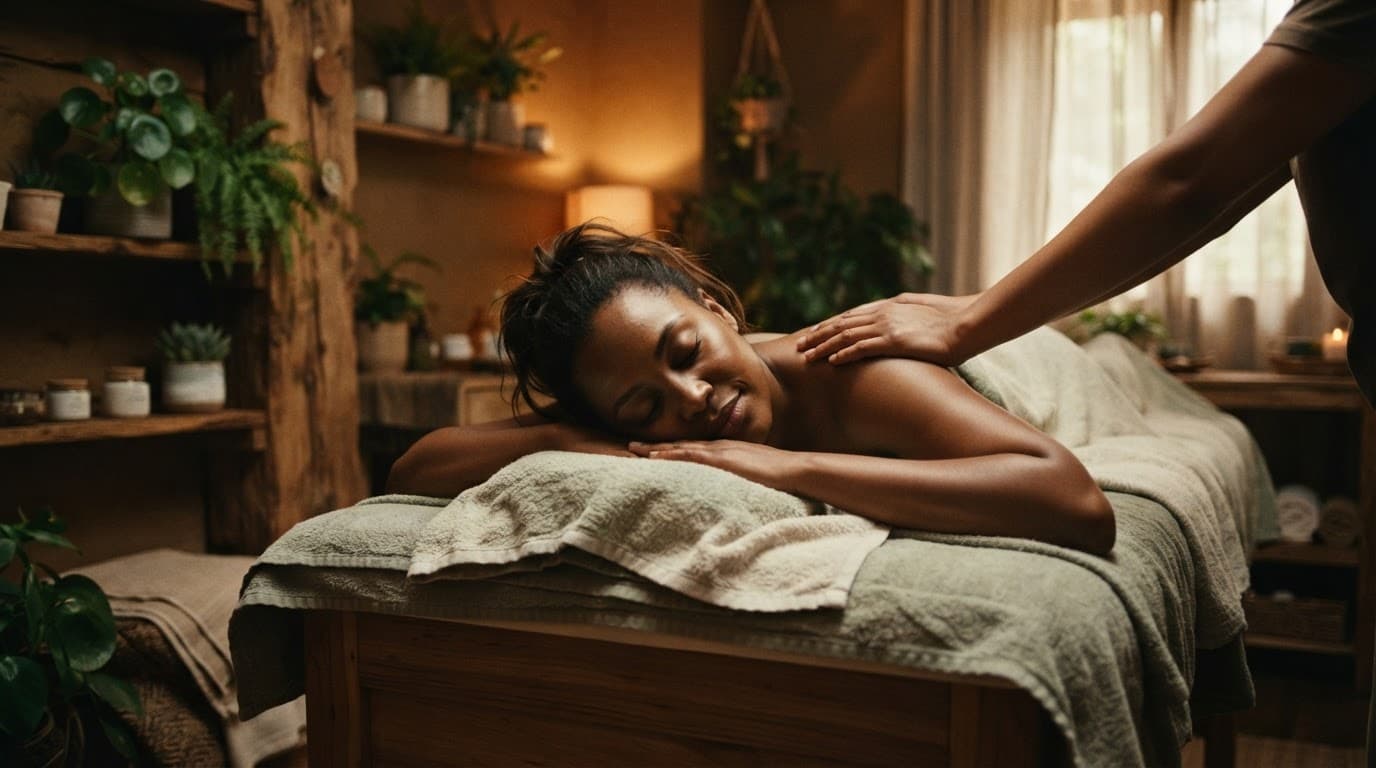
Massage may help you feel calmer before bedtime, especially when stress or muscle tension keeps you alert. A quiet session can ease physical restlessness and give you time away from work, screens, and noise.
For better results, schedule treatment early enough to relax afterward rather than rushing into errands. Massage can support a bedtime routine, but ongoing insomnia, loud snoring, or severe daytime fatigue deserves medical attention.
Is soreness after a massage normal?
Mild tenderness can happen after focused or firm massage, particularly if your muscles were already tight. The feeling should gradually improve rather than become sharper, more widespread, or disabling.
Drink fluids normally, move gently, and avoid strenuous exercise if your body feels tender. Cleveland Clinic notes that hydration before and after massage may help reduce soreness. If you develop severe pain, marked swelling, weakness, numbness, chest pain, or trouble breathing, seek medical care instead of booking another intense session.
How much water should I drink after massage?
You don’t need to force a large amount of water or follow a fixed number. Drink according to thirst before and after treatment, and choose regular water unless a health professional has told you to restrict fluids.
A light meal and normal hydration may help you feel steady after a longer appointment. If dizziness, nausea, unusual weakness, or a headache continues, tell the spa team and consider medical advice. Massage should leave you relaxed, not unwell.
Can I get a massage during my period?
Many people can receive massage during menstruation, and gentle work may feel comforting when the lower back or legs feel tense. Tell your therapist if you have cramps, heavy bleeding, breast tenderness, or areas you want to avoid.
You can request a shorter session, lighter pressure, side-lying positioning, or extra privacy. However, postpone treatment and seek medical advice if bleeding is unusually heavy, pain is severe, or you feel faint. Your comfort matters more than completing a planned appointment.
Can massage irritate sensitive skin or fresh tattoos?
Oils, fragrances, heat, and repeated rubbing may irritate sensitive skin. Tell the therapist about eczema, allergies, sunburn, rashes, recent shaving, or a new tattoo before treatment begins. Fresh tattoos need time to heal, so the therapist should avoid direct pressure and products over the area.
Ask which oils or lotions the spa uses, especially if you react to fragrance. If you prefer plant-based products, you can ask Maya Spa about its Ayurvedic wellness products and mention any known sensitivities before booking.
What if I still don’t know which massage to book?
Start with your main reason for booking rather than the most impressive-sounding treatment name. Choose a relaxation-focused massage if you want calm and general tension relief, or ask about a targeted option when one area needs attention.
When you’re unsure, contact Maya Spa before your appointment and describe what you hope to feel afterward. A short conversation can help match you with an appropriate treatment, pressure level, and session length. If persistent pain is your concern, massage guidance for chronic pain can provide additional context, but medical evaluation should come first when symptoms are severe or unexplained.
Conclusion
Massage can create a welcome pause after a crowded day, helping soften muscle tension, settle a busy mind, and support short-term comfort. The strongest takeaway is simple: the right style, pressure, and session length depend on your body, your goals, and how you respond during treatment.
Choose a trained provider who takes time to discuss your health history, medications, injuries, pregnancy status, and preferences. Speak up if the pressure feels painful or if you need a change in position, temperature, music, or draping. Massage supports relaxation and symptom relief, but persistent, severe, or unusual symptoms need medical guidance rather than increasingly intense treatment.
When you’re ready to make space for rest, Maya Spa in Nairobi can help you explore a personalized massage experience suited to your preferences. You can also consider a Maya Spa Korean special bath as part of a broader relaxation visit. A thoughtful massage does not need to promise a cure to be worthwhile. With clear communication and appropriate care, it can give your body a comfortable moment to slow down.