
Thai Massage in South B: What to Expect at Maya Spa
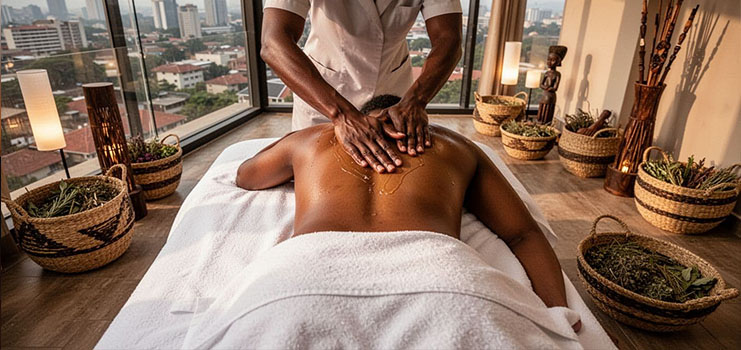
After a busy day in Nairobi, you settle onto a comfortable mat, let your breathing slow, and allow the tension in your body to soften. Thai massage offers a different kind of treatment experience because you stay fully clothed while the therapist uses pressure, rhythmic movement, assisted stretching, and guided positions.
Unlike a typical oil massage, Thai massage asks you to take a more active role as your therapist gently moves your body through selected stretches. The practice has roots in traditional Thai bodywork and draws on yoga-inspired positioning, but your comfort and personal limits should always guide the session. If you prefer firm, focused pressure, you can also compare it with deep tissue massage in South B.
At Maya Spa in South B, Nairobi, Thai Massage is listed among the available services. Keep reading to learn about its history, techniques, possible benefits, safety considerations, what to expect, how it compares with other massage styles, and where to find it in Nairobi.
Key Takeaways
- Thai Massage at Maya Spa in South B uses acupressure, deep compression, and assisted stretching on a floor mat while you remain fully clothed.
- Expect a more active session than Swedish massage, with gentle guidance through comfortable positions and stretches.
- Many guests choose it for relaxation, muscle tension, flexibility, and range of motion. Learn more about Thai Massage benefits and techniques.
- Tell your therapist about injuries, pain, pregnancy, or health concerns before treatment.
- Maya Spa offers personalized care, so confirm availability, treatment length, pricing, and booking details before visiting. Explore its massage services and rates.
What Is Thai Massage, and Where Did It Come From?
Thai massage is a full-body form of bodywork that combines steady pressure with guided movement. Unlike a treatment focused mainly on rubbing muscles, it asks your body to move, stretch, and release tension with the therapist’s support.
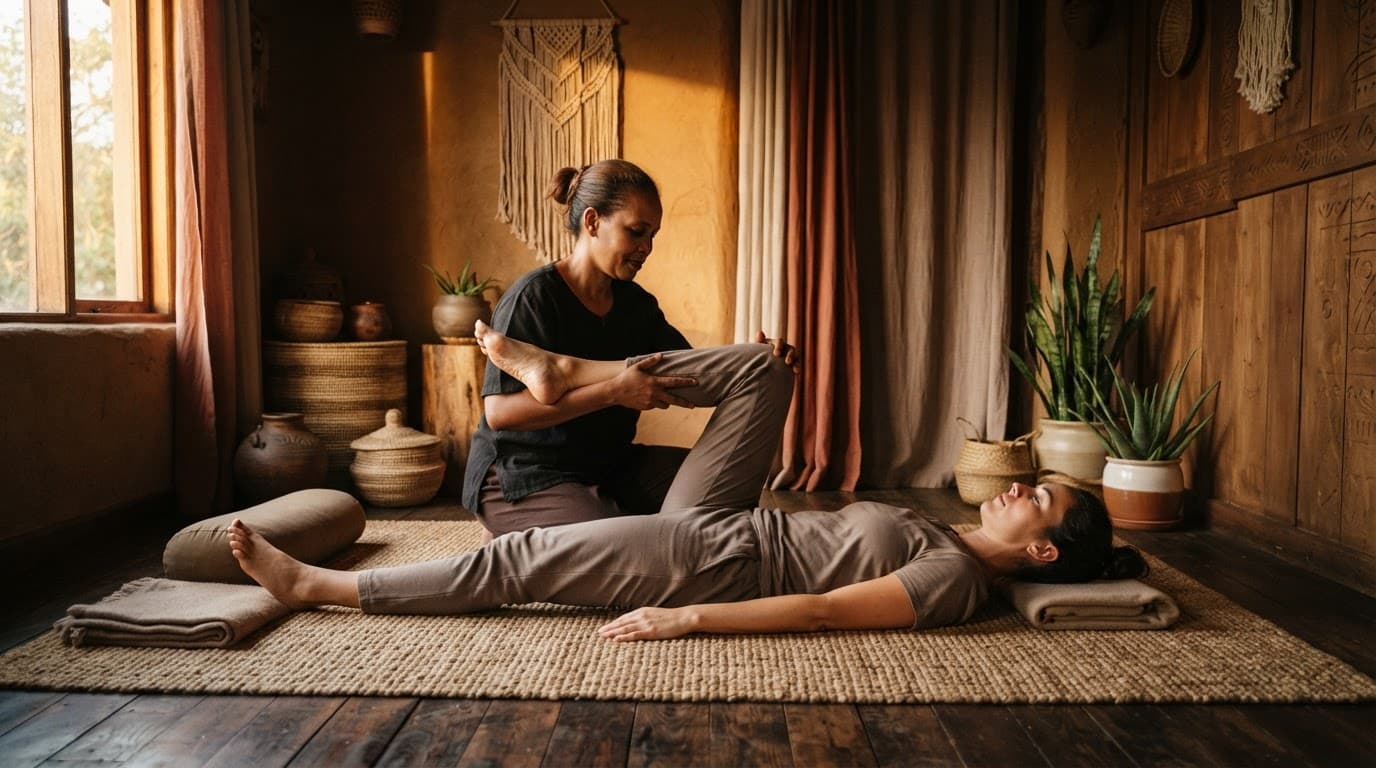
A traditional session usually takes place on a floor mat. You remain fully clothed in loose, comfortable clothing, so the therapist can work through compression, rocking, joint movement, and assisted stretches without massage oil. The exact setting can vary by provider, so ask about clothing, treatment surfaces, and session style when booking at Maya Spa in South B.
How Thai Massage Differs From a Standard Relaxation Massage
A standard relaxation massage is usually passive. You lie still on a padded table while the therapist applies oil and uses long, flowing strokes across your muscles. Your role is to breathe, settle into the surface, and enjoy the calming rhythm.
Thai massage is more active, although you don’t need to perform the movements yourself. Your therapist may press along tense areas, gently rock a limb, guide your legs into a stretch, or support a slow twist. The session can feel closer to assisted mobility work than a conventional oil massage.
This difference matters when you choose a treatment. Thai massage may suit you if you enjoy firm pressure and movement. A relaxation massage may feel more appropriate when you want quiet rest with minimal body movement.
At Maya Spa, you can review the provider’s massage services and rates before making plans. Confirm whether the Thai treatment uses a mat or table, whether you should wear loose clothing, and how the therapist adapts pressure for sensitive areas.
Thai massage is active for the body, but the therapist should still control the pace. You never need to force a stretch or tolerate sharp discomfort.
The Role of Sen Lines and Assisted Yoga-Like Positions
Traditional Thai massage theory describes sen lines as energy pathways that guide pressure and movement through the body. These lines belong to traditional Thai medicine, not Western anatomy. They aren’t the same as nerves, veins, or muscles, and claims about energy flow should remain distinct from modern medical evidence.
During a session, the therapist may work along these pathways with broad compression or focused pressure. They may also guide your body through simple positions, such as a gentle leg stretch, a supported twist, or a slow movement at the hip or shoulder.
People sometimes call Thai massage “assisted yoga” because the therapist helps you reach positions that resemble familiar yoga shapes. However, you don’t need yoga experience, balance, or unusual flexibility. The therapist supports your weight and adjusts each movement to your comfort.
Thai massage developed within traditional Thai medicine through influences from Indian healing traditions, Buddhist practice, and knowledge passed through temples and communities. The tradition is often linked to Jivaka Komarabhacca, a physician associated with the Buddha, but that connection is a traditional attribution rather than proven evidence of one inventor.
Historical records, temple teachings, and stone illustrations at Wat Pho in Bangkok helped preserve and organize Thai massage knowledge. The familiar form practiced today also developed over time, so it isn’t accurate to describe Thai massage as having one certain birthplace or a single documented founder. For additional background, this history of Thai massage explains its Indian and Buddhist influences.
Modern sessions may be gentler, shorter, or adapted for a spa setting. Still, the signature remains the same: movement, pressure, and stretching, rather than simple rubbing.
How Thai Massage Works During a Session
A Thai massage appointment usually feels more active than a standard oil massage. At Maya Spa in South B, your session may include a short consultation, pressure along tense areas, assisted stretches, and gentle movement on a floor mat or massage mattress. The exact routine can change according to your goals, comfort, and health history.
What to Wear and Bring to a Thai Massage Appointment
Choose loose, breathable clothing that lets your hips, shoulders, knees, and arms move freely. Soft trousers, flexible shorts, and a relaxed T-shirt work well. Tight jeans, stiff waistbands, and restrictive clothing can make stretching uncomfortable.
Traditional Thai massage usually doesn’t require oil or undressing. You remain fully clothed while the therapist uses compression, rocking, and assisted movement through your clothing. Some providers supply a clean, loose outfit, but clothing policies vary, so confirm with Maya Spa before your appointment.
Arrive with useful health information. A list of medications, recent injuries, surgeries, medical conditions, or areas of sensitivity can help your therapist plan safely. You can also bring questions, such as:
- How firm will the pressure be?
- Will the session take place on a floor mat or massage mattress?
- Can you avoid a certain joint or painful area?
- How can you request a smaller stretch?
The Pressure, Stretching, and Movement You May Feel
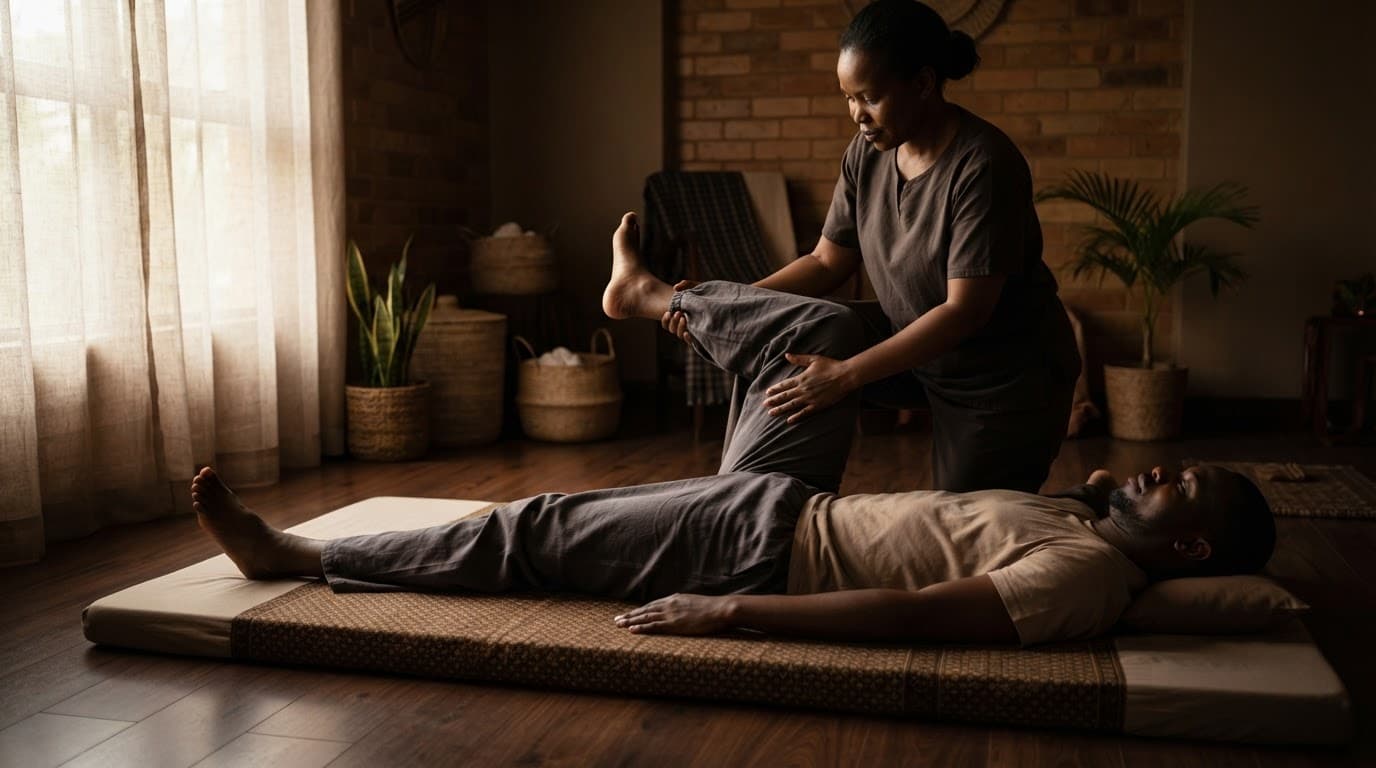
After your consultation, the therapist may begin at your feet and legs before working through the hips, back, arms, shoulders, neck, or head. The treatment plan doesn’t always follow the same sequence. For example, a therapist may spend more time on your lower back if you sit for long hours, or focus on your legs after heavy physical activity.
You may feel steady thumb or palm pressure along tense muscles. The therapist might also use a forearm or elbow for broader compression, then add rocking, gentle traction, joint mobilization, or a supported stretch. Some movements resemble yoga positions, but your therapist guides the motion, so you don’t need yoga experience or unusual flexibility.
Comfortable intensity can feel strong, warm, or focused. A mild stretch may create a feeling of space around a joint, while rocking can help your body settle. Sharp pain, sudden pain, numbness, or forced range of motion is not a normal goal. Cleveland Clinic describes Thai massage as an active treatment that combines stretching with yoga-like positions, but your limits still matter.
Speak up as soon as something feels wrong. You can say, “less pressure,” “smaller stretch,” or “please stop here.”
Tell the therapist immediately if a joint feels unstable, a stretch pulls sharply, or pressure becomes too strong. Adjusting the technique early helps keep the session comfortable and personal.
How to Prepare and Recover After the Session
Keep preparation simple. Eat a light meal rather than arriving after heavy food, drink water, and arrive early enough to settle into the appointment. Wear flexible clothes and avoid scheduling demanding physical activity immediately afterward.
Your body may feel relaxed, loose, tired, or mildly sore after Thai massage. Gentle walking, easy movement, and continued hydration can help you transition back into your day. If your body feels fatigued, leave time to rest instead of going straight into strenuous exercise.
Mild soreness can occur, especially after a first session or firm pressure. However, strong, lasting, worsening, or unusual pain deserves attention. Contact the spa about your experience and speak with a qualified health professional if pain continues or comes with weakness, numbness, or tingling. Massage can support relaxation and mobility, but it doesn’t replace medical care.
What Benefits Can Thai Massage Offer?
Thai massage may help you feel calmer, less stiff, and more comfortable in your everyday movements. Its effects vary with your condition, the therapist’s skill, session length, and how clearly you communicate your needs. A single appointment can feel restorative, but it shouldn’t be expected to create dramatic or permanent changes.
Stress Relief, Rest, and a Calmer Nervous System
A quiet treatment room gives you something rare during a busy day: uninterrupted time away from messages, traffic, work, and household demands. At Maya Spa in South B, the calm setting, focused touch, and steady pace can help you settle into the session and pay attention to how your body feels.
Thai massage often combines rhythmic compression with slow, guided movement. When you breathe steadily while the therapist works, your shoulders may gradually drop and your muscles may stop bracing against pressure. That change can create a feeling of rest, even when the treatment itself is more active than an oil massage.
Massage is a wellness practice, not a treatment for anxiety, depression, or another mental health condition. It may complement professional care and personal relaxation habits, but it shouldn’t replace advice from a qualified healthcare provider. Judge the result by practical signs, such as calmer breathing, easier rest, or less awareness of ordinary tension.
Flexibility, Mobility, and Stiff Muscles
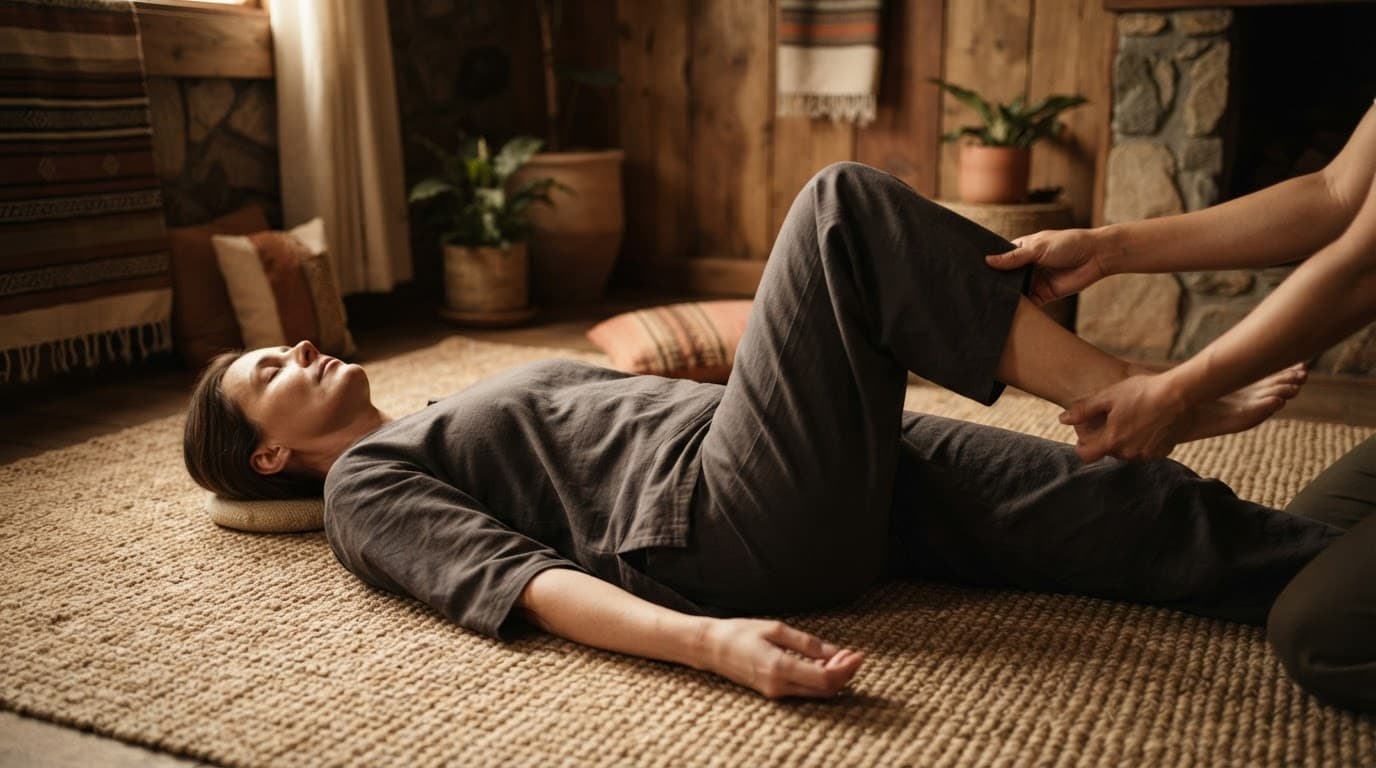
Thai massage uses compression, rocking, joint movement, and assisted stretching. Your therapist supports your body as you explore a comfortable range of motion, which may help stiff muscles feel less restricted for a while. Some people notice easier movement in the hips, shoulders, back, or legs after a session.
However, flexibility changes aren’t guaranteed, and they may not last. Results can depend on your usual activity, existing limitations, the treatment approach, and the amount of time spent on each area. A small study review found short-term improvements in pain and disability after Thai massage and joint mobilization, but evidence remains limited for lasting benefits. You can review the research on Thai massage without treating one study as a promise.
Your therapist should never force a joint, bounce a limb aggressively, or stretch through pain. Tell them if a movement feels sharp, unstable, numb, or too intense. A useful stretch should feel controlled and tolerable, not like a test of how much discomfort you can withstand.
Why Active People May Enjoy This Massage Style
Thai massage can appeal to people who walk often, run, train, travel, or spend long hours sitting. A traveler may appreciate attention to tired legs after a full day of sightseeing, while a runner may prefer gentle work around ordinary tightness after training. Someone at a desk may enjoy movement through the hips, back, neck, and shoulders.
The goal is recovery comfort and body awareness, not a guarantee of injury prevention or improved athletic performance. You may leave with a clearer sense of where you hold tension and which movements feel limited. Mild soreness can happen after deeper work, especially after your first appointment, so plan lighter activity if your body feels tired.
For travelers and trekkers, Maya Spa also offers a foot massage for tired legs, which may suit a more focused recovery session. New, severe, worsening, or unexplained pain needs medical assessment before massage. Share recent injuries and discomfort with your therapist, then let communication guide the pressure and stretching.
Is Thai Massage Safe for Everyone?
Thai massage can feel invigorating because it combines steady pressure, bodyweight compression, assisted stretching, and guided movement. That intensity means your therapist should ask about your health before starting and adjust the session to your needs. A responsible treatment is never a test of how much discomfort you can tolerate.
At Maya Spa in South B, share relevant health information before your appointment, even if you feel well that day. A general safety list cannot account for every person’s medical history, medications, or current symptoms.
When to Ask a Doctor Before Booking
Ask a qualified clinician for advice before booking if you are pregnant, recovering from recent surgery, or receiving treatment for a major medical condition. Pregnancy needs individual guidance, especially with a high-risk pregnancy, pregnancy complications, or uncertainty about which positions are suitable. There is no single internet rule that fits every stage or person.
Massage should be avoided until you receive appropriate medical clearance if you have, or may have:
- A suspected or diagnosed deep vein thrombosis (DVT) or another active blood clot.
- A bleeding disorder, low platelet count, active bleeding, or medicines that increase bleeding risk.
- Cancer under active treatment, particularly when your medical team has not approved massage.
- Severe osteoporosis, fragile bones, an untreated fracture, or loose or unstable joints.
- A serious vascular condition, poor circulation, an aneurysm risk, or another condition that makes pressure unsafe.
- Recent surgery, especially major surgery, before your surgeon confirms that massage is suitable.
- Burns, open wounds, skin infections, or broken skin in the treatment area.
- An acute injury, severe sprain, sudden swelling, or a painful inflammatory flare.
A suspected blood clot is a reason to postpone massage, not a problem to work around with lighter pressure. Research has described the risk of a clot moving from the leg and causing a serious complication, so medical evidence about leg massage and DVT should be taken seriously.
Also disclose chronic conditions, recent procedures, medications, numbness, dizziness, unexplained pain, and previous reactions to massage. These details may change the position, pressure, duration, or decision to proceed. If you are unsure, contact your doctor before contacting the spa.
Wanting lighter pressure is different from needing medical clearance. A preference means you are otherwise suitable for massage but want the therapist to work gently. A medical concern may mean Thai massage should be delayed, modified by a trained professional, or avoided altogether.
How to Keep Pressure and Stretching Comfortable
Good Thai massage is collaborative. Before the session begins, tell your therapist which areas feel sensitive and how much pressure you prefer. During the appointment, you can request lighter pressure, slower movement, a smaller stretch, a different position, or a pause at any time.
The therapist should explain what they plan to do before guiding your body. You don’t need to remain silent to appear relaxed, and you don’t need to accept a movement because the appointment has already started. Consent continues throughout the session.
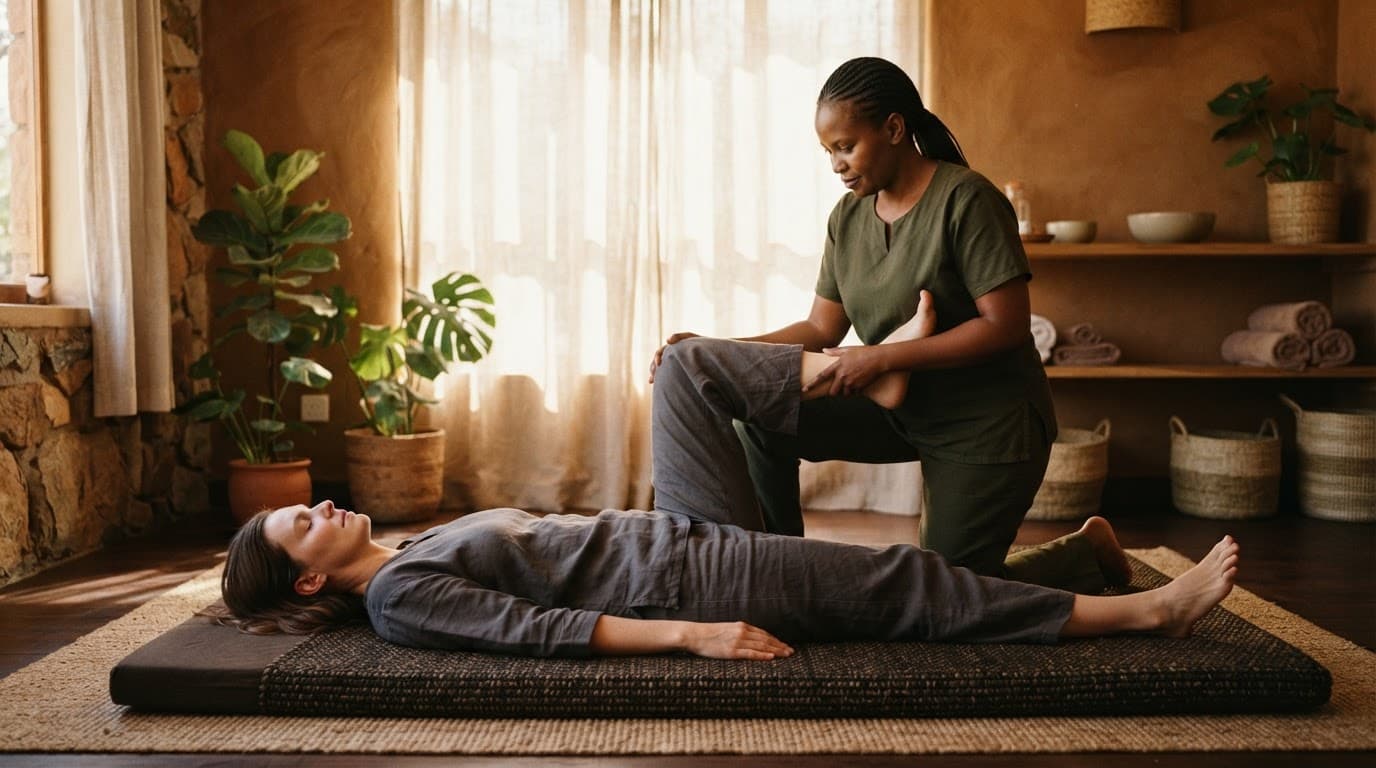
A useful stretch may feel steady and controlled. Sharp pain, sudden pain, tingling, numbness, or a feeling that a joint is being forced is a clear reason to speak up. Pain is not proof that treatment is working. A qualified therapist should respond without judgment and change the technique.
Stop the session and seek appropriate professional medical help for serious warning signs, including chest pain, trouble breathing, sudden weakness, marked swelling, severe bruising, or new neurological symptoms. Contact a healthcare professional about pain that is strong, worsening, or unusual after treatment.
Before booking at Maya Spa in South B, ask how the therapist handles health screening, informed consent, sanitation, privacy, and pressure adjustments. You can also ask whether the treatment takes place on a mat or table and whether the therapist has experience adapting Thai massage for your concern. Clear answers are part of safe, respectful care.
Thai Massage Compared With Swedish, Deep Tissue, Shiatsu, and Aromatherapy Massage
Choosing a massage style becomes easier when you compare the experience rather than the name. Thai massage is usually a clothed, movement-based treatment on a padded mat, while several popular alternatives focus on oil, stillness, or targeted pressure on a table. However, practices vary between spas and therapists, so describe your goals when booking at Maya Spa in South B.

Choose Thai Massage If You Want Movement and Stretching
Thai massage may suit you if you enjoy guided mobility work and want more than passive relaxation. You remain fully clothed in loose, flexible clothing while the therapist applies rhythmic pressure, moves your limbs, and guides you through comfortable stretches. The session often takes place on a floor mat rather than a raised massage table.
You don’t need yoga experience or advanced flexibility. Your therapist supports the movement and adjusts the position to match your comfort. Still, you should expect to participate by breathing steadily, relaxing your muscles, and communicating when a stretch feels too large or pressure feels too firm.
This style can appeal to active people, frequent travelers, desk workers, and anyone who feels stiff after spending long periods in one position. It may also feel satisfying if you like the sense of movement through your hips, shoulders, back, and legs.
Thai massage is a better match for clients who welcome guided movement. If you prefer to remain completely still, a traditional relaxation massage may feel more natural.
Choose Another Style If You Prefer Oil, Scent, or Stillness
Swedish massage is often the clearest choice for gentle, passive relaxation. You usually lie still on a massage table while the therapist uses oil and long, flowing strokes. Draping protects your privacy, and you can remove clothing only to your comfort level. Compared with Thai massage, Swedish treatment involves less assisted stretching and body positioning.
Aromatherapy massage follows a similar table-based format but adds scented oils to the experience. Choose it if a calming fragrance, smooth oil application, and quiet rest matter more to you than mobility work. People sensitive to scents should ask which oils the spa uses before the appointment.
Deep tissue massage may appeal to someone seeking firm, targeted pressure around specific areas. It generally focuses on slower work through muscle layers rather than combining pressure with the assisted movement found in Thai massage. Because stronger pressure can feel intense, explain your pain points, pressure preference, and any injuries before treatment. The different types of massage can help you compare these broad approaches.
Shiatsu shares some features with Thai massage. Both are commonly performed with clothing on, and both may use pressure points and traditional concepts of energy pathways. The session format can differ, though. Shiatsu often centers on rhythmic pressure at selected points, while Thai massage usually includes more stretching, repositioning, and mat-based movement.
Use this simple guide when choosing at Maya Spa in South B:
- Choose Thai massage if you want a clothed session with assisted stretching and guided movement.
- Choose Swedish massage if you want quiet relaxation, oil, long strokes, and minimal movement.
- Consider deep tissue massage if firm pressure on particular muscle areas is your main goal.
- Choose aromatherapy massage if oil, fragrance, and a calming sensory experience appeal to you.
- Consider shiatsu if you prefer clothed pressure-point work with less emphasis on stretching.
Some spas offer several styles, and the same name can describe different techniques across countries. Tell the therapist whether you want rest, mobility, focused pressure, oil, scent, or a fully clothed treatment. That conversation often leads to a better match than choosing from a menu alone.
Trying Thai Massage at Maya Spa in South B, Nairobi
Trying Thai Massage at Maya Spa is easier when you know what to confirm before you arrive. Maya Spa is in South B, Nairobi, at Limpopo Hotel on Kedong Road. Its contact information identifies the location as Zanzibar Road, opposite Limpopo Hotel, so checking the exact directions during booking can help you arrive with confidence.
The spa publicly lists Thai Massage alongside other options, including Swedish Massage and Aromatherapy Massage. Thai Massage is described as an active treatment that combines acupressure, assisted stretching, and deep compression on a mat while you remain fully clothed. Its wider wellness offering focuses on personalized care, relief from tension and tired muscles, and a restorative experience.
Questions to Ask Maya Spa Before Your Appointment
A short conversation before booking can remove uncertainty and help the therapist prepare for your needs. Ask whether your Thai Massage session will be fully clothed and mat-based, and whether the spa provides suitable clothing if you don’t bring flexible clothes.
You should also confirm:
- How long the session lasts, including any consultation time.
- What pressure levels are available, such as light, medium, or firm.
- Whether the therapist can adapt stretches for limited flexibility, stiff joints, or a sensitive area.
- Which body positions you may use during the appointment.
- Whether the session is suitable if you have a recent injury or ongoing pain.
- Whether the current price is listed in Kenyan shillings or another currency.
- Whether the quoted price includes the full treatment time or additional services.
- Whether the therapist has experience modifying Thai Massage for your needs.
Maya Spa’s public service information lists Thai Massage, but it doesn’t clearly show a Thai-specific price. Don’t assume that a price shown for another treatment applies to Thai Massage. Instead, check the current details through Maya Spa’s service listings before you commit to a time.
Share health concerns before treatment begins, not after the first stretch. Mention pregnancy, recent surgery, injuries, chronic conditions, medications that affect bleeding, numbness, unexplained pain, or any area that should be avoided. Guidance on massage contraindications and safety can help you identify questions to raise with a qualified healthcare professional.
How to Plan a Calm Visit in South B
Book ahead, especially if you want a particular day or therapist. Contact Maya Spa directly to confirm appointment availability, session length, therapist details, clothing arrangements, accessibility, and the current Thai Massage price. You can use the spa’s South B contact details, call +254 759 726 781, or email info@mayaspa.co.ke. Prices and schedules can change, so confirm them before visiting.
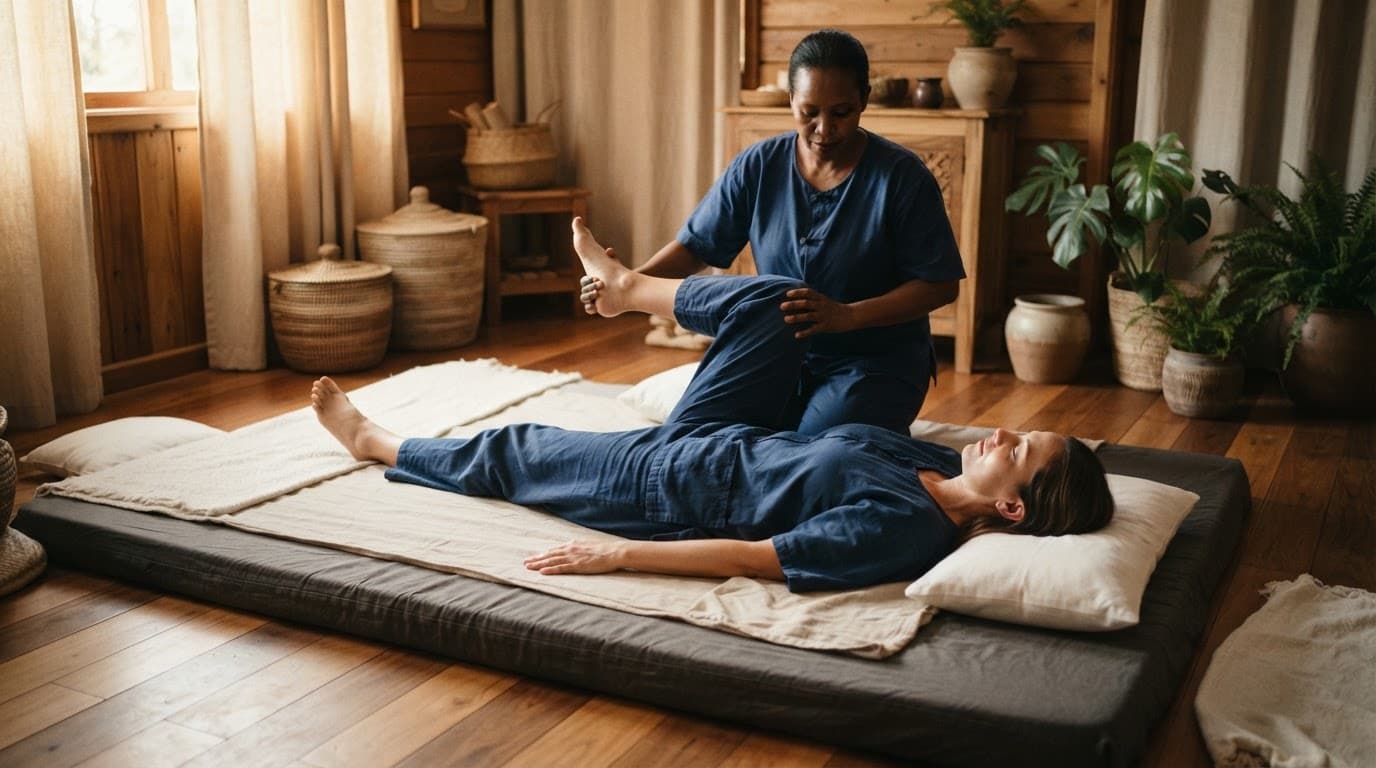
Give yourself enough time to reach the South B location without rushing. Arriving flustered can make it harder to relax, complete the health conversation, or explain the pressure you prefer. Wear clean, flexible clothes that allow comfortable movement through the hips, shoulders, knees, and arms.
Afterward, leave space for a gentle transition. Easy walking, water, and a quiet period may feel better than rushing into a hard workout or packed schedule. Nairobi residents can treat the appointment as a pause in a busy week, while visitors and active travelers may find it useful after long hours of walking or sightseeing. Your body should leave feeling cared for, not hurried into its next demand.
Frequently Asked Questions
A Thai Massage appointment can feel unfamiliar if you’ve only experienced table-based oil massage. These answers cover the practical details that help you arrive at Maya Spa in South B feeling informed, comfortable, and ready to communicate your needs.
Does Thai massage hurt?
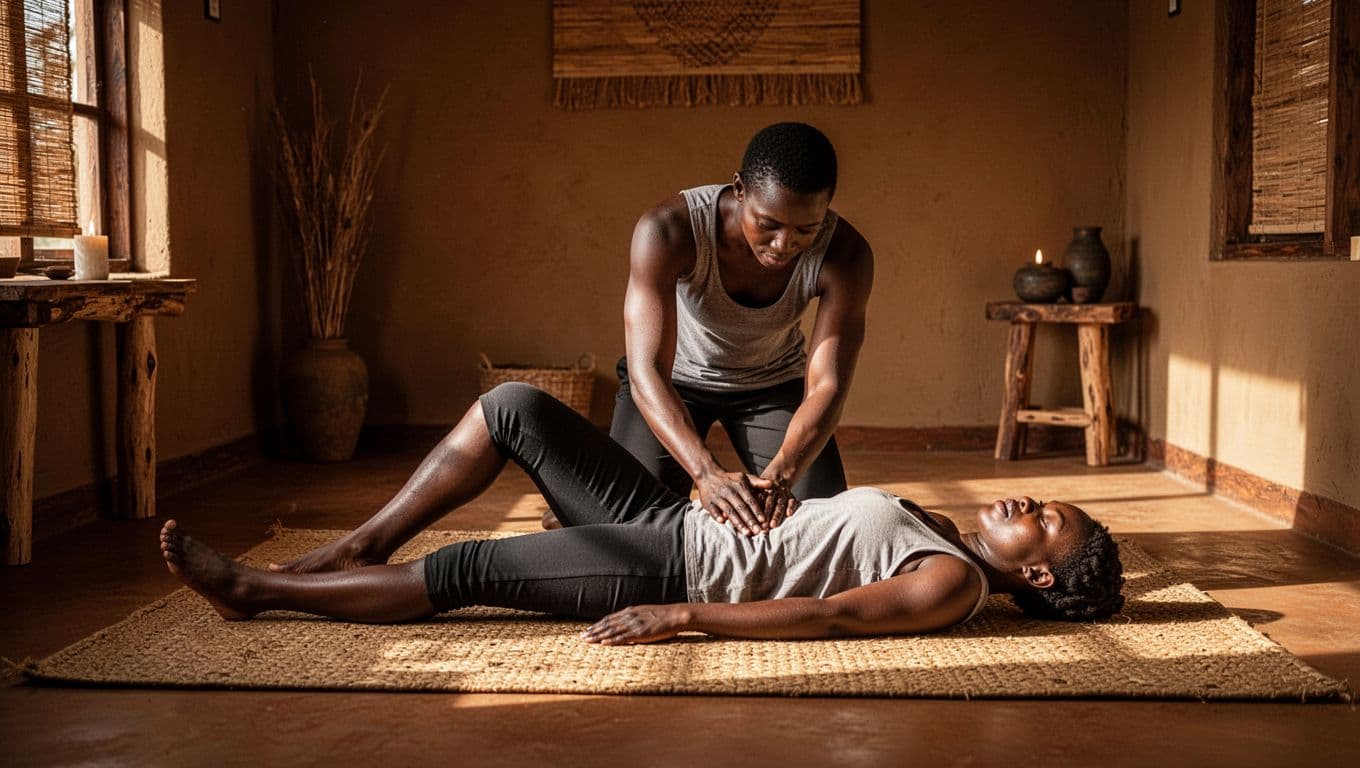
Firm pressure, compression, and assisted stretching can feel intense, especially when your muscles are tight or you’re new to Thai Massage. You may notice strong but manageable sensations, yet sharp, burning, alarming, or sudden pain isn’t an expected part of a safe session.
Tell your therapist at once if something feels wrong. They can reduce the pressure, change your position, make the stretch smaller, or stop the movement completely. You might say, “less pressure,” “that feels sharp,” or “please stop here.” Your feedback gives the therapist the information needed to keep the treatment within a comfortable range.
Do I need to be flexible for Thai massage?
No special flexibility, athletic ability, or yoga experience is required. Thai massage is adapted to your current range of motion, whether your body feels loose, stiff, tired, or restricted.
The therapist supports and guides each movement instead of asking you to perform a difficult pose alone. A stretch should remain controlled and comfortable, and the therapist should never force your hips, shoulders, knees, or spine beyond their natural movement. If you feel uncertain, mention your limitations before the session begins so the treatment can start at an appropriate level.
How long does a Thai massage session take?
Session length varies by provider, treatment plan, and the amount of attention your body needs. A shorter appointment may focus on selected areas, while a longer session may allow more time for full-body compression, movement, and stretching.
Confirm the exact duration when booking at Maya Spa in South B. That detail matters if you’re fitting the appointment around work, traffic, travel, a flight, or exercise. Also ask whether the stated time includes the consultation and changing period, or refers only to hands-on treatment.
Can I eat before Thai massage?
Avoid a heavy meal immediately before a movement-based Thai Massage session. Pressure around your abdomen and guided changes in position may feel uncomfortable when your stomach is full.
A light meal with enough time for digestion may suit you better, especially if you tend to feel hungry during appointments. Your own health needs should guide the decision, so follow medical or dietary advice you already receive. Drink water as usual, but avoid arriving overly full or dehydrated.
Can Thai massage replace physical therapy or medical treatment?
Thai massage is a complementary wellness service, not a replacement for diagnosis, physical therapy, or medical treatment. It may support relaxation and temporary comfort, but it cannot identify the cause of persistent pain or manage a serious condition.
Anyone with severe, ongoing, worsening, or unexplained symptoms should speak with a qualified health professional. The National Center for Complementary and Integrative Health guidance on massage therapy also explains why massage should be considered alongside appropriate healthcare, not instead of it.
How do I book Thai massage at Maya Spa in South B?
Maya Spa lists Thai Massage among its services at its South B, Nairobi location. Before visiting, confirm availability, the current treatment length, and the exact price through the spa’s contact channels, since a Thai-specific price isn’t publicly verified here.
You can call +254 759 726 781 or email info@mayaspa.co.ke to ask about an appointment. Mention any health concerns, preferred pressure, scheduling limits, and questions about clothing or the treatment surface. Clear details before booking help you plan a smoother visit and avoid assuming that another massage service’s price applies to Thai Massage.
Conclusion
Thai Massage offers a distinctive way to release tension through pressure, assisted stretching, and guided mobility while you remain fully clothed. Its active format can help you feel more open and relaxed, especially when stiffness follows long hours at a desk, a busy day in Nairobi, or demanding physical activity. The strongest lesson is simple: a good session should feel purposeful and comfortable, never painful or forced.
Before booking, consider your health history and share injuries, pregnancy, medical conditions, medications, or sensitive areas with the therapist. Clear communication matters throughout the appointment. You should feel free to request lighter pressure, a smaller stretch, a pause, or a change in position. Choose a trained, respectful provider who listens and adapts the treatment to your needs.
Maya Spa in South B lists Thai Massage among its services. Before visiting, confirm the current availability, session length, treatment format, and Thai Massage price directly with the spa. If you prefer a quieter, oil-based experience, you can also compare aromatherapy massage in Nairobi. Make space for recovery, then choose the massage style that best supports how you want to feel.