
Hot Oil Massage: Benefits, Safety, and Spa Tips
Warm oil glides across your skin as your breathing slows and each measured stroke helps your body release the day. A hot oil massage is often chosen to relax, ease everyday muscle tightness, soften dry-feeling skin, and create a gentler, more soothing experience than a standard massage.
The treatment is mainly about comfort and relaxation, so it shouldn’t be presented as a cure for illness or chronic pain. In this guide, you’ll learn how hot oil massage works, which oils are commonly used, what benefits you can realistically expect, and how to avoid problems such as burns, irritation, and allergic reactions. You’ll also find practical advice for using warm oil at home and a clear idea of what to expect during a professional session.
If you’re looking for personalized care in Nairobi, Maya Spa’s massage services in South B offer a relaxing setting near Limpopo Hotel, where you can discuss your comfort, skin sensitivity, and preferred pressure before treatment. First, let’s look at how hot oil massage works and why the warmth can make each touch feel more calming.
Key Takeaways
- Hot oil massage can promote relaxation, ease everyday muscle tension, and moisturize dry-feeling skin.
- Use warm oil, not hot oil, and test its temperature on your inner wrist before treatment.
- Dilute essential oils in a carrier oil, patch test for 24 hours, and avoid broken or irritated skin. Learn more about essential oil safety before adding aromatherapy.
- People with allergies, eczema, pregnancy, or ongoing pain should seek professional advice first.
- In Nairobi, Maya Spa in South B offers personalized massage care and comfort-focused treatments.
What Is Hot Oil Massage and How Does It Work?
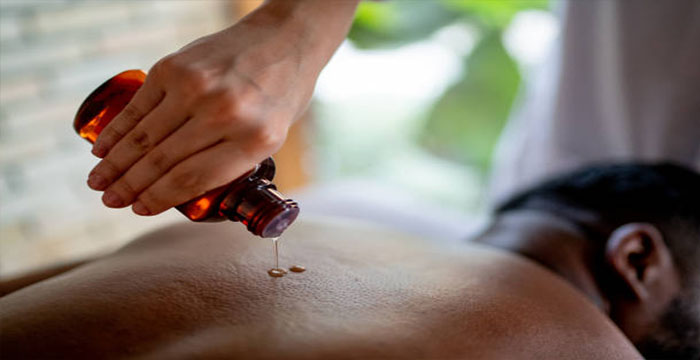
Hot oil massage uses a comfortably warmed carrier oil on the skin with flowing massage movements. The therapist applies oil to areas such as the shoulders, back, arms, or legs, then uses long strokes, gentle kneading, and controlled pressure to create a smooth, relaxing treatment.
The oil should feel pleasantly warm, never burning or uncomfortably hot. Heat is part of the sensory experience. It isn’t a medical treatment, and it shouldn’t be used to claim that massage reaches deep tissues or cures an illness. Your comfort, the therapist’s technique, and the quality of communication shape the session.
Why Warm Oil Changes the Massage Experience
Warm oil can make touch feel softer and more continuous. Because the oil reduces friction between the hands and skin, the therapist can move across the body without the stopping or pulling that sometimes occurs during dry massage. That steady glide may feel especially soothing across tense shoulders, the back, arms, and legs.
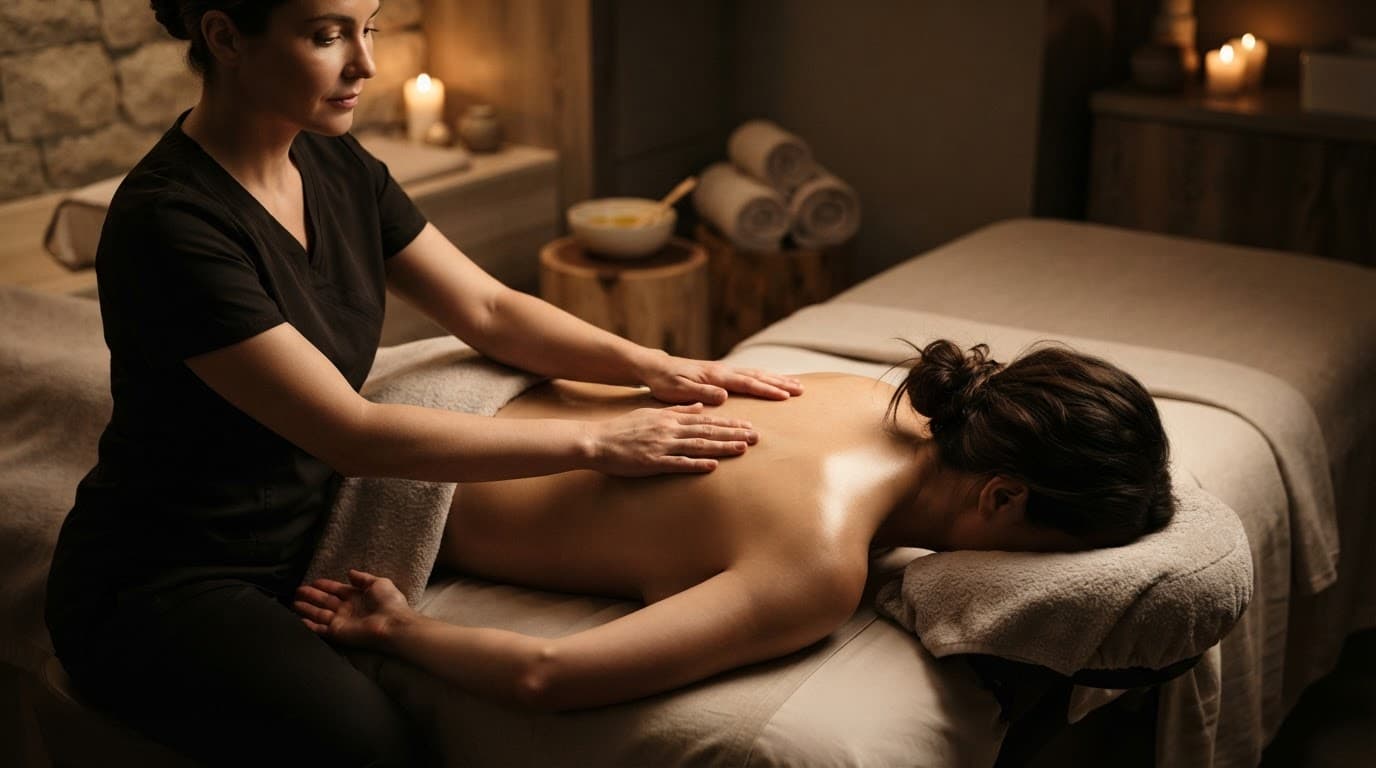
A calm room adds to the effect. Soft lighting, a comfortable temperature, quiet surroundings, and a warm towel can help you focus on the present moment. Meanwhile, slow strokes and steady breathing give your body fewer signals to resist. As your breathing becomes more even, the treatment can feel less like a series of techniques and more like one continuous rhythm.
Warm oil may also leave the skin feeling smoother and less dry after the massage. The specific result depends on the carrier oil, your skin, and how much product the therapist applies. If you have sensitive or irritated skin, mention it before the session.
Hot Oil Massage Compared With Other Massage Treatments
Massage styles often overlap, so the name alone doesn’t tell you everything included. A therapist may combine relaxing strokes, essential oils, or gentle heat, but you should ask what the treatment involves before booking.
| Treatment | Oil and heat | Pressure and sensation | Common reason people choose it |
|---|---|---|---|
| Hot oil massage | Warm carrier oil; no stones required | Usually smooth, flowing, light to moderate pressure | Relaxation, comfort, and softer skin |
| Swedish or relaxing massage | Massage oil or lotion; usually no added heat | Gentle to moderate, with long gliding strokes | General relaxation and everyday tension |
| Deep tissue massage | Oil may be used sparingly | Firmer, slower pressure focused on selected areas | Focused work on persistent muscle tightness |
| Hot stone massage | Heated stones, with oil often applied | Warm, weighted pressure and gliding stones | A distinct heat-based relaxation experience |
| Aromatherapy massage | Carrier oil blended with diluted essential oils | Often gentle to moderate pressure | Relaxation and enjoyment of selected scents |
Hot oil massage differs from hot stone massage because the oil is warmed, while hot stone treatment uses heated stones placed or moved on the body. Dry massage uses little or no oil, and Ayurvedic oil massage follows its own traditional methods and product choices. Aromatherapy massage centers on diluted essential oils and fragrance, so a scented oil massage isn’t automatically the same as a hot oil treatment. Maya Spa’s aromatherapy massage in Nairobi South B is a separate option for clients who want that focus.
If a blend contains essential oils, check the ingredients first. The National Cancer Institute’s aromatherapy guidance notes that skin irritation and allergic reactions can occur, especially with prolonged contact.
What a Typical Massage Sequence Looks Like
A professional session usually starts with a short consultation. You can describe tense areas, preferred pressure, allergies, skin concerns, fragrance preferences, and any health situation that may affect treatment.
Next, the therapist explains the oil and checks its temperature. A small amount should be tested before wider application. The massage often begins with light strokes, then gradually increases in pressure if your body feels comfortable. Toward the end, the movements usually become slower and lighter, giving you time to settle before getting up.
You can speak up at any point. Ask for less pressure, a different oil, more warmth, or no fragrance. You can also request that the therapist avoid a particular area. A comfortable session depends on clear consent, so your feedback is part of the treatment, not an interruption.
The Main Benefits of Hot Oil Massage, Without the Overpromises
Hot oil massage can leave you feeling calmer, looser, and more comfortable after a demanding day. Its most reliable benefits are short-term experiences, shaped by warm oil, skilled touch, steady pressure, and the quiet setting around you.
Relaxation, Stress Relief, and a Calmer Body
A peaceful room gives your attention somewhere restful to settle. Warm oil, slow breathing, and repeated strokes across the back, shoulders, arms, or legs can help reduce the sense of physical alertness that often follows work, travel, exercise, or hours in one position.
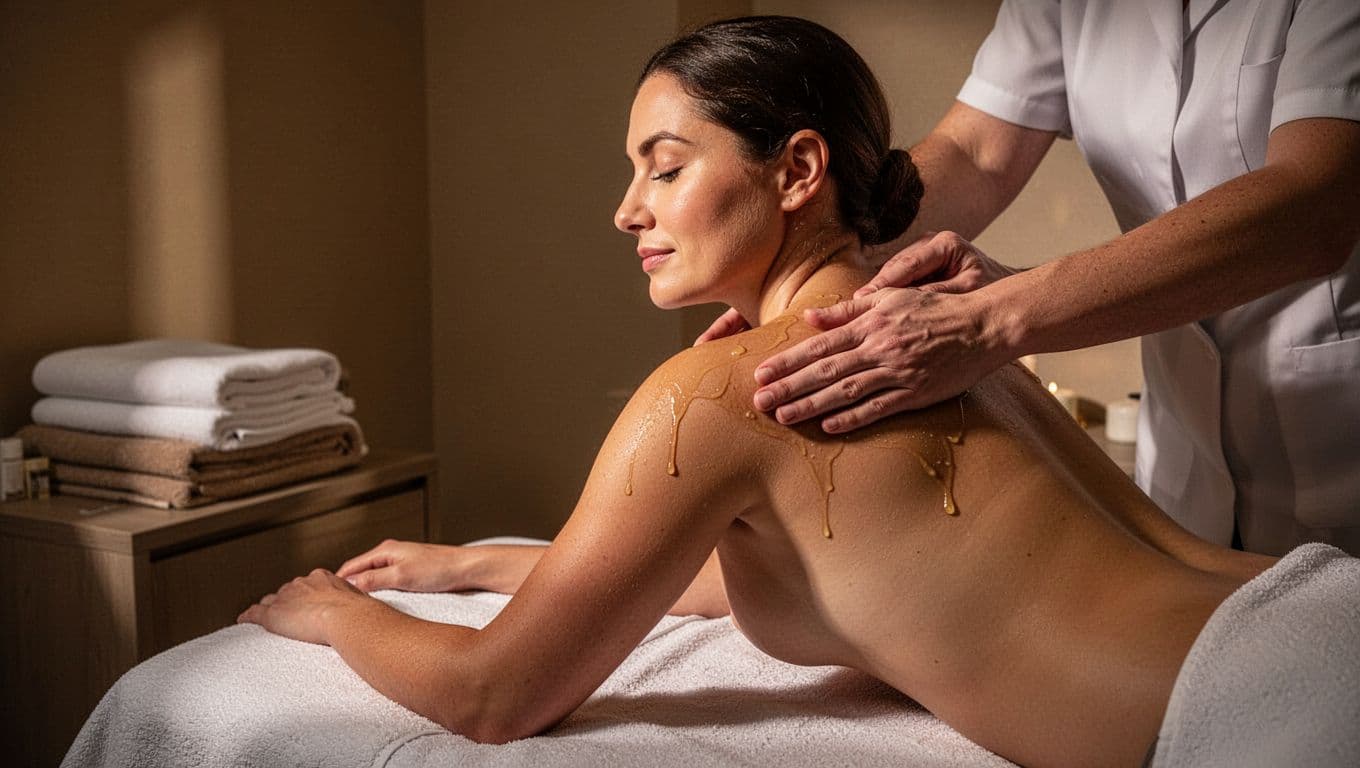
As your breathing becomes slower, the massage may feel less demanding and more restorative. Some people also feel ready for sleep afterward, especially when the session takes place in the evening. That doesn’t mean hot oil massage treats anxiety or depression. It offers a period of comfort and self-care, which can support how you feel in the moment.
For a personalized session in Nairobi, Maya Spa in South B gives you an opportunity to discuss your preferred pressure, tense areas, and treatment goals before the massage begins.
Easing Everyday Muscle Tightness and Desk Stiffness
Long periods of sitting can leave the neck, shoulders, lower back, hips, calves, and feet feeling heavy or restricted. A warm oil massage may temporarily reduce the feeling of tightness and make ordinary movement more comfortable. Athletes and active travelers may also appreciate the soothing effect on tired legs and feet after exercise or long walks.
The result is usually a change in comfort rather than a repair of an underlying injury. You might notice that your shoulders feel less raised, your lower back feels easier to move, or your calves feel less tense. However, sharp, radiating, worsening, or persistent pain needs assessment from a qualified health professional.
Tell your therapist when an area feels tender, numb, painful, or overly sensitive. Clear feedback helps them adjust pressure and avoid turning a relaxing session into an uncomfortable one. You can request lighter strokes, ask them to skip a region, or stop the treatment at any time.
Softer Skin and a More Comfortable Treatment
Carrier oils can reduce the dry, tight feeling that sometimes follows bathing, travel, or exposure to dry air. They also help the therapist maintain smooth contact, so the hands glide across the skin instead of dragging or catching. This creates a more continuous sensation across broad areas such as the back, legs, and arms.
The oil may leave your skin feeling softer for a while, but it isn’t a cure for eczema, infection, a rash, or damaged skin. Avoid massage over broken, inflamed, or actively irritated areas unless a clinician has advised you otherwise.
If your skin reacts easily, ask which ingredients the spa uses. A small patch test can help identify irritation before a full session, especially if the blend contains fragrance or essential oils. Stop using the product if you develop burning, swelling, itching, or a spreading rash.
What the Evidence Supports, and What It Does Not
Research on massage supports relaxation, comfort, and temporary relief of some muscle tension more confidently than claims about hot oil massage itself. Studies often examine massage therapy as a broad category, so findings don’t automatically prove that warmed oil produces a stronger medical effect. The National Center for Complementary and Integrative Health describes possible benefits for some pain conditions, while also noting that evidence is often limited or short-term.
You may feel lighter, less tired, or more comfortable after a session. Those sensations are valid, but they don’t prove improved circulation, toxin removal, or detoxification. Massage also shouldn’t replace diagnosis or treatment for disease, chronic pain, injury, or ongoing skin problems.
Approach broad healing promises with care. A good hot oil massage focuses on safe warmth, suitable pressure, clean products, and how your body responds during and after treatment.
Choosing the Right Oil and Massage Technique
The right oil and technique can change the entire feel of a hot oil massage. Your choice should reflect your skin type, scent preference, allergy history, areas of tension, and the amount of pressure you enjoy. At Maya Spa in South B, Nairobi, discuss these details before treatment so the therapist can tailor the session to your comfort.
Coconut, Almond, Sesame, and Jojoba Oils Explained
Coconut oil is smooth, familiar, and commonly used in massage. It spreads easily across the skin and can leave a soft, moisturized feeling after treatment. However, it may feel heavier on some skin types, especially when applied generously, and it can become more solid in cooler rooms.
Almond oil is another popular option because it usually has a light, silky feel. It gives the therapist enough glide for long strokes without feeling as dense as some richer oils. Since almond oil comes from a tree nut, people with nut allergies should take extra care. Ask the spa to confirm the full ingredient list before your session, rather than relying on the product name alone.
Sesame oil feels richer and has a distinct natural scent. It is often associated with traditional oil massage and suits people who enjoy a warmer, more substantial layer on the skin. That heavier texture may work well for slow, flowing movements, although it may feel too oily for someone who prefers a dry finish.
Jojoba oil has a wax-like structure and often feels less greasy than many plant oils. It absorbs differently and can provide a clean, smooth glide without leaving the same heavy residue. Personal preference still matters, because skin can respond differently to every product.
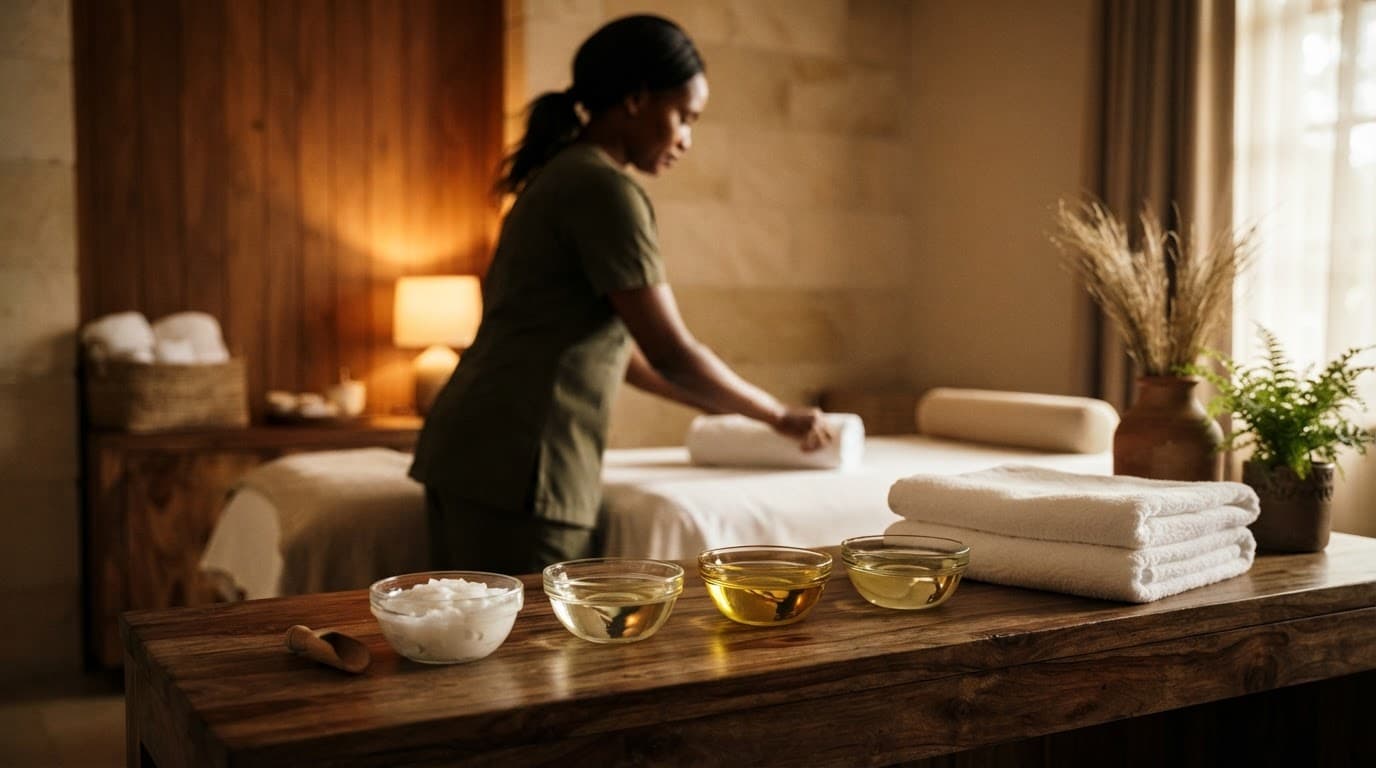
Oil can also stain clothing, towels, and bedding, especially when a generous amount is used. Wear something easy to wash after your appointment, and ask whether the spa provides towels or a robe. If you prefer a lighter finish, tell the therapist before the oil is applied.
Carrier Oils Versus Essential Oils
Carrier oils provide the main base for a massage blend. Coconut, almond, sesame, and jojoba oils are examples. They dilute other ingredients, help the hands move across the skin, and usually determine the blend’s texture.
Essential oils are concentrated plant extracts or fragrances. Lavender, peppermint, eucalyptus, and citrus oils can change the scent of a massage, but they must never be applied undiluted. A concentrated oil may cause burning, irritation, or allergic contact dermatitis, particularly on sensitive or damaged skin. The dermatology guidance on essential oils and dermatitis explains why “natural” doesn’t automatically mean harmless.
A fragrance can also trigger headaches, nausea, breathing discomfort, or skin sensitivity in some people. When you’re unsure, choose an unscented carrier oil. You still receive the smooth glide without adding a fragrance that your body may dislike.
Your therapist should know every ingredient in the blend and use an appropriate dilution for any essential oil. Guidance from the Tisserand Institute commonly places leave-on body oils in the 1% to 3% dilution range, with lower concentrations for sensitive or impaired skin. Ask about a patch test before a full treatment, especially if you’ve reacted to cosmetics, perfumes, or skincare products before.
Long Strokes, Kneading, and Gradual Pressure
A good session usually begins with long, flowing strokes. These movements spread the warm oil, introduce your body to the therapist’s touch, and reveal areas that feel tense. Starting gently also gives you time to decide whether the oil temperature and pressure feel right.
Kneading may follow on areas such as the shoulders, upper back, calves, or thighs. The therapist uses controlled pressure to work through muscle tightness, but the sensation should remain manageable. Light tapping or focused work may suit some clients, yet it should only happen when it’s appropriate and welcomed.
Pressure should change gradually, not arrive as a sudden push. Tell the therapist if you want lighter or firmer work, and speak up again if your preference changes. Useful pressure can feel firm, warm, or tender in a manageable way. Painful pressure feels sharp, alarming, or difficult to relax through.
A hot oil massage should never feel as though your skin is burning or being injured.
The best technique depends on your goals, skin condition, comfort level, and areas of tension. Someone seeking relaxation may prefer slow strokes and gentle kneading, while a client with tired feet after a long trek may request more focused work. Maya Spa’s professional massage services in South B Nairobi can be discussed in advance, including oil preferences, scent sensitivity, and pressure limits.
Hot Oil Massage Safety: Who Should Take Extra Care?
Warm oil massage can feel comforting, but heat and pressure aren’t suitable for every body. A professional consultation helps identify risks before the oil touches your skin, especially when a medical condition affects sensation, circulation, healing, or pregnancy care.
Tell the therapist about allergies, recent procedures, medications, skin changes, and ongoing symptoms before booking. If you’re unsure whether massage is appropriate, ask your clinician first. A therapist can adjust a session, but they shouldn’t diagnose a condition or provide personal medical clearance.
When to Avoid Warm Oil Massage Completely
Postpone your hot oil massage when you have open cuts, fresh wounds, sunburn, active rashes, or severely irritated skin. Oil can trap heat against damaged skin, while friction may increase redness, stinging, and inflammation. Even gentle strokes can disturb a healing surface.
Massage should also wait if you have a contagious skin condition, skin infection, fever, or another active infection. Heat and repeated contact may worsen irritation or transfer infection to other areas. A fever can also leave you dehydrated, weak, or more sensitive to touch, so rescheduling is safer than trying to work through the illness.
Avoid massage over unexplained swelling, severe pain, bruising, or an area that looks injured. Those signs may need medical assessment before anyone applies pressure. A therapist should never work over skin that appears inflamed, infected, burned, or damaged.
The safest approach is simple:
- Reschedule if you feel sick, feverish, or unusually weak.
- Keep massage away from wounds, rashes, burns, and swollen areas.
- Ask a clinician about persistent pain or swelling before treatment.
- Stop immediately if the skin begins burning, itching, or swelling.
For additional background, the massage contraindications guide explains why infections, blood clots, and uncontrolled health conditions require extra caution.
Pregnancy, Recent Surgery, and Medical Conditions
Pregnancy calls for prenatal-specific care, not a standard hot oil massage. Tell the spa you’re pregnant before booking so the therapist can confirm whether they offer prenatal massage and understand which positions, areas, oils, and pressure levels are appropriate.
Early pregnancy and high-risk pregnancies deserve particular care. If you have pregnancy complications, a history of pregnancy loss, high blood pressure, or concerns raised by your obstetric provider, ask your clinician before scheduling. Don’t assume a relaxing treatment is automatically safe because the pressure feels light.
Recent surgery also changes the rules. Massage over a surgical site, healing scar, incision, or nearby tissue can interfere with recovery or cause pain. Wait until your surgical team says treatment is appropriate, and tell the therapist exactly where the procedure took place. A scar that looks closed may still be healing underneath.
Blood clot concerns require firm boundaries. Don’t receive massage if you have an active or suspected clot, deep vein thrombosis, thrombosis, or phlebitis. Pressure over an affected area may create serious risk, so seek medical care rather than asking a therapist to work around the problem. A past clot history also deserves discussion before treatment.
Use caution with severe or unstable high blood pressure, diabetes, and neuropathy. Diabetes may affect circulation, wound healing, or skin sensation. Neuropathy can make it difficult to notice excessive heat or pressure, which raises the risk of burns and tissue injury. Unstable blood pressure may also make heat and massage harder to tolerate.
Medical guidance matters when a condition affects:
- Your ability to feel heat, pressure, or pain.
- Blood flow or the risk of clotting.
- Skin repair after surgery or injury.
- Pregnancy, blood pressure, or general stability.
Maya Spa in South B can discuss your needs before a session, including oil preferences, pressure limits, and areas that should be avoided. Share the full picture rather than mentioning only the symptom that bothers you most.
How a Safe Therapist Checks Heat, Skin, and Comfort
A careful therapist starts with questions. They should ask about allergies, sensitive skin, current health problems, pregnancy, recent surgery, medications, and previous reactions to massage products. If you choose Ayurvedic oils, review the ingredients first through Maya Spa’s Ayurvedic massage products, especially when fragrance or nut-based oils may be involved.
The therapist should use clean products, fresh linens, and clean hands. They should warm a small amount of oil evenly rather than heating a large container until parts of it become dangerously hot. The temperature needs testing before it reaches a broad area of your body.
A proper check can involve the therapist’s wrist or your forearm. The oil should feel pleasantly warm, similar to a comfortable bath, rather than hot enough to make you pull away. If your skin is sensitive or your nerve sensation is reduced, tell the therapist before testing begins.
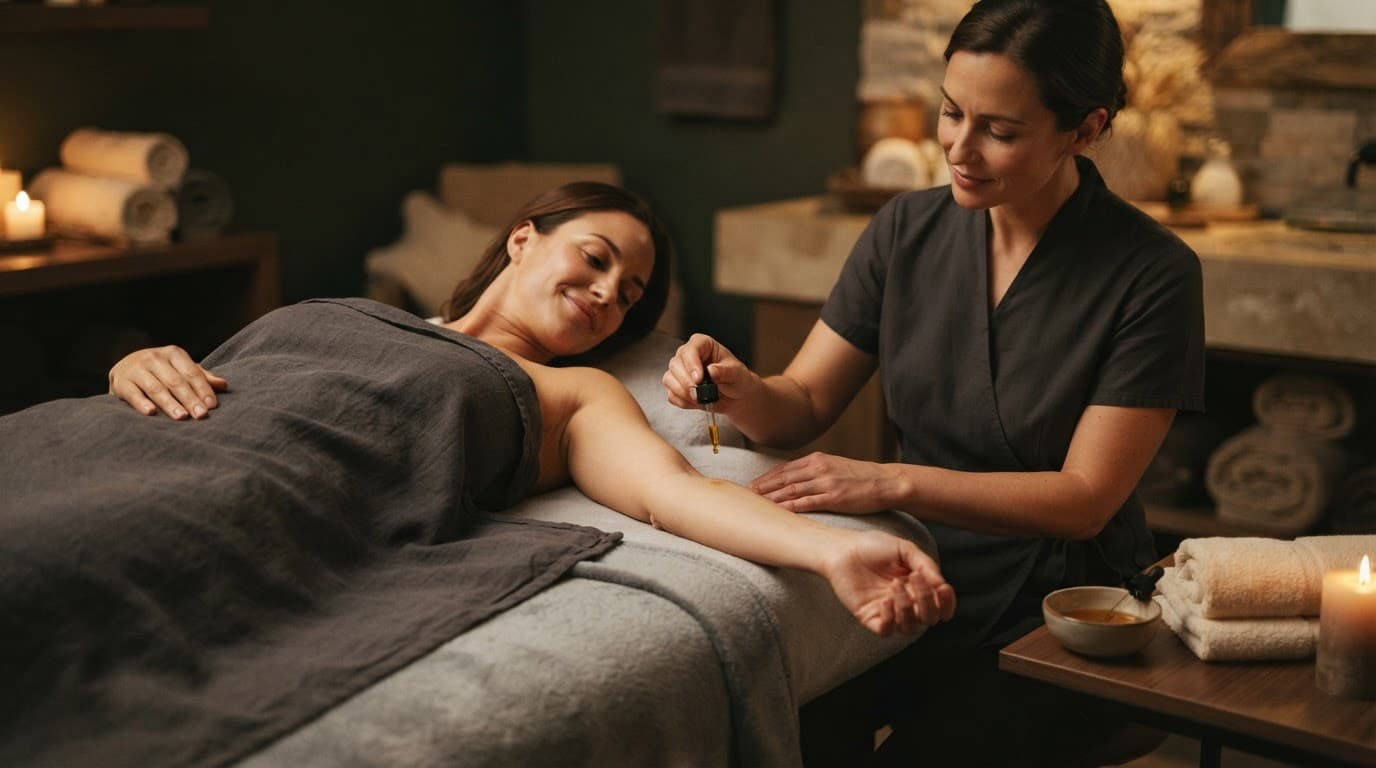
Clean towels should protect your clothing, hair, and linens from excess oil. During the massage, the therapist should check pressure and watch your response instead of assuming silence means comfort. You can request less pressure, a cooler temperature, unscented oil, or a different position at any point.
Stop the session immediately if you feel burning, dizziness, nausea, sharp pain, numbness, tingling, or unusual discomfort. Tell the therapist what changed, then seek medical advice if symptoms continue or feel severe. A safe hot oil massage leaves you relaxed and comfortable, never alarmed or injured.
How to Try Hot Oil Massage at Home Without Burning Your Skin
A home hot oil massage should feel gently warm, unhurried, and easy to stop. You don’t need special equipment or strong pressure. A small amount of comfortably heated oil, a stable seat or bed, and clean towels are enough for a relaxing self-massage.
Before you begin, choose a plain carrier oil that suits your skin, such as jojoba, coconut, sesame, or almond oil. Read the label for nut ingredients, fragrance, and other allergens. If you have sensitive skin, unscented jojoba or another simple carrier oil is often a sensible starting point. Avoid using hot oil massage as treatment for an injury, persistent pain, swelling, or a skin condition.
A Simple Warm-Up Routine for Shoulders, Hands, and Feet
Start by preparing a safe, comfortable space. Sit where your back is supported and place a towel beneath your arms or feet. Keep the oil away from candles, stoves, heaters, and other open flames. Slippery floors can turn a relaxing routine into a fall hazard, so use a towel or washable mat wherever oil might drip.
Warm the oil indirectly. Place a sealed, heat-safe bottle or container in a bowl of hot water for a few minutes, then swirl it gently. You can also pour a small amount into one palm and warm it between your hands. Avoid microwaving a full bottle or heating oil directly in a pan. Microwaves can create hot spots, and direct high heat can overheat the oil or damage the container.
Test the oil on your inner wrist or forearm before applying it elsewhere. It should feel pleasantly warm, similar to comfortable bathwater. If you pull away, feel stinging, or notice a hot spot, let the oil cool. When using a blend with essential oils, test the finished diluted mixture rather than applying a concentrated essential oil. Skin reactions may appear later, so keep an eye on the test area for the next 24 to 48 hours. Research on essential oil contact allergy has documented reactions to several commonly used oils, including ylang-ylang and lemongrass, as discussed in this essential oil allergy research.
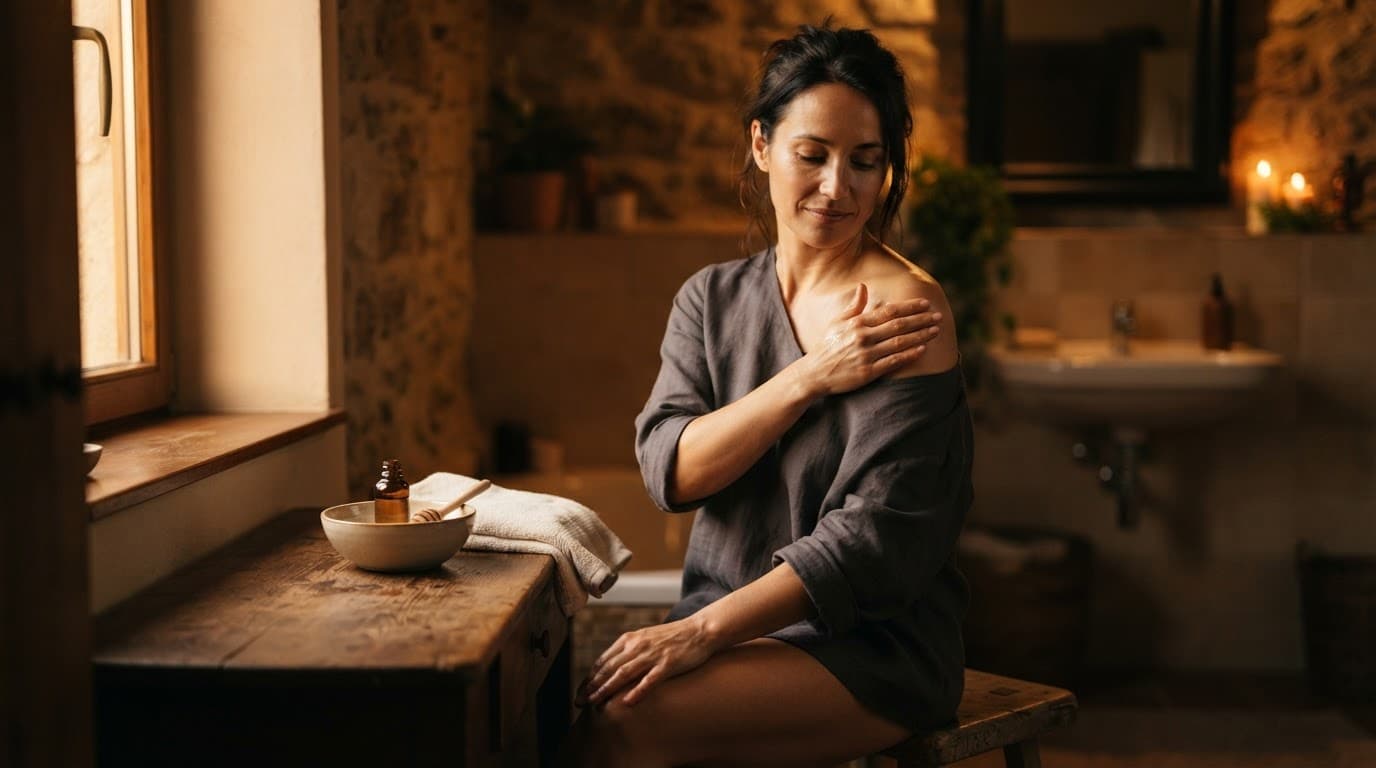
Once the temperature feels right, use only enough oil to create a light glide. Too much product makes it harder to control your movements and leaves floors, clothing, and bedding dangerously slick.
- Place a small amount of oil on your shoulder or upper arm. Use slow circular movements with the opposite hand, keeping your touch light.
- Continue with long, easy strokes over the shoulder and down the upper arm. Let your hand move steadily instead of pressing into one spot.
- Switch sides if you can do so comfortably. If reaching your back causes strain, massage the shoulders and arms only.
- For your hands, spread a thin layer of oil across the palm and backs of the fingers. Move around the palm with gentle circles, then glide toward the wrist.
- For your feet, support one foot on a towel and use relaxed strokes across the sole, heel, and top of the foot. Finish with light movements around the ankle.
Keep your breathing slow and your pressure modest. Don’t forcefully twist or pull your neck, press into the front of your throat, or massage directly over swollen, bruised, numb, or painful areas. Another person should avoid working on unfamiliar or painful body areas unless they’re trained to treat them. For tired feet after long walks, consider a professional foot massage treatment instead of asking an untrained friend to apply deep pressure.
Home Mistakes That Can Turn Comfort Into Irritation
The most common mistake is treating warm oil like cooking oil. Heating it until it feels very hot increases the risk of burns, especially on thin skin or areas with reduced sensation. Recheck the temperature before applying more oil because a container can warm unevenly.
Skipping a patch test can also cause trouble. A product may contain fragrance, botanical extracts, preservatives, or nut oils that irritate your skin. Never add undiluted essential oils to a massage blend. If you use fragrance, keep it properly diluted and stop if you develop redness, itching, burning, swelling, or a rash. Wash the area with mild soap and water, then seek medical advice if the reaction continues or worsens. DermNet’s essential oil guidance explains how these ingredients can trigger allergic contact dermatitis.
Avoid massage over cuts, sunburn, fresh wounds, rashes, infections, and actively inflamed skin. Hard pressure can create soreness and bruising, particularly when you’re trying to work on a tender area. Relaxation should remain the goal, not proving how much pressure you can tolerate.
Afterward, wipe excess oil from your skin and wash your hands before walking around. Launder oily towels promptly, clean the container, and wipe the floor with warm water and detergent. Don’t leave a bottle, puddle, or towel where someone could slip. Finally, stop the routine if you feel dizzy, nauseated, short of breath, unusually weak, or uncomfortable in any way. For personalized care in Nairobi, Maya Spa in South B can adjust the oil, warmth, positioning, and pressure during a professional session.
What to Expect From a Hot Oil Massage at Maya Spa in South B Nairobi
Maya Spa in South B is a Nairobi wellness and beauty spa focused on personalized care, relaxation, tension relief, and restorative treatments. The spa is near or opposite Limpopo Hotel, so it can suit residents, travelers, and anyone who wants a calm break from a busy day. You can introduce your preferences before treatment through Maya Spa in South B Nairobi.
The spa’s website lists massage options such as Swedish, aromatherapy, Thai, deep tissue, and hot stone massage. However, current information does not confirm a specific hot oil package, price, duration, or live appointment availability. Ask directly before you travel.
Questions to Ask Before You Book a Spa Session
A short conversation can prevent discomfort later. Before booking, ask these questions:
- Which oil ingredients will the therapist use, and does the blend contain almond, other nut oils, fragrance, or essential oils?
- Can the therapist offer an unscented or fragrance-free carrier oil?
- How will the spa warm the oil, and will the therapist test the temperature on your skin first?
- What experience does the therapist have with warm oil massage and clients with sensitive skin?
- Can you choose light, moderate, or firm pressure during the session?
- What areas will remain covered, and how does the spa handle privacy, draping, and changing?
- How long is the session, what is the current price, and what cancellation terms apply?
- Does the treatment suit your health needs, or should you obtain medical advice first?
Share important information before the appointment, not after the oil has been applied. Mention pregnancy, skin sensitivity, nut or fragrance allergies, recent surgery or cosmetic procedures, injuries, reduced sensation, diabetes, blood-clot concerns, or any medical condition that affects your comfort. Massage should not cover open wounds, active rashes, burns, unexplained swelling, or areas with severe pain. The American Institute of Alternative Medicine’s massage contraindications guidance explains why some conditions require postponement or professional advice.
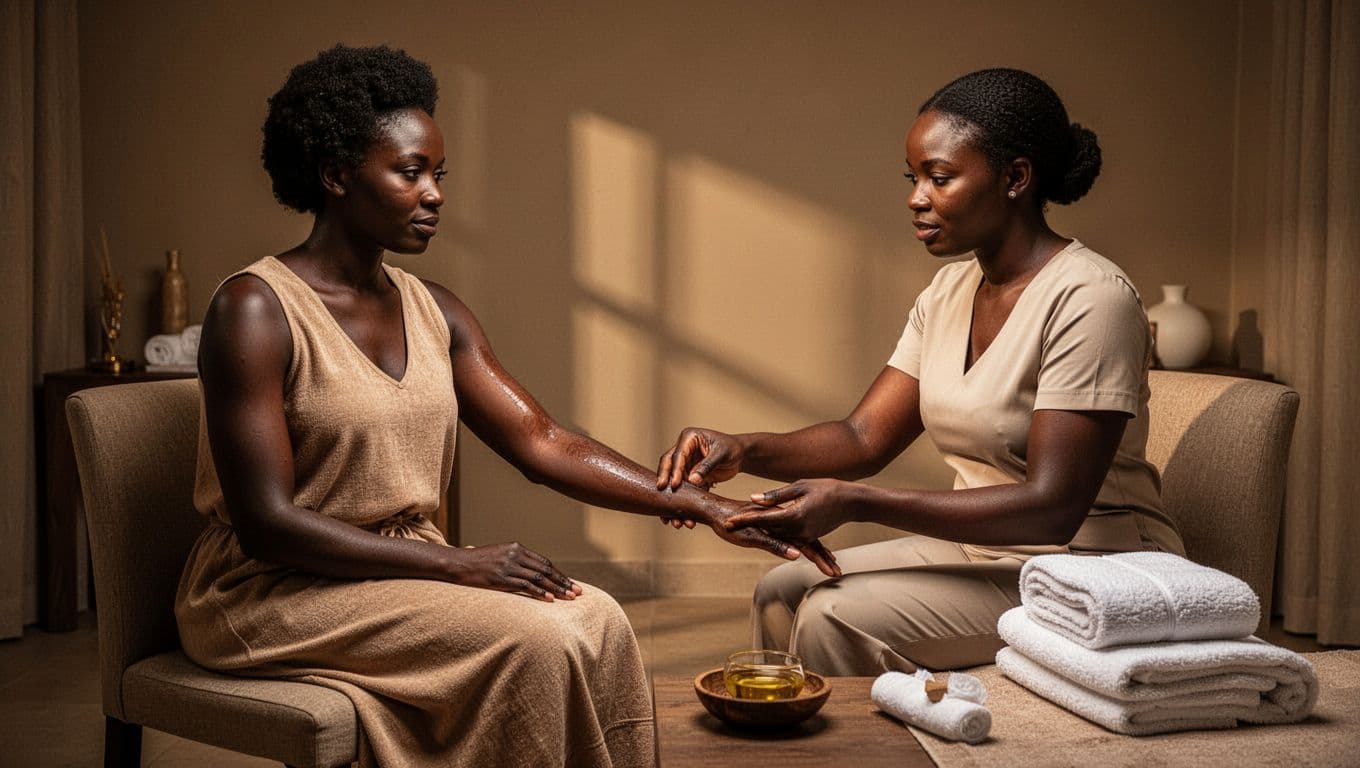
A good consultation should feel like part of the service. You can request a cooler temperature, less pressure, no fragrance, or avoidance of a sensitive area. Clear communication helps the therapist shape a more comfortable experience.
How to Prepare and Care for Your Skin Afterward
Arrive hydrated, but avoid a heavy meal immediately before your appointment. A full stomach can make lying on your front or back uncomfortable. Wear loose, comfortable clothing that won’t concern you if a little oil transfers to the fabric. If you have a tender shoulder, sensitive feet, a healing area, or another region you want avoided, point it out before the massage begins.
Afterward, sit for a moment and move slowly when you stand. Warmth and relaxation can leave you feeling slightly lightheaded if you get up too quickly. Drink water if you want it, then wipe away excess oil or shower according to your preference. Some people enjoy leaving a thin layer on their skin, while others prefer to feel clean before dressing.
Mild tiredness or sleepiness can occur after a relaxing treatment. Watch your skin over the next several hours, since irritation may appear later. Burning, severe pain, swelling, blistering, a spreading rash, dizziness, breathing trouble, or other concerning symptoms require prompt medical attention.
For directions, current availability, prices, session details, and advance booking, use Maya Spa contact details. Confirm whether hot oil massage is currently offered and ask about the oil, temperature, privacy arrangements, and safety requirements before making the trip to South B.
Frequently Asked Questions
A few practical questions often remain before booking a hot oil massage. These answers can help you decide what feels safe, comfortable, and appropriate for your body.
Is hot oil massage supposed to feel hot?
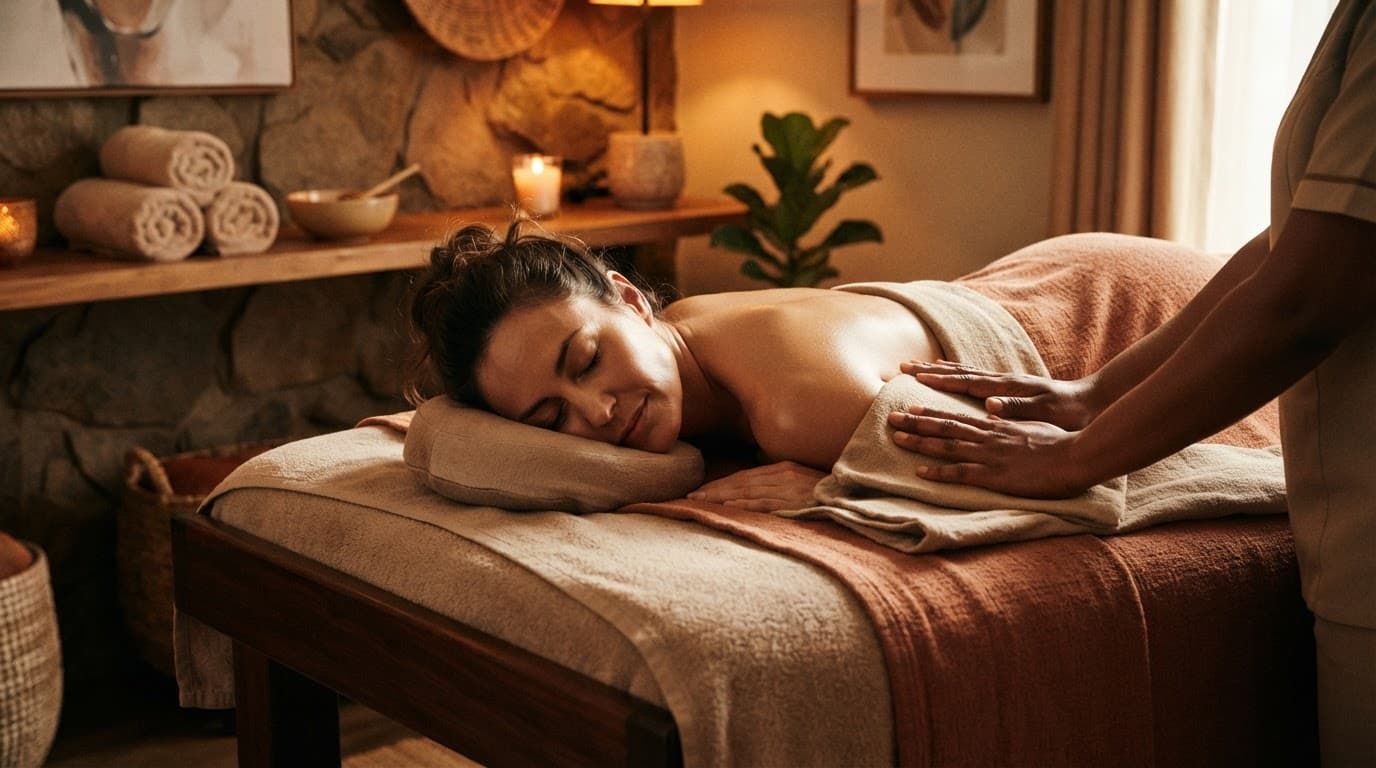
The oil should feel comfortably warm, similar to pleasant bathwater. It shouldn’t sting, burn, make you pull away, or leave your skin feeling painfully heated.
Before applying the oil widely, the therapist should test a small amount on your wrist or forearm. Speak up immediately if the temperature feels wrong. You can request cooler oil, ask the therapist to stop, or end the session if discomfort continues.
How often can someone get a hot oil massage?
There isn’t one schedule that suits everyone. Your ideal frequency depends on how your skin responds, how your muscles feel afterward, your budget, and whether you use massage for relaxation or occasional tension relief.
Some people space sessions several weeks apart, while others book them more regularly when their bodies tolerate the treatment well. Allow soreness or skin irritation to settle before scheduling another appointment. If you need frequent massage for ongoing pain, ask a qualified healthcare professional about the cause rather than relying on repeated treatments alone.
Can hot oil massage help with back pain?
A warm oil massage may temporarily ease everyday muscle tension and help your back feel more comfortable. Gentle pressure, warmth, and relaxation can be useful after sitting for long periods or completing ordinary physical activity.
However, massage doesn’t identify or cure the reason for back pain. Seek medical assessment for severe or persistent pain, pain after an injury, pain that travels down an arm or leg, numbness, weakness, or changes in bladder or bowel control. A therapist should avoid painful areas until a clinician has assessed them.
Which oil is best for sensitive skin?
There is no single best massage oil for every person with sensitive skin. Start with a simple, unscented carrier oil, and check the complete ingredient list for fragrance, nut oils, botanical extracts, and preservatives.
Ask for a small patch test before a full treatment, especially when trying a new product. If you have recurring rashes, eczema, known allergies, or unexplained reactions, speak with a clinician or dermatologist first. Maya Spa in South B can also discuss fragrance-free options and skin concerns before your appointment.
Can I use essential oils during a warm oil massage?
You can use essential oils only when they are properly diluted in a carrier oil. These extracts are highly concentrated, and applying them directly to your skin can cause burning, irritation, or an allergic reaction. The NIH clinical aromatherapy review also notes risks such as dermatitis and phototoxic reactions with some oils.
A fragrance-free treatment may be safer if you have sensitive skin, allergies, asthma triggers, migraines, or strong scent sensitivity. Tell the therapist about these concerns before any scented blend is prepared.
What should I wear to a hot oil massage?
Wear loose clothing that feels easy to remove and put back on. Oil can transfer to fabric, so choose items you don’t mind washing after the appointment.
You only need to undress to your comfort level, and a professional therapist should keep you properly draped throughout the session. Ask Maya Spa about its draping process before treatment, then request adjustments or decline any area you don’t want massaged. Your comfort and consent should guide every part of the appointment.
Conclusion
Hot oil massage brings together the simple comforts many people seek after a demanding day: calming warmth, smooth contact, temporary relief from everyday muscle tension, and skin that feels softer afterward. As the room grows quieter and each stroke moves more easily across the body, the treatment can help you pause, breathe steadily, and leave feeling warm, rested, and more connected to how your body feels.
Safety should guide the experience from the first conversation. Warm oil must never mean burning oil, and you should disclose allergies, pregnancy, health conditions, injuries, reduced sensation, and skin problems before treatment. A qualified therapist can then adjust the oil, temperature, pressure, and areas treated to suit your comfort.
If you’re in Nairobi, contact Maya Spa in South B to confirm whether hot oil massage is currently available, ask about the oils and session details, and arrange a consultation before booking. The right treatment is one that leaves you relaxed and cared for, with every part of the experience feeling safe, comfortable, and personal.