

Erotic Massage in Nairobi: Safety, Consent, and Maya Spa Guide
The phrase erotic massage can mean different things to different people. For some, it describes a sensual experience between consenting adults, while others use it to refer to relaxing bodywork with a more intimate atmosphere.
Because the term is open to interpretation, clear communication matters before any appointment. A safe, ethical experience should include informed consent, respect for personal boundaries, suitable draping, privacy, and the freedom to refuse, change, or stop a treatment at any time. It should also be clear how sensual services differ from professional wellness massage, where the focus remains on relaxation, comfort, and appropriate therapeutic care.
This guide will help you make informed choices, recognize responsible providers, and understand what a legitimate Nairobi spa such as Maya Spa offers. You can also explore Maya Spa’s massage therapy benefits when your goal is relief from tension, tired muscles, or everyday stress. First, let’s look at consent and professional boundaries.
Key Takeaways
- Erotic massage means different things to different people, so discuss expectations, boundaries, pricing, and services before booking.
- Consent must remain voluntary and ongoing. You can refuse, change, or stop any part of a session at any time, as explained in informed consent guidance.
- Choose a professional Nairobi spa that provides privacy, proper draping, respectful communication, and clear staff boundaries.
- Maya Spa focuses on relaxation-centered massage and personalized care, not unclear or pressured arrangements.
- For a wellness-focused experience, review the benefits of regular massage before scheduling.
What Does Erotic Massage Mean, and How Is It Different From Professional Massage?
The phrase erotic massage has no single meaning online. Some people use it for consensual touch with a sensual or arousing intention, while others use it loosely to describe a private, relaxing massage with a warm atmosphere. That lack of consistency makes a clear conversation essential before you book.
Professional massage therapy has a different purpose. It focuses on comfort, relaxation, muscle tension, mobility, stress relief, or general well-being. Payment also never removes your right to set, change, or withdraw consent.
Why the Same Term Can Describe Very Different Experiences
Several terms appear together in online listings, although they don’t always mean the same thing:
- Erotic massage usually refers to consensual touch intended to feel sensual or arousing. The provider should explain exactly what the service includes rather than relying on suggestive wording.
- Sensual massage often describes a softer, intimate experience, but the meaning still varies between providers. Ask what “sensual” means in that specific listing.
- Sexual massage generally refers to a service involving sexual intent or conduct. That is different from professional massage therapy and shouldn’t be presented as a standard wellness treatment.
- Therapeutic massage is designed to support physical comfort. The therapist may work on muscle tension, soreness, posture-related discomfort, or movement concerns.
- Spa massage usually centers on rest and self-care. Swedish, aromatherapy, herbal, and relaxation treatments commonly fit this category.
Online advertisements may use vague or misleading language to attract attention. A professional provider should offer a clear service menu, prices, location, hours, booking process, and contact details. If a listing avoids direct answers, pressures you to move the conversation to a private channel, or changes its promises after you ask questions, choose another provider.
Before booking, ask simple questions: What type of massage is offered? What areas are included? What draping is used? What does the quoted price cover? Can you decline or stop part of the treatment? A trustworthy answer should be calm, direct, and free from pressure.

What Professional Wellness Massage Is Designed to Do
A professional wellness massage gives your body a chance to slow down. It may calm an overstimulated nervous system, loosen tired muscles, ease everyday tension, and create protected time away from work or travel. The experience can feel restorative without having any sexual purpose.
Providers may use named treatments to help you choose the right style. Swedish massage often uses flowing pressure for relaxation, while deep tissue massage uses firmer work for selected areas of muscular tension. Thai massage may include assisted stretches, and aromatherapy massage combines bodywork with diluted essential oils.
For relaxation-focused bodywork in Nairobi, you can review Maya Spa’s aromatherapy massage and compare it with your needs. Maya Spa offers wellness and beauty treatments for people seeking relief from stress, tired muscles, and the physical strain of active travel.
The name of a treatment doesn’t guarantee that it will suit you. Tell the provider about injuries, health conditions, pressure preferences, and areas you want avoided. Good care begins with listening, not assumptions.
The Ethical Line Between Sensual Language and Sexual Services
A legitimate massage provider should describe its services and boundaries openly. The price, appointment length, location, operating hours, preparation instructions, and cancellation terms should be available before you arrive. Clear information protects both the client and the therapist.
Professional ethics place responsibility on the therapist to maintain the therapeutic boundary. Major massage organizations state that therapists must obtain informed consent, respect a client’s right to refuse or stop treatment, and prevent sexual conduct or sexualized behavior during massage. The ABMP Code of Ethics also emphasizes that consent applies to the agreed treatment, not to sexual access.
You can change your mind at any point. That remains true if you paid in advance, agreed to a service earlier, or have already started the session. Payment buys the appointment described by the provider; it doesn’t buy access to your body beyond your ongoing consent.
Leave immediately if a provider pressures you, ignores a refusal, changes the agreement without permission, makes sexual comments, or creates an unsafe setting. You don’t need to defend your decision or finish the appointment. A professional session should leave you feeling respected, informed, and in control.
Consent and Boundaries Make Any Massage Safer and More Respectful
Consent is the foundation of a safe massage appointment. It should be informed, freely given, specific, ongoing, and easy to withdraw. That standard applies whether you book a relaxation massage, a wellness treatment, or an appointment described online as an erotic massage.
Both people have boundaries. You can refuse a technique, request a change, or end the appointment. A therapist can also decline a request or stop a session if it falls outside their training, professional role, or safety rules. Ethical massage practice protects everyone involved.
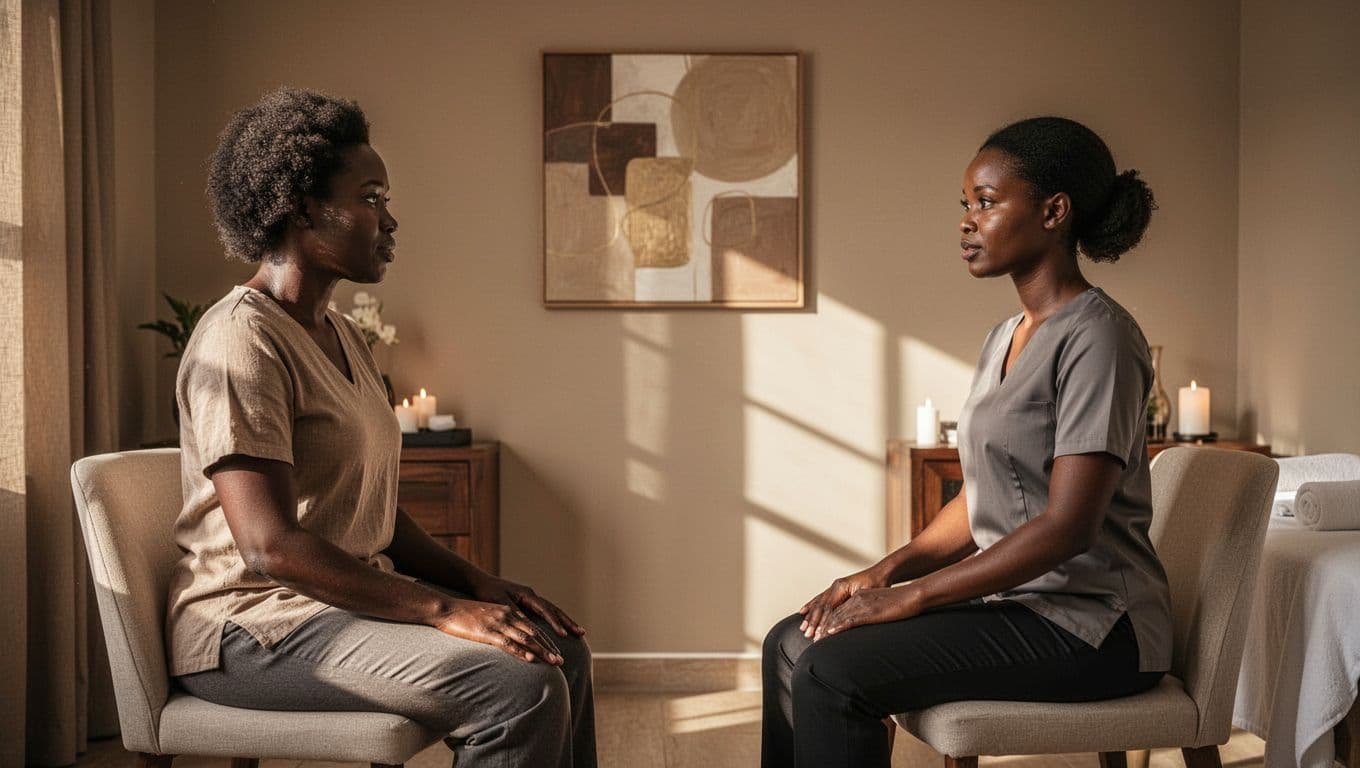
Questions to Answer Before the Appointment
Ask for clear details before you share personal information, pay a deposit, or enter a private treatment room. The provider should explain the service in plain language, without relying on suggestive terms or vague promises.
Confirm the following points:
- What is the exact name and purpose of the service?
- Which areas will the therapist massage?
- Which areas are completely off limits?
- What clothing should you remove, if any?
- How will the therapist use sheets, towels, or other draping?
- How long will the appointment last?
- What is the full price, including possible add-on charges?
- What are the cancellation, rescheduling, and deposit terms?
- Is the appointment strictly professional and wellness-focused?
- If it has a different stated purpose, what does that purpose include and exclude?
Sensitive areas need extra clarity. Professional standards commonly require detailed consent before treatment involving areas such as the upper inner thighs, chest wall, or buttocks. Genital, anal, and nipple contact falls outside ordinary professional massage boundaries. If you want a conventional wellness experience in Nairobi, review Maya Spa’s foot massage for tired legs or ask staff which relaxation treatment matches your needs.
A therapist should also explain how you will be positioned and covered. You should never feel required to undress beyond what the agreed treatment needs. If the answers sound unclear, hesitant, contradictory, or irritated, pause the booking. Uncertainty is a reason to ask more questions or choose another provider, not a reason to make assumptions.
How to Communicate Consent During the Session
Consent should be checked at the beginning and respected throughout the appointment. A quick intake conversation can cover pressure, areas to avoid, injuries, health concerns, preferred communication, and the signal you will use if you want the therapist to stop.
During the massage, you can speak at any moment. Simple phrases are enough:
- “Please use less pressure.”
- “Please avoid my lower back.”
- “Stop there.”
- “I need a different position.”
- “I don’t consent to that area.”
- “I want to end the session.”
You don’t need to give a long explanation. A professional should respond promptly, adjust the treatment, and avoid making you feel embarrassed. The NCBTMB standards of practice describe informed and voluntary consent as a requirement before massage services begin.
Consent is not implied by silence, payment, flirtation, clothing, or a previous conversation. It also doesn’t continue automatically because you agreed to the appointment earlier. You can change your mind after the massage starts, even if you have already paid or accepted part of the treatment.
The therapist’s consent matters too. A client must not pressure a provider to offer an unapproved service, remove professional safeguards, or cross the therapist’s own limits. A respectful appointment allows either person to say no.
Warning Signs of Pressure, Deception, or Boundary Violations
Pay attention when the provider’s behavior changes after you arrive. Red flags include:
- Surprise fees or demands for extra payment.
- Pressure to add services you didn’t request.
- Refusal to explain treatment areas or boundaries.
- Unwanted touching after you say no or ask the therapist to stop.
- Threats, insults, intimidation, or attempts to shame you.
- A therapist or client appearing intoxicated or unable to make clear decisions.
- Demands that you keep the arrangement secret.
- Attempts to isolate you, take your phone, block the exit, or prevent you from contacting someone.
If a boundary is crossed, use the safest response available. State “Stop the session” if you can do so safely, cover yourself, get dressed, and leave. You don’t need to confront the person, argue about payment, or prove that their behavior was wrong.
Contact a trusted person and tell them where you are. If you feel in immediate danger, move toward a public or staffed area and contact local emergency services or appropriate legal support. Your safety comes before completing the appointment, protecting a deposit, or preserving the provider’s feelings.
How to Choose a Legitimate Massage Provider in Nairobi
Choosing a massage provider in Nairobi takes more than finding an attractive listing. A legitimate business should be easy to identify, contact, and understand before you arrive. Public details, clear services, respectful communication, and a clean setting give you practical ways to judge whether an appointment feels safe.
Check the Location, Contact Details, and Booking Process
Start with the provider’s official website or verified business page. Compare the business name, physical address, phone number, email address, opening hours, and booking instructions across its pages. Small differences can happen, but major contradictions deserve caution.
A named location is easier to verify than an anonymous listing that only gives a neighborhood or sends a pin through a private chat. You should also be able to call a working number, ask ordinary questions, and receive a clear answer about availability, prices, and the treatment you want.
Maya Spa presents itself as a Nairobi wellness and beauty spa. Its public information identifies a South B location, while its contact details provide a phone number, email address, and a way to send an inquiry. Use those details as a starting point, then confirm the current hours and appointment availability directly before traveling.
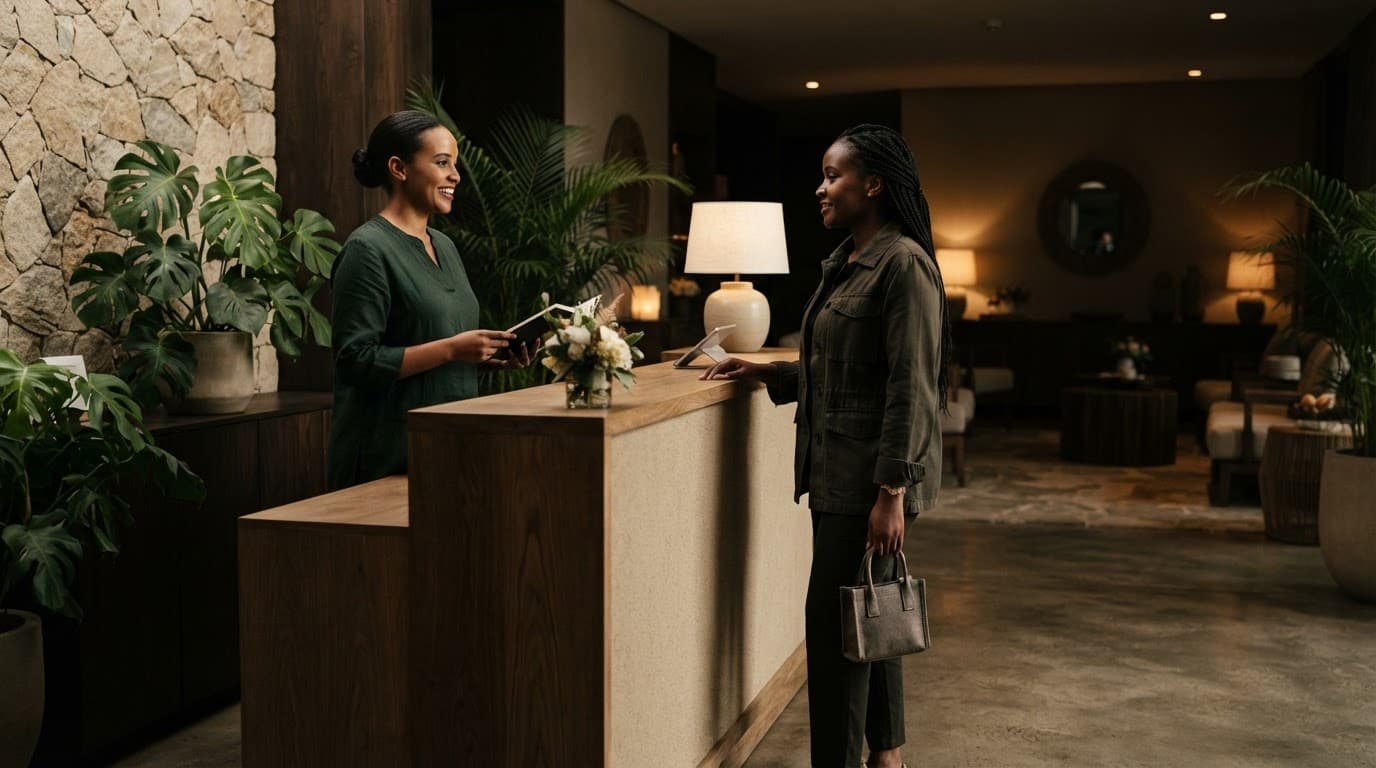
A professional booking process should tell you what happens next. You might book by phone, email, contact form, or an official scheduling system. The provider should confirm the appointment time, duration, price, location, cancellation terms, and any preparation instructions.
Be careful when someone refuses to share a business address, insists on moving every conversation to a disappearing-message app, or changes the meeting place without a clear reason. These details don’t prove misconduct by themselves, but they make verification harder.
Look for Clear Services, Prices, and Professional Language
A reliable spa usually names its treatments plainly. Look for services such as Swedish massage, aromatherapy massage, Thai massage, or deep tissue massage, along with a short explanation of each treatment’s intended wellness benefits. You should also find the session length and price, or receive them clearly before booking.
Maya Spa’s listed massage options offer an example of a spa-style service menu. Named treatments help you compare what you want with what the provider actually offers. They also give you useful language for discussing pressure, focus areas, health concerns, and boundaries.
Vague phrases such as “anything goes,” “special touch,” or “private extras” leave too much room for misunderstanding. A listing that relies only on coded language or suggestive promises may not provide the professional standards you expect. The same applies when a person avoids written details and asks you to discuss every part of the appointment in a private chat.
Before paying a deposit, ask:
- What treatment am I booking?
- How long will it last?
- What is the total price?
- Which areas will the therapist work on?
- What draping and clothing arrangements should I expect?
- Can I refuse a technique or stop the session?
Clear answers should sound ordinary and respectful. Professional massage standards also emphasize informed consent and ethical boundaries, as outlined in the NCBTMB standards of practice.
What to Check When You Arrive
Reception should feel organized, private, and professional. Notice whether staff greet you respectfully, confirm your appointment, and explain where you will receive treatment. The room should be clean, with fresh linens, suitable draping, and supplies that support good hand hygiene.
Before the massage begins, the therapist should discuss the treatment, pressure, areas to avoid, and any relevant health concerns. They should explain how you will be positioned and covered. You should never feel rushed into removing clothing or accepting an unexpected technique.
Pay attention to conduct as much as appearance. Unwanted sexual comments, pressure for extra services, surprise charges, poor hygiene, or ignored boundaries are clear reasons to leave. You can cancel before treatment starts if the space or behavior feels wrong. You don’t need to justify that decision.
Extra Safety Steps for Outcalls and Private Appointments
Outcalls and private appointments require more planning because you have less control over the setting. Share the location, provider’s name, appointment time, and expected end time with someone you trust. Keep your phone charged, arrange a check-in time, and carry only the money and personal items you need.
When appropriate, meet in a public or staffed area first. Avoid sharing sensitive details, such as your home address, financial information, or travel plans, until the provider’s identity and business details are clear. If the appointment moves somewhere different, update your trusted contact before continuing.
These precautions support personal safety, but they don’t replace choosing a transparent provider. A charged phone cannot fix unclear services, a false identity, or pressured consent. Public business details and respectful communication should come first.
What to Expect From a Professional Massage Session, From Booking to Aftercare
A professional massage session should feel clear, respectful, and unhurried. Whether you’re seeking relaxation, stress relief, or comfort for tired muscles, you should know what you’re booking, what will happen next, and how to speak up if anything feels wrong.
For a wellness-focused experience in Nairobi, Maya Spa emphasizes personalized care and restorative treatments. Its wellness-focused massage services can help you choose a treatment based on your preferences, comfort, and intended experience.
Before the Appointment: Share Goals and Health Information
Start by describing what you want from the appointment. You might need gentle relaxation after a demanding week, focused work for tense shoulders, or a calming treatment after long hours of travel. Also mention your preferred pressure and any areas you want the therapist to avoid.
Your health information matters because some conditions require a treatment to be changed, delayed, or avoided. Tell the provider about:
- Recent injuries, falls, surgeries, or unexplained pain.
- Pregnancy or recent childbirth.
- Allergies, sensitive skin, rashes, bruises, wounds, or infections.
- Medications that may affect bleeding, pain, blood pressure, or skin sensitivity.
- Ongoing health conditions, especially those affecting circulation, nerves, bones, or breathing.
You don’t need to diagnose yourself. Simply explain what you’re experiencing and ask whether the treatment is suitable. Minor skin irritation may only require avoiding one area, while fever, acute injury, severe pain, or other concerning symptoms may call for medical advice first. Guidance on massage contraindications can help explain why therapists ask these questions.
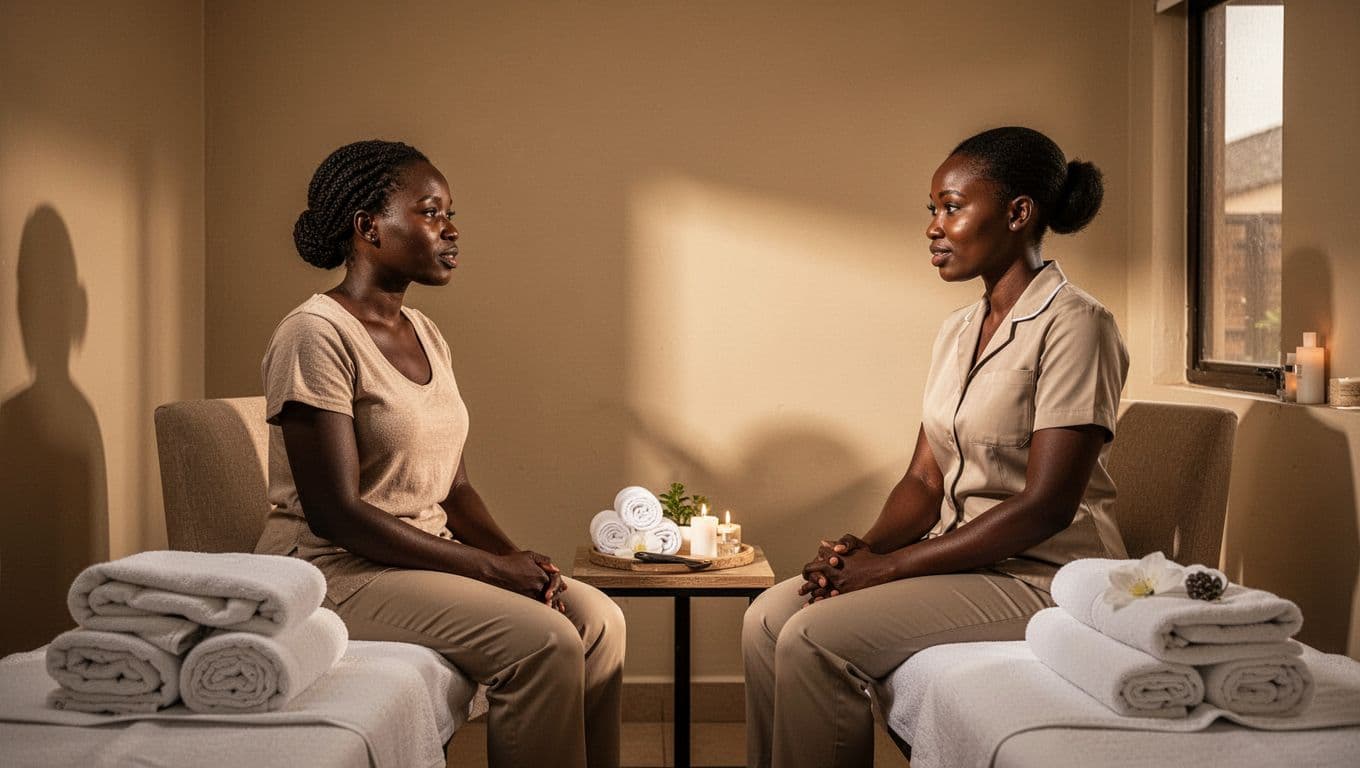
A responsible provider should answer questions about the treatment, duration, price, pressure, areas covered, and cancellation terms before you arrive. You should never feel obligated to accept extra services because you paid a deposit or entered the treatment room.
During the Treatment: Privacy, Draping, and Comfort
When you arrive, the therapist should explain the treatment and give you time to prepare privately. You should remove only the clothing needed for the agreed massage, then lie beneath clean sheets or towels. Professional draping keeps the body covered, except for the area currently being treated.
The therapist should uncover one area at a time and keep untreated areas covered. Genitals, breasts, and other private areas should remain covered during ordinary professional massage. If the arrangement feels too exposed, ask for more coverage before treatment continues.
Your comfort also includes communication. You can request lighter or firmer pressure, a different position, more warmth, less talking, or a pause. You can also end the appointment without giving a detailed reason. Consent remains active throughout the session, and professional standards recognize a client’s right to modify or stop treatment.
Silence isn’t permission. A professional therapist should check your comfort and respond when you ask for a change.
Speak clearly if pressure hurts, a technique feels unsafe, or the session moves beyond what you agreed to. Phrases such as “Please stop,” “Avoid that area,” and “I want to end the session” are enough. The therapist should respond promptly and without guilt, argument, or sexual comments.
After the Session: Hydration, Rest, and Honest Feedback
When the massage ends, move slowly as you sit up and stand. Relaxation can leave you feeling sleepy or lightheaded, especially after lying still for a while. Take a moment to regain your balance before collecting your belongings or leaving the spa.
Drink water if you want it, rest when possible, and avoid strenuous activity if your body feels tired. You may notice mild, temporary tenderness after firmer work, but unusual or worsening discomfort deserves attention. Tell the therapist what felt helpful and what you would change next time. Honest feedback helps shape a safer, more comfortable appointment.
Stop the session and seek appropriate medical help if you experience strong pain, dizziness, numbness, breathing trouble, faintness, or a severe skin reaction. Don’t treat serious or unexplained symptoms as a normal part of massage. Your therapist can provide feedback about the session, but a qualified medical professional should assess health concerns that persist or worsen.
Common Mistakes to Avoid When Searching for Sensual or Erotic Massage
Searching for an erotic massage in Nairobi requires more care than choosing the first attractive listing. Online language can blur the difference between sensual advertising, professional massage, and services that a provider never actually agreed to offer.
The safest choice starts with clear information. Look for a provider that explains its treatments, prices, location, booking process, privacy expectations, and boundaries before you arrive. If those details remain hidden, your uncertainty is useful information. Choose another option.
Do Not Assume a Vague Advertisement Explains the Service
Suggestive wording does not guarantee a specific experience. Phrases such as “special touch,” “private extras,” or “anything goes” may attract attention, but they don’t explain the treatment, boundaries, or final price. Heavily edited photos create the same problem. An appealing image can show a mood without proving who provides the service or what happens during an appointment.
Ask direct, respectful questions before sharing personal details or paying a deposit:
- What is the exact name and purpose of the massage?
- Which areas does the treatment include?
- What areas are off limits?
- What clothing and draping should I expect?
- What is the total price and appointment length?
- Can either person stop the session at any time?
A trustworthy provider should answer calmly and plainly. If the person avoids the questions, changes the agreement, becomes irritated, or promises more only after you arrive, stop the conversation. You don’t need to decode coded phrases or take a stranger’s promises on faith.
For comparison, an established wellness business usually gives you named treatments and public contact details. Maya Spa’s information about its professional treatments offers a clearer basis for choosing massage than an anonymous profile built around suggestive photographs.

Do Not Confuse Relaxation With Medical Treatment
Massage may help you relax, reduce everyday muscle tension, and feel more comfortable for a while. However, it doesn’t diagnose illness, repair every injury, or replace care from a qualified medical professional.
Persistent pain deserves attention, especially when it follows an accident or surgery. You should also seek medical advice for unexplained swelling, numbness, weakness, fever, open wounds, severe skin irritation, or symptoms that keep getting worse. Massage can be unsuitable when someone has an acute injury, contagious illness, altered awareness, or certain circulation and bleeding concerns. The New York State guidance on massage precautions provides examples of conditions that may require referral, caution, or treatment changes.
Tell the therapist what you know about your health, but don’t feel pressured to provide a diagnosis. A responsible provider can modify a wellness treatment, avoid a sensitive area, or recommend medical advice before proceeding. If someone promises to cure a serious condition through erotic or sensual massage, treat that claim as a warning sign.
Protect Privacy and Personal Information
Privacy begins before the appointment. Use an official website, verified business page, or reputable booking channel when possible. Confirm the provider’s name, location, phone number, treatment details, and cancellation terms before sending money or personal information.
Share only what the appointment requires. A therapist may need relevant health information, but an unknown advertiser doesn’t need your passport number, financial login, private travel plans, or intimate photographs. Avoid sending images that could later be copied, forwarded, or used to pressure you.
The same rule applies to other people’s information. Don’t save, repost, or circulate a provider’s private photos, phone number, or profile without permission. Consent applies to images and personal data, not only physical contact. Professional ethics also treat client identity and health information as confidential, as described in the ABMP Code of Ethics.
Hidden cameras, secret recording, or a phone placed to capture private activity are serious privacy violations. Before undressing, look around the room for anything unusual, and ask how the business handles recording and personal information. If you suspect surveillance, cover yourself, leave when it is safe, and seek help from trusted people or local authorities. You don’t need to investigate the room or confront anyone alone.
An unknown provider may offer a lower price or a more exciting promise, but anonymity removes basic safeguards. A public location, clear wellness purpose, named service menu, and respectful booking process give you far more control. Choose the arrangement that lets you ask questions, protect your information, and leave without pressure.
Frequently Asked Questions
Even after reviewing consent, provider checks, and session expectations, you may still have practical questions before booking an erotic massage in Nairobi. These answers help you decide whether a professional, relaxation-focused appointment is right for you.
Can I request a particular therapist at Maya Spa?
You can ask Maya Spa whether a preferred therapist is available when you make your reservation. Availability may depend on the day, treatment type, and appointment schedule, so advance booking gives you more opportunity to discuss your preferences.
Explain the kind of pressure, atmosphere, and wellness goal you want. The spa can then confirm whether its available treatments match your expectations, rather than leaving you to rely on vague descriptions of an erotic massage.
Should I book in advance or can I walk in?
Booking ahead is the better choice, especially if you want a specific time, therapist, or treatment. It also gives you space to confirm the price, duration, location, preparation requirements, and cancellation terms before you travel.
Maya Spa encourages advance reservations so staff can prepare for your visit and tailor the experience to your needs. A last-minute appointment may be possible, but never assume availability. Confirm directly through the spa’s personalized massage and beauty treatments information or its official contact channels.
What should I bring to a professional massage appointment?
Bring your booking confirmation, a working phone, and any information about health conditions, allergies, injuries, medications, or recent procedures. Wear clothing that feels easy to change in, and avoid arriving under the influence of alcohol or recreational drugs.
You don’t need to bring intimate photographs or unnecessary personal documents. A professional spa should ask only for information that helps staff provide safe, suitable care and manage your appointment.
Can I ask for a treatment to be changed after it begins?
Yes. You can request less pressure, a different position, more coverage, a warmer room, or a change of focus during the massage. You can also ask the therapist to pause or end the appointment without explaining your decision.
The same applies if the treatment feels different from what you booked. Speak up as soon as you notice a problem, because early communication gives the therapist a clear chance to correct it. Consent guidance in ethical massage practice treats consent as an ongoing conversation rather than a single form signed at reception.
Can I book a massage for my partner or another adult?
You may arrange an appointment for another adult, but that person should know what treatment you are booking and agree to it themselves. Don’t surprise someone with an appointment described as erotic or sensual, especially when the wording could mean different things to different providers.
If you want a shared wellness experience, ask the spa about suitable treatments, room arrangements, pricing, and therapist availability. Each client should receive an individual consent conversation and should be free to decline any technique or end their own session.
What should I do if a provider behaves inappropriately?
End the session if you can do so safely, cover yourself, get dressed, and move toward reception or another public area. You don’t need to argue about the payment, accept an apology, or stay until the scheduled end time.
Write down the business name, location, appointment time, messages, and the facts you remember. Tell someone you trust, preserve relevant records, and seek appropriate local support if you experienced unwanted touching, threats, fraud, recording, or immediate danger. If symptoms such as pain, injury, or severe distress continue, contact a qualified health professional.
Conclusion
Erotic massage can describe very different experiences, so clear expectations should come before any appointment. The strongest safeguard is a conversation about the service, price, treatment areas, draping, and boundaries. Consent must remain freely given and ongoing, while both the client and therapist should be able to pause or end the session without pressure.
People seeking relaxation, stress relief, or comfort for tired muscles can choose a transparent wellness provider with named services and verifiable contact details. Maya Spa is a Nairobi wellness and beauty spa in South B, near Limpopo Hotel, with services such as Swedish, aromatherapy, and Thai massage. You can confirm current location details, availability, and booking arrangements through the spa’s official channels, including +254759726781 or info@mayaspa.co.ke.
Before booking an erotic massage or any professional treatment, ask direct questions and pay attention to how the provider responds. Choose a setting where privacy, respectful communication, suitable draping, and personal safety are clear from the start. Ask what the service includes, confirm the boundaries, and book only when the treatment, setting, and provider all feel right.