
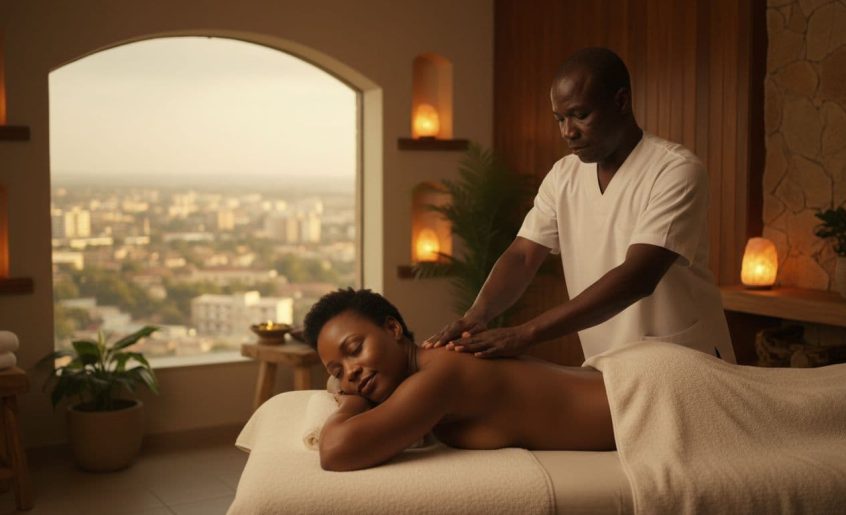
Deep Tissue Massage in Nairobi: Maya Spa Booking Guide
After a long day at your desk, a flight into Nairobi, or a demanding workout, tight shoulders, tired legs, and a stiff back can make ordinary movement uncomfortable. Deep Tissue Massage uses slow strokes and firm, focused pressure to reach deeper muscle layers and the connective tissue around them, helping address stubborn tension rather than providing only surface-level relaxation.
The experience can feel intense, especially around areas that have been overworked, but it shouldn’t feel sharp, unbearable, or leave you unable to move normally. Many people seek it for muscle tightness, sports-related soreness, stiffness, and some types of ongoing pain, although it isn’t a cure-all or a detox treatment. Before booking, you’ll want to know what the pressure feels like, what the treatment may help, who should avoid it, and how it compares with Swedish massage.
In Nairobi, a 60-minute session commonly costs about KES 3,000 to KES 6,000, depending on the provider and setting. Maya Spa can also be part of your search, but ask about current availability, pricing, therapist experience, and any health concerns before your appointment. The guide below explains how to choose a safe provider and what to expect when you book a deep tissue massage.
Key Takeaways
- Deep Tissue Massage uses firm, focused pressure to ease stubborn muscle tension, soreness, and limited movement.
- Pressure should feel intense but manageable. Tell your therapist immediately if you feel sharp pain, numbness, or dizziness.
- Avoid treatment with fever, infection, open wounds, recent surgery, acute injuries, or blood clot concerns. Ask your doctor if you have a serious medical condition.
- Maya Spa is in South B near Limpopo Hotel. Confirm the current price, session length, therapist availability, and booking details before you arrive.
- Massage is generally low-risk, but NCCIH massage safety guidance recommends discussing health concerns first.
Deep Tissue Massage: How It Works and What Makes It Different
Deep tissue massage is a focused treatment for muscles that feel tight, overworked, or difficult to loosen with ordinary relaxation techniques. A trained therapist uses slow strokes, steady pressure, compression, and careful work around deeper muscle layers and fascia, the connective tissue surrounding muscles.
The pressure should increase gradually rather than begin at its maximum. A good session includes a gentle warm-up, focused treatment, regular pressure checks, and a slower cool-down. The goal is useful relief within your tolerance, not a test of how much discomfort you can withstand.
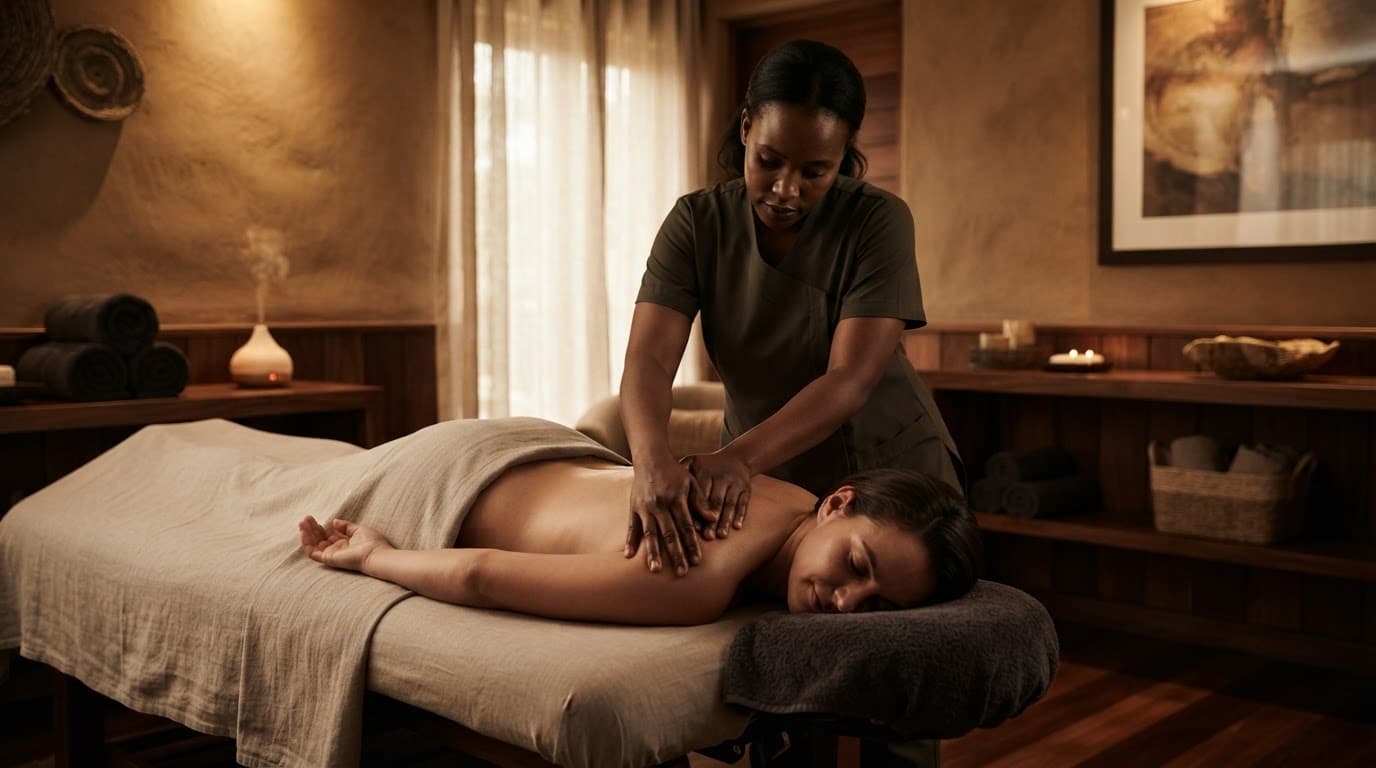
Which Muscles and Tension Patterns Can It Target?
Your therapist may work on the neck, shoulders, upper back, lower back, hips, glutes, calves, or hamstrings. However, the treatment shouldn’t apply the same pressure everywhere. Your goals, daily habits, pain pattern, and comfort level should guide the session.
Long hours at a desk often leave the neck and shoulders contracted. Repetitive computer work can also make the forearms and upper back feel tired, especially when your head stays forward and your shoulders rise toward your ears. Poor posture may place extra strain on the lower back and hips as well.
Travel creates a different pattern. Sitting through a long flight or road journey can shorten the feeling in the hip flexors, stiffen the lower back, and reduce circulation in the legs. A therapist may spend more time on the areas that feel restricted instead of treating your whole body with identical force.
Running commonly overworks the calves, hamstrings, glutes, and outer hips. Lifting can create tension across the lower back, shoulders, and upper back, particularly when training volume increases quickly or recovery is limited. Even standing for long shifts can leave the feet, calves, and hips carrying more strain than you notice at first.
Before your appointment, tell the therapist what you want to address. You might ask for focused work on your shoulders after desk work, your calves after a trek, or your lower back after travel. Maya Spa’s professional massage therapists can use that information to shape the session around your needs and preferences.
Deeper work should be targeted, not automatic. One tense area may need firm pressure, while another may respond better to slower, lighter contact.
The therapist should also ask about recent injuries, exercise, medical conditions, medication, and areas you don’t want touched. This conversation helps separate ordinary muscle tension from pain that may need medical assessment.
How Deep Should the Pressure Feel?
Deep tissue massage can create mild tenderness or a productive sense of discomfort as the therapist works through a tight area. A practical pressure range is about four to seven out of ten, where one feels almost imperceptible and ten feels unbearable. The right level still allows you to breathe normally and relax the rest of your body.
Pressure that feels sharp, burning, electric, numb, or suddenly overwhelming is different. Speak up immediately if you notice any of these sensations. You should also tell your therapist if you find yourself holding your breath, clenching your jaw, gripping the table, or bracing your entire body.
The old idea that “no pain, no gain” doesn’t belong in a massage room. Excessive pressure can make the muscles tighten defensively, which works against the therapist’s goal. It can also leave you with unnecessary soreness or, in rare cases, contribute to injury. NCCIH notes that harmful effects from massage are uncommon overall, but vigorous techniques such as deep tissue massage have been involved in some reported serious cases. Read the NCCIH massage safety guidance before booking if you have health concerns.
A simple feedback system keeps the treatment safe:
- Say “lighter” when the pressure feels too strong or your body starts resisting.
- Say “more pressure” when the therapist is working below the level that helps.
- Ask the therapist to pause when a sensation feels unusual or difficult to describe.
- Mention soreness after a previous massage so the next session can be adjusted.
Your therapist may hold steady pressure over a tight band, use slow strokes along the muscle, or apply compression near a dense area. These techniques should progress in small steps. Deeper does not mean painful, and stronger pressure does not always produce better results.
Deep Tissue Massage Versus Swedish Massage
Both styles can support relaxation and physical comfort, but they usually differ in pace, pressure, and purpose. The choice depends on whether you want broad relaxation, focused muscle work, or a blend of both.
| Feature | Swedish massage | Deep tissue massage |
|---|---|---|
| Pressure | Usually light to firm and easy to adjust | Usually firmer, slower, and more localized |
| Pace | Flowing strokes create a steady rhythm | Deliberate strokes allow time on tense areas |
| Main purpose | General relaxation and surface-level muscle comfort | Focused relief for stubborn or overworked tension |
| Common techniques | Long gliding strokes, kneading, and gentle rhythmic work | Slow strokes, compression, and targeted pressure |
| May suit | First-time clients, stressed travelers, and people seeking calm | Active clients or people with specific areas of tightness |
Swedish massage often feels like a continuous flow across the body. Deep tissue massage spends more time in selected areas, such as a shoulder that stays tight after repeated computer work or a calf that feels overloaded after running.
Neither style is automatically better. A Swedish session can include firmer work, while a deep tissue treatment can become lighter when your body needs it. Cleveland Clinic notes that focused massage techniques may reduce pain and improve range of motion, but results vary by person and condition. See its explanation of therapeutic massage benefits for a clearer view of what massage may realistically provide.
What Deep Tissue Massage Can and Cannot Do
The most realistic goals are short-term relief from muscle tension, reduced soreness in some cases, easier movement, and a greater sense of physical comfort. You may leave feeling that a restricted area moves more freely, but the effect isn’t guaranteed to last unless you also address the habit or activity causing the tension.
Deep tissue massage can support recovery after ordinary muscular strain, yet it cannot diagnose the source of pain or repair every injury. It doesn’t remove toxins, permanently correct posture, cure chronic disease, or replace care from a doctor, physical therapist, or other qualified health professional.
Persistent, unexplained, or worsening pain needs assessment before massage. Seek medical advice for pain accompanied by weakness, numbness, swelling, fever, loss of movement, or symptoms after a serious injury. You should also ask a healthcare professional before deep tissue treatment if you take blood thinners, have a bleeding disorder, recently had surgery, or may have a blood clot.
For many clients, the best result is practical rather than dramatic: a tense muscle feels less guarded, a stiff movement becomes easier, or tired legs feel more comfortable after travel. Share that goal with Maya Spa when you book so the therapist can match the pressure, pace, and treatment areas to your body.
The Benefits of Deep Tissue Massage for Tight, Tired Muscles
Deep Tissue Massage can be worth trying when your muscles feel persistently tight, heavy, or restricted after everyday strain. The most realistic benefits are short-term comfort, easier movement, and a calmer physical state. Results vary, however, based on the cause of your discomfort, the treatment area, pressure level, sleep, hydration, activity, and overall health.
Massage may help soft-tissue tension, but it doesn’t diagnose injuries or correct every source of pain. A focused session at Maya Spa can support your recovery while you continue with sensible movement, rest, and medical care when needed.
Relief From Muscle Knots and Everyday Tension
People often describe tense areas as “knots,” but the muscle hasn’t formed a literal knot that a therapist can break apart. The phrase usually refers to a tender, firm, or guarded area that feels difficult to relax. Slow, targeted pressure may help the surrounding tissue soften and make the area feel less restricted.
Desk work can leave your shoulders lifted, your neck stiff, and your upper back tired by the end of the day. Long drives may create similar discomfort around the lower back, hips, and legs. After exercise, your calves, hamstrings, glutes, or shoulders may feel dense and overworked, especially when your training load exceeds your usual routine.
A therapist may spend more time on the areas that affect your daily comfort instead of applying strong pressure everywhere. Relief can appear gradually during the session as your body stops bracing against the pressure. For some people, the change becomes clearer after they rest, drink water, and move gently later in the day.
You may notice:
- Less tenderness when you touch or move the area.
- A softer feeling in a previously guarded muscle.
- Easier shoulder, neck, hip, or back movement.
- Greater comfort after sitting, standing, or exercising.
These effects are not guaranteed, and they may last for hours, days, or longer depending on what caused the tension. If the same posture, training error, stress pattern, or lack of recovery continues, the tightness may return. Maya Spa’s massage for muscle recovery can be part of a broader routine rather than a replacement for changing the habit behind the discomfort.
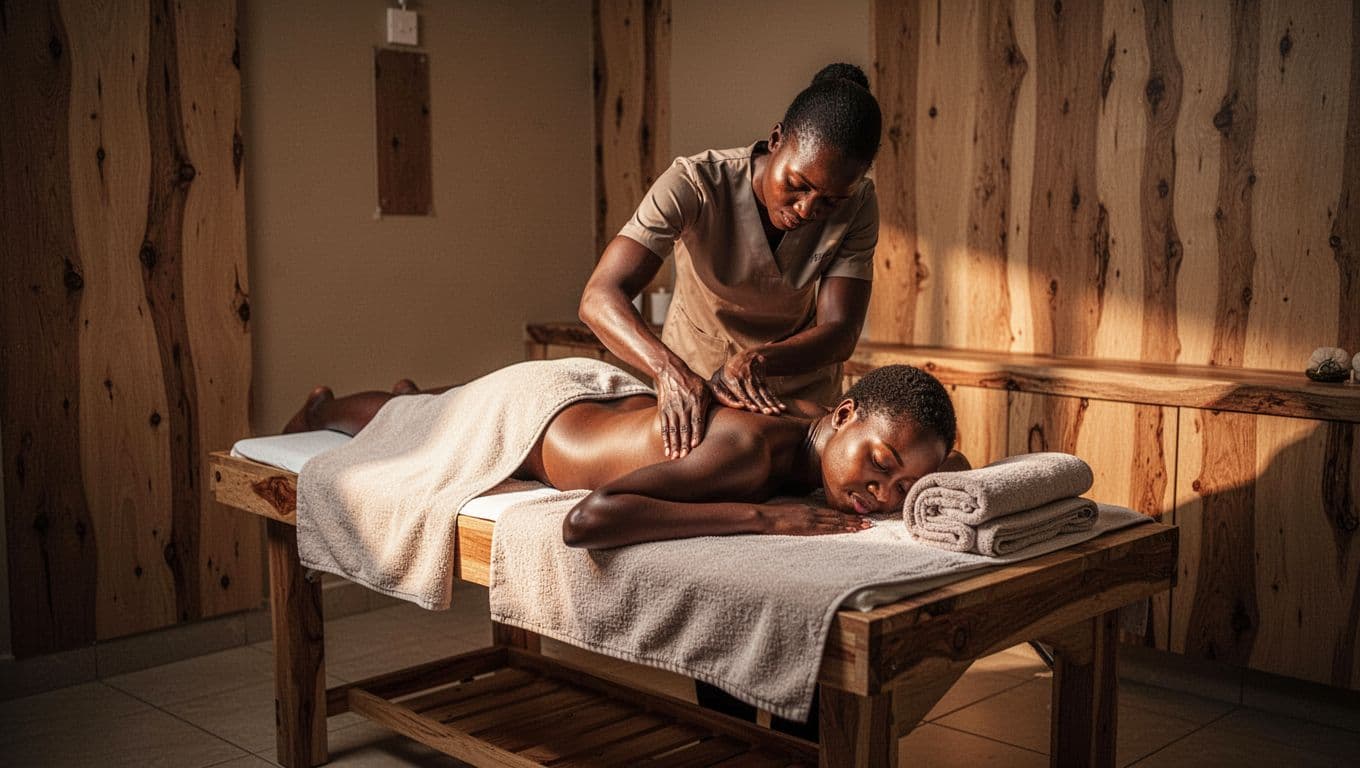
Better Mobility After Exercise or Long Hours of Sitting
When tight muscles relax, ordinary movement may feel less effortful. You might stretch more comfortably, walk with less stiffness, turn your neck farther, or raise your shoulders without the same pulling sensation. The improvement often comes from reduced discomfort and muscle guarding, not from permanently changing the structure of a joint.
Active clients may choose deep tissue work after demanding training, long hikes, or repeated sports sessions. A runner could focus on tired calves and hamstrings, while a strength-training client may prefer work around the upper back, shoulders, or hips. Trekkers visiting Nairobi may also appreciate focused attention on their feet and lower legs after uneven terrain and extended walking. Maya Spa’s foot massage for tired muscles may suit that specific recovery goal.
Office workers often need a different approach. Several hours at a computer can make the neck, chest, shoulders, forearms, and hips feel compressed. Travelers may feel stiff after a flight or road journey, but a gentle walk and light stretching can be more suitable immediately after sitting for a long period than intense pressure.
Massage supports recovery, but it doesn’t replace the basics that keep muscles functioning well. Keep using a sensible training plan, warm up before demanding exercise, build strength gradually, sleep enough, stay hydrated, and take rest days when your body needs them. If restricted movement follows an injury or keeps getting worse, a physical therapist can assess the cause and guide rehabilitation.
A 2025 review found possible benefits for athletic recovery, particularly in team and strength sports, but that evidence doesn’t mean every person will experience the same result. Read the research on deep tissue massage and muscle recovery with realistic expectations.
A Calmer Body and Lower Stress Levels
Firm massage can still feel calming when the therapist works carefully and you feel safe. Pressure that stays within your tolerance may help you stop clenching your shoulders, slow your breathing, and pay attention to sensations outside your usual rush of tasks.
The room also matters. Quiet surroundings, comfortable positioning, clear communication, and permission to request lighter pressure make it easier to relax during focused work. When physical tension eases, you may leave feeling less wound up and more comfortable in your body.
That relaxation is a welcome side effect, not a promise to treat anxiety, depression, insomnia, or another health condition. Deep tissue massage shouldn’t replace mental health care or medical treatment. If stress or sleep problems continue, speak with an appropriate healthcare professional.
When Deep Tissue Massage May Not Be the Best Choice
Deep pressure may be unsuitable for a fresh injury, severe post-exercise soreness, swelling, bruising, an inflamed area, or skin that is broken or infected. Massage soon after trauma can aggravate pain or swelling, so acute injury massage guidance recommends caution during the early stage of healing.
Light massage, rest, gentle stretching, or medical assessment may fit your situation better. You should also choose another option if firm pressure feels unpleasant or makes your body tense. Tell the therapist about medications, surgery, bleeding concerns, pregnancy, chronic illness, or any unexplained symptoms before treatment.
Use this simple guide when booking:
- Choose Swedish massage when your main goal is relaxation and broad, comfortable bodywork.
- Choose deep tissue massage when you have a clear area of ongoing muscle tension and tolerate firmer pressure.
- Choose a clinician or physical therapist when you need an injury diagnosis or have persistent, severe, or unexplained pain.
The best session begins with the right goal. Share what hurts, what movement feels limited, and what pressure you can comfortably manage so Maya Spa can help you select an appropriate treatment.
How to Choose a Safe Deep Tissue Massage in Nairobi
Choosing a safe Deep Tissue Massage starts before you enter the treatment room. Research the provider, ask direct questions, confirm the price, and share enough health information for the therapist to adapt the session. Maya Spa is one Nairobi wellness option to consider, but check its current treatment menu, availability, and booking details before you decide.
Questions to Ask Before Booking a Massage Therapist
A reputable spa should answer your questions clearly. Ask whether the therapist has formal massage training, how long they have practiced, and whether they regularly treat the body area causing discomfort. Experience with shoulders, lower backs, calves, or sports-related tension can make a real difference.
You should also confirm:
- Whether the therapist can adjust pressure during the session.
- Whether a 30-, 60-, or 90-minute appointment includes consultation and changing time.
- How the spa cleans tables, linens, towels, oils, and other equipment.
- Whether you receive a private treatment room and proper draping.
- Which areas remain covered throughout the appointment.
- The cancellation, rescheduling, late-arrival, and refund rules.
- How the therapist handles injuries, pregnancy, medication, and medical conditions.
Share any injury, recent surgery, pregnancy, skin infection, rash, blood-clotting concern, or medication that may affect treatment. Tell the therapist about blood thinners, bleeding disorders, unexplained swelling, and conditions that cause fragile bones or poor sensation. Also name every area you don’t want treated. You never need to justify that boundary.
A therapist should pause or modify the appointment when your health history raises a concern. If you have an infection, suspected blood clot, uncontrolled health condition, or recent operation, speak with a doctor before booking. The American Institute of Alternative Medicine provides a useful overview of massage contraindications, including situations that may require medical advice first.
Privacy and communication are part of safety. A clean room means little if you feel pressured to accept unwanted pressure or exposure.
Book ahead, especially when you want a specific therapist, evening appointment, or weekend slot. Busy Nairobi spas can fill quickly, and advance booking gives you time to ask questions rather than choosing in a rush.
Deep Tissue Massage Prices in Nairobi and What Changes the Cost
Nairobi prices vary widely, so treat any online figure as a guide rather than a universal rate. Recent examples commonly place a 60-minute Deep Tissue Massage around KES 3,000 to KES 7,500. Premium hotels and luxury spas may charge more.
Shorter treatments may cost roughly KES 2,600 to KES 3,500 for 30 minutes. A 90-minute appointment can reach KES 6,000 or more, particularly at an upscale hotel or a spa with premium facilities. Published examples include 60-minute treatments around KES 4,000 to KES 5,500 at some providers, while luxury venues may list KES 9,000 to KES 13,000 or more when steam access or other amenities are included.
Several details shape the final amount:
- Location affects overhead. Spas in hotels, affluent neighborhoods, or high-traffic districts often charge more.
- Therapist experience matters. A highly experienced therapist may charge a higher rate for specialized or targeted work.
- Session length changes the total. Longer appointments cost more, although the per-minute rate may differ.
- Facility quality adds value. Private rooms, showers, steam rooms, high-quality linens, and relaxation areas can raise the price.
- The booking model matters. Independent spas, hotel wellness centers, mobile agencies, and outcall services use different pricing structures.
- Add-ons may be separate. Aromatherapy, hot stones, steam access, transport, or special packages may not appear in the base price.
Before paying, confirm the current price, taxes, service charges, appointment length, and inclusions. Ask whether the quoted amount covers one treatment area or a full-body session. If you are considering Maya Spa, contact the spa directly to verify its current menu and availability instead of relying on an old listing.
How to Prepare for Your Appointment
You don’t need an elaborate routine before a massage. Drink normally during the day, but avoid arriving dehydrated or consuming excessive water immediately before the session. Eat a light meal a few hours beforehand rather than coming in very hungry or uncomfortably full.
Wear clothing that’s easy to change out of and comfortable after treatment. Arrive early enough to complete the intake conversation without cutting into your massage time. If you’ve just finished a demanding workout, allow your body to cool down first. Avoid hard training immediately before Deep Tissue Massage because already fatigued muscles may feel more sensitive.
During the intake, explain what brought you in, which movements feel restricted, and how firm you want the pressure. You can request changes at any point, including:
- Lighter or firmer pressure.
- A different position or additional support.
- Less music or a quieter room.
- A warmer or cooler room.
- Work on one area only.
- No work on a particular body part.
Modest draping should remain in place. Only the area being treated should be uncovered, while the rest of your body stays covered by a sheet or towel. If the setup feels uncomfortable, ask the therapist to adjust it before the massage continues.
What to Expect During and After the Session
The appointment should begin with a short consultation, followed by positioning and a gentle start. The therapist may use broad warming strokes first, then move into slower, more focused pressure on tense areas. They should check in regularly, especially when working near the neck, lower back, hips, or other sensitive regions.
Firm pressure can feel intense, but it should remain manageable. Sharp pain, burning, electric sensations, numbness, dizziness, or breath-holding are reasons to speak up immediately. A good therapist changes the technique instead of treating discomfort as proof that the massage is working.
Afterward, mild tenderness may occur, particularly if the therapist worked on tight or overused muscles. Rest for the remainder of the day when possible, drink fluids normally, and use gentle movement such as an easy walk. Avoid intense exercise immediately after treatment, then return to training when your body feels ready.
Judge the experience by how you feel, not by how painful it was. Useful signs include comfortable communication, appropriate draping, clean surroundings, controlled pressure, and movement that feels easier afterward. Seek medical advice if you develop severe or worsening pain, major bruising, dizziness, numbness, weakness, swelling, or a general feeling of illness.
Who Should Avoid Deep Tissue Massage or Get Medical Clearance First?
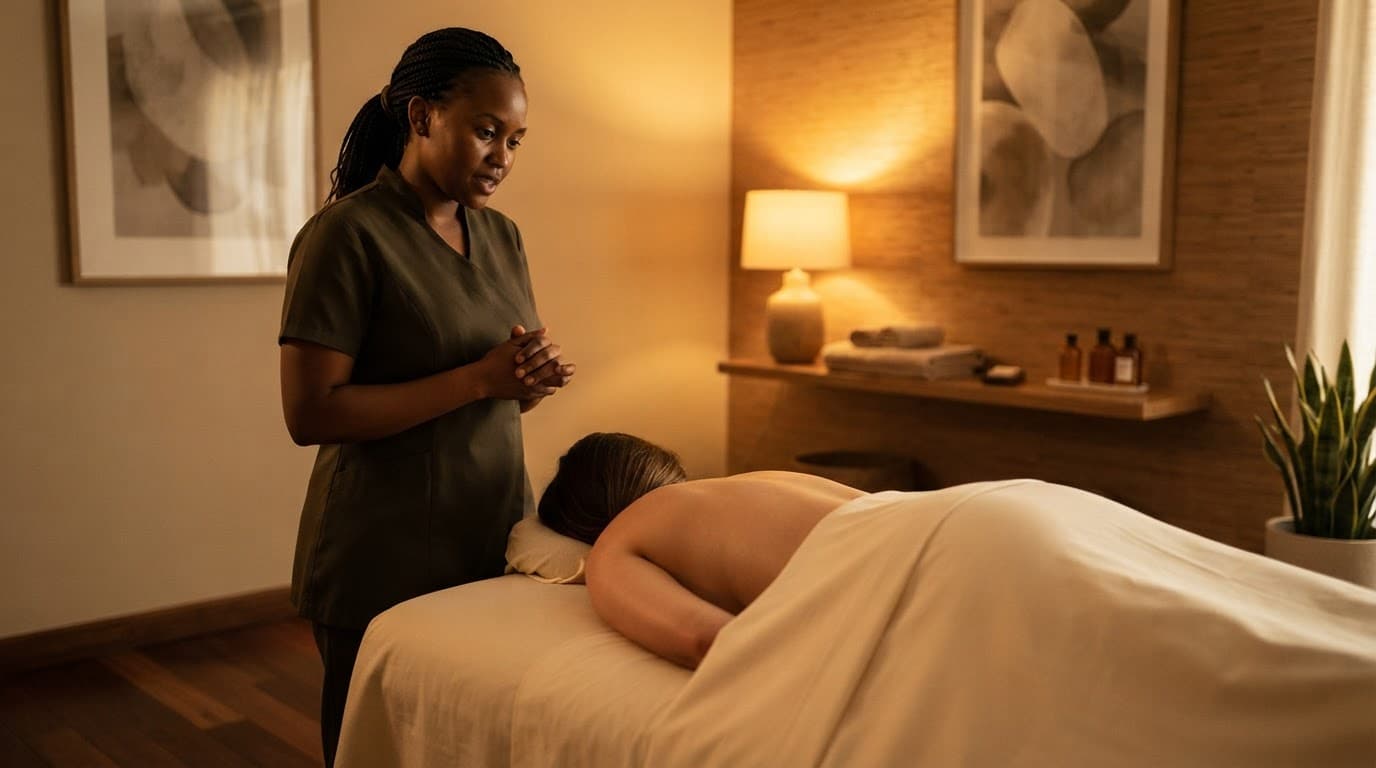
Deep Tissue Massage can be helpful for stubborn muscle tension, but firm pressure isn’t suitable for every body. Before booking at Maya Spa, consider whether your health history, current symptoms, or skin condition calls for a lighter treatment, a skipped area, or medical clearance first.
A temporary adjustment is different from a medical concern. Asking for gentler pressure, changing your position, or avoiding one sore muscle may be enough when you feel well. However, conditions such as recent surgery, suspected blood clots, uncontrolled high blood pressure, or unexplained pain need advice from a qualified clinician before massage.
Health Conditions That Need Extra Care
Tell the therapist about your health history before the session starts. If you have a medical condition, ask your clinician whether massage is appropriate, which areas should be avoided, and what pressure level is safe. Your therapist can then adapt the treatment instead of guessing.
Pregnancy deserves individual guidance, especially when the pregnancy is high-risk or includes complications. A clinician can advise whether massage is suitable and whether you should use a therapist trained in prenatal techniques. Deep pressure around the abdomen, lower back, legs, or other areas may need modification.
Recent surgery also calls for clearance. Healing tissue, incisions, scar tissue, and changes in circulation may not tolerate firm pressure. Your surgeon or treating clinician can tell you when massage may resume and whether the therapist should avoid a specific area.
Blood-thinning medication and bleeding disorders increase the risk of bruising or bleeding under pressure. This includes anticoagulant medication and conditions that affect clotting or platelet levels. Don’t stop medication to receive a massage. Ask the prescriber whether a modified treatment is safe.
Known or suspected blood clots require medical attention rather than massage. Deep pressure over a clot could create serious complications. Seek urgent medical advice for unexplained one-sided leg swelling, warmth, redness, or calf pain, especially if you also develop chest pain or shortness of breath.
Other conditions that need professional guidance include:
- Uncontrolled high blood pressure, because intense treatment may be unsuitable until your blood pressure is managed.
- Severe osteoporosis or poor bone density, because firm pressure may increase the risk of injury or fracture.
- Cancer treatment or known tumors, because your oncologist can identify areas to avoid and advise whether massage is appropriate during treatment.
- Nerve problems or neuropathy, because reduced sensation may prevent you from noticing harmful pressure.
- Unexplained pain, especially when it is severe, worsening, associated with weakness, or accompanied by swelling or a lump.
The NCCIH massage safety guidance notes that serious side effects are uncommon, but rare problems have been reported. That is why honest disclosure matters, even when you feel ready for a relaxing appointment.
Medical clearance doesn’t always mean you must avoid massage completely. Your clinician may recommend lighter pressure, a shorter session, or work only on unaffected areas.
Maya Spa’s team can adjust a session once they know your boundaries and relevant health concerns. Still, a spa therapist cannot diagnose the cause of pain or decide whether a suspected clot, tumor, nerve disorder, or surgical complication is safe to treat. For general context on potential benefits and limits, you can also review Maya Spa’s information about massage therapy benefits.
Skin Problems, Open Wounds, and Areas to Skip
A therapist should not massage directly over open cuts, burns, infected skin, or healing wounds. Pressure can irritate damaged tissue, spread infection across the skin, reopen a wound, or interfere with healing. The same caution applies to abscesses, contagious rashes, and areas with severe inflammation.
Active skin infections need medical care and should not enter a shared treatment setting until appropriate. Severe acne may also become more painful when firm strokes press across inflamed lesions. Fresh bruises are another reason to skip an area, particularly if you bruise easily or take blood thinners.
Significant swelling deserves attention before massage. Swelling may follow ordinary strain, but it can also point to infection, vascular problems, or another condition that needs assessment. A therapist should avoid pressing on unexplained swelling until a clinician identifies the cause.
Jaw wiring, recent dental or oral surgery, infection, and certain temporomandibular joint conditions require special guidance. Deep pressure around the jaw may worsen pain or disturb healing structures. Tell the therapist about jaw pain, limited opening, dental work, wiring, or any instruction from your dentist or surgeon.
Before treatment, name every area that feels tender, bruised, numb, swollen, or irritated. You can request that the therapist leave it uncovered, covered, or completely untouched. If full-body work isn’t appropriate, a therapist may offer a gentler session or focus on a healthy region instead. Guidance on when to avoid or modify treatment is also outlined in this massage contraindications guide.
Warning Signs During a Massage
Your body can change its response as pressure reaches a tight area. Mild tenderness may occur, but certain sensations require immediate feedback. Tell the therapist to pause or stop if you experience:
- Sharp, stabbing, or sudden intense pain.
- Tingling, numbness, burning, or an electric sensation.
- New weakness or difficulty moving a limb.
- Nausea, dizziness, or a feeling that you may faint.
- Shortness of breath, chest discomfort, or unusual sweating.
- Pain that increases instead of easing when the pressure continues.
A professional therapist welcomes feedback and checks your comfort during the session. They should never pressure you to continue, dismiss your symptoms, or claim that severe pain proves the massage is working. Ask for lighter pressure, a different technique, a new position, or an immediate stop.
Pain is information, not a scorecard. If symptoms continue after you leave, become severe, or include weakness, numbness, major swelling, breathing trouble, or fainting, seek medical care promptly.
How Often Should You Get Deep Tissue Massage?
There is no safe schedule that fits every reader. Your ideal frequency depends on your goals, activity level, soreness after treatment, budget, medical history, and how your body responds. Someone training several days a week may choose a different plan from someone seeking occasional relief after travel or desk work.
Start with one session and observe your response for a day or two. Notice whether movement feels easier, whether tenderness settles, and whether symptoms return quickly. Share that experience with the therapist before arranging another appointment.
Regular massage may support comfort, but long-term problems often need more than repeated sessions. Sleep, daily movement, strength training, posture changes, recovery time, and clinical care may have a greater effect on the cause of ongoing discomfort. If pain keeps returning without a clear reason, seek an assessment instead of simply increasing massage frequency.
Frequently Asked Questions
Deep Tissue Massage can feel different from one appointment to the next, depending on your muscle tension, health, pressure preference, and recovery habits. These answers cover common concerns that may remain after comparing massage styles, reviewing safety guidance, and choosing a Nairobi spa.
Is deep tissue massage supposed to hurt?
Deep tissue massage may feel intense, tender, or slightly uncomfortable when the therapist works on a tight muscle. That sensation should remain manageable, and you should still be able to breathe normally without bracing your entire body.
Sharp, burning, electric, or alarming pain is not a normal treatment goal. Tell your therapist to pause or reduce the pressure as soon as the sensation changes from tolerable pressure to pain. You can also request a slower technique, a different position, or no work on that area.
A therapist shouldn’t treat your pain tolerance as a challenge. If the pressure causes numbness, dizziness, weakness, or difficulty moving, stop the session and seek medical advice if the symptoms continue.
How long does soreness last after deep tissue massage?
Mild tenderness may last a day or two after a firm session, especially when the therapist works on muscles that have been tense or overused. However, responses vary, and some people feel little soreness while others remain sensitive for longer.
Rest when you can, drink fluids normally, and use gentle movement such as an easy walk. Avoid intense exercise until the treated area feels comfortable again. A warm shower or other familiar comfort measure may also help, provided it doesn’t worsen your symptoms.
Contact the provider if soreness concerns you. Seek medical care for severe, worsening, or unusual symptoms, including major swelling, marked bruising, weakness, numbness, or pain that prevents normal movement.
Can deep tissue massage help back pain?
It may provide short-term relief when muscle tension contributes to your back discomfort. Slow, focused work can reduce the feeling of guarded muscles and make ordinary movement more comfortable for some people.
Massage cannot identify or treat every cause of back pain. Spinal problems, nerve irritation, fractures, infections, kidney conditions, and other medical issues may require assessment and treatment that a spa massage cannot provide. The NCCIH information on low-back pain also describes the limits of current evidence.
Arrange medical assessment for sudden, severe, persistent, radiating, or unexplained pain. Get prompt care when back pain occurs with weakness, numbness, fever, loss of bladder or bowel control, or symptoms after a significant injury.
Should I choose Swedish or deep tissue massage?
Choose Swedish massage when your main goal is gentle relaxation, flowing strokes, and broad body comfort. Its rhythm often suits first-time clients, stressed travelers, or anyone who prefers lighter pressure.
Choose deep tissue work when you have a clear area of stubborn muscle tension and want slower, more focused pressure. Still, you don’t have to choose one style rigidly. Tell your therapist what you want to feel afterward, and Maya Spa can discuss whether to blend techniques or adjust the pressure during your appointment.
A simple rule helps: select Swedish massage for calm and general relaxation, or deep tissue massage for targeted muscular tightness. If firm pressure makes you tense or anxious, a gentler approach may give you a better experience.
Can I get a deep tissue massage if I am pregnant?
Speak with your prenatal care provider before booking any massage during pregnancy. Then choose a therapist trained in pregnancy massage, rather than assuming a standard Deep Tissue Massage is appropriate. Cleveland Clinic’s prenatal massage guidance explains why pregnancy massage usually requires lighter pressure and adapted positioning.
The therapist may use a side-lying position with supportive pillows. Pressure, treatment areas, session length, and timing may also change as pregnancy progresses. The abdomen should not receive massage, and deep pressure on the legs may be unsuitable when blood-clot concerns exist.
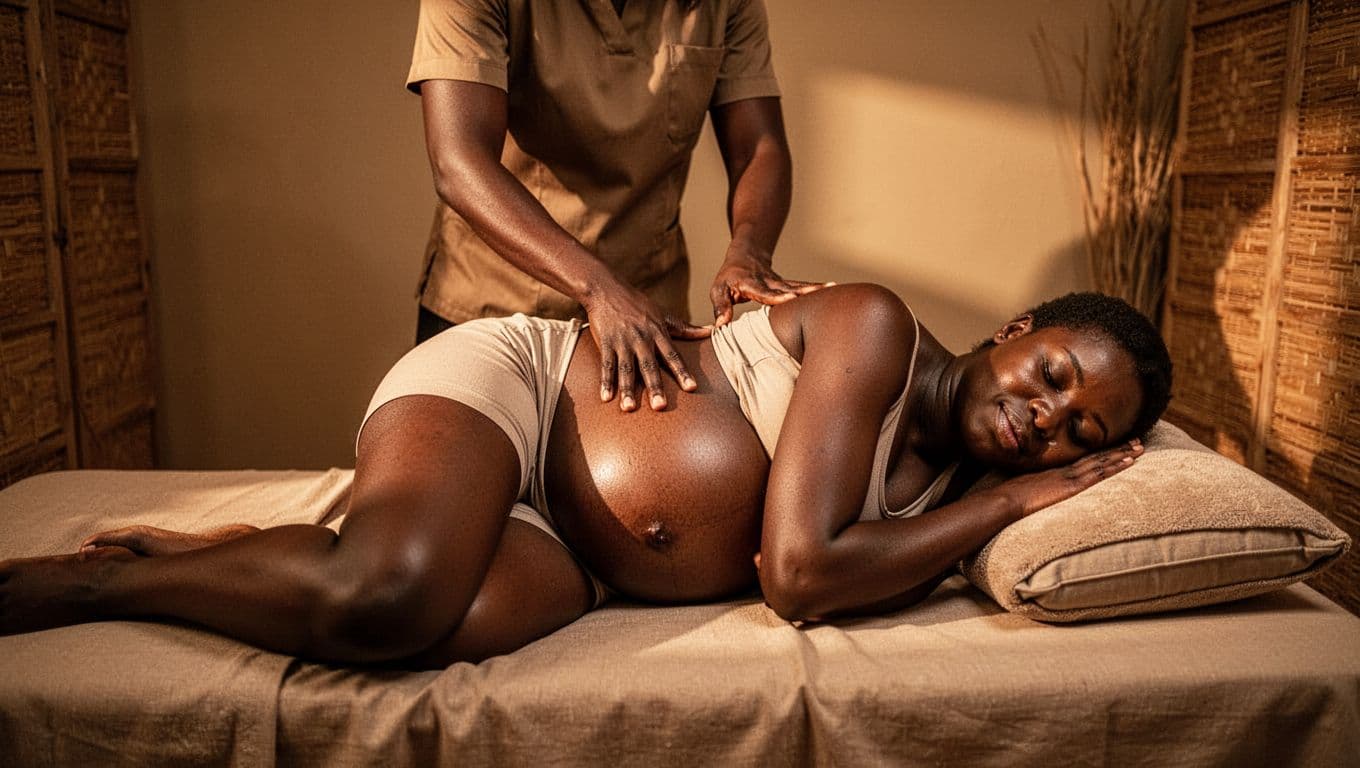
Don’t book without medical guidance if you have high blood pressure, gestational diabetes, bleeding, significant swelling, or a high-risk pregnancy. Share your provider’s instructions with Maya Spa before the appointment so the therapist can plan a suitable treatment.
What should I do if I feel worse after the massage?
Contact the spa and describe what happened, when the symptoms began, and which areas were treated. Maya Spa can provide guidance about the session, but a spa therapist cannot diagnose serious symptoms.
Seek medical care for severe pain, marked bruising, dizziness, weakness, numbness, increasing swelling, breathing problems, or chest discomfort. Intense or escalating symptoms should not be dismissed as normal post-massage soreness.
If you feel faint, develop sudden weakness, have trouble breathing, or experience chest pain, seek urgent medical help. Your safety matters more than completing a recovery routine or waiting to see whether the symptoms disappear.
Conclusion
Deep Tissue Massage can be a useful choice when desk work, travel, training, or daily strain leaves your muscles tight and overworked. Slow, focused pressure may ease tension and make movement feel more comfortable, but the strongest result comes from realistic expectations. Massage can support recovery and relaxation, yet it doesn’t replace medical assessment for persistent, severe, or unexplained pain.
Your comfort should guide every part of the appointment. Choose a skilled therapist, explain your health history and treatment goals, and speak up if the pressure feels sharp, burning, numb, or overwhelming. Medical clearance may be needed after surgery, during pregnancy, with blood-clot concerns, or when a health condition affects healing or sensation. Afterward, gentle movement, normal hydration, rest, and attention to your symptoms can help you recover comfortably.
Before booking, compare current Nairobi massage services, session lengths, prices, therapist experience, and safety practices. Maya Spa’s verified service menu can help you see whether its available treatment matches your preferred pressure, body-care goals, and schedule. A well-matched session should leave you feeling cared for and more at ease, not pressured to tolerate pain.