
Aromatherapy Massage at Maya Spa South B: Benefits and Safety
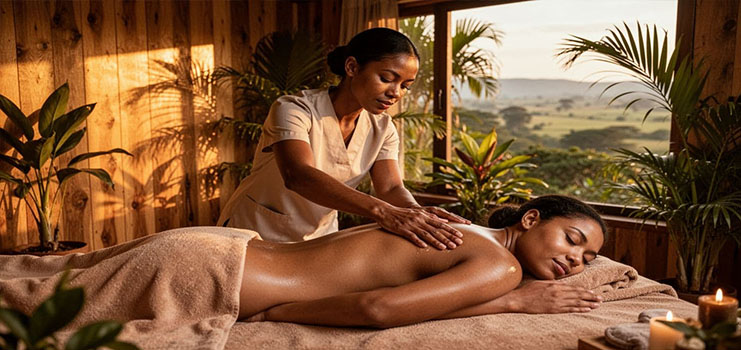
A quiet massage room, gentle hands, and the soft scent of a carefully chosen essential oil can help your body slow down after a demanding day. Aromatherapy massage combines soothing massage techniques with diluted essential oils, so many people seek it for stress relief, tired muscles, relaxation, or a more mindful spa experience.
The treatment may support short-term relaxation, ease some tension and discomfort, and improve your sense of well-being, but it isn’t a replacement for medical care. This guide explains how aromatherapy massage works, its possible benefits, essential oil safety, what to expect, and how to choose a trustworthy provider, including a professional local option such as Maya Spa in South B. First, let’s look at what happens during the treatment.
Key Takeaways
- Aromatherapy massage combines hands-on massage with diluted essential oils to support relaxation, ease muscle tension, and improve short-term well-being.
- Essential oils should never be applied undiluted. A trained therapist should use a suitable carrier oil and discuss allergies, skin sensitivity, asthma, pregnancy, and medications beforehand.
- Stop treatment if you notice burning, itching, hives, or a rash. Wash the area and seek medical advice if symptoms continue.
- Choose a professional provider, such as Maya Spa in South B, and review aromatherapy safety guidance before booking.
- Aromatherapy massage complements medical care, but it shouldn’t replace diagnosis or treatment for persistent pain or illness.
Aromatherapy Massage Explained: How Scent and Touch Work Together
Aromatherapy massage combines hands-on massage with essential oils diluted in a carrier oil and applied to the skin. The experience usually includes gentle or moderate massage movements, calming scents, and a quiet setting that helps you step away from daily demands.
The relaxing effect may come from the full experience rather than essential oils alone. Touch, rest, scent, a comfortable room, and the therapist’s skill all work together. Aromatherapy massage can support relaxation and ease everyday muscle tension, but it isn’t a cure or a substitute for medical treatment.
What Essential Oils and Carrier Oils Do in a Massage
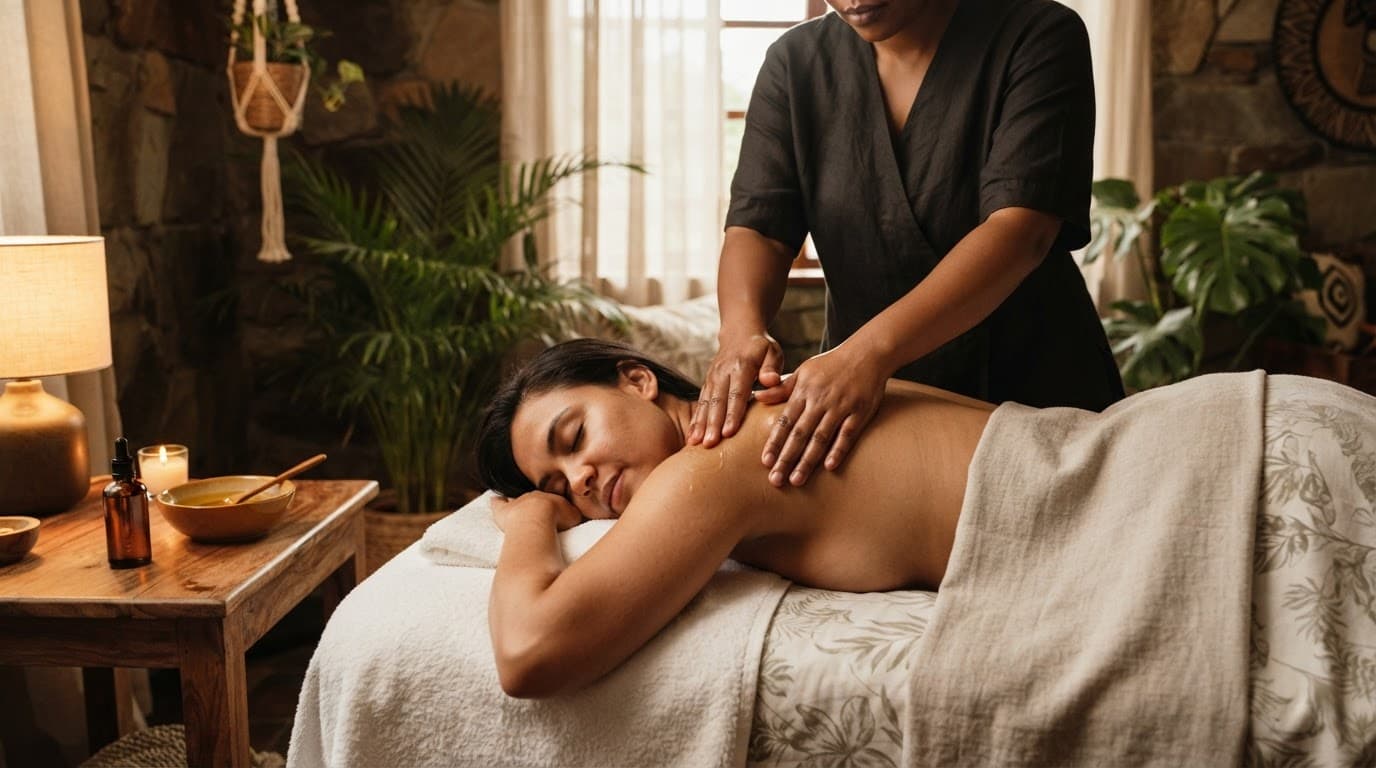
Essential oils are highly concentrated aromatic extracts made from plants. Lavender, peppermint, eucalyptus, lemon, and frankincense are familiar examples, and each has a different scent profile. The National Center for Complementary and Integrative Health explains aromatherapy as the use of essential oils through methods such as inhalation or topical application.
Because essential oils are concentrated, a therapist shouldn’t apply them directly to your skin. Instead, the therapist mixes a small amount into a carrier oil, such as coconut, jojoba, or sweet almond oil. The carrier oil dilutes the essential oil and helps the blend spread smoothly during massage. It also gives the therapist enough slip to use flowing strokes without pulling at the skin.
The best oil depends on your preferences and health history. You may enjoy the fresh scent of peppermint, while another person may prefer the softer aroma of lavender. Eucalyptus or lemon may feel too strong for someone with fragrance sensitivity. Skin conditions, allergies, asthma, pregnancy, migraines, and certain medications can also affect which products are suitable.
A professional therapist should identify every oil in the blend and explain how it will be diluted. You should know what will touch your skin before the session begins. If a product causes burning, itching, hives, coughing, or discomfort, tell the therapist immediately and stop the treatment.
Topical aromatherapy is different from inhalation-only aromatherapy. During a massage, diluted oil touches the skin while you also breathe in its aroma. Inhalation-only aromatherapy may involve a diffuser, inhaler, or scented tissue without applying oil to the body. These methods have different considerations, since topical use can cause skin reactions and inhaled fragrance may bother people with asthma, allergies, or scent sensitivity.
How Aromatherapy Massage Differs From a Regular Massage
A standard relaxation or Swedish massage focuses mainly on hands-on techniques. The therapist may use long gliding strokes, kneading, and moderate pressure to encourage physical relaxation. Aromatherapy massage can use many of the same movements, but it adds a diluted essential-oil blend and a stronger scent-based element.
That difference can change the mood of the session. A regular massage may feel neutral and body-focused, while aromatherapy massage gives you another detail to notice as you rest. Still, the massage movements do most of the hands-on work. The oils don’t replace careful pressure, communication, or good technique.
Thai massage follows a different format. Traditional Thai massage is generally performed with the client fully clothed on a mat, using assisted stretching, pressure, and movement. It usually doesn’t follow the same oil-based approach as an aromatherapy or Swedish massage.
Maya Spa in South B offers different massage options for people who want to compare styles, including aromatherapy, Swedish, and Thai massage. You can also review Maya Spa’s information on the benefits of regular massage when deciding which experience suits your needs.
Who May Enjoy This Relaxing Spa Treatment
Aromatherapy massage may suit you when your main goal is to pause, rest, and feel cared for. It can fit naturally into a busy schedule, provide a soothing break after travel, or become part of a regular self-care ritual. Active travelers and trekkers may also appreciate gentle attention for tired muscles after a full day of walking.
Keep your expectations realistic. The treatment may help you feel calmer and less tense for a while, but it shouldn’t be used to diagnose or treat an injury, chronic pain, or disease. Seek medical advice for persistent pain, swelling, weakness, or symptoms that affect normal movement.
If fragrance gives you headaches, nausea, coughing, wheezing, or skin irritation, mention it before booking. Ask whether the provider can offer a low-scent or unscented massage. A fragrance-free session may provide the same restful setting and skilled touch without adding an aroma that makes you uncomfortable.
Potential Benefits of Aromatherapy Massage, Without the Overpromises
Aromatherapy massage can offer a welcome pause when your mind feels crowded and your body feels worn down. The most realistic reasons to book are short-term relaxation, stress relief, improved mood, and the comfort of therapeutic touch. Your experience may depend on the massage technique, the setting, the scent, and how your body responds that day.
At Maya Spa in South B, you can ask for a personalized session that matches your comfort level and goals. The aromatherapy massage service may suit you if you want a gentle, calming treatment rather than a clinical procedure.
May Help You Relax After Stress or Travel
A slower pace can help you step away from a demanding Nairobi schedule. In a quiet treatment room, rhythmic massage strokes give your attention something steady to follow. Soft lighting, comfortable positioning, and a familiar scent may also help some people shift out of a busy mindset.
The effect often comes from the complete experience, not the essential oil alone. As your breathing settles and your muscles stop bracing against the day, you may feel more at ease for a while. However, relaxation is personal. One session may leave you refreshed, while another may feel only mildly calming.
Visitors can also choose aromatherapy massage after a long flight, road trip, city tour, or outdoor activity. After hours of sitting or walking, gentle hands and a peaceful room can feel restorative. If you’ve spent the day hiking or trekking, ask whether a lighter treatment or a dedicated foot massage for tired feet would better match your needs.
May Ease the Feeling of Tight, Tired Muscles
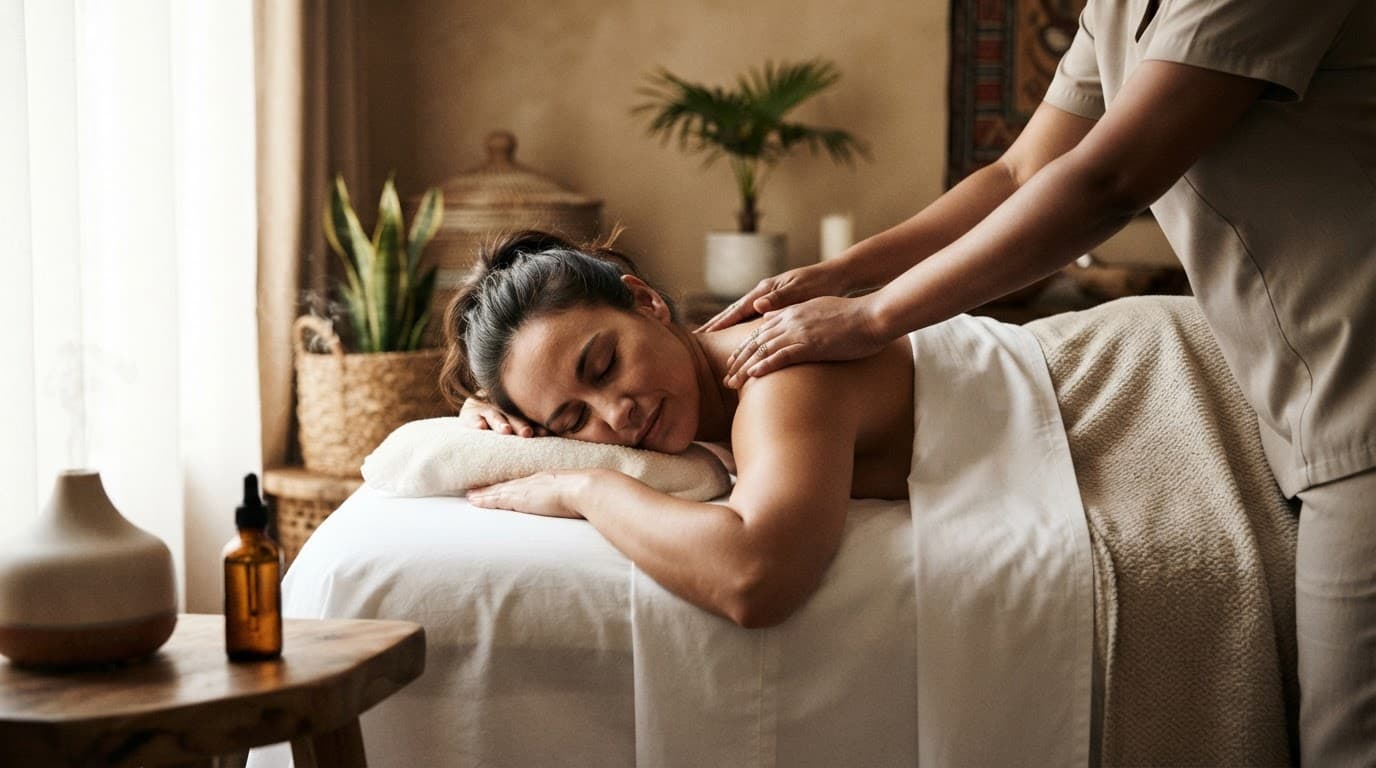
Massage may make tense muscles feel more comfortable through steady, controlled movement. A therapist may use gliding strokes to warm the area, kneading to work through surface tension, compression to create focused pressure, and light friction where appropriate.
These techniques can help your body feel less rigid after desk work, travel, exercise, or an unusually demanding day. The essential oil may add a pleasant sensory element, but the hands-on massage provides most of the physical contact. Results vary with pressure, technique, body area, and the reason your muscles feel tired.
Aromatherapy massage isn’t the same as injury rehabilitation or deep medical treatment. Don’t use it to manage severe, sudden, or persistent pain without professional advice. Contact a qualified health professional first if you have swelling, weakness, numbness, restricted movement, a suspected injury, or pain that keeps returning.
Mood, Comfort, and the Power of a Calming Ritual
Pleasant scent and caring human touch can shape the mood of an entire appointment. When a therapist explains each step, checks the pressure, and gives you space to rest, the treatment can feel reassuring as well as relaxing. That sense of care may improve your immediate comfort and leave you in a better mood.
Scent preferences are personal, though. Lavender may feel soft and calming to one person but too sweet or strong to another. Peppermint, eucalyptus, citrus, or herbal blends can also bother people who experience headaches, nausea, asthma symptoms, or fragrance sensitivity.
Choose an oil because you find it comfortable, not because marketing promises a particular result. Ask what the blend contains, request a scent sample if available, and speak up if the aroma feels unpleasant. An unscented massage may be a better choice, and it can still provide quiet time and therapeutic touch.
What the Evidence Can and Cannot Prove
Research on aromatherapy massage remains limited and mixed. Studies often use different essential oils, concentrations, massage methods, session lengths, comparison groups, and outcome measures. Small sample sizes and difficulties separating the effect of scent from the effect of massage also make results hard to compare.
Some reviews suggest a mild, short-term calming effect, but that finding doesn’t prove aromatherapy massage treats anxiety or another medical condition. Evidence for muscle comfort is often stronger for massage generally, especially after strenuous exercise, rather than for the added essential oil itself.
The National Center for Complementary and Integrative Health’s massage therapy guidance also supports keeping claims proportionate to the evidence. Aromatherapy massage can be complementary care for relaxation and well-being. It shouldn’t replace diagnosis, prescribed treatment, physical rehabilitation, or professional mental health support.
Essential Oil Safety: Dilution, Allergies, and When to Avoid Treatment
Essential oils are concentrated plant extracts, so safe aromatherapy massage depends on careful selection, dilution, and honest communication. A professional therapist should ask about your health history, explain the proposed blend, and adjust the treatment to your needs before applying anything to your skin.
At Maya Spa in South B, discuss your preferences and concerns during booking or arrival. You can request a milder scent, an unscented massage, or another treatment if aromatherapy isn’t suitable for you.
Why Proper Dilution Matters
Essential oils should never be applied neat, or undiluted, to the skin. Their concentrated compounds can cause irritation, sensitization, or chemical burns, especially when used on delicate, dry, or damaged skin. Dilution also allows the oil to spread evenly through a carrier oil, such as coconut, jojoba, or sweet almond oil, so the therapist can massage smoothly without placing concentrated drops in one spot.
Professional topical blends commonly fall between 1% and 5% essential oil, although many massage blends use the lower end of that range. Some clinical guidance describes approximately 1.5% to 3% for body massage and around 0.2% to 1.5% for facial use. These figures are useful reference points, not instructions to follow blindly.
The safest amount depends on the particular oil, the body area, your age, skin condition, and health history. A therapist may also choose a lower concentration if you have sensitive skin, fragrance intolerance, or a history of reactions. The National Center for Complementary and Integrative Health’s aromatherapy guidance confirms that topical essential oils are generally used in diluted form.
Allergies, Sensitive Skin, and Fragrance Reactions
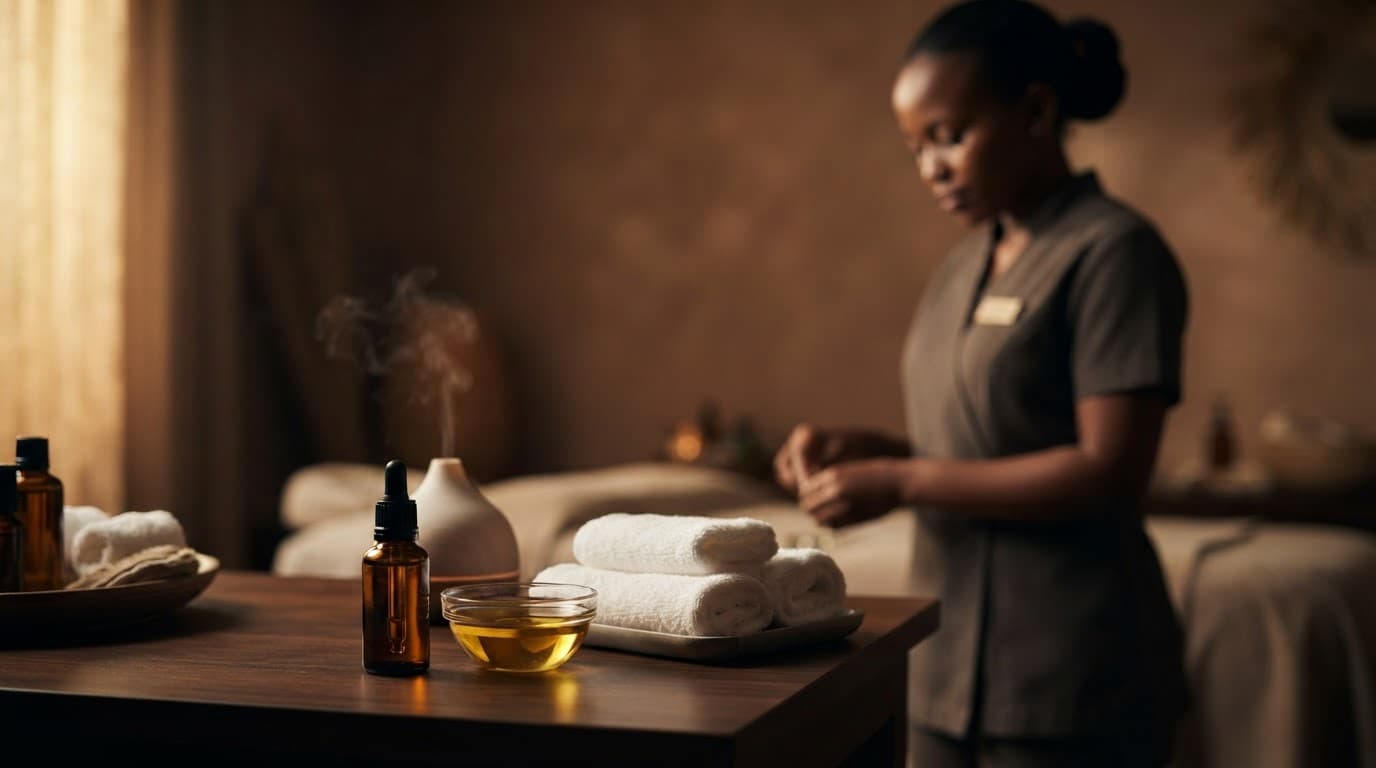
Tell your therapist about fragrance allergies, asthma, eczema, dermatitis, migraines, or any previous reaction to cosmetics, perfumes, or essential oils. Also mention whether your skin is sunburned, cracked, inflamed, infected, or recently treated with a strong product. Damaged skin has a weaker protective barrier and may react more easily.
A patch test may be appropriate when you have sensitive skin, a known allergy, or a new oil is being considered. The therapist can apply a small amount of the properly diluted blend to a discreet area and monitor it before using the product more widely. A normal patch test doesn’t guarantee that you will never react later, so remain alert during and after the appointment.
Tell the therapist immediately if you notice:
- Burning, itching, swelling, hives, or a spreading rash.
- Unusual redness, warmth, or blistering.
- Headache, nausea, dizziness, or a sudden feeling of discomfort.
- Coughing, wheezing, chest tightness, or trouble breathing.
The therapist should stop the treatment when symptoms begin and remove the product from the affected area. Breathing difficulty, facial swelling, or a severe reaction needs urgent medical attention. Research published in JAMA Dermatology also describes contact allergy as a recognized risk with some essential oils, so a natural label doesn’t automatically mean a product is harmless. See the review of essential-oil contact allergy for additional medical context.
Pregnancy, Medication, and Health Conditions That Need Extra Care
Aromatherapy massage may require changes, postponement, or medical clearance when you have a health condition or take medication. Before booking, speak with a qualified medical professional if you are pregnant or nursing, or if you have epilepsy, asthma, diabetes, high or low blood pressure, heart disease, kidney disease, liver disease, thyroid problems, or a hormone-sensitive condition.
You should also disclose glaucoma, anticoagulant use, recent surgery, chemotherapy, radiation treatment, or a serious infection. Some conditions affect how your body responds to massage, while some medications can change bleeding risk, skin sensitivity, blood pressure, or tolerance of strong fragrances.
Children and people who are intoxicated shouldn’t receive aromatherapy massage without appropriate professional guidance. Children may need different products and much lower concentrations, while intoxication can affect consent and make it harder to describe discomfort accurately.
Answer the intake questions honestly, even if a detail feels unrelated to a spa treatment. Informed consent works both ways: you should understand what the session includes, and the therapist needs enough information to choose a safer approach. Medical advice is especially important when symptoms are unexplained or your condition is not well controlled.
Sun Exposure and Other Essential Oil Mistakes to Avoid
Some expressed or cold-pressed citrus oils can increase the skin’s sensitivity to ultraviolet light. Bergamot, lime, and bitter orange are examples that may cause a phototoxic reaction after sun exposure. Ask whether the blend contains a phototoxic oil, and follow the therapist’s advice about avoiding strong sunlight or artificial UV light afterward. Some medical guidance recommends avoiding UV exposure for at least 12 hours after topical use.
Never pour undiluted essential oils directly into bathwater. Oil and water don’t mix evenly, so concentrated droplets can cling to your skin and cause irritation. Use only a properly prepared bath product, or follow guidance from a qualified professional.
Keep essential oils away from your eyes, lips, nose, and other mucous membranes. Good ventilation also matters, particularly if strong scents trigger asthma, headaches, or nausea. Finally, avoid trying a new oil or home fragrance product immediately before your appointment. If a reaction develops, it can become difficult to tell whether the spa blend or the new product caused it.
What to Expect Before, During, and After an Aromatherapy Massage
An aromatherapy massage usually follows a calm, predictable sequence. You book a suitable time, discuss your health and preferences, choose a diluted oil blend, and agree on pressure and boundaries before the massage begins. Afterward, you leave time for your body to settle instead of rushing straight into a demanding schedule.
How to Prepare for a Comfortable Appointment
Start by booking ahead, especially if you want a particular therapist, treatment length, or time of day. When arranging your visit, ask how long the appointment lasts, whether the session includes consultation time, and what payment or cancellation terms apply.
Try to arrive early enough for an unhurried intake conversation. Comfortable clothing can make the journey easier, although you’ll change privately before the massage and keep yourself properly draped during treatment. Avoid applying strong perfume or fresh essential oils before arriving. A clean scent-free starting point helps you and the therapist identify fragrance sensitivity more clearly.
Before any blend touches your skin, tell the spa about:
- Allergies, asthma, epilepsy, migraines, or fragrance sensitivity.
- Prescription and over-the-counter medications.
- Pregnancy, recent surgery, or ongoing medical treatment.
- Eczema, dermatitis, sunburn, wounds, infections, or other skin problems.
- Unexplained pain, swelling, numbness, or an injury.
A professional therapist should ask these questions rather than relying on guesswork. You can also request a patch test if you’re trying a new oil or have reacted to cosmetics before.
Use the intake to shape the appointment around your comfort. Tell the therapist whether you prefer light, moderate, or firmer pressure. You can also discuss scent strength, music volume, room temperature, and areas you don’t want touched. These details are part of informed consent, not unreasonable demands.
What Happens During the Massage
The appointment normally begins with a short consultation. The therapist reviews your goals, health information, and preferred pressure, then explains the proposed oil blend. Ask for the ingredient names and dilution percentage before agreeing to topical application. If the scent feels overpowering, you can choose a milder blend or an unscented massage.
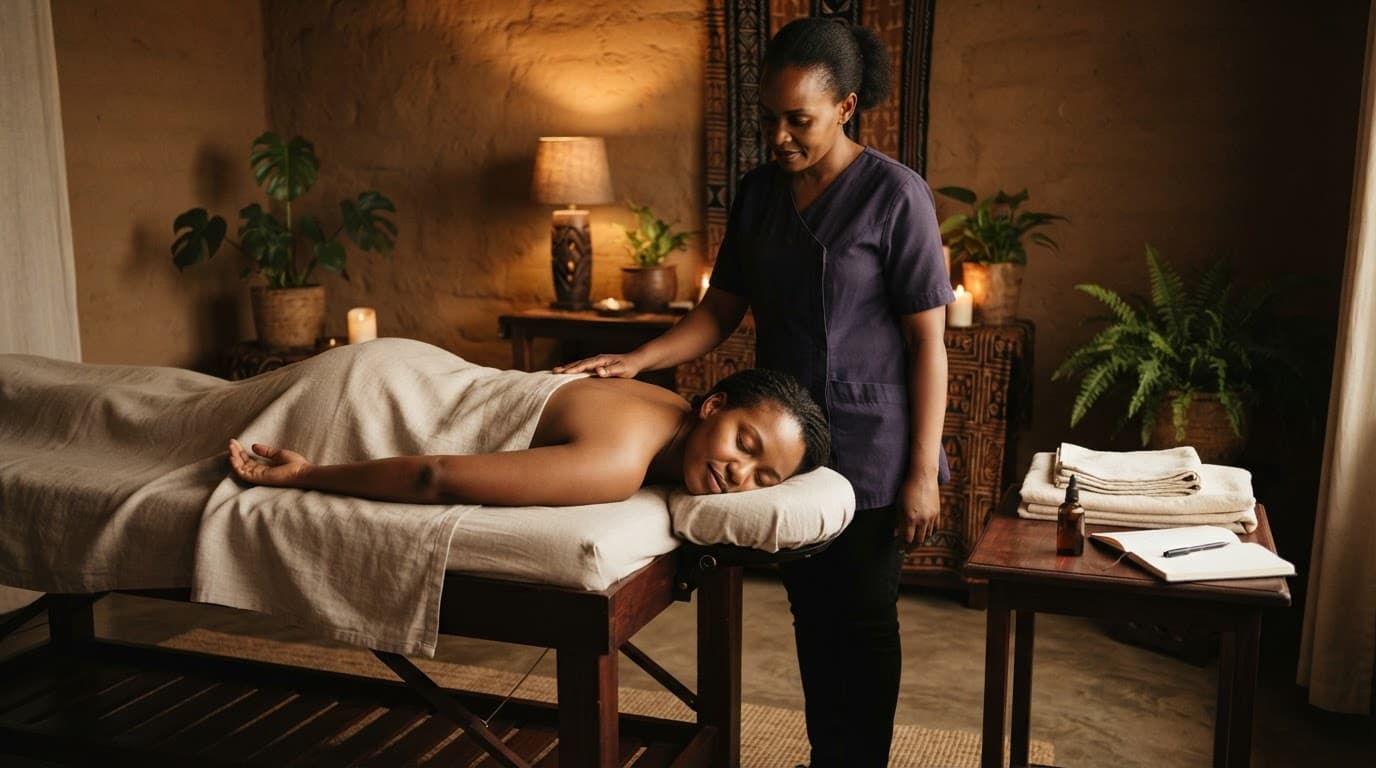
Next, the therapist explains how you’ll change and position yourself. You undress only as far as necessary in private, then lie beneath clean sheets or towels. Draping keeps your body covered while exposing only the area being treated. Your chest, breasts, genitals, and other private areas should remain covered unless a separate, clearly explained service says otherwise.
During the massage, the therapist may use a Swedish-style approach with light or moderate pressure. Long gliding strokes, called effleurage, often warm the muscles and spread the oil. Kneading, known as petrissage, works through areas of ordinary tightness, while compression and gentle friction provide more focused contact.
The therapist should wash their hands, use clean linens, and keep the room well ventilated. Good ventilation matters when fragrance causes headaches, nausea, coughing, or breathing discomfort. Essential oils should also stay away from broken, irritated, infected, or recently damaged skin.
You remain in control throughout the session. Ask for a pressure change, a different scent, more coverage, less coverage, a room-temperature adjustment, or a pause at any time. If you feel burning, itching, dizziness, chest tightness, or emotional discomfort, speak immediately. Consent continues throughout the appointment.
Simple Aftercare and Signs to Take Seriously
Keep the rest of your day easy when possible. Gentle activity may feel more comfortable than an intense workout or tightly packed schedule immediately after massage. Drink water according to your normal needs, but don’t believe claims that extra water flushes supposed toxins from your body.
Pay attention to how your skin and breathing feel once you leave. If the therapist advises you to wash off the blend, follow that instruction with mild soap and water. Some citrus oils can make skin more sensitive to ultraviolet light, so avoid direct sun exposure when a potentially phototoxic oil has been used. Guidance from the University of Minnesota’s essential-oil safety resource also highlights the need for care with citrus oils and sunlight.
A mild scent or temporary skin warmth may fade quickly, but persistent symptoms need attention. Seek medical help for a lasting rash, swelling, breathing difficulty, severe dizziness, or an ongoing headache. Facial swelling or trouble breathing requires urgent care.
Questions to Ask a Nairobi Spa Before You Book
A short call can prevent surprises later. At Maya Spa, you can ask about the relaxation-focused setting in South B and confirm the exact service details before making arrangements.
Use this checklist when speaking with the spa:
- Ask whether the therapist has training in massage technique, aromatherapy safety, and client consultation.
- Request the full names of the oils and carrier oil used in the blend.
- Ask what dilution percentage they use and whether a patch test is available.
- Confirm how the spa cleans the room, changes linens, and sanitizes hands and equipment.
- Check whether the treatment room has enough ventilation for your scent sensitivity or asthma.
- Ask how privacy, draping, and areas you don’t want touched are handled.
- Confirm the session length, total price, accepted payment methods, and whether you’ll receive a receipt.
- Review cancellation terms, late-arrival rules, and whether advance booking is required.
- Ask about accessibility, changing arrangements, parking, and assistance if you have limited mobility.
Maya Spa lists its location at Limpopo Hotel on Kedong Road in South B, Nairobi. You can check the Maya Spa homepage before contacting the spa, then confirm current availability, opening hours, treatment duration, and prices directly.
South B traffic can affect even a short journey, so plan extra travel time and save reliable contact details before leaving. Ask for clear directions if the hotel or nearby road is easier to recognize than the street address. A quick confirmation also helps verify payment instructions and whether the service you want is available that day.
A well-run appointment should feel personal from the first message to the final aftercare advice. If the spa cannot explain its oils, hygiene practices, privacy standards, or response to discomfort, choose a provider that answers clearly.
How to Choose the Right Aromatherapy Massage and Provider
The best aromatherapy massage is not always the strongest, most expensive, or most heavily scented option. Choose your session according to how you want to feel afterward, then select a provider who listens, explains the treatment, and respects your limits.
Before booking at Maya Spa in South B, decide whether you want gentle relaxation, moderate muscle comfort, or a quiet self-care experience. Your answer will help the therapist choose the right pressure, oil blend, and massage format.
Match the Massage Style to Your Goal
A gentle Swedish-style aromatherapy massage may suit you if you want to relax, settle after travel, or release everyday tension. The therapist usually uses flowing strokes, light kneading, and a calm rhythm. Light pressure can feel soothing when your body feels tired, sensitive, or overstimulated.
Medium pressure may work better when your shoulders, back, or legs feel generally tight. It creates more noticeable contact without turning the appointment into a test of endurance. Tell the therapist whether you want to feel sleepy, refreshed, loose, or simply less tense.
A focused muscle massage may suit you when one or two areas need extra attention. However, deep pressure is not automatically better. Excessive force can leave you sore, aggravate an existing problem, or make it harder for your muscles to relax. Firmer work should feel controlled and tolerable, never sharp, bruising, or alarming.
Aromatherapy massage usually depends on diluted oils and direct skin contact. Thai massage follows a different format. You generally remain clothed on a mat while the therapist uses pressure, movement, and assisted stretching. That option may appeal to you if you prefer mobility work, stretching, or less oil on your skin.
Rather than requesting only a technique by name, describe the result you want. You might say, “I want gentle relaxation with light pressure,” or, “My calves feel tired, but I don’t want intense work.” Clear language gives the therapist useful information and leaves room to adapt.
Signs of a Professional, Client-Centered Spa
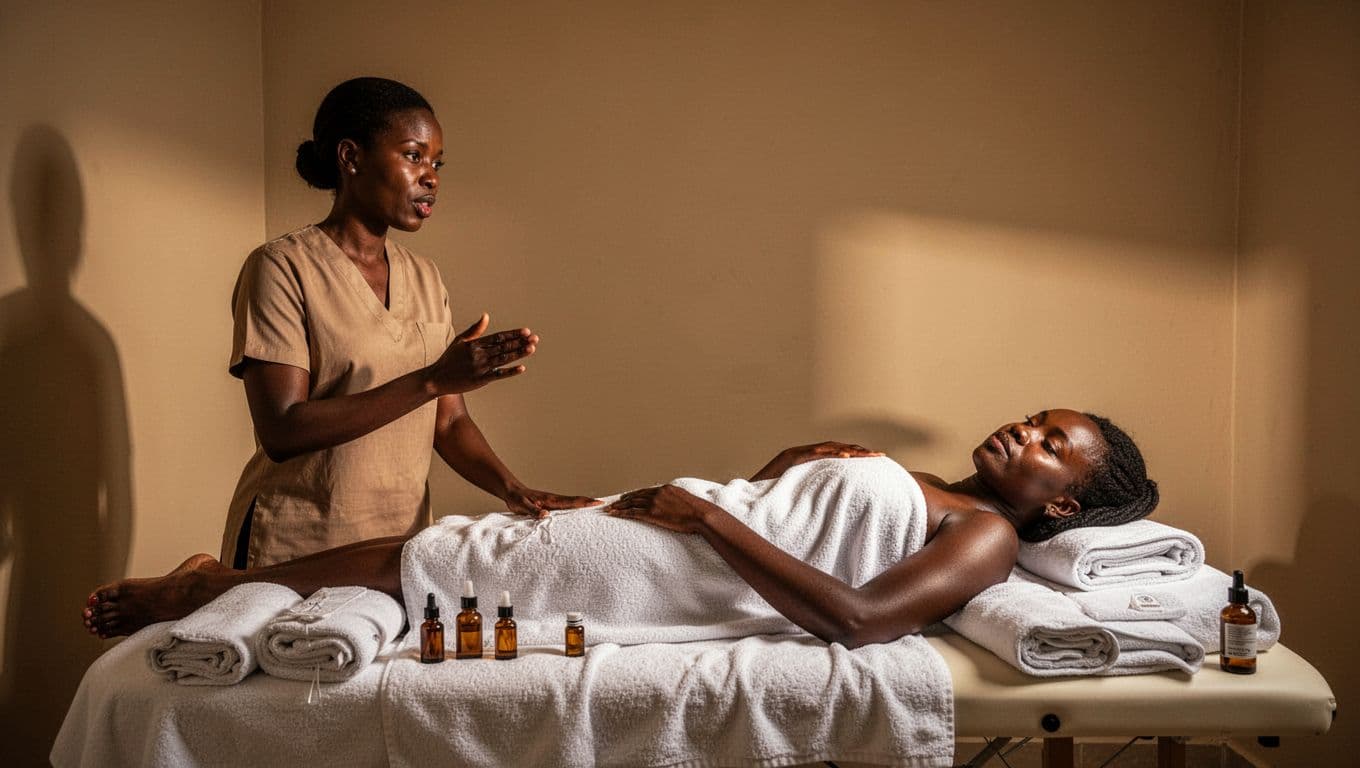
A trustworthy provider begins with a proper consultation, not an immediate application of oil. The therapist should ask about allergies, asthma, pregnancy, medications, injuries, skin conditions, fragrance sensitivity, and your preferred pressure. They should also explain the treatment, expected sensations, possible risks, and available alternatives.
Look for these practical trust signals:
- Staff can identify the essential oils, carrier oil, and approximate dilution used.
- The room is clean, well ventilated, and prepared with fresh linens and towels.
- Pricing, treatment length, payment terms, and cancellation rules are clear before service.
- The therapist explains draping and keeps private areas covered.
- You can refuse a scent, change pressure, pause the session, or stop without being pressured.
- Staff adapt the treatment when your comfort, health information, or preferences require it.
A provider should never promise to cure serious illness, repair an injury, or replace medical care. Product knowledge matters because essential oils can cause skin irritation, allergic reactions, and photosensitivity. A clinical aromatherapy review also describes risks such as dermatitis and phototoxic reactions.
Ask questions about products before they touch your skin. Maya Spa’s information on Ayurvedic wellness products may help you understand the types of products associated with its wellness services, but confirm the exact blend and dilution during booking or consultation.
Good service includes listening and adjustment. If the therapist dismisses your concerns, rushes consent, hides ingredients, or insists that discomfort proves the massage is working, choose another provider.
When a Fragrance-Free or Different Treatment May Be Better
A standard massage with an unscented carrier oil may be the better choice if you have allergies, migraines, asthma, or strong fragrance sensitivity. You can still enjoy skilled touch, a peaceful room, and time away from daily pressure without adding an aroma that causes discomfort.
Ask whether the spa can avoid diffusers, perfumes, and scented lotions as well as essential oils applied to your skin. A low-scent or fragrance-free appointment is a thoughtful choice, not a failure to enjoy aromatherapy.
Speak with a healthcare professional before massage if you have acute pain, a recent injury, an infection, open wounds, unexplained symptoms, or a complex medical history. Medical advice is also sensible during pregnancy, after surgery, or while receiving treatment for a serious condition.
A different treatment may fit your needs more closely. Choose Thai massage if assisted stretching and movement appeal to you. Select a regular massage if you want hands-on relaxation without essential oils. When you match the service to your body and comfort, the appointment becomes more restorative and easier to enjoy.
Frequently Asked Questions
Aromatherapy massage can feel simple, but small details affect comfort, safety, and the overall quality of your appointment. These answers cover practical questions you may still have before booking a session in South B.
Is Aromatherapy Massage the Same as Essential Oil Massage?
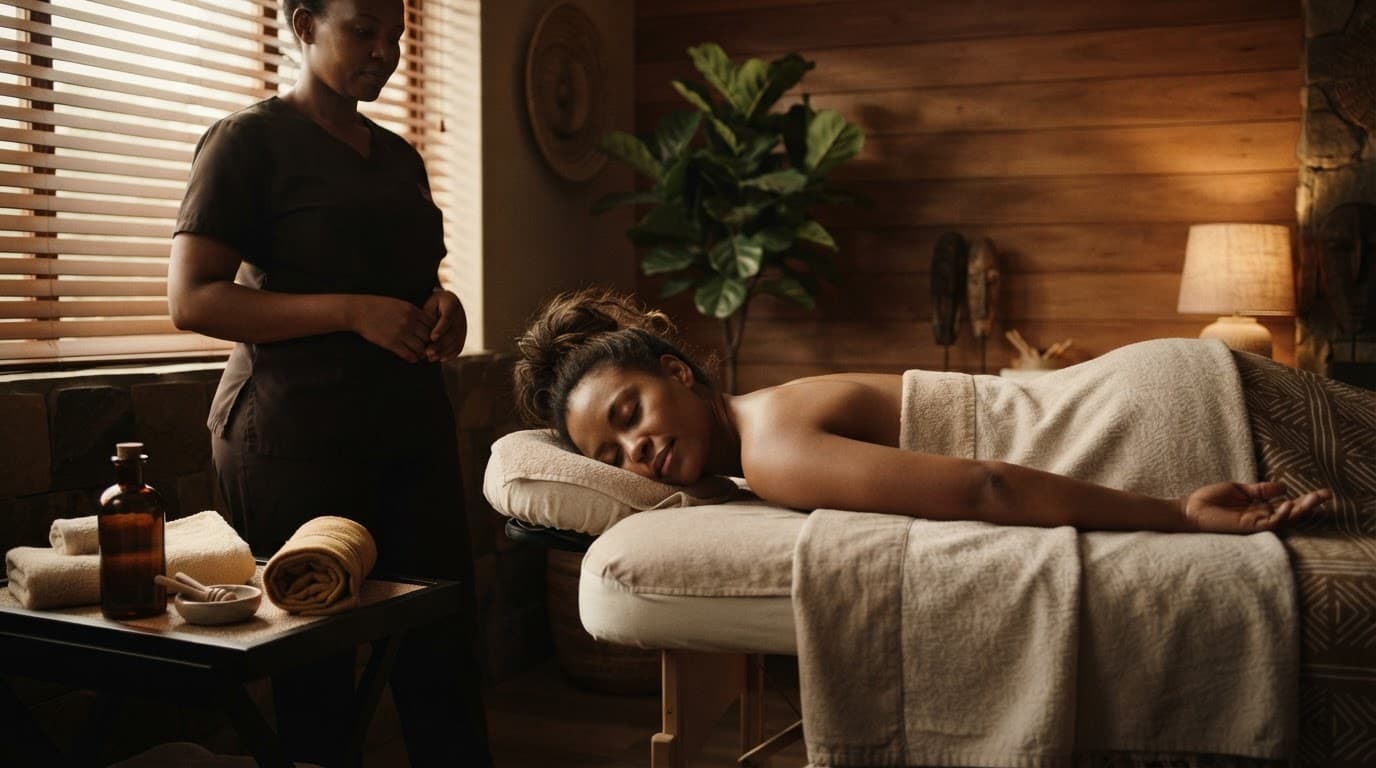
The terms are often used in similar ways. In practice, a proper aromatherapy massage combines hands-on massage with essential oils diluted in a carrier oil, such as jojoba, coconut, or sweet almond oil.
The treatment may include gentle Swedish-style strokes, kneading, or another massage technique. The oil adds scent and allows the therapist’s hands to move smoothly over the skin. However, the name alone doesn’t tell you which oils, massage methods, or dilution levels a provider uses.
Before your appointment, ask for the names of the essential oils and carrier oil. Confirm that the blend is diluted before application, since safety guidance recommends avoiding neat, or undiluted, essential oils on the skin. The essential oil safety basics also emphasize careful dilution to reduce the risk of irritation.
How Long Does an Aromatherapy Massage Usually Last?
Appointment lengths vary by spa, but common choices include 30, 60, or 90 minutes. A shorter session may focus on one area, while a longer appointment gives the therapist more time to work across the body at a relaxed pace.
Ask whether the advertised time covers the full appointment or only hands-on massage. Consultation, choosing an oil, changing clothes, positioning, and aftercare may take part of your visit. You don’t want to spend most of a one-hour booking completing intake and changing.
If you want to unwind rather than hurry, book enough time for the complete experience. Arriving early also gives you space to discuss pressure, scent strength, health concerns, and areas you want the therapist to avoid.
Can I Choose the Essential Oil Scent?
Many spas offer a selection of individual oils or prepared blends. You may prefer a soft floral scent, a fresh herbal aroma, or no fragrance at all. Your choice should depend on comfort, allergies, scent sensitivity, and relevant health precautions, not simply on the oil’s advertised benefit.
Ask whether you can smell a blend before it touches your skin. You can request a weaker scent, a different combination, or an unscented massage if the aroma feels too strong. If fragrances trigger headaches, nausea, coughing, or asthma symptoms, tell the therapist before the session begins.
A pleasant scent can support a relaxing mood, but an uncomfortable one can distract you throughout the appointment. Your therapist should respect your preference without pressure.
Can I Have Aromatherapy Massage if I Have Sensitive Skin?
Sensitive skin doesn’t always rule out massage, but you should explain your skin history before any oil is applied. Mention eczema, dermatitis, previous reactions to cosmetics, fragrance allergies, sunburn, rashes, broken skin, and areas of active irritation.
Ask whether the spa can perform a patch test with the diluted blend. You can also request a lower dilution and ask the therapist to avoid affected areas. A fragrance-free massage with a plain carrier oil may be safer when your skin is inflamed or you have experienced strong reactions before.
Stop the treatment if you feel burning, itching, swelling, or unusual warmth. Seek medical advice for a spreading rash, facial swelling, or breathing difficulty.
Is Aromatherapy Massage Good for Severe Pain or an Injury?
Aromatherapy massage may provide temporary comfort for ordinary muscle tension after travel, desk work, or routine physical activity. It shouldn’t diagnose or treat severe, sudden, unexplained, or worsening pain.
Arrange medical assessment if you have swelling, numbness, weakness, fever, restricted movement, or a suspected injury. You should also seek advice when symptoms don’t improve or keep returning. Massage can complement suitable care, but strong pressure over an injured area may aggravate the problem.
Tell the therapist about any pain before the session. A responsible provider may recommend postponing treatment or choosing a gentler, non-oil service.
Where Can I Book an Aromatherapy Massage in South B, Nairobi?
Maya Spa is a local option at Limpopo Hotel on Kedong Road in South B, Nairobi. Its online services list includes aromatherapy massage, along with other massage and wellness treatments.
Before booking, confirm the current price, appointment times, available oil blends, and safety procedures directly with the spa. Ask whether consultation time is included, whether you can request a fragrance-free option, and whether advance booking is required.
Maya Spa encourages clients to reserve appointments ahead of time. A quick confirmation helps you verify availability and gives you a chance to discuss allergies, sensitive skin, pressure preferences, and any medical concerns before arriving.
Conclusion
Aromatherapy massage is most enjoyable when skilled touch, a suitable diluted oil blend, and time to slow down work together. Its benefits are usually centered on relaxation, comfort, and temporary relief from everyday muscle tension.
Safety begins before the massage starts. Disclose allergies, health conditions, pregnancy, medications, and fragrance sensitivity, and never accept undiluted essential oils on your skin. Choose a transparent, respectful provider who explains the blend, respects your boundaries, and allows you to adjust or stop the treatment.
Nairobi readers can reserve ahead and explore a suitable aromatherapy massage at Maya Spa in South B after confirming the current service details.