
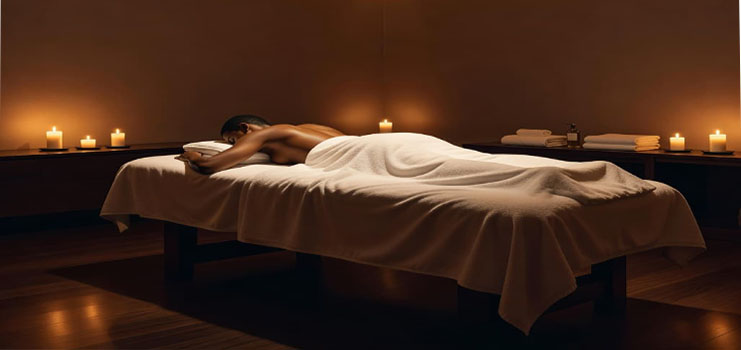
Swedish Massage: Benefits, Techniques, and What to Expect
Warm oil glides across your skin as smooth, flowing strokes ease the knots in your shoulders and your tense muscles slowly let go. Swedish massage is a classic relaxation treatment that uses long strokes, kneading, gentle tapping, and light-to-moderate pressure to help you feel calmer and more comfortable.
You may be searching for Swedish massage because stress has settled into your body, your muscles feel tight after work or travel, or you want a gentle first massage experience. The treatment can support relaxation, ease everyday muscle tension, and promote a sense of wellbeing, especially when the pressure is adjusted to your comfort. For more ideas on relaxing massage therapy options, you can compare Swedish massage with other spa treatments.
This guide explains the main Swedish massage techniques, its potential benefits, what happens during a session, safety considerations, and how it compares with other massage styles. You’ll also find practical guidance for choosing a suitable provider in Nairobi, while keeping in mind that massage supports wellbeing but doesn’t replace medical care. Let’s begin with the techniques that give this massage its soothing rhythm.
Key Takeaways
- Swedish massage uses flowing strokes, kneading, friction, and rhythmic tapping to ease everyday muscle tension.
- Its strongest benefits are relaxation and short-term relief from stress, tight muscles, and some pain symptoms.
- Pressure should match your comfort, so speak up if a stroke feels painful or too intense.
- Regular massage may support relaxation and recovery, but it doesn’t replace medical care or treatment.
- Avoid massage over injuries, burns, cuts, or suspected blood clots, and review safety concerns with a qualified provider using massage safety guidance.
What Is Swedish Massage and How Does It Work?
Swedish massage is a gentle-to-moderate, relaxation-focused form of massage therapy. A trained therapist uses flowing movements over the body’s soft tissues to ease everyday muscle tension, support comfortable movement, and help your nervous system settle.
The treatment is broad and calming rather than forceful or medical. Pressure can be adjusted throughout the appointment, and pain isn’t the goal. Before beginning, a qualified therapist should ask about your health, comfort, problem areas, and treatment goals. That conversation helps shape a session that feels supportive instead of one-size-fits-all.
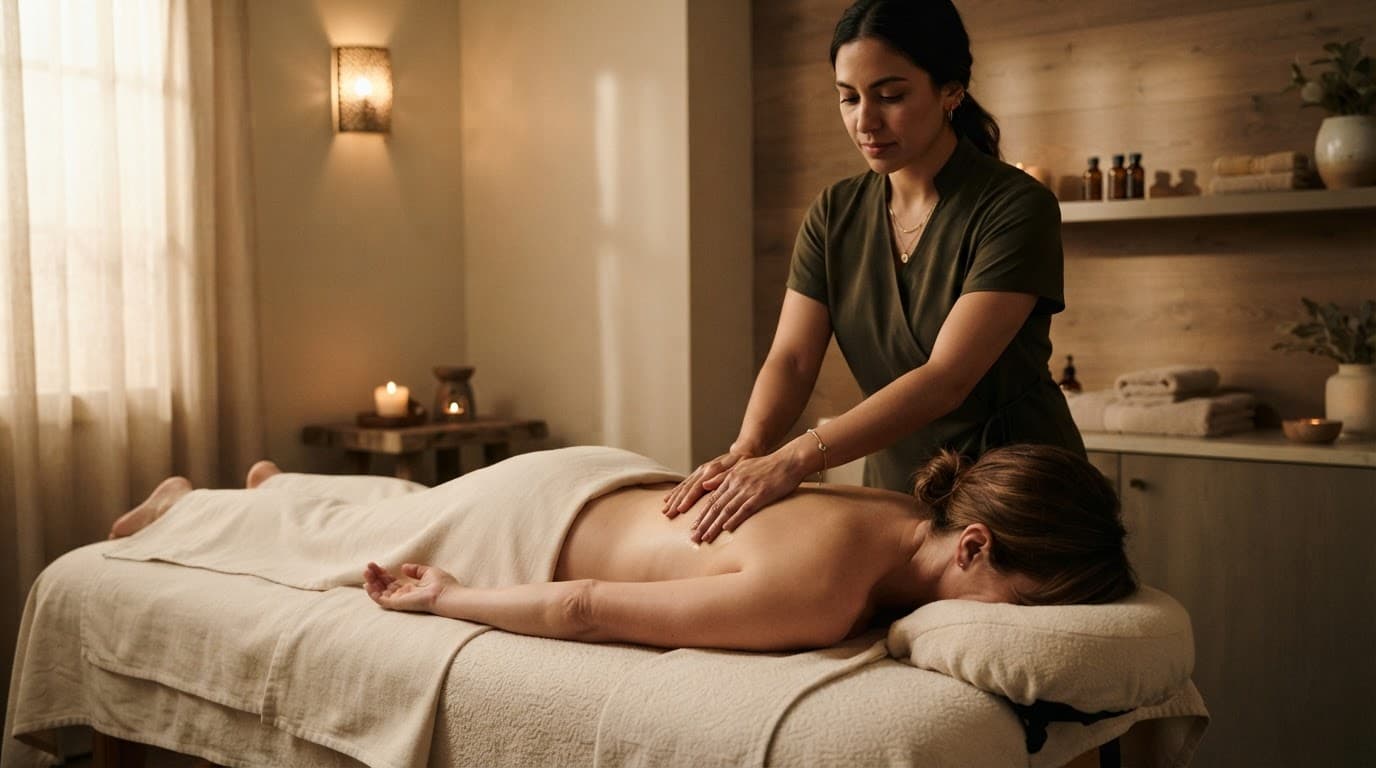
The Four Classic Swedish Massage Techniques
Swedish massage combines several traditional movements. A therapist may use all of them, or select only the techniques that suit your body and preferences.
- Effleurage uses long, gliding strokes across the skin. These movements often begin and end the session because they warm the body, spread oil or lotion, and create a steady rhythm. The pressure may range from very light to moderate, depending on the area and your comfort.
- Petrissage involves kneading, lifting, rolling, or gently squeezing muscle tissue. The therapist may use this movement on larger areas such as the shoulders, back, thighs, or calves. It can help address the feeling of tight, tired muscles without relying on harsh pressure.
- Friction uses smaller rubbing or circular movements around areas of tension. Because the motion is more focused, the therapist applies it carefully and checks how it feels. A trained practitioner avoids pressing directly over painful injuries, irritated skin, or areas that need medical attention.
- Tapotement is light, rhythmic percussion. It may involve gentle tapping or cupping with relaxed hands, often across broad muscle groups. Some therapists also use vibration or shaking when appropriate, although these movements aren’t necessary in every session.
These techniques create the familiar flow of a Swedish massage, but every appointment can feel different. Your therapist may combine movements, skip percussion, spend longer on your shoulders, or use lighter strokes if you feel sensitive. A medical overview of massage techniques describes effleurage, petrissage, and friction among the established movements used in massage therapy.
Why the Pressure Feels Relaxing Rather Than Intense
Swedish massage usually works across larger muscle groups with smooth, steady pressure. Instead of attacking one knot with force, the therapist gradually prepares the tissue and builds a comfortable pace. That approach can make the body feel safer and more willing to relax.
Most therapists begin lightly, then adjust pressure as the session continues. They may ask whether the pressure feels comfortable, especially when moving over the shoulders, lower back, hips, or legs. You can request a change at any point, even if you initially asked for medium pressure.
Soreness isn’t proof that a massage worked. A useful treatment should leave you feeling comfortable, not bruised or overwhelmed.
Speak up immediately if a stroke feels sharp, burning, painful, numb, or unpleasant. Mild tenderness can occur, but intense discomfort can cause your muscles to tense instead of release. Slow breathing also helps: as you breathe steadily, unclench your jaw and let your shoulders rest.
A quiet room, comfortable temperature, soft music, and proper draping add to the experience. You remain covered except for the area being treated, which helps you feel warm and at ease while preserving your privacy.
Which Areas Can a Therapist Focus On?
A Swedish massage may include the back, neck, shoulders, arms, hands, legs, and feet. During a full-body session, the therapist moves through several regions in a balanced sequence. The pace gives each area attention without turning the appointment into an intense treatment for one muscle.
A targeted session makes more sense when your needs are more specific. For example, someone who sits at a desk may request extra time for the neck and shoulders. An active traveler might focus on tired legs and feet, while a frequent flyer may prefer attention on the back, hips, and calves.
You can also ask for adjustments to the pressure, music, positioning, temperature, or areas included. Clear communication helps your therapist shape the session around your comfort, whether you want full-body relaxation or relief for one tense area.
Swedish Massage Benefits for Stress, Tension, and Everyday Wellbeing
Swedish massage is often chosen for one simple reason: it helps you pause while your body receives comfortable, focused attention. The combination of flowing strokes, kneading, and adjustable pressure may ease everyday muscle tightness, settle a busy mind, and leave you feeling more at home in your body.
Results vary with your health, stress level, treatment goals, and therapist’s skill. Some people feel a clear difference after one session, while others prefer regular appointments as part of a broader self-care routine. For more context, see these wellbeing benefits of massage therapy.
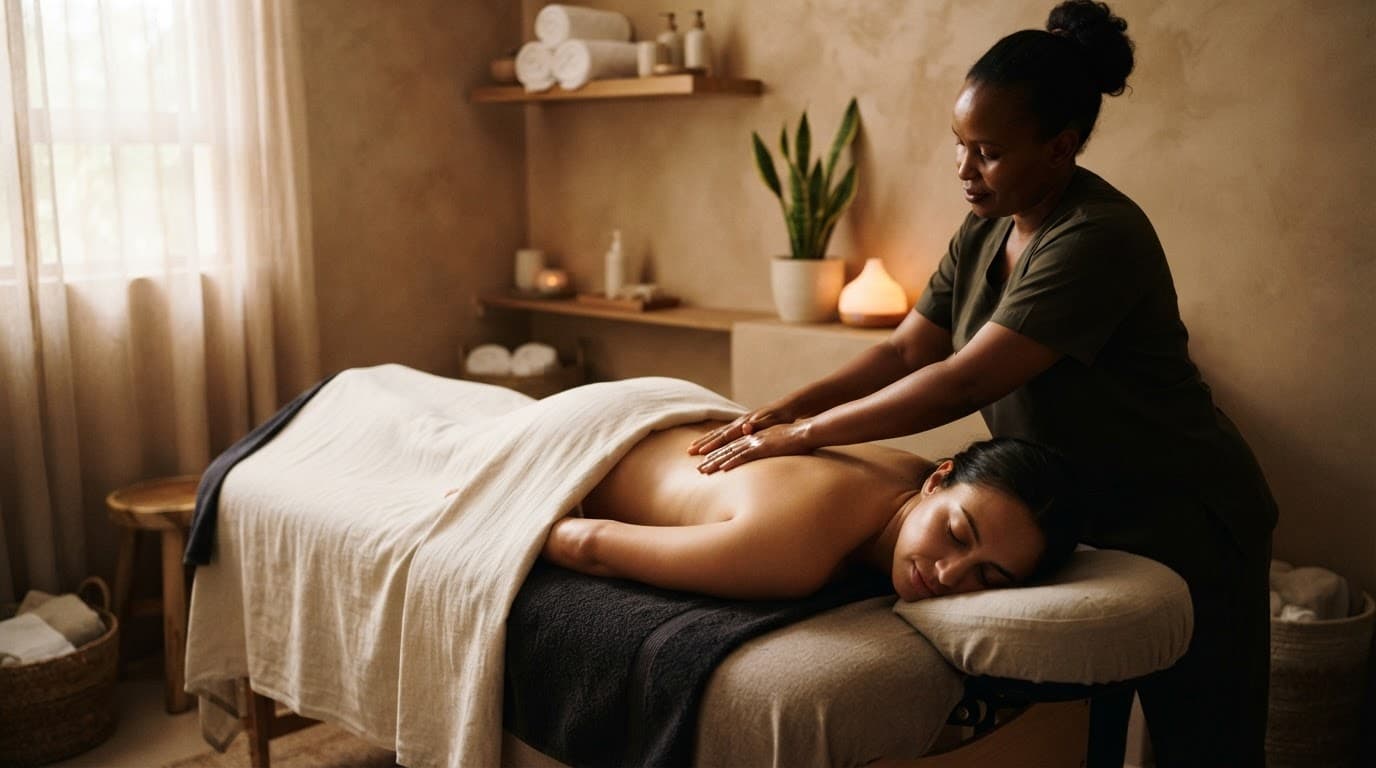
How It May Help the Body Feel Looser
Long gliding strokes warm the surface tissues, while kneading works through areas that feel tired or tense. These movements may reduce the sensation of tightness around the shoulders, back, hips, thighs, and calves. As the pressure stays within your comfort level, your muscles may gradually stop bracing against discomfort.
You may notice easier movement after the appointment. For example, an office worker might turn their neck more comfortably after hours at a desk, while an active traveler could find that tired legs feel less heavy after a long flight or day of walking. Some people also notice improved flexibility or range of motion when stiffness comes from ordinary stress, limited movement, or an unusually demanding week.
The effect is usually supportive rather than permanent. Hydration, sleep, gentle movement, and better posture also influence how long the relaxed feeling lasts. Mayo Clinic describes massage therapy as a way to help reduce muscle tightness and stress, but it shouldn’t replace assessment for a physical problem.
A therapist should never force a joint through pain or use massage to test an injured area. If you have swelling, weakness, numbness, restricted movement, or a recent injury, seek professional guidance before booking a relaxation massage.
How It Supports Relaxation, Mood, and Sleep
A Swedish massage gives you time away from screens, traffic, work messages, and household demands. Quiet touch, steady breathing, warm towels, and a calm room can help your attention move away from constant stimulation. As your breathing slows, your jaw and shoulders may release some of the tension they hold during the day.
Many people report feeling calmer after a session. A first-time client may leave feeling refreshed and lighter, while someone recovering from a demanding week may feel sleepy enough to want an early night. Some people sleep more comfortably after relaxing massage, although sleep results differ and research doesn’t establish Swedish massage as a treatment for insomnia.
The same measured approach applies to mood. Massage may support a temporary sense of calm and wellbeing, but it doesn’t treat anxiety or depression on its own. If low mood, worry, or sleep problems continue, speak with a qualified health professional. Relaxation practices, including slow breathing techniques, can complement appropriate care.
What Massage Can and Cannot Do for Pain
Swedish massage may offer short-term comfort when everyday muscle soreness or tension makes you feel stiff. Gentle work around the back, neck, shoulders, or legs can feel soothing after travel, prolonged sitting, or physical activity. Still, pain relief isn’t guaranteed, and massage doesn’t correct every cause of pain.
Ongoing, severe, sudden, or unexplained pain needs medical assessment. The same applies to pain with fever, significant swelling, loss of strength, numbness, breathing problems, or a suspected injury. General relaxation massage also differs from treatment provided for a diagnosed condition by a licensed medical or rehabilitation professional.
Before the session, tell your therapist where the pain started, what makes it worse, how long you’ve had it, and whether you have received a diagnosis. During treatment, speak up if the sensation becomes sharp, burning, numb, or increasingly uncomfortable. Stop the massage if symptoms worsen, and arrange medical care when the problem doesn’t settle. Massage is most useful when it supports your wellbeing without delaying the care your body needs.
What to Expect During a Swedish Massage Session
A Swedish massage session should feel calm, private, and personal from the moment you arrive. You can expect a short consultation, clear explanations, professional draping, adjustable pressure, and regular opportunities to share what feels comfortable.
The Consultation Helps Make the Session Personal
If possible, arrive 10 to 15 minutes early. That gives you time to check in, use the restroom, complete any forms, and settle before treatment begins. Wearing comfortable clothing that is easy to remove can make changing simpler. Drink water normally during the day, but avoid arriving immediately after a heavy meal.
Before the massage starts, your therapist should ask about your health history, current pain, recent activity, allergies, medications, and treatment goals. They may also ask which areas feel tense, what pressure you prefer, and which areas they should avoid. These questions help the therapist plan a session that fits your body rather than following a fixed routine.
Share important details even if they seem unrelated to massage. Mention pregnancy, blood-thinning medication, recent surgery, skin problems, injuries, medical diagnoses, fever, swelling, or unexplained pain before treatment. Some conditions require lighter pressure, changes to positioning, medical clearance, or postponing the appointment.
For example, tell the therapist if you recently lifted something heavy, spent hours traveling, started a new medication, or developed a rash. Honest communication improves both comfort and safety. If you are unsure whether a health concern matters, mention it and let the therapist explain your options. You can learn more about conditions that may require massage modifications in this massage safety guidance.
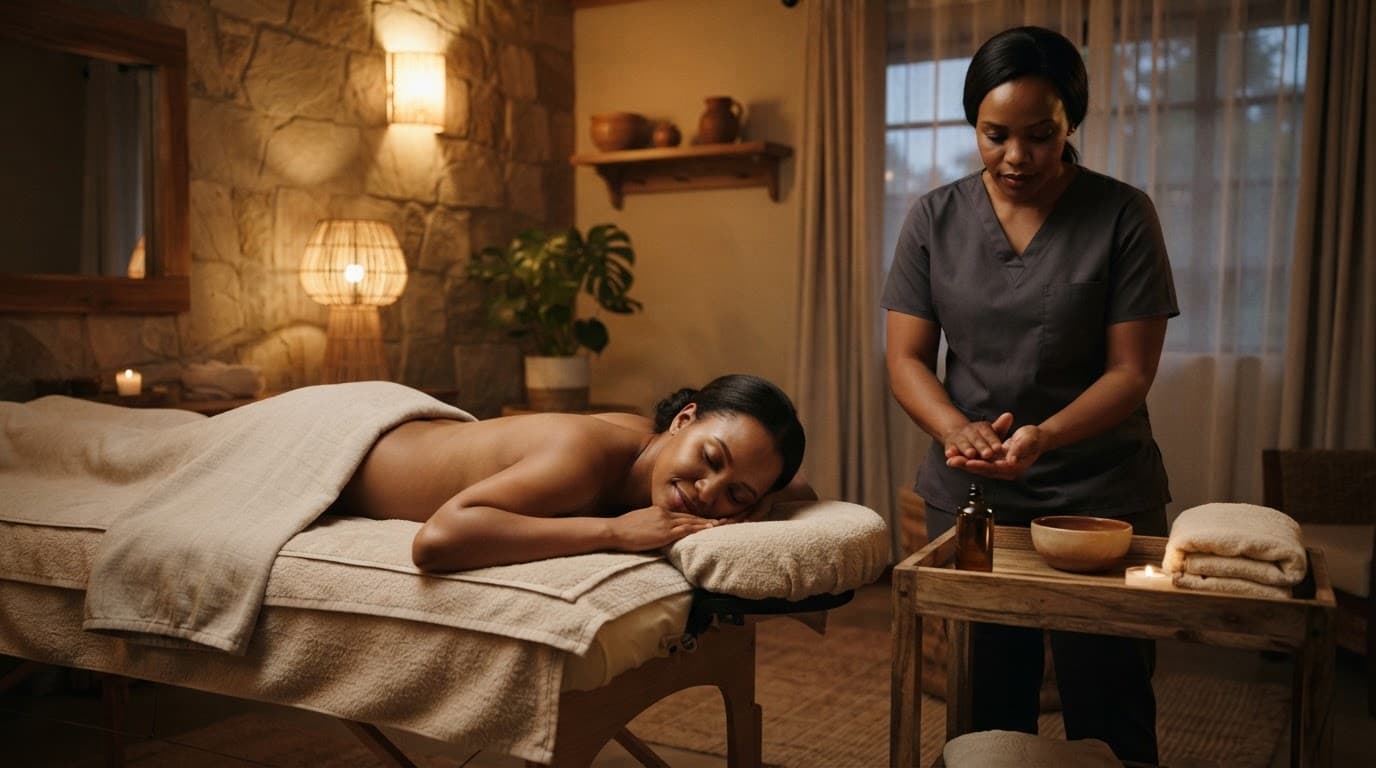
How Draping, Privacy, and Comfort Work
After the consultation, the therapist usually leaves the room while you change privately. You only need to undress to the level that feels right for you. Many clients remove most clothing for easier access to the back, legs, shoulders, or arms, while others prefer to keep underwear on or receive a more limited treatment.
Once you lie on the massage table, a sheet or towel covers your body. The therapist exposes only the area being treated, such as your back or one lower leg, then covers it again before moving to another region. Sensitive areas are avoided, and professional massage should never involve pressure over private parts.
The therapist may apply massage oil or lotion to reduce friction and help the hands move smoothly. You can request less oil, a different product, or no fragrance if you have sensitive skin or dislike strong scents. You can also ask for a warmer or cooler room, another pillow, different music, or a position that supports your neck.
A professional session should feel respectful and consent-based. You can ask questions before or during treatment, request a change in pressure, or end the session at any time. If a stroke feels painful, ticklish, sharp, or uncomfortable, say so immediately. Maya Spa describes its professional massage services in Nairobi as tailored to clients’ preferences and needs.
Simple Ways to Prepare and Care for Yourself Afterward
The massage often begins with broad, flowing strokes that warm the tissues and help you settle. Your therapist may then use kneading, gentle friction, and rhythmic movements across the areas you selected. During the sequence, they may reposition you, uncover one treatment area at a time, and check whether the pressure feels comfortable.
You don’t need to stay silent or remain perfectly still. Let the therapist know if you want lighter pressure on your calves, more attention on your shoulders, or no work on a tender spot. Good communication keeps the treatment relaxing instead of turning it into something you simply tolerate.
When the massage ends, the therapist will usually cover you and give you time to sit up and get dressed privately. Move slowly when standing, especially if you feel sleepy or lightheaded. Plan a little quiet time afterward if possible, rather than rushing straight into strenuous exercise or a packed schedule.
Mild tenderness, tiredness, or sensitivity can occur, particularly after work on tight muscles. Rest, eat normally, and continue drinking water at your usual pace. Water supports ordinary hydration, but excessive amounts don’t flush toxins from the body.
Strong pain, unusual swelling, breathing trouble, chest pain, sudden weakness, or other concerning symptoms need prompt medical attention. Massage should support your wellbeing, not delay care for a serious or unexplained problem.
How Swedish Massage Compares With Other Massage Styles
Swedish massage is a flexible starting point, but it isn’t the right fit for every goal. The main differences between massage styles involve pressure, movement, products, body position, and how active you want the session to feel.
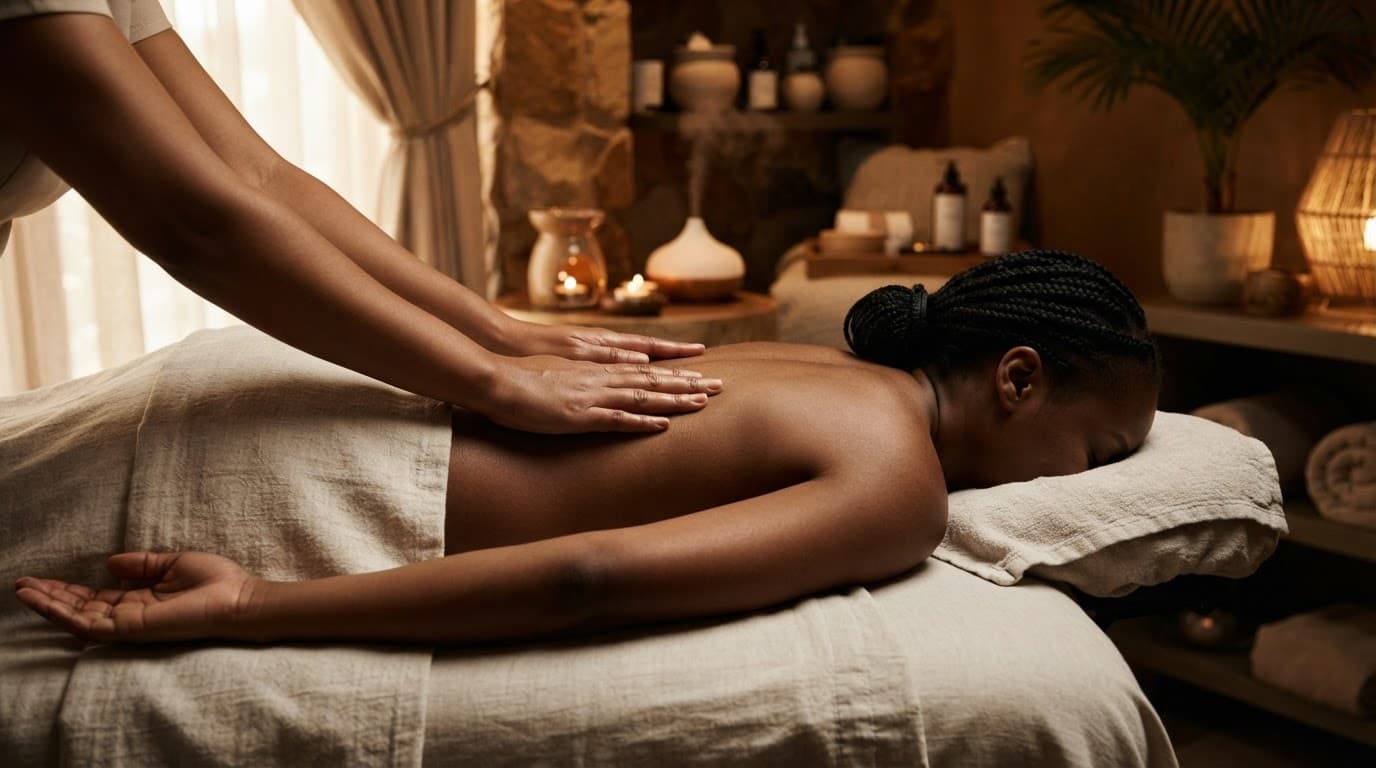
Swedish Massage vs. Deep Tissue Massage
Swedish massage uses flowing strokes, kneading, and light-to-moderate pressure across larger muscle groups. The pace is usually smooth and restful, which makes it a good choice when you want to relax, ease everyday tension, or enjoy a gentle first massage.
Deep tissue massage works more slowly and firmly on selected areas. A therapist may focus on layers of muscle and connective tissue around chronic tightness, such as the upper back, hips, or shoulders. The pressure can feel intense, particularly when the body has been holding tension for a long time.
However, deeper pressure isn’t automatically more effective. If you want a calming experience, strong work may leave you bracing instead of relaxing. Your choice should reflect your pressure tolerance, current soreness, treatment goals, and any advice from a qualified professional. Mayo Clinic’s massage therapy guidance also emphasizes discussing health concerns and expectations before treatment.
Swedish Massage vs. Aromatherapy Massage
Aromatherapy massage often combines familiar massage movements with selected essential oils or scented products. The massage itself may use gentle or moderate pressure, while the fragrance adds another layer to the spa setting. Some clients enjoy lavender, citrus, or herbal scents because they make the room feel warmer and more relaxing.
The main difference is the product, not necessarily the massage pressure. Fragrance can bother people with allergies, asthma, migraines, sensitive skin, or strong scent preferences. Before booking, ask which oils or products the therapist uses, how they are diluted, and whether an unscented option is available.
Tell the therapist about pregnancy, skin reactions, breathing conditions, or known allergies before oils touch your skin. You should never feel pressured to accept a scented product simply because the appointment is labeled aromatherapy.
Swedish Massage vs. Thai Massage
Thai massage usually feels more active than Swedish massage. It commonly includes compression, pressure-point work, assisted stretching, and guided movement. Clients often wear comfortable clothing, and the session may take place on a mat or a firm treatment surface without massage oil.
Swedish massage usually involves oil or lotion, a massage table, and a restful sequence of gliding strokes. You remain mostly still while the therapist works through the areas you selected. That makes it appealing after a stressful week, a long flight, or a day spent walking around Nairobi.
Choose Swedish massage when soothing strokes and stillness sound inviting. Thai massage may suit you better when guided stretching and movement appeal to you. Neither tradition is universally better. Your flexibility, comfort level, current soreness, and the therapist’s training should guide the decision. Cleveland Clinic offers more detail about Thai massage and assisted stretching.
Choosing the Right Style for Your Goals
Use your reason for booking as the first filter, then consider how much pressure and movement you enjoy.
- First-time clients often find Swedish massage easy to understand because the pace is calm and the pressure can be adjusted.
- People seeking relaxation usually prefer Swedish massage, especially when they want quiet, flowing touch and a restful table-based session.
- Clients with one area of persistent tightness can ask about deep tissue or another focused approach, but the therapist should screen for safety first.
- Active travelers and trekkers may prefer Swedish massage for tired muscles or Thai massage when assisted stretching feels useful and comfortable.
- Clients who enjoy fragrance can consider aromatherapy massage after confirming the oils, dilution, and available scent-free choices.
Before you book, ask:
- How long is the session, and what areas does it include?
- Can I choose light, moderate, or firm pressure?
- What training does the therapist have in this specific style?
- Which oils, lotions, or scented products will you use?
- How do you handle draping, privacy, and consent?
- What are your cancellation and rescheduling terms?
A clear conversation helps you choose a treatment that matches your body today, not someone else’s idea of the perfect massage.
Is Swedish Massage Safe for Everyone?
Swedish massage is generally safe when a qualified professional provides it and adjusts the session to your needs. However, gentle massage and vigorous massage carry different risks, so the same treatment isn’t suitable for every person or every day. If you have a health condition, take prescription medicine, or recently experienced an injury, seek medical advice before booking.
When to Postpone or Avoid a Session
Postpone your Swedish massage if you have a fever, cold, flu, or another contagious illness. An active infectious skin condition also requires waiting until it has cleared. Massage can spread irritation across the skin, expose the therapist or other clients to infection, and place extra demands on a body that is already recovering.
Avoid treatment over open or unhealed wounds, fresh burns, significant bruising, infected skin, or swollen areas. The therapist should also avoid fractures, dislocations, severe sprains, and other recent injuries. Strong pressure over damaged tissue can increase pain, bleeding, swelling, or recovery time.
Sudden severe pain needs medical assessment rather than a relaxation appointment. The same applies to pain with warmth, redness, unusual swelling, weakness, numbness, or restricted movement. A therapist shouldn’t use massage to investigate an unexplained symptom or work around a suspected blood clot.
Wait until the affected area has healed, or ask a healthcare professional when massage is appropriate. The National Center for Complementary and Integrative Health’s massage guidance notes that serious side effects are rare, but they can occur. Tell the therapist if your symptoms change after booking, even if you previously felt well.
Health Conditions and Medicines That Need Extra Care
Some conditions don’t always rule out massage, but they require medical clearance, lighter techniques, a different position, or a delayed appointment. Share relevant information with both your healthcare provider and therapist. You don’t need to diagnose yourself or decide alone whether treatment is safe.
Extra care may be needed if you have:
- A current or previous blood clot, thrombosis, or another clotting concern. Massage should never be performed over a suspected or known clot.
- Blood-thinning medication, such as warfarin or heparin. Deep kneading, percussion, and firm pressure may increase bruising or bleeding risk.
- Heart failure, serious heart disease, uncontrolled high blood pressure, or another cardiovascular condition.
- Kidney failure or kidney disease, especially when your health or fluid balance is changing.
- Osteoporosis or nerve damage, including reduced sensation that could prevent you from noticing harmful pressure.
- Recent surgery, cancer, or active cancer treatment. Your surgeon or oncology team should guide the timing and type of massage.
- Pregnancy, particularly early pregnancy or a pregnancy with complications. Use a therapist trained in prenatal care and obtain guidance from your prenatal provider.
- Varicose veins, especially painful, swollen, or fragile veins. The therapist may avoid direct pressure and modify leg work.
A medical clearance doesn’t guarantee that every technique is appropriate. It tells the therapist which boundaries and adjustments matter for your situation.
Gentle Swedish massage may be possible for some clients, while vigorous massage may be inappropriate. A therapist might use lighter pressure, avoid one body region, shorten the session, change your position, or decline treatment altogether. A safe professional won’t provide blanket approval without understanding your health history. Mayo Clinic also recommends discussing your medical conditions and expectations before receiving massage therapy.
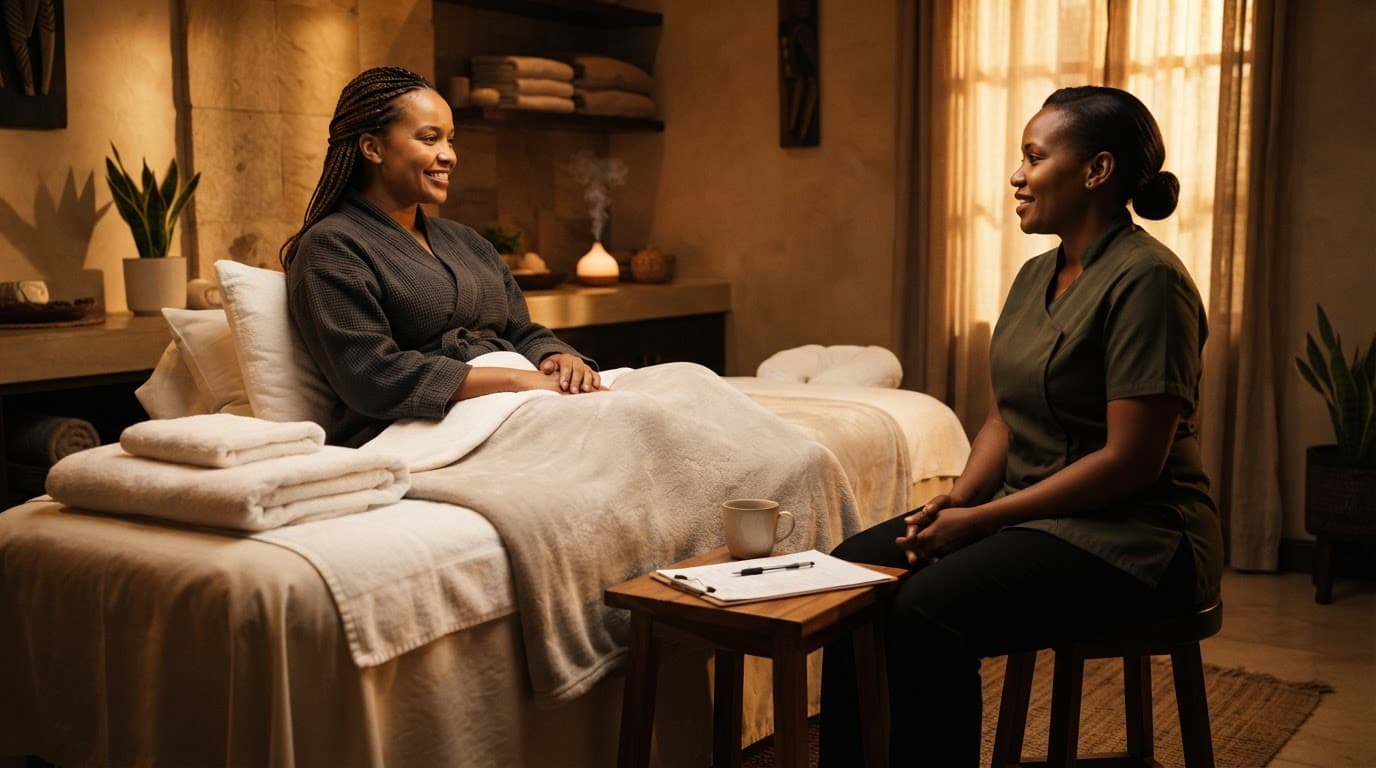
How to Recognize a Professional, Respectful Massage Experience
A trustworthy provider begins with a health intake, explains the treatment, confirms informed consent, and gives you clear pricing before the session. The facility should look clean, supplies should be handled hygienically, and staff should have appropriate massage training.
During treatment, proper draping covers your body except for the area being worked on. The therapist should check pressure regularly and respond when you ask for a change. You never have to undress beyond your comfort level, accept a technique, disclose private information that isn’t needed for safe care, or continue through pain.
Personal information should also receive careful handling. Ask who can access your health details and how the business stores them if the intake includes sensitive information.
You can pause or end the appointment at any time. If someone ignores your boundaries, pressures you, touches an area without consent, or dismisses your pain, leave when you can and report the incident to the business or appropriate local authority. A relaxing Swedish massage should feel professional, private, and collaborative from consultation to goodbye.
Finding a Swedish Massage in Nairobi at Maya Spa
For Nairobi residents and visitors, Maya Spa offers a practical place to schedule a Swedish Massage when your body needs a slower pace. The Nairobi-based wellness and beauty spa has a relaxation-centered setting and services designed around personal comfort, tired muscles, and time away from daily demands.
Located in South B on Zanzibar Road, opposite Limpopo Hotel, Maya Spa can suit clients who want self-care after a demanding week, a soothing pause during a city stay, or a relaxing treatment after travel. Confirm the latest details before visiting, since availability, prices, and operating arrangements can change.
What Makes Maya Spa a Useful Option for Relaxation
Maya Spa’s Swedish Massage uses familiar techniques such as long, flowing strokes, kneading, and circular movements. These actions create a steady rhythm across the body, helping you settle while the therapist pays attention to areas that feel tense or tired.
A personalized session matters because no two bodies carry stress in the same way. You may want extra attention on your shoulders after long hours at a desk, or prefer gentle work on your legs after walking around Nairobi. Someone arriving after a flight may ask for focus on the back, hips, calves, or feet.
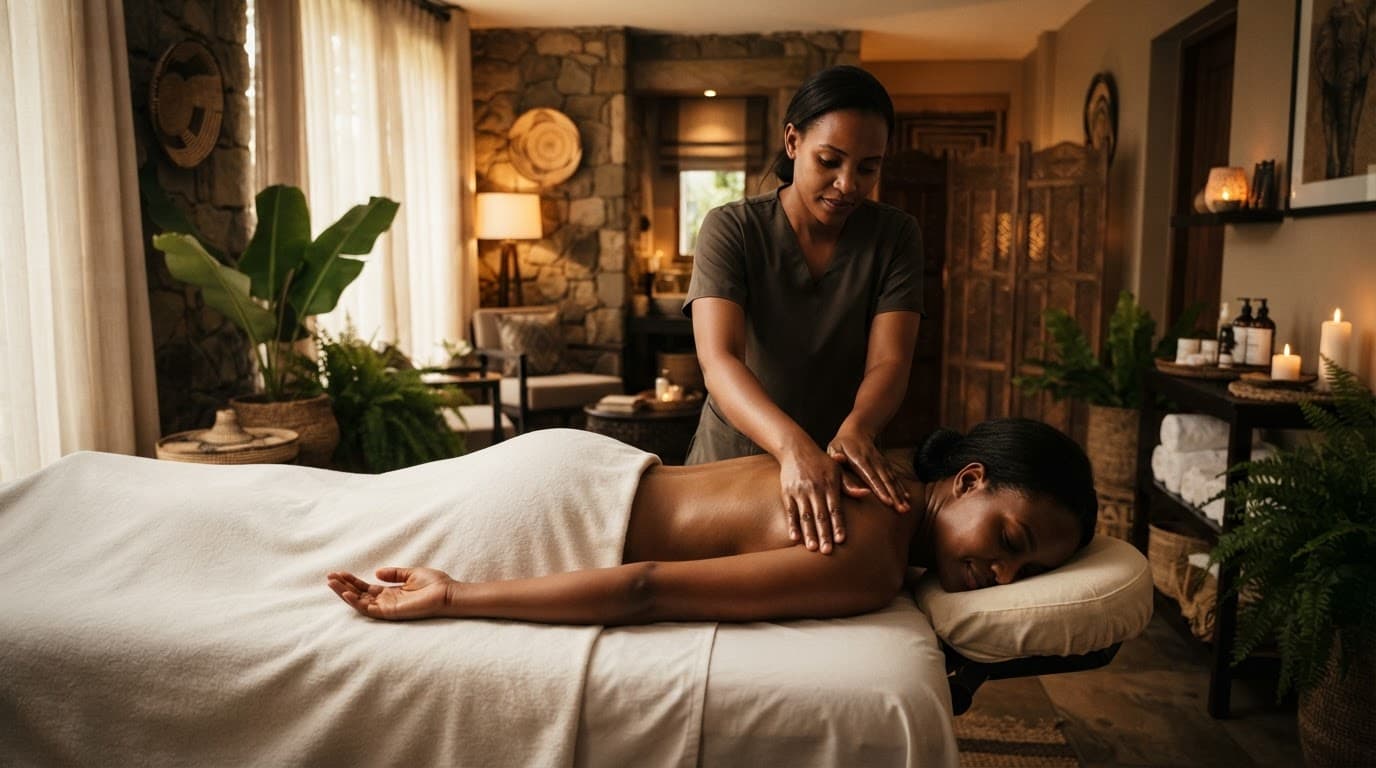
The spa environment also shapes how the appointment feels. A calm room, professional draping, warm treatment products, and attentive service can make it easier to put your phone aside and let your breathing slow. Massage research describes comfort and relaxation as personal experiences, so your preferences should guide the session rather than a fixed pressure routine. A recent review of massage and comfort also highlights how safety and relaxation can differ from one client to another.
Most importantly, tell the therapist how the pressure feels. Ask for lighter or firmer work, a change in focus, or a pause whenever needed. Swedish massage should feel soothing and manageable, not painful. Share relevant health information before the treatment begins, especially if you have an injury, skin irritation, recent surgery, pregnancy, or a medical condition that may require adjustments.
Other Treatments to Consider at Maya Spa
Swedish massage is one choice on Maya Spa’s menu. Clients who enjoy fragrance may prefer Aromatherapy Massage, which adds selected scents or oils to the relaxation experience. Ask about the products first if you have allergies, sensitive skin, asthma, migraines, or a strong reaction to fragrance.
Thai Massage offers a more active experience. It may include assisted movement, compression, and stretching, making it different from the stillness and flowing strokes of a Swedish session. Your flexibility, current soreness, and comfort with movement can help determine which option feels appropriate.
Maya Spa also lists treatments such as hot stone massage, foot massage, beauty therapy, baths, and singing bowl experiences. For example, a foot massage may appeal after a day of sightseeing or trekking, while a bath or singing bowl treatment may suit someone seeking a quieter spa visit. You can browse the broader range of Maya Spa services before choosing.
Ask the spa team which treatment best fits your goals and health considerations. A short conversation can prevent you from booking a service that feels too intense, too scented, or poorly suited to your current condition.
Booking Questions to Ask Before You Arrive
Advance booking is sensible during weekends, holidays, and busy travel periods. Before confirming your appointment, ask:
- Which Swedish Massage options are available, and what duration does each session include?
- What is the current price, and which payment methods are accepted?
- Can the therapist adjust the pressure between light, moderate, and firmer levels?
- Is your preferred therapist available at the requested time?
- Which oils, lotions, or scented products will the session use?
- Does the treatment room meet your accessibility needs?
- What are the cancellation, rescheduling, and late-arrival policies?
Contact Maya Spa before traveling to confirm the South B location, current availability, session length, pricing, and therapist details. Use the Maya Spa contact page to ask questions and share health information in advance rather than waiting until you are already on the massage table.
Frequently Asked Questions
A Swedish massage should feel personal, comfortable, and easy to adjust. These answers cover practical details that can help you plan your appointment, communicate with your therapist, and choose a routine that fits your needs.

How long does a Swedish massage usually last?
Session length varies by provider, treatment area, and appointment type. A shorter visit may focus on your neck, shoulders, back, or feet, while a standard session often allows time for broader full-body work. Extended appointments give the therapist more time to move slowly and spend extra attention on areas that feel tight.
Before booking, ask whether the listed duration means hands-on treatment time or the entire appointment. Some providers include consultation, changing, and payment time within the scheduled slot. Confirming this detail helps you know what to expect and prevents a 60-minute booking from feeling shorter than planned.
Should Swedish massage hurt to be effective?
No. Swedish massage may create mild tenderness when a therapist works over tight muscles, and you might feel slightly sore afterward. However, sharp, burning, pinching, intense, or lingering pain isn’t a normal measure of effectiveness.
Tell your therapist immediately if the pressure feels too strong or a movement causes discomfort. They can use lighter pressure, change the technique, avoid the area, or stop the session. A treatment that leaves you bracing against pain defeats the relaxed purpose of Swedish massage.
Can I get a Swedish massage if I have never had a massage before?
Yes. Swedish massage is often a comfortable starting point because the movements are generally gentle, and the pressure can be adjusted throughout the appointment. You don’t need to know massage terminology or arrive with a detailed treatment plan.
Before the session, explain what you hope to feel afterward, such as relaxed shoulders, lighter legs, or a calm break from daily stress. Ask how draping works, what clothing to remove, and whether you can request changes during treatment. A first massage appointment guide can also help you feel more prepared.
What should I wear to a Swedish massage?
Most clients change privately before treatment and undress only to their comfort level. You may keep your underwear on or choose a different level of clothing, depending on the areas being treated and what helps you feel secure.
Professional draping should cover your body throughout the session, with only the area receiving attention uncovered. Arrive in comfortable clothing that’s easy to change out of, especially if you plan to visit the spa after work, travel, or exercise. If you have questions about privacy, ask before lying on the table.
How often should I schedule a Swedish massage?
There isn’t one schedule that suits everyone. Your ideal frequency depends on your budget, activity level, personal goals, response to treatment, and any medical needs. Someone seeking occasional relaxation may book when stress builds, while an active person may prefer appointments around demanding training or travel.
Choose a routine that feels comfortable and sustainable rather than forcing frequent visits. Notice how long the benefits last, whether tenderness occurs, and whether massage fits your wider self-care habits. If you have a health condition or ongoing pain, ask a qualified healthcare professional about an appropriate schedule.
Can Swedish massage replace treatment from a doctor or physical therapist?
No. Swedish massage can’t replace a medical diagnosis, urgent care, rehabilitation, surgery, or prescribed treatment. It also shouldn’t delay an evaluation for sudden pain, weakness, numbness, major swelling, fever, or an injury.
Massage may complement care when a qualified healthcare professional says it’s appropriate. Tell both professionals about your symptoms, diagnosis, medication, and recovery plan so the massage therapist can modify or postpone treatment. Used within those boundaries, Swedish massage can support comfort and relaxation without taking the place of necessary healthcare.
Conclusion
Warm oil, flowing strokes, and steady kneading make Swedish massage an approachable way to release everyday tension and create space for rest. Its greatest value is the calm it brings to tired muscles and a busy mind, especially when the therapist adjusts the pressure and focus to suit your body.
Before your session, share your goals, health concerns, medications, injuries, or skin sensitivities. Choose a qualified, respectful provider who explains the treatment, protects your privacy, follows proper draping, and responds when you ask for lighter pressure or a pause. If you have unexplained pain, swelling, fever, recent surgery, or another safety concern, check with a healthcare professional before booking.
Nairobi readers can explore Maya Spa’s Swedish massage at its South B location, then confirm the current session details, pricing, availability, and booking arrangements before visiting. With the right preparation and open communication, you can leave the table feeling more grounded, rested, and comfortable, as though the day’s weight has finally loosened its hold.