
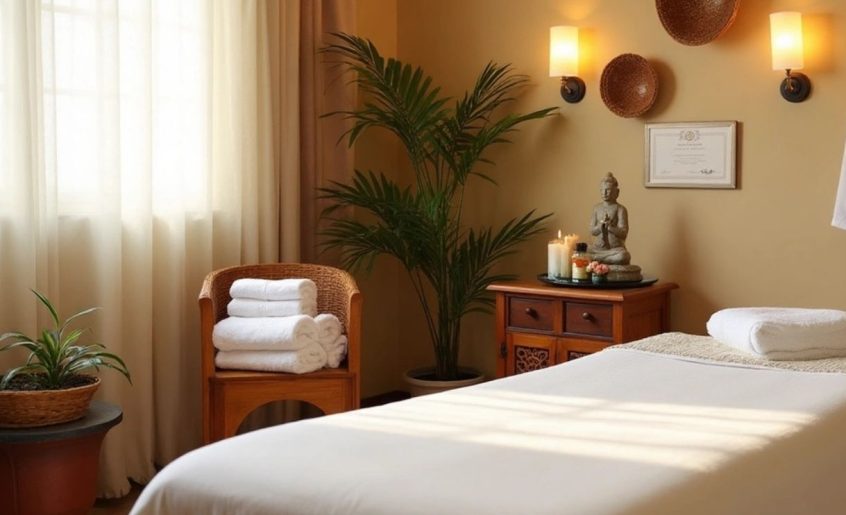
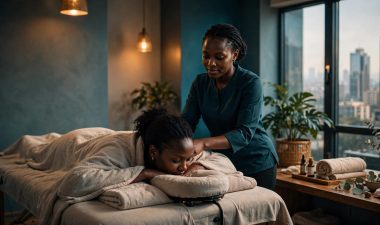
After a day of Nairobi traffic, meetings, exercise, or travel, the change can be striking: the city fades outside, warm towels settle over tired muscles, and a quiet massage room gives your body space to breathe. If you’re searching for stress relief, muscle recovery, a couples experience, or simple self-care, the right massage in Nairobi can make that pause feel worthwhile.
Prices vary widely by location, treatment, and session length. In 2026, a 60-minute massage commonly costs about KSh 3,000 to KSh 7,500 at local and mid-range spas, while luxury hotel spas may charge KSh 7,000 to KSh 12,000 or more. This guide compares massage styles, current Nairobi price ranges, popular neighborhoods, and practical ways to choose a trusted therapist, including foot massage for tired legs after long walks or active travel.
You’ll also learn what to expect during a session and how to book with confidence. Since services, availability, and prices can change, confirm the treatment details and total cost with the spa before paying. First, let’s look at the massage styles available in Nairobi and what each one suits best.
Key Takeaways
- A 60-minute massage in Nairobi typically costs KSh 4,500 to KSh 7,500 in 2026, while budget studios and luxury hotels fall outside that range.
- Choose Swedish massage for relaxation, deep tissue for tight muscles, or foot massage after long walks and travel.
- Confirm the treatment length, massage style, pressure, total price, location, and payment rules before booking.
- Hotel spas often charge more because of their setting and added amenities, so compare inclusions, not price alone.
- Clear pricing and knowledge of your local market help spas set fair rates, as explained in this massage pricing guidance.
Massage in Nairobi: Find the Right Treatment for Your Body and Mood
The best massage depends on what you want to feel when you leave the room. A gentle treatment may help you settle after a stressful day, while firmer work may suit tired muscles after exercise or travel. Your pressure preference, health needs, available time, and budget should all guide the choice.
Before booking, ask what the session includes, how long the hands-on treatment lasts, and whether the listed price covers extras such as oils, hot stones, or aromatherapy. Also tell the therapist about injuries, allergies, pregnancy, recent surgery, or any condition that could affect your comfort. If you have a health concern, speak with a qualified health professional before arranging a massage.
Swedish and relaxation massage for everyday stress
Swedish massage is a gentle to moderate treatment that uses smooth strokes, kneading, and steady pressure across the body. The rhythm usually feels calming rather than demanding, so it suits clients who want rest, comfort, and a quieter mood.
This style can work well for first-time clients who aren’t sure how much pressure they enjoy. Office workers may appreciate it after long hours at a desk, while travelers often choose it after a flight, busy itinerary, or night of poor sleep. If your main goal is to feel calm instead of targeting intense muscle tightness, Swedish massage is a sensible starting point.
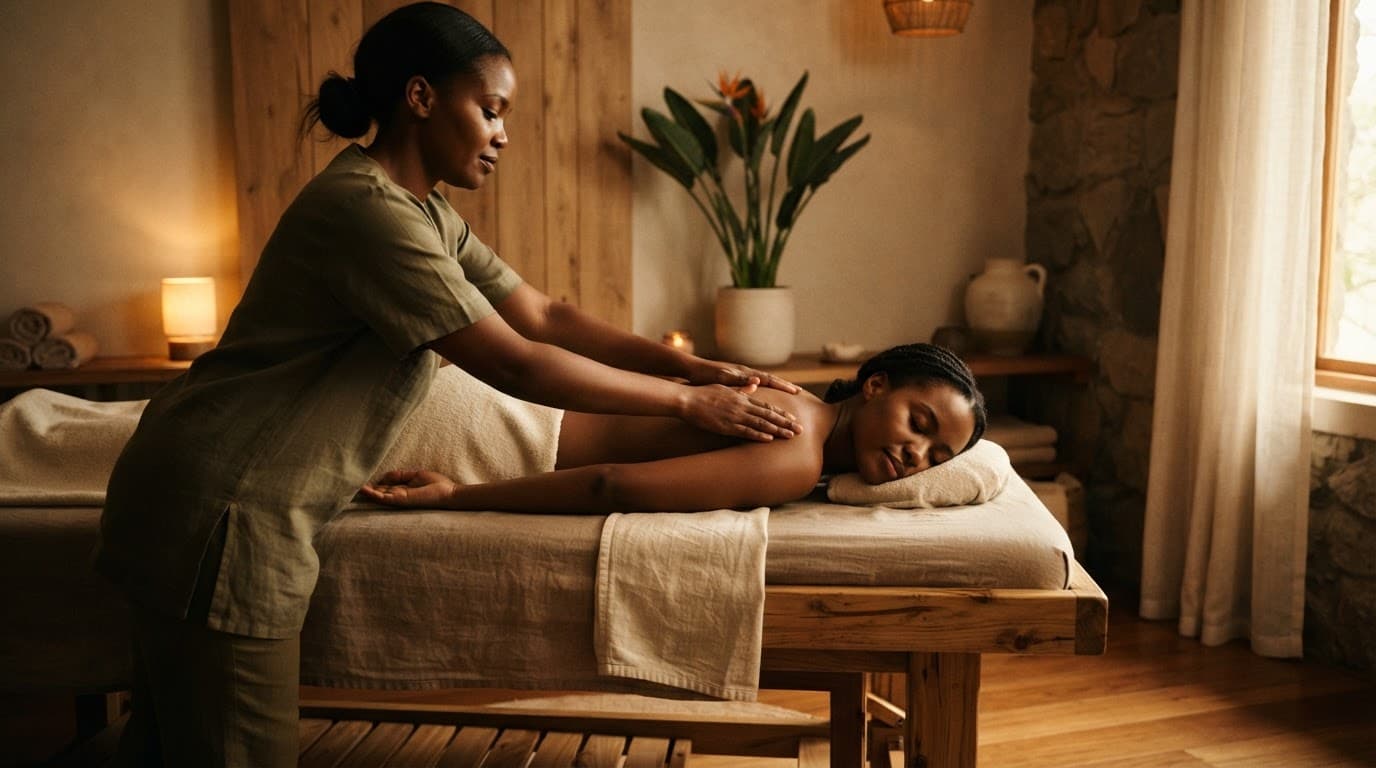
Many people report feeling more relaxed, less aware of everyday tension, and refreshed after a session. However, results vary from person to person. Massage can support relaxation and general comfort, but it shouldn’t be presented as a guaranteed treatment for pain, anxiety, or a medical condition.
Maya Spa lists Swedish massage among its services. Because treatment menus can change, confirm the current duration, price, location, and booking availability before you arrive. You can also read more about the benefits of regular massage before deciding how often a session fits your routine.
Deep tissue and sports massage for tight, tired muscles
Deep tissue massage uses firmer, more focused pressure on areas that feel tight, overused, or restricted. Sports massage may use similar focused work, along with techniques selected around training, recovery, or repeated physical activity. Neither treatment should feel like a test of endurance.
Runners, trekkers, gym users, and drivers may seek this type of massage after demanding days. It may also suit someone with stiff shoulders from desk work, provided the therapist understands the source of the discomfort. Tell the therapist which areas feel sore, how long the problem has lasted, and whether a movement makes it worse.
A relaxing massage usually moves across broader areas with a softer rhythm. Deep tissue work concentrates on selected muscles and may feel more intense during or after treatment. Stronger pressure isn’t automatically better. Too much force can leave you uncomfortable, especially when the muscle is already irritated.
Discuss your preferred pressure before the session starts, then speak up if the sensation becomes sharp, numb, or unpleasant. A good therapist can adjust pressure, change position, or work around a sensitive area. You don’t need to remain silent to prove that the treatment is effective.
Deep tissue or sports massage may not suit everyone. Certain injuries, blood-clot risks, inflammation, recent procedures, and other medical conditions require professional advice first. A systematic review published through the National Library of Medicine notes precautions around deep tissue massage and blood clots, so review massage safety research when a health issue is part of your decision.
Thai massage, aromatherapy, and hot stone treatments
These three treatments offer different experiences, even when a spa groups them under the same massage menu.
- Thai massage may include assisted stretches, pressure-point work, and more active body positioning. It can appeal to clients who enjoy movement and stretching instead of lying still throughout the appointment.
- Aromatherapy massage usually combines massage strokes with scented oils. Choose it when the smell and sensory atmosphere matter as much as the physical treatment.
- Hot stone massage uses warmed stones during parts of the session. The heat can create a soothing, cozy feeling for people who enjoy warmth and relaxation.
Thai massage may feel more active than Swedish massage, while aromatherapy often feels softer and more sensory. Hot stone treatments can be especially appealing after a cool morning, a long journey, or a day spent outdoors. Still, each provider uses its own method, so ask how the treatment works before paying.
Mention allergies before oils or scented products touch your skin. You should also tell the therapist if you are sensitive to heat, pregnant, uncomfortable with stretching, or unsure about a particular technique. The therapist can explain available adjustments and help you avoid an unsuitable treatment.
Maya Spa’s service list includes Thai and aromatherapy massage. Confirm exactly what is included, including the session length, oil selection, stone use, pressure level, and final price. A treatment name can describe a general style, but the details often vary between spas.
Foot massage, reflexology, full-body, and couples sessions
A shorter foot massage can be a practical choice when your legs need attention but you don’t have time for a full appointment. Travelers, trekkers, retail workers, hospitality staff, and anyone who stands for much of the day may prefer focused work on the feet and lower legs.
Reflexology is often marketed as pressure work on specific areas of the feet. Some clients enjoy the focused sensation, but it shouldn’t replace medical care or diagnosis. Persistent swelling, unexplained pain, numbness, or an injury deserves assessment by a qualified health professional.
Full-body massage covers a wider area, but the exact meaning changes by provider. One spa may include the back, legs, arms, shoulders, neck, and feet, while another may reserve more time for selected areas. Ask whether the face, scalp, abdomen, or feet are included, and confirm how much of the appointment is hands-on treatment.
Couples massage requires a few extra questions before booking. Confirm:
- Whether the quoted price is for one person or two people.
- Whether two therapists are available at the same time.
- Whether both clients receive the same treatment or can choose different styles.
- Whether the room is private and large enough for two massage tables.
- Whether either person needs to arrive early for a consultation.
Maya Spa also promotes foot massage for active travelers and trekkers. Since availability can depend on the day and therapist schedule, verify that the treatment is currently offered before making travel plans. A quick call can prevent an awkward surprise at check-in, especially when you need two therapists or a private couples room.
How Much Does a Massage Cost in Nairobi?
The cost of a massage in Nairobi depends on more than the number on the menu. Session length, massage style, therapist experience, neighborhood, privacy, and added services can all change the final bill.
For 2026, use the figures below as approximate market guidance, not guaranteed quotes. Spas update their menus, adjust prices for special treatments, and may list different inclusions. Before you book, compare the duration and treatment type as carefully as the price.
Typical price ranges by session length and spa setting
A short appointment may suit you after a long walk or busy day, while a full 60-minute treatment gives the therapist more time to work through several areas. In Nairobi, common price bands look like this:
| Massage option | Approximate price in Nairobi |
|---|---|
| Express or mall session, 30 to 45 minutes | KSh 1,000 to KSh 1,500 |
| Budget massage, usually 45 to 60 minutes | KSh 1,500 to KSh 4,000 |
| Mid-range 60-minute session | KSh 3,000 to KSh 5,500 |
| Standard Nairobi session, depending on treatment | KSh 4,000 to KSh 7,500 |
| Hotel spa session, often 60 minutes | KSh 7,000 to KSh 12,000 |
| Premium treatment or longer package | About KSh 11,000 and upward |
| Mobile or in-room massage | About KSh 3,500 to KSh 8,000, plus possible travel fees |
| Couples massage | About KSh 5,000 to KSh 12,000, with premium options costing more |
A budget spa may advertise a full-body massage around KSh 1,500 to KSh 3,000. Neighborhood spas and wellness clinics commonly sit between KSh 3,000 and KSh 7,000 for an hour. In contrast, hotel spas charge more for their facilities, private rooms, service environment, and location. For examples of the premium setting, you can compare treatment menus from JW Marriott Hotel Nairobi and Villa Rosa Kempinski’s Nairobi spa.
The treatment name also matters. A 60-minute Swedish massage may cost less than a 60-minute Thai, deep tissue, or hot stone session. At some Nairobi providers, a standard Swedish treatment falls around KSh 3,000 to KSh 5,000, while deep tissue may reach KSh 5,500 and Thai massage may cost KSh 7,000 or more.
A 30-minute appointment isn’t always half the price of a 60-minute session. The spa still has to prepare the room, schedule the therapist, and complete the consultation. Short sessions can therefore carry a higher per-minute cost.
A KSh 3,000 massage and a KSh 10,000 massage may both last 60 minutes, but they may not offer the same room, products, therapist experience, or facilities.
Mobile massage prices deserve separate attention. A therapist who travels to your home, hotel, or apartment may charge around KSh 3,500 to KSh 8,000. The quote may rise when the location is far away, parking is difficult, setup takes extra time, or you request a late appointment. Ask whether the listed rate includes transport before you compare it with a spa-based session.
Couples massage often starts around KSh 5,000 to KSh 12,000 for two people, depending on whether the spa provides two therapists and a private room. A luxury couples package can cost much more. Confirm whether the price covers both clients, because some menus display a per-person rate.
For treatment details and current availability, review a provider’s latest service information before booking. For example, you can check Maya Spa’s aromatherapy massage service if scented oils are part of the experience you want.
What changes the final massage price?
Duration is usually the first factor. A 30-minute back, shoulder, or foot massage requires less therapist time than a 90-minute full-body treatment. However, the treatment area can matter just as much. Focused work on tight shoulders may use more pressure and skill than a basic relaxation session.
Massage style also affects the price. Swedish massage often uses broad, flowing strokes and may sit at a standard rate. Deep tissue and sports massage require more focused assessment and pressure. Thai massage can involve stretching and different positioning, while hot stone treatments require heated stones, preparation, and additional care.
The setting adds another layer. A simple neighborhood room may offer a clean, comfortable appointment without hotel amenities. A private spa suite may include robes, showers, relaxation areas, refreshments, or access to other facilities. Hotel and luxury properties often build these services into their pricing, so you should compare what the fee buys rather than judging the number alone.
Therapist experience can also influence the rate. A specialist who works with sports recovery, prenatal clients, stretching techniques, or advanced bodywork may charge more than a general relaxation provider. Couples bookings require additional scheduling, and a four-hands massage uses two therapists at once, which raises the cost.
Extras can quickly change an affordable quote. Ask about:
- Premium oils, aromatherapy blends, or products for sensitive skin.
- Hot stones, body scrubs, steam rooms, or other treatment add-ons.
- Private-room charges, refreshments, robes, or shower access.
- Taxes, service fees, and card-payment surcharges.
- Travel, parking, setup, or late-hour charges for mobile service.
- Whether the quoted price is per person or covers the entire couples booking.
Before sending a deposit, copy and send a short message like this:
- “How many minutes is the hands-on massage?”
- “Which massage style does the price cover?”
- “What is the total amount, including taxes and add-ons?”
- “Are oils, towels, and other products included?”
- “Which payment methods do you accept?”
- “What is your cancellation or rescheduling policy?”
This quick check prevents confusion when a low online price covers only a short express treatment, while a premium quote includes extra time and facilities. It also gives you a written record of what the provider promised.
How to get good value without choosing on price alone
Good value means receiving the service you expected at a fair, clearly stated price. The cheapest appointment may leave you disappointed if the therapist rushes, the room feels uncomfortable, or the listed 60 minutes includes changing and consultation time.
Cleanliness should come first. Look for fresh linens, clean surfaces, hygienic products, and a room where you can relax without interruptions. Next, consider communication. Your therapist should ask about pressure, painful areas, allergies, injuries, and any treatment you want to avoid.
A well-planned neighborhood appointment can offer excellent value without hotel pricing. You may receive a skilled therapist, a clean room, personal attention, and the exact treatment you need. Meanwhile, a premium spa may be the right choice when privacy, atmosphere, extra facilities, or a longer package matters to you.
Booking during quieter hours may give you more appointment options, although you should never assume a discount unless the provider confirms one. Ask whether the spa has package pricing for repeat visits, longer sessions, or combined treatments. Choose only the extras you actually want. Paying for hot stones or a body scrub adds little value when your main goal is simple muscle relaxation.
Most importantly, match the treatment to your body and your reason for booking. Swedish massage may suit stress relief, while deep tissue may be more appropriate for focused muscle tension. A foot massage can make more sense than a full-body session after a day of walking.
Once you know the duration, treatment, setting, inclusions, and final amount, comparing massage prices in Nairobi becomes much easier. You can then choose a session that fits both your budget and the kind of care you want.
Where to Book a Massage in Nairobi and What to Expect
The best place to book a massage in Nairobi depends on your schedule, budget, transport plans, and preferred setting. A quiet standalone spa may offer more privacy, while a mall location can make a short treatment easy to fit between errands. Before you confirm, check the exact address, opening hours, parking, and the time needed to reach the appointment.
Choosing between Westlands, Kilimani, Riverside, South B, CBD, and Upper Hill
Westlands, Kilimani, Riverside, and Upper Hill often suit mid-range and premium appointments. These areas have business hotels, apartment buildings, wellness studios, and established spas that may offer longer treatments, private rooms, specialist massage styles, or upgraded facilities. They can work well when you want a polished setting after work or near a business meeting.
Westlands is convenient for people staying near offices, hotels, and shopping centers. Kilimani suits residents and visitors around Hurlingham, Yaya Centre, and nearby apartment communities. Riverside and Upper Hill may be practical when you want a quieter appointment close to offices, hotels, or residential areas, although traffic can still affect travel time.
The CBD can suit people who want a central or budget-focused massage. Its location works for commuters using public transportation or anyone already in the city center. However, compare the exact building, floor, entrance, and room setup before booking. A central address doesn’t automatically tell you whether the spa offers privacy, easy parking, or a calm treatment environment.
South B offers neighborhood convenience and standalone spa choices. It can be a practical option if you live nearby or want to avoid crossing Nairobi during busy hours. Maya Spa’s Nairobi location is currently listed in South B on Zanzibar Road, opposite Limpopo Hotel. Confirm the address before leaving, since business information and opening hours can change. You can also use the Maya Spa contact page to verify the published phone number and booking details.
Mall locations, including Sarit Centre, Village Market, and Junction Mall, may suit short sessions, foot massages, or appointments arranged around shopping and dining. They are easy to find and can offer useful parking or security arrangements. Still, quality, noise levels, changing facilities, and privacy may vary between providers.
Use the location that fits your day rather than assuming one neighborhood is always better. Before you travel, check:
- The exact entrance, building name, floor, and nearby landmark.
- Current opening hours, including weekend and holiday schedules.
- Parking availability and any parking fees.
- Traffic conditions at your appointment time.
- Accessibility for stairs, elevators, wheelchairs, or limited mobility.
- Whether the treatment room is private and whether changing space is available.
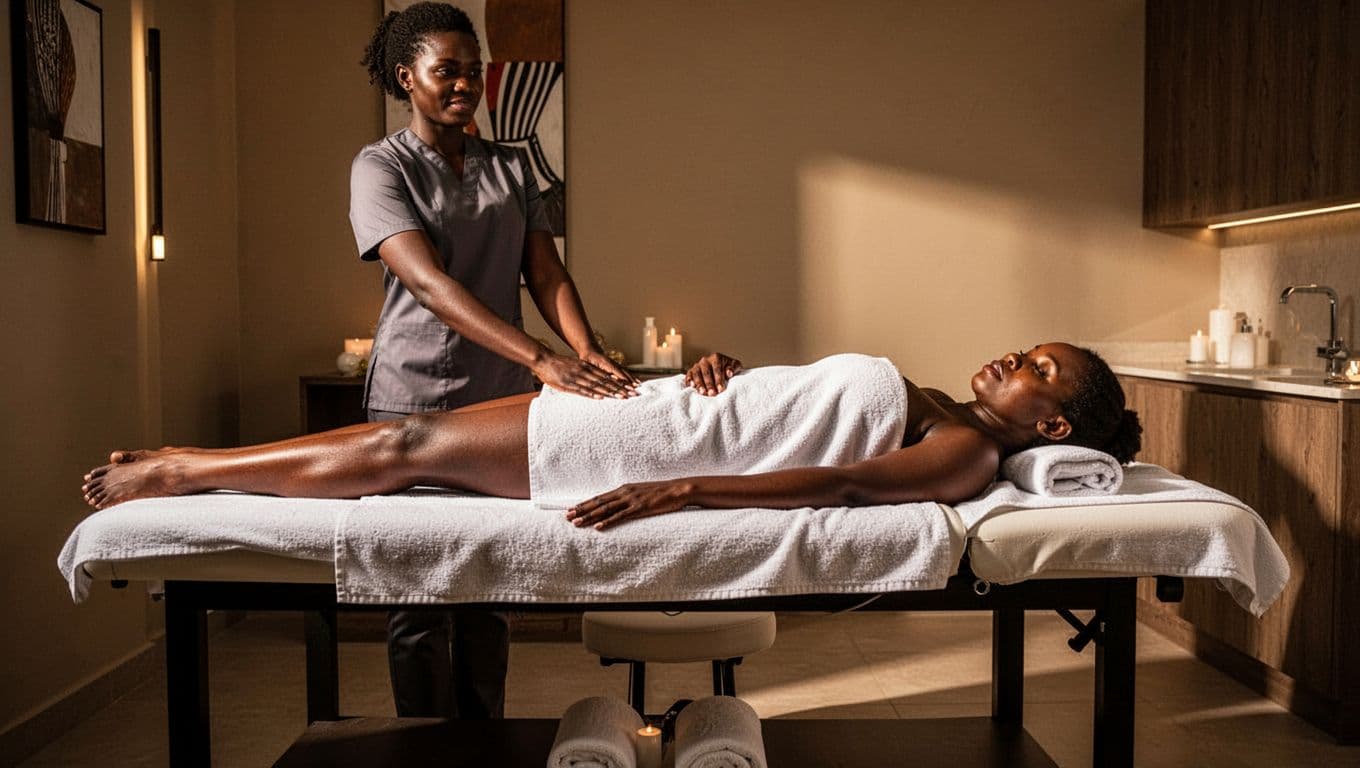
A five-minute phone call can prevent a long trip to the wrong entrance or a booking at a location that no longer offers the treatment you want.
A simple checklist for choosing a safe, trusted spa
A trustworthy spa makes basic information easy to confirm. Look for a clear physical address, a working phone number, a current service menu, transparent prices, and recent reviews that describe real customer experiences. Clean facilities, fresh linens, trained staff, and respectful communication should also be part of your decision.
Before you book, ask who will provide the treatment and whether the therapist has experience with your chosen style. Explain whether you prefer light, medium, or firm pressure. Ask how the therapist handles privacy, draping, changing, and areas you don’t want treated. A professional should answer without making you feel embarrassed or pressured.
Be careful with listings that provide only a vague neighborhood, an unreachable phone number, old prices, or unclear treatment descriptions. A very low offer may leave out the actual treatment time, transport, room charges, or requested add-ons. Pressure to buy products or extras after you arrive is another reason to pause.
For a home or hotel massage, confirm the practical details before paying a deposit. Ask for:
- The therapist’s name and identity confirmation process.
- The service area and any travel or parking fee.
- The expected arrival time and setup time.
- Whether the therapist brings a table, linens, oils, and other equipment.
- How the appointment will be handled if you feel unsafe or need to stop.
Share the address with someone you trust, especially when booking a mobile service for the first time. On arrival, check that the person and treatment match the booking. You can stop the appointment if the location, behavior, or boundaries don’t feel right.
What to do before, during, and after your appointment
Arrive a few minutes early so you can settle in without losing treatment time. Avoid a heavy meal immediately before the session, but continue drinking water normally. Remove jewelry that could interfere with the massage, and tell the therapist about injuries, allergies, pregnancy, recent surgery, medication, or health conditions.
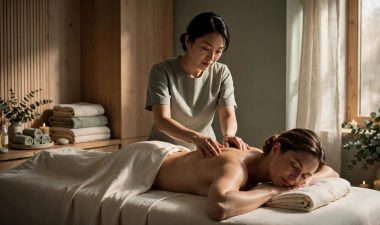
Most appointments begin with a short consultation. The therapist may ask what brought you in, which areas feel tense, and what pressure you prefer. You then change privately, lie on the table under a sheet or towel, and expose only the area being treated. Proper draping protects your privacy throughout the session.
During the massage, the therapist may work across the back, shoulders, legs, arms, feet, neck, or other agreed areas. The exact flow depends on the treatment, your goals, and the time booked. If you want less pressure, a different position, another technique, or no work on a particular area, say so immediately.
You can ask for less pressure, stop a technique, or end the appointment at any time. Comfort and consent remain part of a professional massage.
Afterward, sit up slowly and notice how your body feels before rushing into traffic. Rest when possible, drink water normally, and avoid treating soreness as proof that the massage worked. Mild tenderness can occur after firm work, but severe or lasting pain is not a normal goal. Discuss persistent pain, numbness, dizziness, or worsening symptoms with a health professional.
When to postpone a massage or ask a medical professional first
Postpone the appointment if you have a fever, contagious illness, open wounds, a fresh rash, or another condition that could spread or worsen with contact. Recent surgery, unexplained swelling, severe pain, a suspected blood clot, or a serious injury also calls for medical guidance before massage.
Tell the therapist in advance if you’re pregnant, taking blood-thinning medication, prone to skin allergies, sensitive to heat, or managing a chronic condition. These details don’t automatically rule out massage, but they may change the pressure, body position, products, or treatment length.
Deep pressure can require modification when bruising or bleeding is a concern. Blood-thinning medicines can increase the risk of bruising, while massage over an acute injury may increase swelling. The American Institute of Alternative Medicine’s massage safety guidance explains why injured or swollen areas may need to heal before receiving direct work.
Hot stone massage also needs careful discussion when you have reduced heat sensation, skin problems, circulation concerns, or difficulty communicating discomfort. The therapist may lower the temperature, avoid certain areas, or recommend another treatment. If you suspect a blood clot or have sudden, severe symptoms, don’t book a massage to address it. Seek medical care instead.
Honest communication helps the therapist keep the session appropriate. You don’t need to provide a diagnosis, but you should share information that could affect pressure, heat, stretching, positioning, or skin contact.
Questions to ask before you confirm a Nairobi massage booking
A clear booking message gives you something to check when you arrive. Ask these questions before sending payment or a deposit:
- Which treatment style will I receive, and what areas does it cover?
- How many minutes are hands-on, excluding consultation, changing, and cleanup?
- What is the total cost, including taxes, travel fees, products, and add-ons?
- Who will provide the treatment, and what experience do they have with this style?
- What is the exact address, entrance, floor, parking arrangement, and accessibility information?
- Will I have a private room and clear draping throughout the appointment?
- What happens if I need to cancel, reschedule, or stop the session?
- Which payment methods do you accept, and will I receive a receipt or confirmation?
- Are hot stones, aromatherapy oils, or body scrubs included or charged separately?
For a couples booking, confirm whether the price covers two people, whether two therapists will work at the same time, and whether both clients can choose different pressure levels or massage styles. Ask if the room has two tables and enough space for private changing.
Mobile clients should confirm the therapist’s identity, arrival window, equipment, setup time, travel fee, and cancellation terms. For deep tissue massage, ask whether the therapist can adjust pressure and work around painful areas. With hot stone massage, ask how heat is checked and whether the treatment can be modified for pregnancy, medication, allergies, or heat sensitivity.
Save the confirmation message, including the date, time, treatment, price, address, and therapist details. If anything changes, contact the spa before traveling. Clear answers make it easier to book a massage in Nairobi with confidence and arrive knowing exactly what to expect.
Frequently Asked Questions
Choosing a massage in Nairobi becomes easier when you know what to ask before booking. The answers below cover common concerns about price, treatment style, appointment length, safety, and preparation.
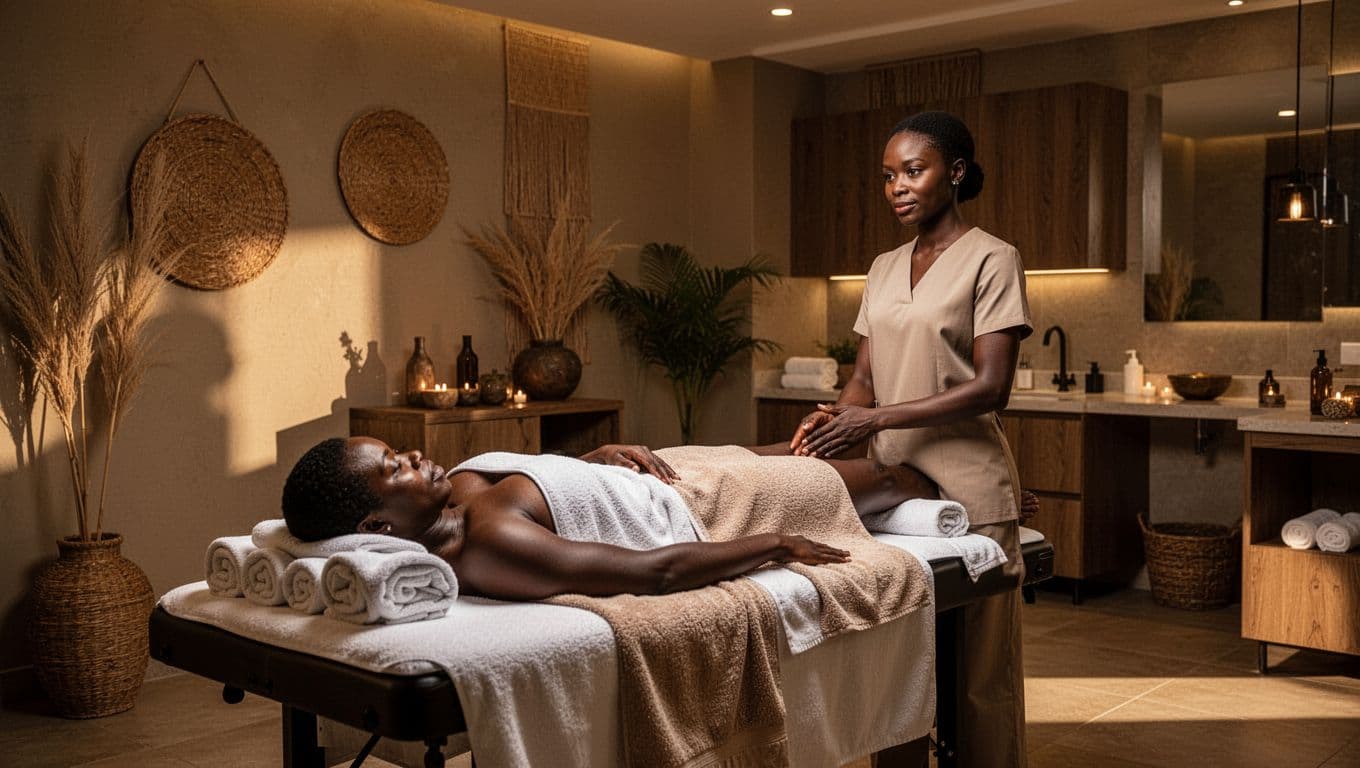
What is the average cost of a 60-minute massage in Nairobi?
Many standard 60-minute massage sessions in Nairobi cost around KSh 3,000 to KSh 7,500. That range covers many neighborhood spas, wellness studios, and mid-range providers, although the final price depends on the treatment and location.
Budget options may cost less, while hotel spas, specialist therapists, and luxury wellness centers can charge more. Mobile appointments may also include a travel or setup fee. Before you pay, confirm the current total price, the exact massage type, the hands-on treatment time, and any included extras such as aromatherapy oils, hot stones, steam access, or refreshments.
A low advertised rate may apply only to a short treatment or a basic service. Ask whether the price is per person, especially when booking a couples massage. You can also compare the provider’s current services with general information about massage benefits and wellness effects before selecting a treatment.
Which massage is best for a first-time visitor?
A Swedish or relaxation massage is usually a comfortable starting point when you’re unsure what to book. The therapist can adjust the pressure more easily, and the treatment generally uses smooth strokes rather than intense, focused work.
Tell the therapist that it’s your first massage and explain whether you want a calming session, relief for tight shoulders, or help after travel. You can request light, medium, or firmer pressure, then ask for an adjustment at any point. A good therapist should treat that conversation as part of the appointment, not as an interruption.
Your best choice still depends on your comfort, goals, health history, and personal preferences. Some people enjoy a more active Thai massage, while others prefer a focused foot treatment after walking around Nairobi. If you have an injury, skin condition, recent surgery, or other health concern, seek appropriate medical guidance before booking.
Can I book a massage near my Nairobi hotel or home?
Yes, but you usually have two choices: visit a spa near your hotel or home, or arrange a mobile massage with a therapist who travels to you. A spa appointment gives you access to a prepared treatment room, massage table, linens, and the provider’s facilities. An in-room or home visit offers convenience and privacy, but you may need to provide enough space for setup.
Before accepting a mobile appointment, confirm the provider’s service area and whether travel, parking, or late-hour fees apply. Ask who will arrive, how the therapist will verify their identity, and whether they bring the table, towels, oils, and other equipment. You should also know how much time the setup takes, since the advertised appointment length may refer only to hands-on treatment.
Privacy deserves equal attention. Make sure you have a comfortable, private room and understand the draping arrangements before the session begins. Share the booking details with someone you trust when meeting a mobile therapist for the first time, and stop the appointment if the person, behavior, or setting doesn’t match what you agreed to.
How long should a massage session last?
A 30-minute massage can suit one problem area, such as tight shoulders, tired feet, or a stiff lower back. It can also work as a quick reset when your schedule or budget doesn’t allow a longer visit. Ask whether the quoted time includes consultation and changing, because some providers separate those activities from hands-on treatment.
A 60-minute appointment is a common balanced choice. It gives the therapist enough time to discuss your needs and work across several areas without making the session feel rushed. For many visitors, this length works well after travel, exercise, long hours at a desk, or a demanding day in Nairobi.
A 90-minute session allows more time for a full-body treatment or a slower, more detailed approach. However, longer isn’t automatically better. Choose the duration according to your goals, energy level, and budget. If you’re new to massage or unsure how your body will respond, starting with 60 minutes may feel more manageable than committing to an extended appointment.
Is deep tissue massage supposed to hurt?
Deep tissue massage can feel intense because the therapist applies focused pressure to areas of muscle tension. You may notice strong, unfamiliar sensations, but the treatment should remain within a level you can tolerate. Sharp, alarming, burning, or worsening pain is a reason to speak up immediately.
Tell the therapist when the pressure feels too strong, when an area feels numb, or when a technique causes pain that spreads. The therapist should adjust the pressure, change the technique, work around the area, or stop when necessary. Remaining silent can make the appointment less comfortable and may leave you sore afterward.
People with injuries, unexplained swelling, circulation concerns, blood-clot risks, recent procedures, or other medical conditions should seek appropriate guidance before choosing deep tissue work. Some medications can also affect massage safety, particularly those that increase bleeding or clot-related concerns. The American Massage Therapy Association’s medication guidance explains why therapists need to know about relevant medicines before treatment.
What should I bring to a spa appointment in Nairobi?
Most spa appointments require very little preparation. Bring comfortable clothing, your booking confirmation, a payment method, and any medication or personal items you may need during the visit. Loose clothing makes it easier to change after a massage, especially if oils have been applied.
Arrive clean and allow a few extra minutes for check-in. Before treatment starts, mention allergies, sensitive skin, pregnancy, recent injuries, health conditions, or products you want the therapist to avoid. If you take regular medication, share any information that could affect pressure, heat, stretching, or the use of oils.
Avoid bringing valuables when possible. You can usually leave jewelry, expensive watches, and unnecessary electronics at home or in a secure place. Also, confirm whether the spa accepts cash, mobile payment, or cards before arriving. A booking confirmation and clear payment plan help you settle in quickly and focus on the treatment.
Conclusion
Finding the right massage in Nairobi starts with a clear purpose. Choose Swedish or relaxation massage when you need to settle after a demanding day, focused work when your muscles feel tight, or a foot treatment when walking and travel have left your legs tired. Your goal should guide the treatment more than a familiar name on the menu.
Before booking, compare the total price, hands-on session length, included extras, and location. A clean, trustworthy spa with clear communication will help you feel comfortable, while an easy-to-reach neighborhood can make the appointment more practical. Tell the therapist about your pressure preference, health concerns, sensitive areas, and anything you want to avoid. If you need two therapists, a private room, or an evening or weekend appointment, book ahead because popular providers and couples sessions can fill quickly.
Maya Spa is one local option to explore when comparing Nairobi spa and massage services. Once the details are confirmed, you can arrive without guesswork and let the city fall away for an hour. The best session leaves you feeling lighter, more comfortable, and more present, with enough ease to carry into the rest of your day.

[…] by looking at the massage types and typical Nairobi prices, then choose the treatment that best matches your body’s needs and your […]