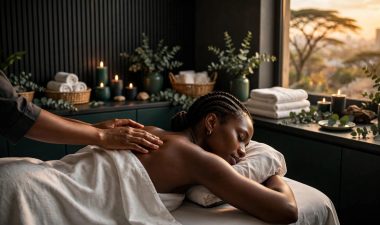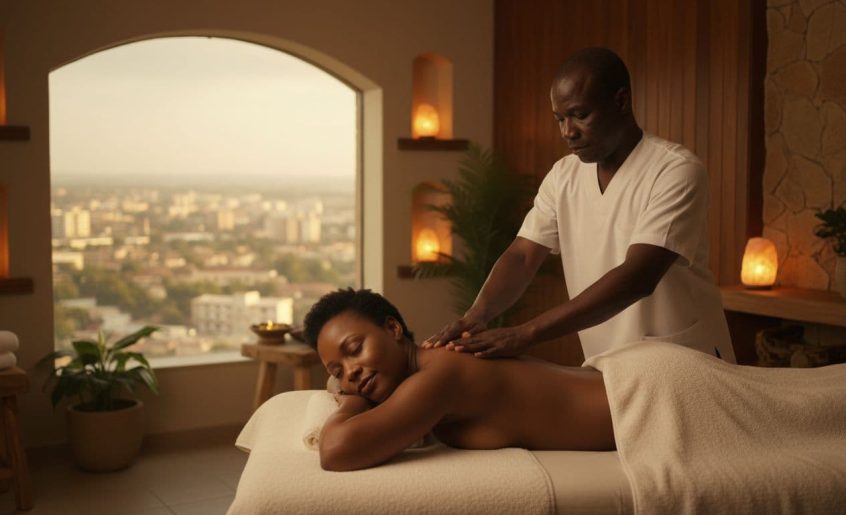
Leaving Nairobi’s traffic behind, you step into a quiet massage room where the noise fades, your shoulders drop, and your breathing starts to slow. That change of pace is often what you need after long hours at work, a demanding trip, or tired muscles from exploring the city.
When you’re searching for massage Nairobi, three answers matter most: which treatment suits your body and goals, what the session may cost, and how to choose a spa you can trust. Maya Spa is a Nairobi wellness and beauty spa with a client-centered approach, offering personalized care for relaxation, tension, and physical fatigue. You can also compare options such as Nairobi aromatherapy massage before deciding what fits you best.
This guide looks at popular massage styles, Nairobi neighborhoods, typical price ranges, booking considerations, safety, and simple aftercare. Start by matching the treatment to the reason you want a massage, then use the following guide to choose with confidence.
Key Takeaways
- Choose massage in Nairobi according to your goal, whether you want relaxation, targeted muscle work, recovery, or relief for tired feet.
- Compare the treatment style, session length, location, therapist, total price, and cancellation policy before booking.
- Consider a Nairobi foot massage treatment after long walks, travel, or outdoor activities.
- Share allergies, injuries, pregnancy, medical conditions, and relevant medications with your therapist before treatment.
- Avoid massage over wounds, infections, fever, or unexplained severe pain, and review massage therapy safety guidance when health concerns apply.
What Massage in Nairobi Can Help You Feel and Do
Massage in Nairobi can give you time to slow down, release ordinary muscle tension, and reconnect with how your body feels. The best treatment depends on your goal, pressure preference, comfort with oil, available time, and the setting you want.
Massage may support relaxation, a calmer mood, temporary comfort after travel or activity, and easier everyday movement. It doesn’t diagnose or treat serious conditions, so persistent, severe, or unexplained symptoms need medical attention.
Choose a Massage Based on the Result You Want
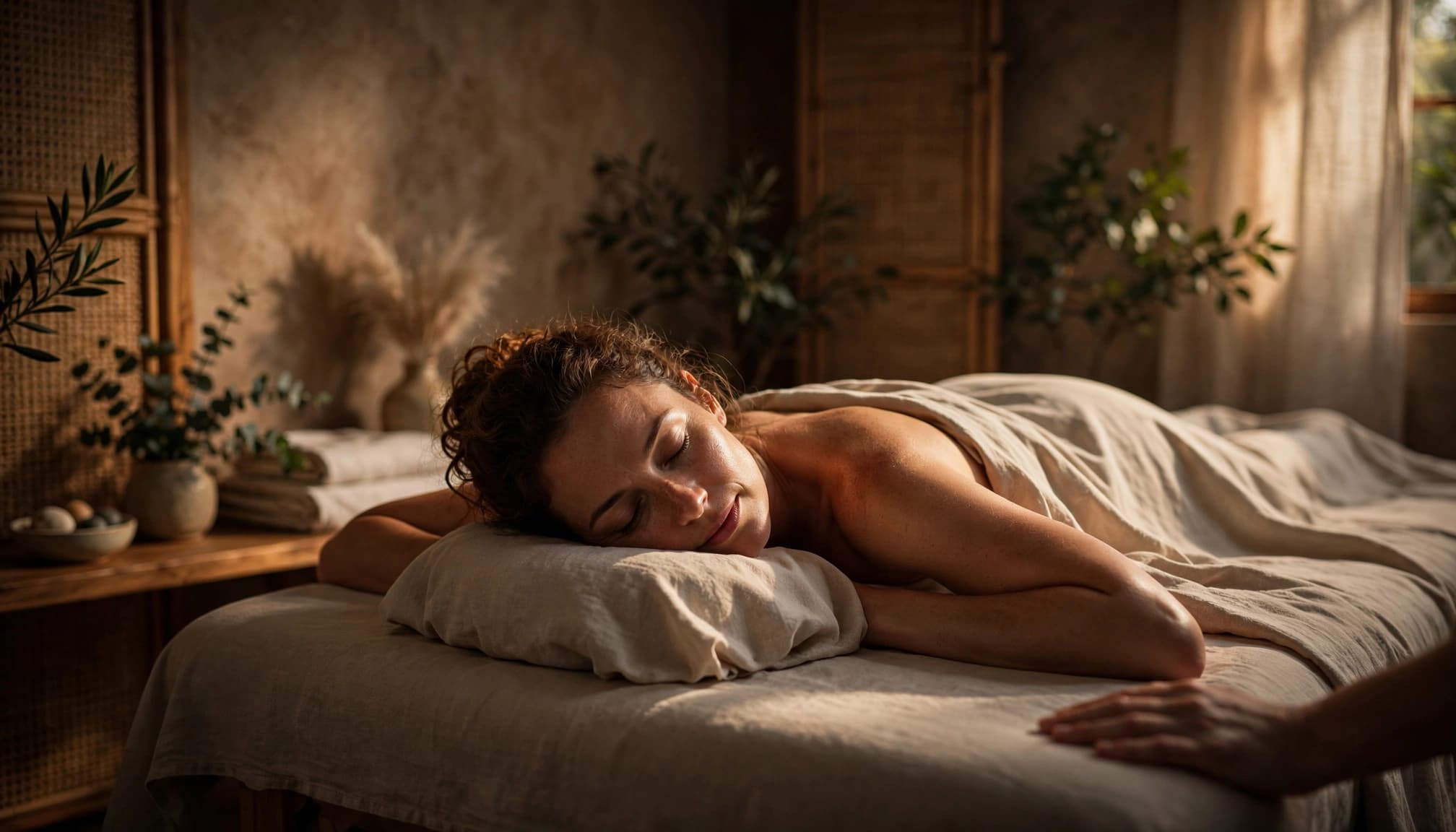
Start with the result you want, rather than choosing a technique by name alone. A clear explanation helps the therapist adjust the session to your body that day.
- Gentle relaxation usually suits you when stress, travel, or a busy schedule has left you feeling wound up. Swedish-style strokes, light pressure, and a peaceful room can help your breathing slow and your body settle.
- Focused work may fit ordinary tightness in your shoulders, back, calves, or hips. Kneading, compression, and careful friction can concentrate on selected areas without turning the appointment into a test of endurance.
- Stretching and mobility work may appeal to active clients who feel stiff. Thai massage often includes assisted stretching and pressure while you remain clothed, so it offers a different experience from an oil-based treatment.
- Tired feet after walking, flying, trekking, or exploring Nairobi may need a dedicated foot massage. Ask for lighter work if your feet feel tender, blistered, swollen, or unusually painful. Maya Spa’s foot massage treatment may be a useful option for active travelers.
- A soothing sensory experience may be your priority. Aromatherapy adds fragrance and diluted oils, while hot stones add warmth. Ask about unscented products if strong scents cause headaches, nausea, coughing, or skin irritation.
Firm pressure should remain controlled and tolerable. Mild tenderness can occur around tight muscles, but sharp, burning, electric, numb, or alarming sensations are reasons to speak up immediately. The therapist can reduce pressure, change position, use another technique, or stop working on that area.
Pain isn’t proof that a massage is working. Your body should have room to relax and breathe normally.
Massage can complement medical care, but it cannot repair a torn muscle, correct nerve compression, or explain unexplained pain. Share injuries, pregnancy, health conditions, skin problems, circulation concerns, and relevant medications before treatment.
How a Nairobi Spa Session Usually Unfolds
A professional appointment usually starts with a short consultation. The therapist asks why you booked, which areas feel tense, what result you want, and whether any health concern could affect the treatment. This is the right time to mention allergies, sensitive skin, recent surgery, fever, swelling, or pain after an injury.
Next, the therapist explains the plan, including the areas to be treated, expected pressure, oil or lotion, and draping arrangements. You should know what clothing to remove, what remains covered, and how to position yourself. Privacy and dignity should remain part of the treatment, not an afterthought.
During an oil massage, long gliding strokes may warm the muscles and spread the product across the skin. Kneading can address ordinary tightness, while focused compression or friction requires more careful adjustment. If fragrance matters to you, ask which oil will be used and whether an unscented option is available.
Consent continues throughout the appointment. You can request less pressure, more coverage, a different scent, a room-temperature change, a pause, or an entirely different focus. You can also stop the session without giving a reason. Guidance from the National Center for Complementary and Integrative Health also supports realistic expectations about massage benefits and safety.
Afterward, allow a few minutes to sit up, dress, and notice how you feel before rushing back into traffic or errands. Drink fluids normally, choose gentle movement if you feel tender, and contact a healthcare professional for worsening pain, weakness, numbness, major swelling, dizziness, breathing trouble, or other unusual symptoms.
Compare the Best Massage Types Available in Nairobi
Massage in Nairobi can feel completely different depending on the technique, pressure, setting, and services included. Compare the details before booking, because treatment names, therapist training, session times, prices, and package inclusions vary between providers.
Swedish and Full-Body Massage for Gentle Relaxation
Swedish massage is a common choice for first-time clients or anyone seeking general relaxation. The therapist usually combines light to moderate pressure with flowing strokes, kneading, and gentle friction. Oil or lotion is normally applied directly to the skin, while proper draping keeps areas not being treated covered.
A full-body session may include the back, shoulders, arms, legs, neck, and hands. However, “full body” doesn’t always mean the same thing at every Nairobi spa. Ask whether the price includes the feet, scalp, face, abdomen, or a short consultation. You should also confirm the session length and whether the therapist can adjust pressure during the appointment.
Swedish massage can help you settle after travel or a demanding day, but it shouldn’t be presented as a cure for pain or illness. For another relaxation-focused option, compare Maya Spa’s relaxing massage treatments.
Deep Tissue Massage for Focused Muscle Tension
Deep tissue massage uses slower, more focused pressure over one or two areas that feel tight after desk work, exercise, or travel. The client normally lies on a massage table with oil or lotion, although the therapist may use less product for firmer contact.
More pain doesn’t mean a better result. A useful comfort range is around four to seven out of ten, and you should still breathe normally while relaxing the rest of your body. Tell the therapist if you hold your breath, clench your jaw, or brace against the table.
Mild tenderness can occur afterward, but sharp, burning, electric, numb, bruising, or alarming sensations aren’t normal treatment discomfort. Speak up immediately so the therapist can reduce pressure or stop.
Hot Stone and Aromatherapy Massage for a Calmer Experience
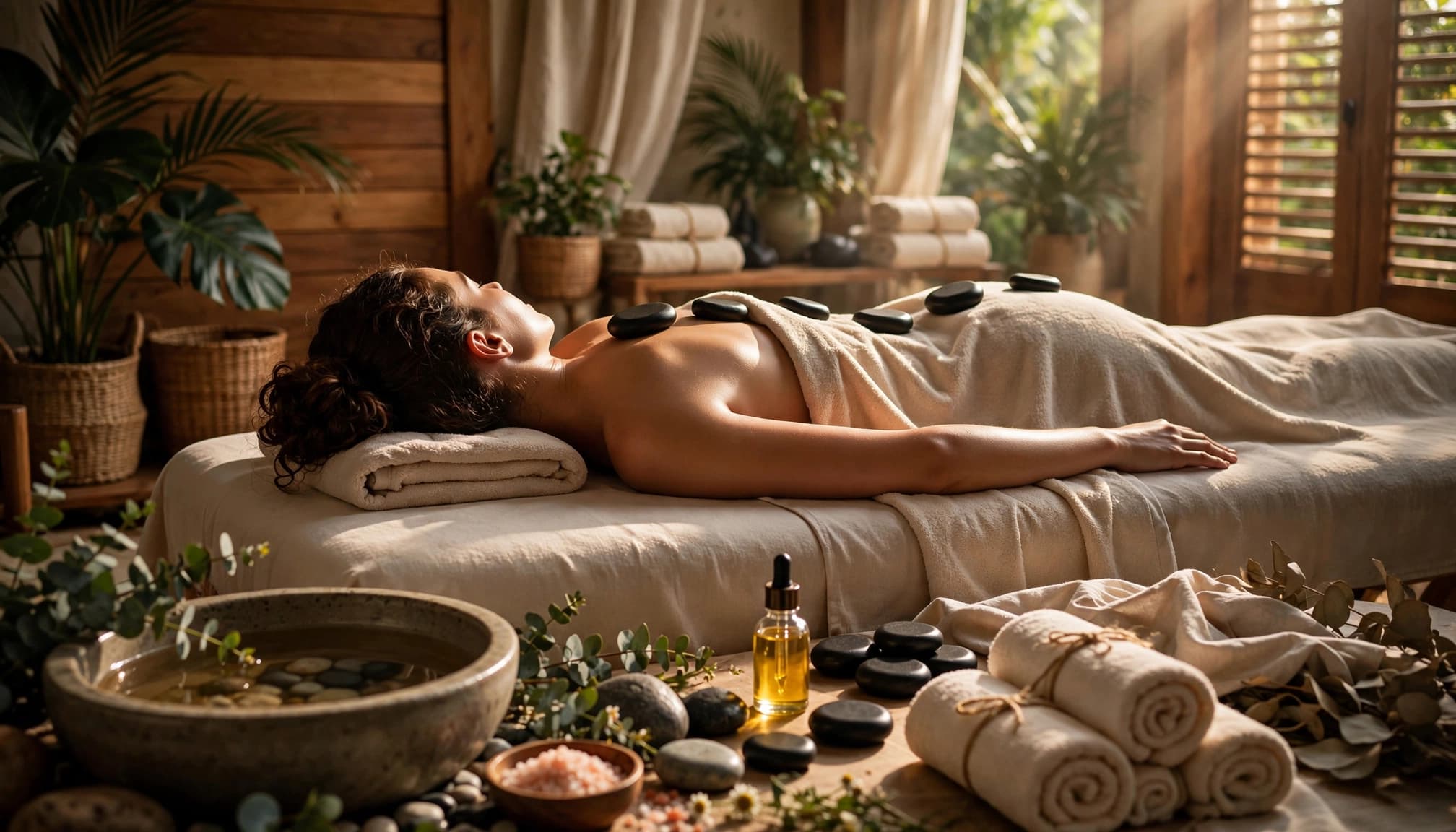
Hot stone massage adds the warmth and weight of smooth, heated stones to a relaxing treatment. Aromatherapy massage usually involves diluted essential oils, direct skin contact, and fragrance. Both options normally use a table, draping, and oil, but you can request unscented lotion if strong scents affect you.
Before booking, mention allergies, asthma, migraines, pregnancy, and skin sensitivity. Ask which oils will be used and whether the stones are tested before contact. Oils shouldn’t touch broken, infected, irritated, or recently damaged skin.
Good ventilation matters too. If fragrance causes coughing, nausea, headaches, chest tightness, or breathing discomfort, ask for fresh air and stop the scented treatment.
Thai Massage, Foot Massage, and Reflexology for Movement or Tired Feet
Thai massage differs from oil-based treatments because you generally remain clothed on a mat. The therapist uses pressure, movement, and assisted stretching, which may suit travelers, runners, and clients who prefer mobility work over stillness. Ask about the therapist’s training and explain any joint problems, recent surgery, pregnancy, or movement restrictions first. A clinical explanation of Thai massage can help you understand how it differs from table massage.
Foot massage suits tired feet after long walks, flights, trekking, or an active Nairobi itinerary. Reflexology may use pressure on specific areas of the feet, but claims that it treats internal diseases aren’t established medical facts. Avoid foot work over blisters, wounds, infections, severe swelling, or diabetes-related foot complications.
Couples Treatments and Multi-Step Spa Packages
Couples massage offers two people a private, shared appointment, often in the same room. Confirm whether both therapists work at the same time, whether the room is genuinely private, and whether a couples surcharge applies. Timing can also differ if one treatment begins before the other.
Packages may combine massage with a body scrub, steam, sauna, bath, beauty therapy, or another wellness service. These packages usually cost more and require additional time, so ask for the exact treatment order, total duration, facilities, and cancellation terms.
Maya Spa’s broader wellness menu includes relaxing and herbal massages, singing bowl therapy, Korean special baths, beauty therapy, and foot treatments. You can also review its Korean special bath experience when comparing a massage with a wider spa visit. Menus change, so confirm current availability and bookable services directly before making plans.
Massage Prices in Nairobi: What You May Pay and What Changes the Rate
Massage prices in Nairobi are best treated as market signals, not fixed rates. A short session at a mall kiosk, a private treatment at a standalone spa, and a hotel wellness package can all carry different prices while offering reasonable value for different needs.
Before booking, compare the treatment time, setting, therapist experience, privacy, facilities, and package inclusions. The cheapest option may suit a quick break, while a higher rate may include a quieter room, better amenities, or a longer visit.
Budget, Mid-Range, and Luxury Spa Experiences
A quick mall or chair-massage session may cost around KES 1,000 to KES 1,500. This price is convenient when you have limited time, but the appointment may focus on one area and take place in a shared or highly visible setting. You may not receive a private changing space, extended consultation, or access to showers and relaxation areas.
A mid-range standalone spa commonly charges about KES 2,500 to KES 5,000 for a standard treatment. At this level, you can often expect a private room, clean linens, a short consultation, suitable oils or lotion, and a more complete 30- or 60-minute massage. Therapist choice and appointment consistency still vary, so read the menu carefully and ask who will provide the treatment.
Luxury hotel spas and full-day experiences may cost KES 8,000 to KES 17,000 or more. The rate can reflect the hotel’s location, interior, staff levels, private facilities, robes, relaxation lounges, steam rooms, pools, refreshments, and longer treatment packages. A premium price doesn’t automatically mean a better massage, but it may buy a more predictable and private experience.
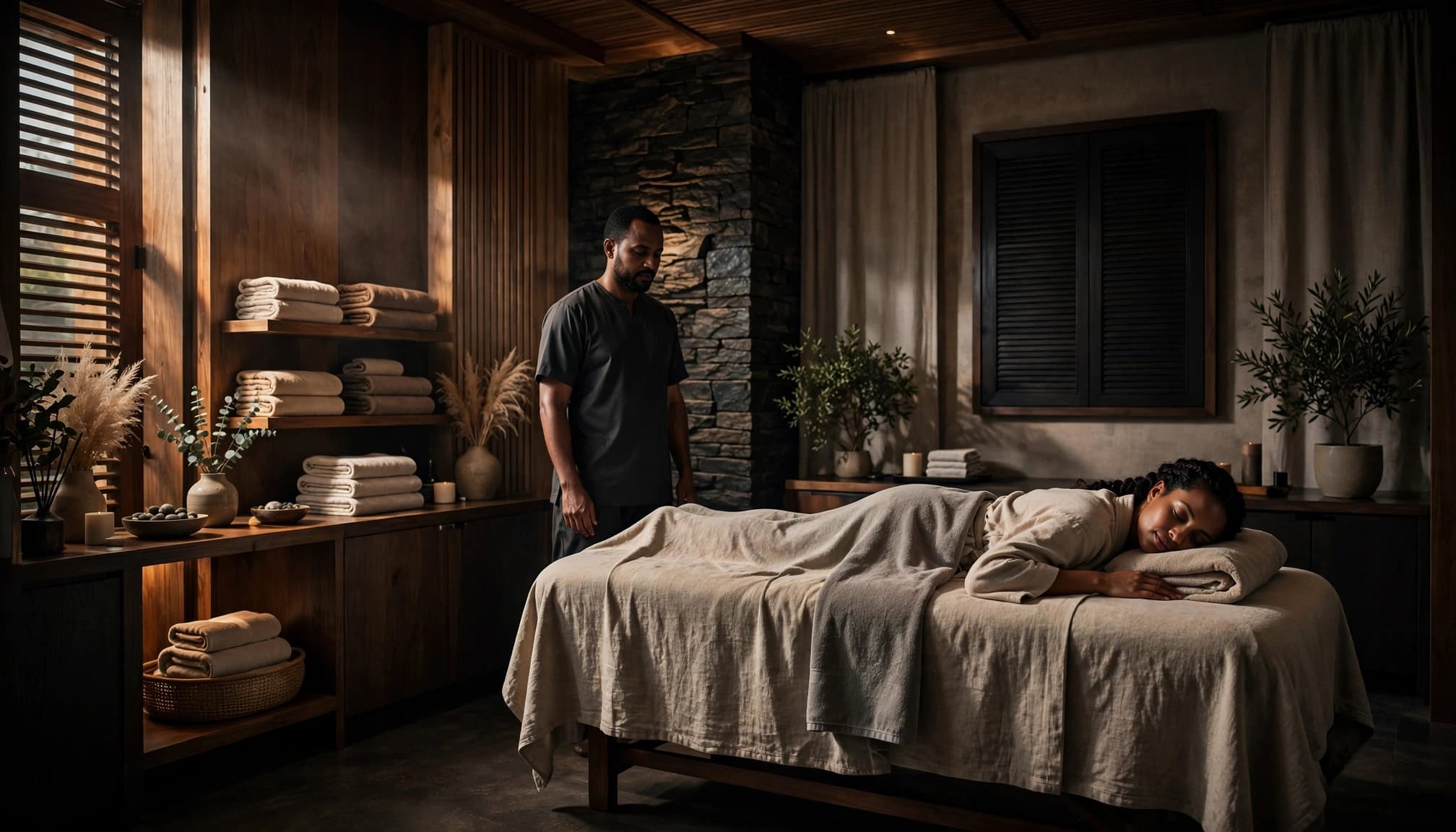
A 60-minute booking can also feel different between venues. One spa may provide nearly an hour of hands-on work, while another includes consultation, changing, and preparation within the appointment window. Ask about that distinction before you compare rates.
A low price can be perfectly practical when you want targeted relief. A higher price should bring clear benefits, such as more privacy, better facilities, longer treatment time, or stronger service consistency.
Typical Nairobi Massage Rates by Treatment and Duration
The following figures are approximate examples, not guaranteed current prices. Menus change, and rates may differ by neighborhood, therapist, day, and venue.
| Treatment | Approximate price guide |
|---|---|
| Swedish massage, 30 to 60 minutes | KES 3,000 to KES 5,000 |
| Deep tissue massage, 30 to 60 minutes | KES 3,500 to KES 5,500 |
| Hot stone massage | KES 4,500 to KES 7,000 |
| Aromatherapy massage | KES 3,000 to KES 5,000 |
| Foot massage, usually 30 to 45 minutes | KES 1,500 to KES 4,500 |
| Thai massage, often 60 to 90 minutes | KES 5,000 to KES 8,000 |
| Couples massage | KES 5,000 to KES 12,000 |
| Massage with steam or body scrub | KES 6,000 to KES 18,400 or more |
Local and mid-range examples often place a 60-minute Swedish massage near KES 3,000 to KES 4,500. Deep tissue may cost slightly more because it requires focused work, while hot stone and Thai treatments often carry higher rates because of the equipment, setup, or therapist skill involved.
Luxury hotel menus can rise well above these ranges. For example, published Nairobi hotel rates place some 60-minute massages near KES 8,000, while longer rituals and couples packages can exceed KES 20,000. Check the provider’s current menu before relying on any online price.
Check What the Quoted Price Really Includes
A “60-minute massage” doesn’t always mean 60 minutes of hands-on treatment. Confirm whether the clock starts at your appointment time or after consultation, changing, and preparation.
Before paying, ask these questions:
- Is the treatment 30, 60, or 90 minutes of hands-on massage?
- Does the price include oils, towels, robes, and a private changing space?
- Are steam room, sauna, shower, or relaxation facilities included?
- Does a package include the body scrub, or is it priced separately?
- Are taxes, service charges, booking fees, or hotel fees added later?
- Does the provider charge extra for transport or an in-suite treatment?
- What happens if you arrive late, reschedule, or cancel?
For packages, request the treatment order and total time in writing. A massage, scrub, and steam package may last 90 minutes, but each service takes only part of that period. Published spa terms and menus in Kenya also show that taxes, service charges, and resort fees can add substantially to a displayed price, so confirm the final amount before you arrive.
If you want to combine massage with beauty care, compare the main treatment with Maya Spa beauty treatments and ask whether the services can be booked together. The best quote is the one that clearly states what you receive, how long it takes, and exactly what you pay.
Find a Convenient Nairobi Spa by Neighborhood and Setting
The best spa location balances travel time, budget, privacy, and atmosphere. A beautiful treatment can feel less restorative when traffic leaves you rushed, parking becomes stressful, or you arrive too late for your appointment.
Nairobi has massage options across busy commercial districts, residential neighborhoods, hotels, malls, and mobile services. Before booking, check the current directions, parking arrangements, security access, traffic conditions, opening hours, and appointment availability.
Westlands, Riverside, Kilimani, and Kileleshwa
Westlands and Riverside suit office workers, visitors, and anyone who wants several spa choices near shopping, dining, hotels, or business centers. Westlands offers strong convenience, but traffic around major roads and commercial areas can make a short journey take much longer during peak hours. A hotel spa or private standalone venue may provide a calmer arrival than a treatment room inside a busy retail setting.
Riverside often appeals to clients who prefer a more controlled, polished environment, especially when considering a hotel-based spa. However, your travel time can depend heavily on congestion along routes connecting Riverside, Westlands, and Kilimani. Schedule earlier than you think if you have a fixed appointment.
Kilimani is a practical choice for residents, remote workers, and office employees who want regular self-care close to home. The area has many residential and commercial pockets, including small malls and apartment-based businesses. You may find late appointments and mid-range pricing, but confirm whether the treatment takes place in a genuinely private room or a shared commercial setting.
Kileleshwa tends to feel more residential than Westlands or central Kilimani. It may suit someone who wants a recurring massage without traveling through a major shopping district. Since listings and availability change, verify the exact building, entrance, parking, and therapist schedule before leaving home.
You can also read about the benefits of regular massage if you are choosing a neighborhood for ongoing appointments rather than a single visit.
For area context, a current Nairobi district guide can help visitors understand how neighborhoods differ before they book.
Karen, South B, and Mall-Based Massage Options
Karen generally suits a planned afternoon or weekend spa visit. The area is associated with premium hotels, destination spas, and slower-paced wellness experiences, so it may appeal to visitors seeking privacy, extra facilities, or a special occasion. Because Karen is farther from many central business areas, allow enough time for the drive and confirm advance booking requirements.
South B may suit residents who want a more accessible neighborhood option for a basic massage or recurring appointment. Prices can be more approachable than luxury hotel rates, although the experience, facilities, hours, and privacy can vary between providers. Check the current service menu and ask what the quoted session includes.
Malls such as Sarit Centre, Village Market, and Junction Mall are useful when you want a short appointment alongside shopping, dining, or another errand. They can also work well for last-minute plans, but convenience does not guarantee a quiet or private treatment.
Before choosing a mall-based massage, confirm:
- Whether the room is enclosed and private.
- How long the hands-on treatment lasts.
- The therapist’s training or credentials.
- How the provider cleans linens, equipment, and treatment surfaces.
- Whether the session is a focused chair massage or a full-body treatment.
Sarit Centre is convenient for clients already in Westlands. Village Market tends to suit a more premium, destination-style visit, while Junction Mall is best treated as a convenient search area rather than a guarantee of a particular spa. Check current listings instead of relying on old recommendations.
How to Choose Between a Standalone Spa, Hotel Spa, and Mobile Service
A standalone spa often gives you a useful middle ground. You may receive a private treatment room, personal consultation, and reasonable neighborhood pricing without paying for extensive hotel facilities. Travel time is usually manageable, but parking, building access, noise, and appointment consistency need checking.
Hotel spas usually offer the most polished atmosphere, stronger reception procedures, and access to amenities such as steam rooms, showers, lounges, or pools. They also tend to cost more and may require advance reservations, identification at the entrance, deposits, or separate charges for facilities.
Mobile massage removes the journey to a spa, which can help after travel or a demanding day. However, you need to check more details before allowing a therapist into your home, hotel room, or rental accommodation. Confirm:
- The therapist’s identity and appointment details.
- The total price, transport fee, deposit, and payment method.
- Whether the therapist brings clean linens, oils, and other supplies.
- How draping and privacy will be handled.
- Whether you have a clean, warm, well-lit treatment space.
- The cancellation policy and emergency contact process.
A reputable provider should answer these questions clearly. If the booking feels rushed, vague, or uncomfortable, choose another option. Your location should make the massage easier to enjoy, not create another source of tension.
Book a Safe, Comfortable Massage in Nairobi
A good massage appointment starts before you enter the treatment room. Check the provider’s reviews, confirm the full price, and make sure the therapist understands your comfort and health needs. When the details are clear, you can relax without wondering what happens next.
Questions to Ask Before You Confirm the Appointment
Use this short script when you call or message a Nairobi spa:
“Which therapist will perform my session, and how much of the appointment is hands-on treatment? What is the total price, including oils, taxes, steam, sauna, or other services?”
Also ask whether advance booking is required, how late arrivals are handled, and what the cancellation or rescheduling policy says. A package may sound attractive, but you need to know whether the advertised time includes changing, consultation, showering, or relaxation facilities.
Before confirming, discuss the details that affect your comfort:
- Can the therapist adjust pressure during the session?
- Can you request a male or female therapist when that preference matters to you?
- Are unscented oils or a weaker fragrance available?
- Can the room temperature, music, coverage, or treatment areas be changed?
- Should you disclose sensitive skin, pregnancy, medication, or a recent injury?
- Is the room private, and what facilities can you use before or afterward?
Book early when you want an evening or weekend appointment, a particular therapist, or access to a premium spa facility. Popular times fill quickly, and advance booking gives you space to ask questions instead of accepting whatever remains available.
Privacy, Hygiene, and Professional Boundaries Matter
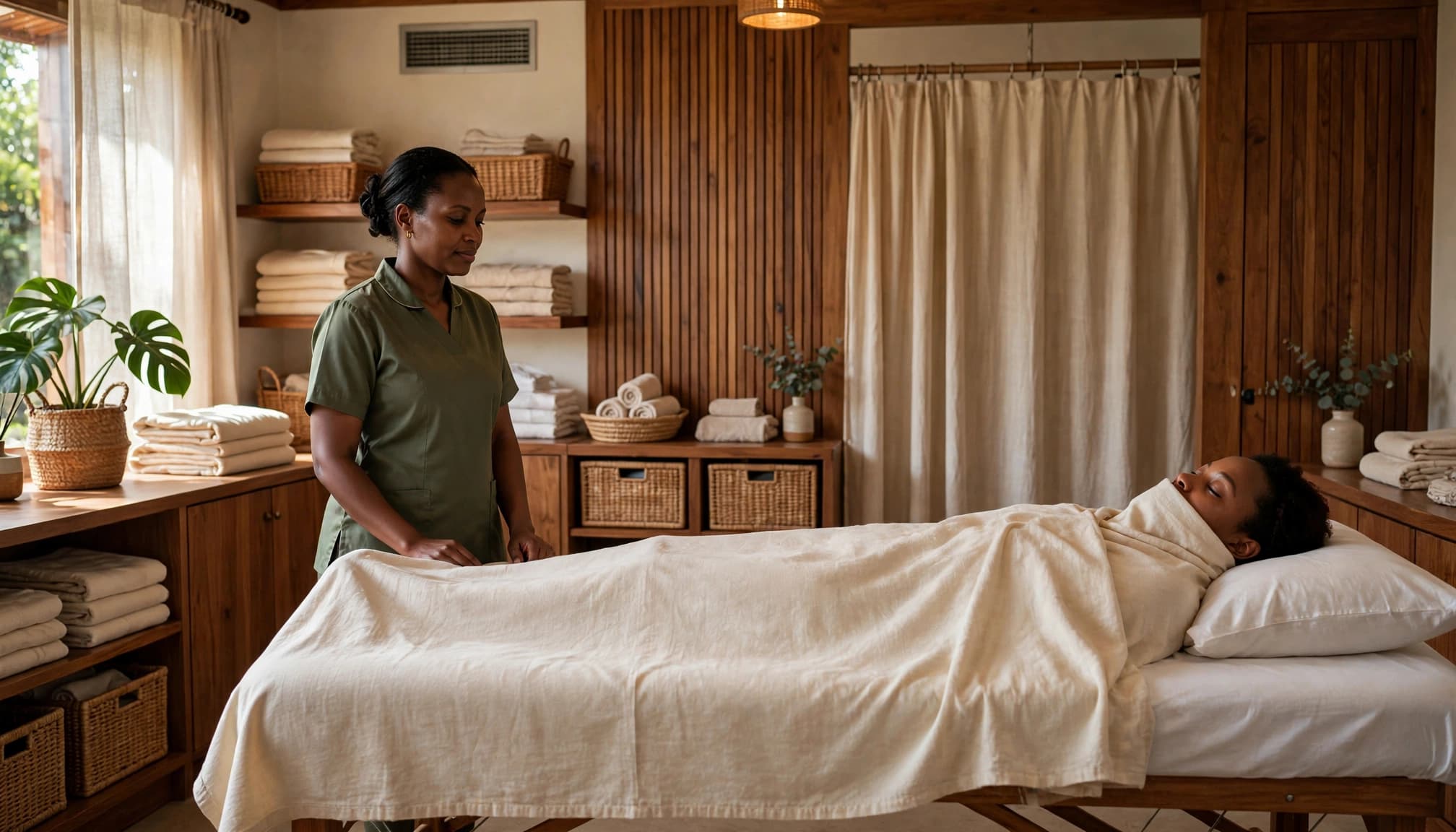
When you arrive, look for basic signs of professional care. The room should be clean and well ventilated, with fresh linens, washed hands, safe equipment, and treatment surfaces that staff clean between clients. Oils, towels, bolsters, and other supplies should be stored neatly rather than left exposed or reused carelessly.
Proper draping protects your privacy. The therapist should explain which areas they will treat, keep the rest of your body covered, and ask before changing the plan. Clear communication matters just as much as a pleasant room.
You never have to accept unwanted exposure, touch, comments, or pressure. Consent is ongoing, so you can ask for more coverage, request a pause, change the treatment, or end the appointment without arguing or explaining. The American Institute of Alternative Medicine’s massage safety guidance also highlights why therapists must consider health conditions before treatment.
If a therapist dismisses your boundary, becomes hostile, or makes you feel unsafe, leave when you can and report the experience to the spa. Comfort should include emotional and physical safety.
Health Situations That Need Extra Care
Massage may need to be postponed or adapted when your body is dealing with a medical concern. Tell the spa about pregnancy, especially if it is high-risk, recent surgery, a significant injury, blood-thinning medication, a bleeding or clotting condition, cancer treatment, uncontrolled blood pressure, neuropathy, severe osteoporosis, or reduced sensation.
Fever, a contagious illness, open wounds, broken skin, or an active skin infection are also reasons to delay treatment. Avoid massage over unexplained severe pain, suspected fractures, sudden swelling, or a possible blood clot. Deep pressure can be unsafe when tissue is injured or when you cannot accurately feel how much force the therapist applies.
You don’t need to diagnose yourself before calling. Share the relevant facts and ask whether the appointment should be modified or postponed. When you’re unsure, contact a qualified clinician first, particularly after surgery or during cancer treatment. A spa therapist can adjust a massage, but cannot assess a serious medical problem.
Prepare for the Appointment and Speak Up During the Session
Arrive 10 to 15 minutes early if possible. That gives you time to check in, use the restroom, discuss your goals, and settle into the room without rushing. Avoid a heavy meal immediately before treatment, silence your phone, and wear clothing that suits the technique. Loose clothing works well after an oil massage, while Thai massage usually calls for flexible clothes that allow movement.
Tell the therapist about areas to avoid, pressure preferences, allergies, skin reactions, pregnancy, recent injuries, and medications that may affect treatment. You can also ask for a gender preference or request that a particular area remain covered.
During the massage, speak as soon as something feels wrong. Burning, itching, dizziness, chest tightness, difficulty breathing, sharp pain, numbness, or emotional discomfort requires an immediate pause. Relaxation doesn’t require tolerating pain, holding your breath, or bracing your muscles against the table.
Aftercare That Helps You Ease Back Into the Day
Keep the rest of your day calm when possible. Drink fluids normally, move gently, and delay hard exercise if your body feels tender. A warm shower, comfortable clothing, and a lighter schedule may help you notice how your body responds.
Mild soreness can follow focused or firm work, especially when an area was already tight. It should gradually improve rather than become sharper, more widespread, or disabling. Contact a healthcare professional if pain worsens or you develop severe swelling, weakness, numbness, breathing trouble, marked bruising, or an allergic reaction.
If symptoms don’t settle, don’t assume they are part of recovery. Medical advice matters more than completing another massage or exercise session.
Make Your Nairobi Spa Visit Feel Personal, Not Routine
A massage becomes more useful when it fits the rhythm of your life. Instead of booking the strongest treatment whenever your body feels tired, choose a session that matches your schedule, energy, and reason for visiting. A thoughtful routine can turn an ordinary appointment into a small wellness ritual.
Build a Simple Self-Care Plan Around Your Treatment
Your available time should guide the booking. A short foot massage works well between activities, especially after walking through Nairobi, attending meetings, or spending hours in transit. It gives tired feet focused attention without taking over your day.
A 60-minute massage is a practical choice after work. You have enough time for the therapist to address your main areas of tension, while the appointment still fits before dinner or an early night. Ask for light or moderate pressure when you want to leave feeling settled rather than sore.
On a quiet weekend, a longer session or spa package can give you more room to slow down. You might combine a full-body massage with a body treatment, bath, or another calming service, provided you have enough time afterward to rest. Confirm the treatment order and total duration before booking.
A simple plan might look like this:
- Choose a foot massage after a long walk, flight, hike, or busy day of sightseeing.
- Book a 60-minute Swedish or aromatherapy massage when stress is affecting your shoulders and sleep.
- Select focused deep tissue work when one area needs attention, then avoid intense exercise afterward.
- Reserve Thai massage when stretching and mobility matter more than oil-based relaxation.
- Pick a longer package when your weekend allows time for treatment, quiet recovery, and an early night.
Consistency matters more than chasing the strongest pressure. Steady hydration, normal meals, gentle movement, and good sleep give your body better support than treating every session as a test of endurance. A short walk and light stretching can be more suitable after massage than heavy lifting or an intense workout. For more ideas about pairing massage with sleep and gentle movement, see this sleep and recovery ritual guide.
Use Your First Visit to Find Your Best Match
Treat your first appointment as a conversation, not a final verdict on massage in Nairobi. Tell the therapist what you want to feel afterward, then notice how carefully they listen and adjust the session.
Pay attention to the details that shape your comfort:
- The room should feel clean, private, well ventilated, and calm.
- The therapist should explain the treatment and check your pressure preference.
- Oils, lotions, and scents should suit your skin and senses.
- Timing should match the advertised hands-on treatment.
- The final cost should include any taxes, add-ons, or facility fees.
- You should feel comfortable asking for a pause, more coverage, or a change in technique.
Keep a note on what helped you relax. Record the pressure level, oil or scent, therapist communication, areas treated, room temperature, and how your body felt later that day. Next time, you can say, “Use moderate pressure on my shoulders, avoid my lower back, and use unscented oil.” Clear preferences make each return visit more personal.
When comparing providers, Maya Spa’s emphasis on teamwork, personalized care, restorative treatments, and a peaceful environment offers useful criteria to consider. You can review its tailored massage experiences and compare the atmosphere, communication, and treatment choices with your own priorities.
The right decision path is simple: choose Swedish or aromatherapy for calm, deep tissue for focused tension, Thai massage for stretching, foot massage after active travel, or a package when you have time for a fuller reset. Then protect a little quiet time afterward, so the benefit of the appointment doesn’t disappear the moment you step back into traffic.
Frequently Asked Questions
Choosing massage in Nairobi becomes easier when you know what to expect before booking. These answers cover practical details that can affect your comfort, timing, and total experience.
How far ahead should I book a massage in Nairobi?
Book at least 24 to 48 hours ahead when you want a particular therapist, a couples room, or a 90-minute appointment. Advance booking also helps when you need an evening or weekend slot, since those times can fill quickly.
For a simple weekday session, same-day availability may be possible. Still, call first rather than assuming a spa can accept walk-ins. Confirm the appointment time, location, treatment length, deposit, and cancellation policy in one conversation.
Should I tip my massage therapist in Nairobi?
Tipping is usually optional in Nairobi spas, so you don’t need to treat it as a compulsory charge. Many clients leave a tip when the therapist provides attentive service, respects boundaries, and adjusts the massage well.
The amount depends on the spa’s policy and your satisfaction. A modest tip of about 5% to 15% is a reasonable general guide, but ask whether service charges already appear on the bill. If you prefer, you can thank the therapist directly or check whether the spa accepts tips through its payment system.
What should I bring to a Nairobi spa appointment?
Bring your booking confirmation, a payment method, and loose clothing for afterward. Comfortable clothes make changing easier, especially when your skin still has oil or lotion on it.
You should also bring any personal medication or items you may need during the visit. Before treatment, tell the therapist about allergies, sensitive skin, pregnancy, injuries, health conditions, or products you want to avoid. Arriving 10 to 15 minutes early gives you time to use the restroom and complete any intake details without rushing.
Can I request a male or female massage therapist?
Yes, you can ask for a male or female therapist when making your booking. This preference is reasonable, particularly if you feel more relaxed with a specific therapist or have personal, cultural, or comfort-related concerns.
Availability may depend on the spa’s schedule, so mention your preference before confirming the appointment. You can also request the treatment areas, pressure level, draping style, room temperature, and scent you prefer. A professional therapist should listen without making you feel uncomfortable.
Can massage help me sleep better?
A relaxing massage may help you settle before bed when stress, travel, or muscle tension keeps you alert. Gentle pressure, quiet surroundings, and time away from traffic and screens can make it easier to shift into a calmer evening routine.
Book early enough to return home without rushing. Aromatherapy may suit you if you enjoy fragrance, while unscented oil is better when scents trigger headaches or irritation. Massage can support sleep habits, but ongoing insomnia, loud snoring, or severe daytime fatigue needs medical attention.
What should I do if I feel sore after massage?
Mild tenderness can occur after firm or focused work, especially when your muscles were already tight. Rest, gentle movement, normal hydration, and a break from strenuous exercise may help while your body settles.
Contact a healthcare professional if the pain becomes severe, worsens, or continues beyond two to three days. New numbness, weakness, major swelling, extensive bruising, fever, chest pain, or difficulty breathing needs prompt medical attention. If you want a gentler option for head and neck relaxation, ask whether a cranial release massage treatment is suitable before booking.
Can I book a massage when I am pregnant?
Tell the spa about your pregnancy before selecting a treatment. The therapist may adjust your position, pressure, timing, and products, but high-risk pregnancy, recent complications, bleeding, suspected blood clots, or bed rest require medical guidance first.
Avoid choosing deep pressure without discussing it with your healthcare provider and therapist. Guidance on prenatal massage safety also highlights warning signs that need medical care rather than massage. Your comfort and health should decide whether the appointment goes ahead.
Conclusion
Choosing the right massage in Nairobi starts with a clear goal. Gentle relaxation, focused muscle work, tired feet, and mobility needs each call for a different approach, while controlled pressure and realistic expectations help protect your comfort.
Before booking, compare the full cost, hands-on treatment time, inclusions, location, privacy, and professional standards. During the session, communicate openly about pressure, scents, coverage, sensitive areas, and any discomfort. Maya Spa currently lists personalized massage services in Nairobi and is located at Limpopo Hotel on Kedong Road in South B, but confirm its current massage services, prices, location details, and booking availability before visiting.
After the traffic, appointments, and daily demands, make room for rest that feels suited to your body. A thoughtful massage can help you slow down and return to your day feeling more at ease.