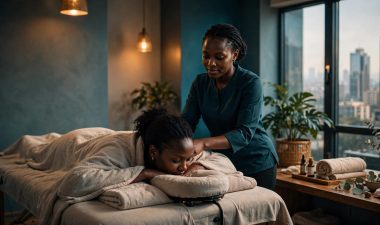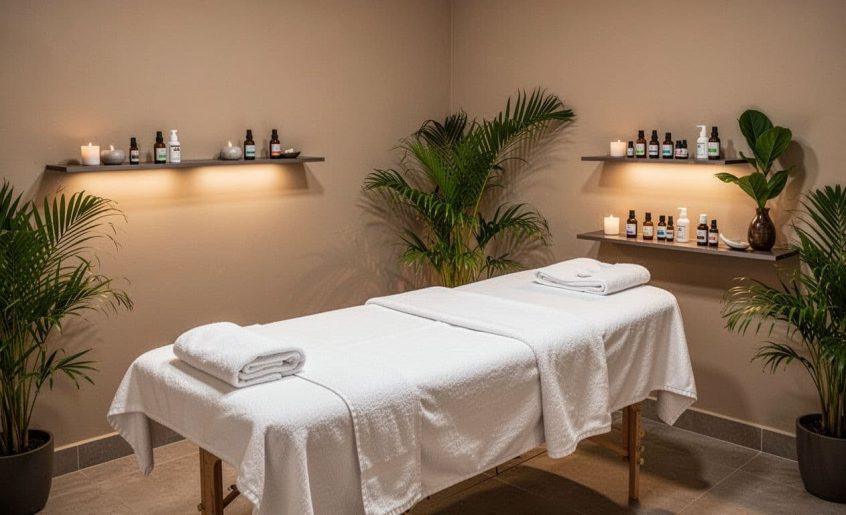
After a long day in Nairobi traffic, hours at a desk, or a demanding workout, your body may be asking for a quiet place to reset. Finding a massage near me is about more than choosing the closest spa; you also need the right technique, a trusted therapist, clear pricing, a clean setting, and respectful care.
This guide will help you compare massage styles, local spas, Nairobi prices, safety questions, and booking options, with practical advice for choosing a session that fits your needs. You can also explore these massage benefits and pricing before you book, remembering that massage may support relaxation and temporary comfort, but it doesn’t replace medical care. First, let’s look at the main massage styles available in Nairobi.
Key Takeaways
- Choose a Nairobi spa that explains its massage styles, therapist experience, prices, session length, draping, and cancellation policy before you book.
- Prioritize clean linens, washed hands, fresh equipment, proper ventilation, and a private room where you feel comfortable.
- Share allergies, injuries, pregnancy, medications, skin conditions, and pressure preferences during your consultation.
- You control the session. Request less pressure, a different scent, more coverage, a pause, or an immediate stop at any time.
- For fragrance-based treatments, review aromatherapy massage precautions and remember that massage therapists cannot diagnose medical problems or replace healthcare providers. (Massage therapist scope of practice)
Massage Near Me: How to Find a Convenient and Trustworthy Spa
When you search for a massage near me in Nairobi, start with more than the first map result. Location matters, but so do travel time, opening hours, treatment goals, privacy, cleanliness, and the way the spa communicates before you arrive.
A convenient spa should make your appointment easier, not create new stress. Compare the location with your daily route, then check whether the provider offers the calm, professional setting you want.
Match the Location to Your Schedule and Comfort
A spa near home may suit a regular evening appointment, while one near work can help you fit in a session before heading home. If you’re staying at a hotel, a nearby neighborhood spa may offer a more personal experience than the hotel’s own wellness facility. Travelers should also compare spas along the route between Jomo Kenyatta International Airport, their hotel, and planned tourist activities.
Nairobi traffic can turn a short distance into a long journey. Check the estimated travel time at the hour you expect to travel, especially if you’re booking after work. Ask about parking, the nearest public transport stop, and whether the entrance is easy to identify. If you’ll travel after dark, consider the surrounding streets, available security, and whether you’ll have a reliable way to get home after the appointment.
Leave enough time to arrive, check in, and discuss your preferences. Rushing through traffic and walking straight into a treatment can make it harder to relax. Opening hours also deserve attention. A spa that closes before you finish work may be less convenient than one slightly farther away with suitable evening hours.
Your treatment goal should guide the setting. Someone seeking quiet relaxation may prefer a private wellness spa, while an active traveler with tired feet may want a focused foot treatment. Maya Spa serves clients in Nairobi, including people seeking a calm wellness experience in South B. Use it as an example of what to look for: a clear service menu, a reachable location, and treatment options that match your reason for booking. Travelers who have spent the day walking may also consider foot massage for tired feet.
The closest provider is only a good choice when you also feel comfortable there. A professional reception area, respectful communication, clean surroundings, and clear privacy practices matter as much as the number of minutes saved on the road.
Different spa settings suit different priorities:
| Setting | Convenience and privacy | Facilities and likely cost |
|---|---|---|
| Neighborhood spa | Often easy to reach and practical for repeat visits; privacy varies by provider. | Usually offers treatment-focused facilities and moderate prices. |
| Hotel spa | Convenient for hotel guests and travelers; usually provides a polished, private setting. | May include showers or relaxation areas, with higher prices common. |
| Mobile massage | Removes travel after the appointment and works well for hotel guests. | Privacy depends on the room, while travel and setup fees may increase the total. |
| Wellness center | Often provides a broader wellness menu and organized booking process. | Facilities may be stronger, with prices varying by treatment and amenities. |
What a Professional Local Spa Should Tell You Before Booking
Before you send a deposit, review the service menu carefully. Names such as Swedish, deep tissue, aromatherapy, relaxing, or foot massage should come with plain descriptions. You should understand the session length, treatment focus, areas covered, and whether oils, hot stones, steam, or other extras are included.
The spa should display working contact details, a physical location, current opening hours, and a clear booking process. Recent reviews can reveal whether clients mention punctuality, hygiene, therapist skill, privacy, and accurate pricing. Look for patterns rather than relying on one glowing comment or one angry review.
Ask whether the therapist has experience with your treatment goal. You can also mention allergies, sensitive skin, pregnancy, injuries, or pressure preferences before the appointment. A professional provider will answer directly instead of dismissing your concerns.
Draping and boundaries should be explained before treatment begins. The NHPC guidance on professional touch emphasizes informed consent and appropriate draping. You should know which areas the therapist will treat, what will remain covered, and how to request a change or stop.
Vague or suggestive advertising deserves caution. So do requests to move the conversation into private channels, pressure to book immediately, sudden price changes, and refusal to explain coverage or draping. Professional wellness massage uses clear service language and respects your choices. Unclear sexual wording can create confusion about what you are booking.
Before paying, ask:
- How long will the hands-on session last?
- What services and products does the listed price include?
- Is the quoted amount final, including any service or transport fees?
- Which body areas will the therapist cover?
- How will draping and privacy work?
- What experience does the therapist have with this treatment?
- What happens if I need to reschedule or cancel?
- When will I receive booking confirmation?
Clear answers give you a better appointment and make it easier to leave if the spa avoids basic questions.
Choose a Massage Style Based on What You Want to Feel
Massage names can help you compare services, but your desired result matters more than the label. Pressure, pace, oil, stretching, heat, scent, clothing, and body position can vary between spas, so describe what you want to feel before choosing a treatment.
Relaxation, Swedish, and Aromatherapy Massage for Everyday Stress
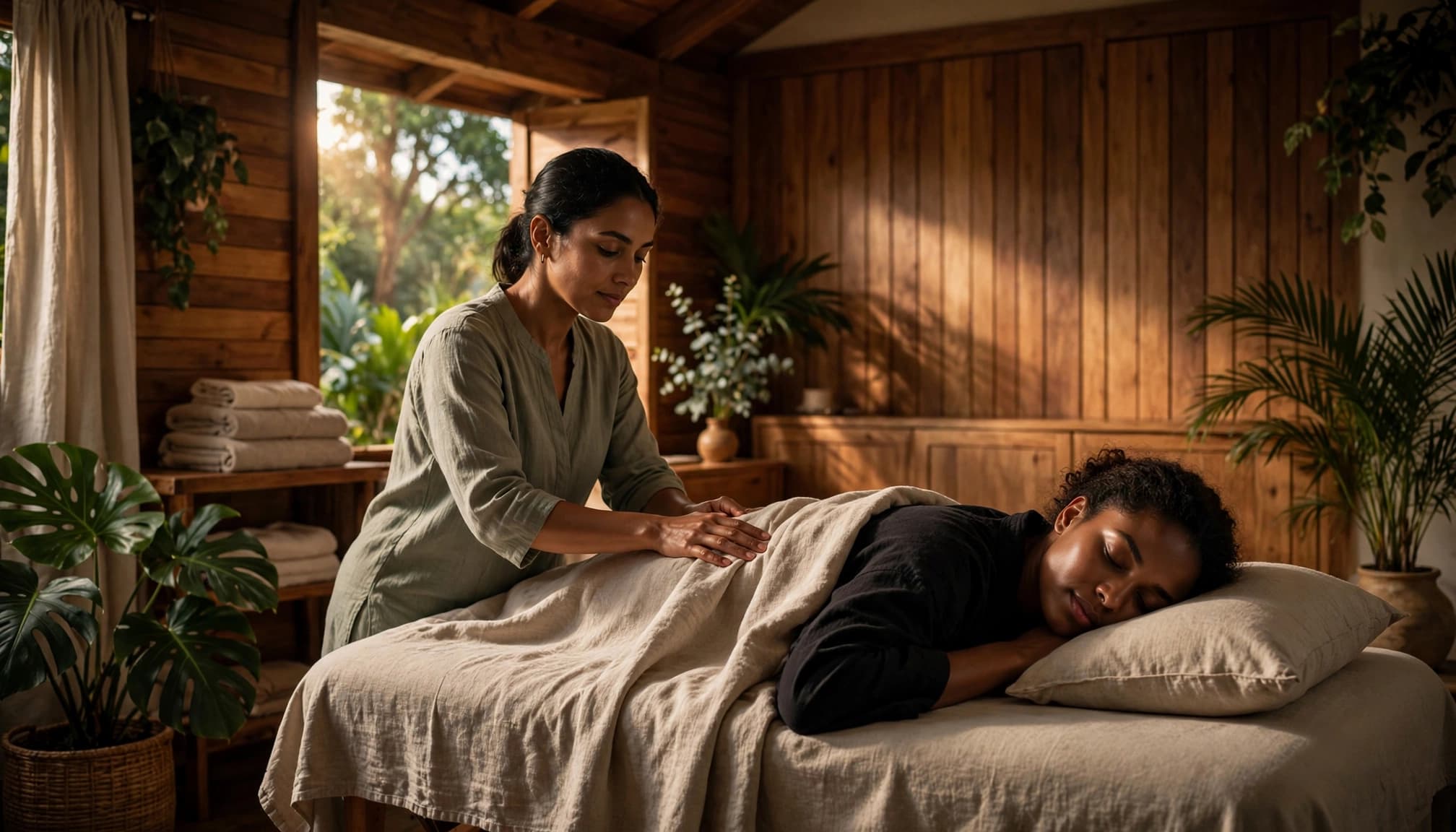
Swedish or relaxation massage suits people who want calm, flowing work. Slow strokes, a steady rhythm, peaceful surroundings, and unhurried breathing can help your body settle after work, travel, or a demanding day. A peaceful spa environment also makes it easier to relax before the hands-on treatment begins.
Your therapist may use effleurage, the French term for long gliding strokes. These movements warm the muscles, spread oil across the skin, and create a smooth transition between areas. They may also use petrissage, which means kneading, lifting, rolling, or gently squeezing muscle tissue. The pressure should feel comfortable, not alarming.
Aromatherapy massage adds diluted oils and fragrance to a gentle massage. The hands-on technique usually creates the physical sensation, while the oil and scent add a sensory element. Fragrances can cause headaches, nausea, coughing, skin irritation, or breathing discomfort, so disclose allergies before treatment and ask whether unscented products are available. Good ventilation matters too.
Deep Tissue and Focused Massage for Tight Muscles
Focused massage may suit you when tension is concentrated in the neck, shoulders, back, hips, or calves. Rather than applying firm pressure everywhere, the therapist can spend more time on selected areas and adjust the pace as your muscles respond. A practical starting range is about 4 to 7 out of 10, although the right pressure depends on your body and the treatment area.
Mild tenderness can happen after firmer work, especially when muscles already feel tight. However, pain is not proof that massage is working. Pressure should still allow normal breathing and some ability to relax. Sharp, burning, electric, numb, bruising, or unbearable sensations are reasons to speak up immediately.
Focused work may not be suitable over a fresh injury, sudden swelling, severe pain, unexplained nerve symptoms, or an area with reduced sensation. If you have a recent operation, skin infection, blood-clot concern, or worsening symptoms, ask a healthcare professional before booking. Massage contraindication guidance can help you prepare questions, but a spa therapist cannot diagnose the cause of serious pain.
Thai, Foot, Hot Stone, and Sound-Based Treatments
These treatments feel very different, so consider your comfort, mobility, heat tolerance, and preferred level of sensory input.
- Thai massage usually takes place on a mat. You remain clothed while the therapist uses compression, movement, rocking, and assisted stretching. Choose loose clothing and ask for smaller stretches if your mobility is limited.
- Foot or trekker’s foot massage focuses on tired feet, soles, heels, ankles, and lower legs. It can suit travelers, hikers, and people who spend long hours standing. Tell the therapist about blisters, swelling, bruising, or painful areas.
- Hot oil or herbal treatments add warmth and a soothing product to oil-based massage. Ask what ingredients are used, whether the oil is heated, and whether a patch test is appropriate for sensitive skin.
- Hot stone massage adds heated stones to the treatment. Confirm the temperature before stones are placed, and report heat that feels painful, burning, or excessive.
- Singing bowl therapy focuses on sound, stillness, and a quiet sensory experience rather than traditional muscle work. It may suit someone who wants relaxation without firm pressure or extensive bodywork.
Before booking a massage near you, describe the outcome you want: light relaxation, relief for tired shoulders, gentle care after walking, or a clothed treatment with stretching. That information gives the therapist room to choose suitable techniques instead of applying a routine that does not fit you.
What Happens During a Massage Appointment Near You
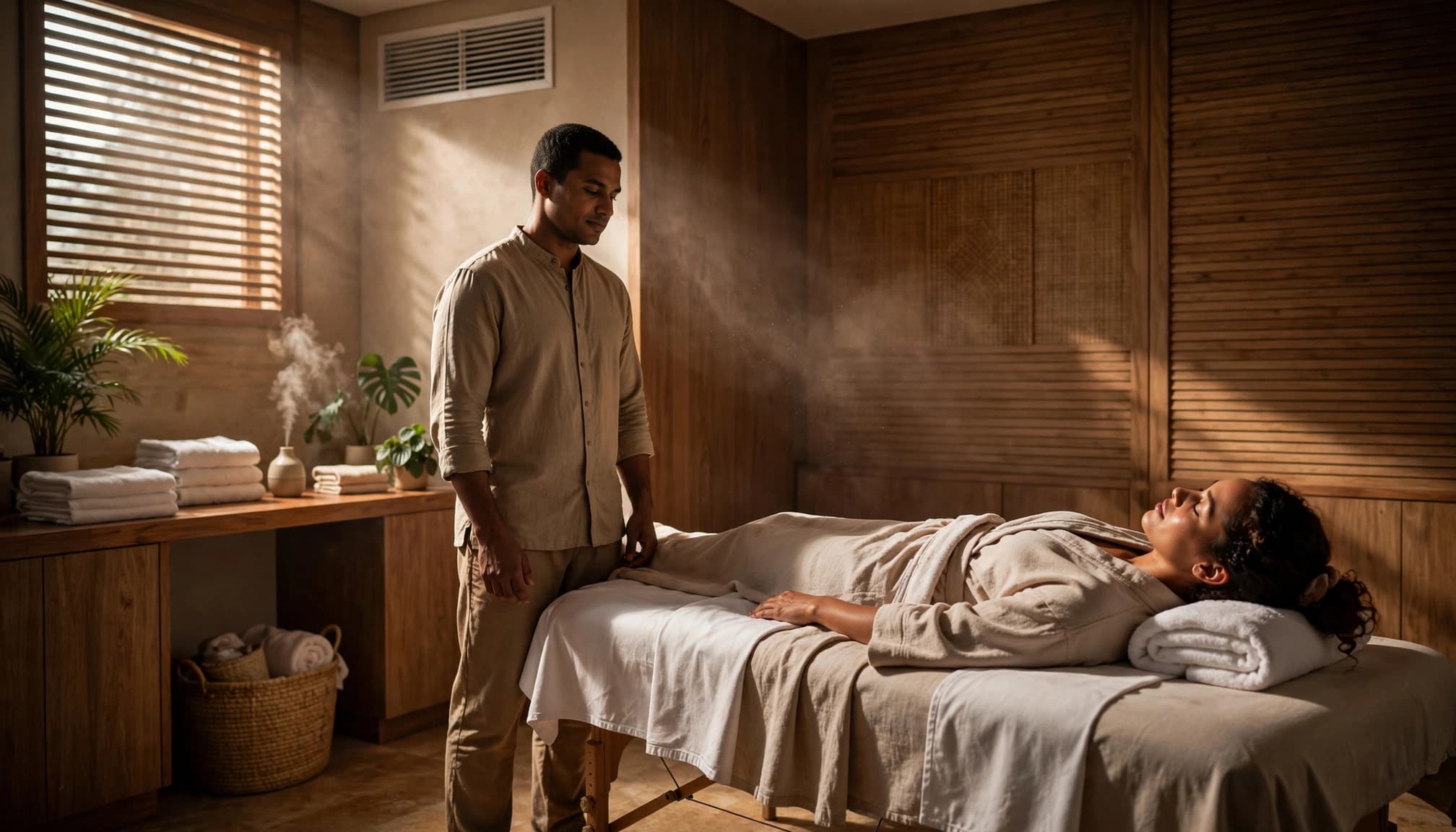
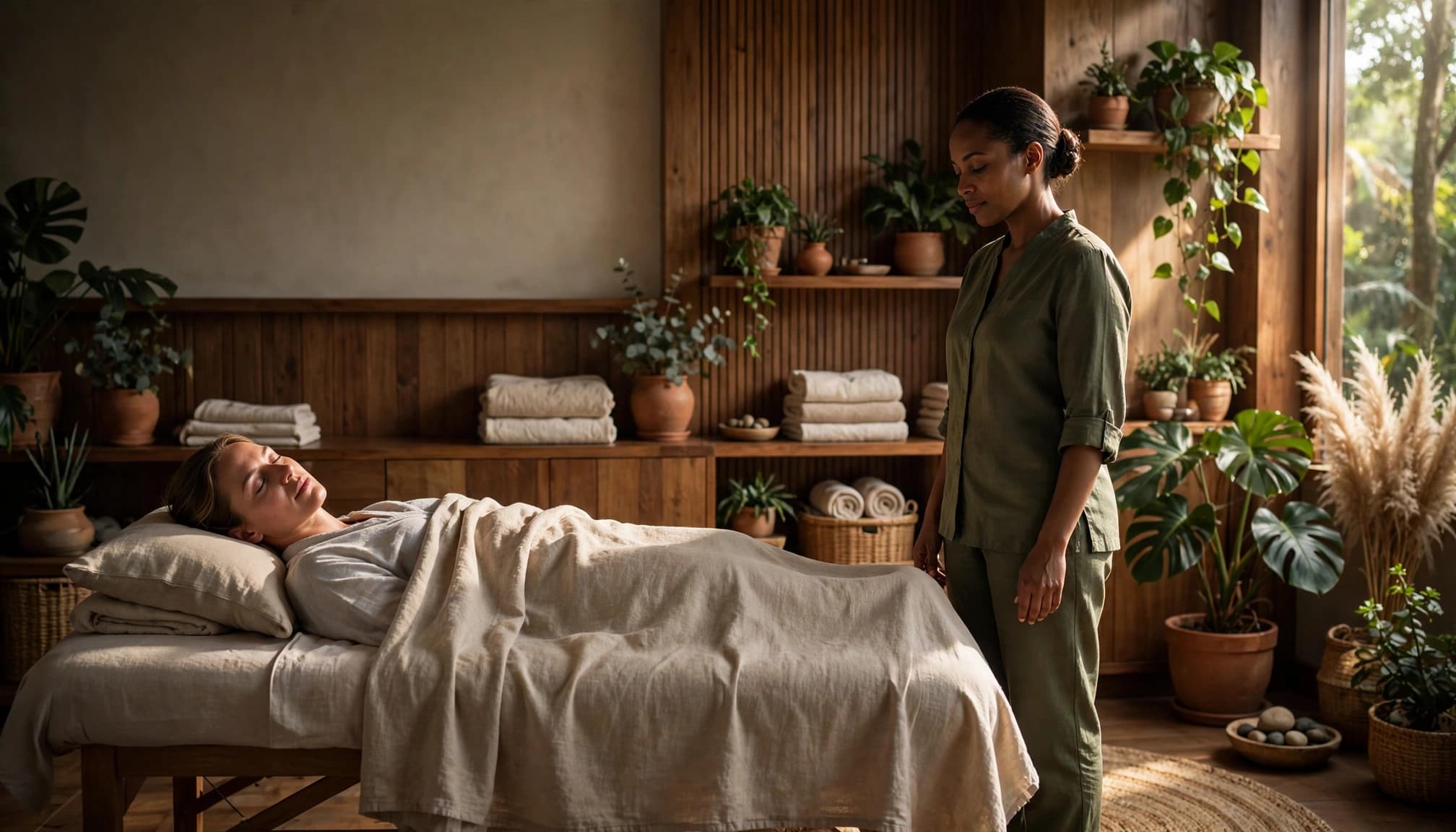
A massage appointment usually follows a calm, predictable rhythm. You check in, discuss your needs, prepare for treatment, and settle into a private room before the therapist begins with gentle contact. The session should feel professional, respectful, and shaped around your comfort.
At check-in, confirm the treatment, session length, price, and any extras. A trustworthy spa should provide clean linens, washed hands, suitable ventilation, and enough privacy for changing and treatment. The room may include soft music, a comfortable temperature, and fragrance, but you can request changes if any detail affects your comfort.
The Consultation Is Your Chance to Set Clear Boundaries
Before the massage begins, tell the therapist what you want and what they should avoid. Share your preferred pressure, areas of concern, painful or sensitive areas, recent injuries, pregnancy, allergies, sensitive skin, health conditions, medications, and recent procedures. You should also mention if you dislike fragrances, heat, stretching, or any particular position.
For aromatherapy or oil-based treatments, ask which products the therapist plans to use. Essential oils should not touch broken, irritated, infected, or recently damaged skin. If scents cause headaches, nausea, coughing, or breathing discomfort, request an unscented product and good airflow. You can also ask for a patch test if you have reactive skin.
Changing clothes depends on the massage style. Thai massage usually takes place on a mat while you remain clothed, so loose, breathable clothing works well. For an oil massage, the therapist should explain what to remove, provide privacy, and keep you covered with a sheet or towel except for the area being treated.
Draping should protect your privacy throughout the appointment. Professional massage has no sexual purpose. The therapist should respect your boundaries without pressure, suggestive comments, or attempts to change the service.
You may use simple phrases such as:
- “Please use lighter pressure.”
- “That feels sharp, so please stop.”
- “I would like more coverage.”
- “Please avoid my left shoulder.”
- “Could you lower the room temperature?”
- “I would prefer no fragrance.”
- “I need a pause.”
The therapist may begin with long, gliding strokes called effleurage. These movements warm the muscles, spread oil, and establish a steady pace. Depending on your treatment, you may also feel kneading, compression, gentle friction, or light rhythmic tapping. Some sessions include supported stretching or changes in position.
Pressure should feel controlled and tolerable. If you hold your breath, clench your jaw, grip the table, or brace your whole body, ask for an adjustment. Consent continues throughout the appointment. You can request more or less pressure, a different scent, more coverage, a temperature change, a new position, a pause, or an end to the session at any time. Ethical consent requires ongoing communication, not only permission at the start, as explained in this informed consent guidance.
The therapist often finishes with slower strokes, gentle movement, or a few quiet moments before you sit up. Take your time standing, especially after a long session or firm treatment. You can then ask about products used, expected tenderness, and sensible aftercare.
Simple Aftercare for a Comfortable Recovery
Keep the rest of your day easy when possible. Drink fluids normally, eat if you’re hungry, take a gentle walk, and allow your body time to settle. If the therapist used firm or focused pressure, avoid strenuous exercise while you feel tender. Light movement is usually more comfortable than immediately returning to intense activity.
Mild tenderness can occur after deeper work, but it should gradually improve. Judge the appointment over the next day or two by your comfort, relaxation, sleep, mood, and movement, not by soreness or bruising. You can read more about the benefits of regular massage when planning future appointments.
Contact a healthcare professional for worsening pain, major bruising, swelling, weakness, numbness, breathing trouble, chest discomfort, dizziness, or symptoms that limit normal movement. Severe or sudden symptoms need prompt medical care rather than another massage session.
Massage Prices in Nairobi and What Changes the Final Cost
Massage prices in Nairobi can vary widely, even when two spas use the same treatment name. A 60-minute session may commonly cost around KES 3,000 to KES 7,500, while a 30-minute appointment may fall near KES 2,600 to KES 3,500. At premium locations, a 90-minute massage can reach KES 6,000 or more.
These figures are useful for planning, not fixed rates. Your final cost depends on the neighborhood, therapist’s experience, treatment style, room, products, facilities, appointment time, and service quality. A clear quote helps you avoid surprises when searching for a massage near me.
Compare the Treatment, Not Just the Advertised Number
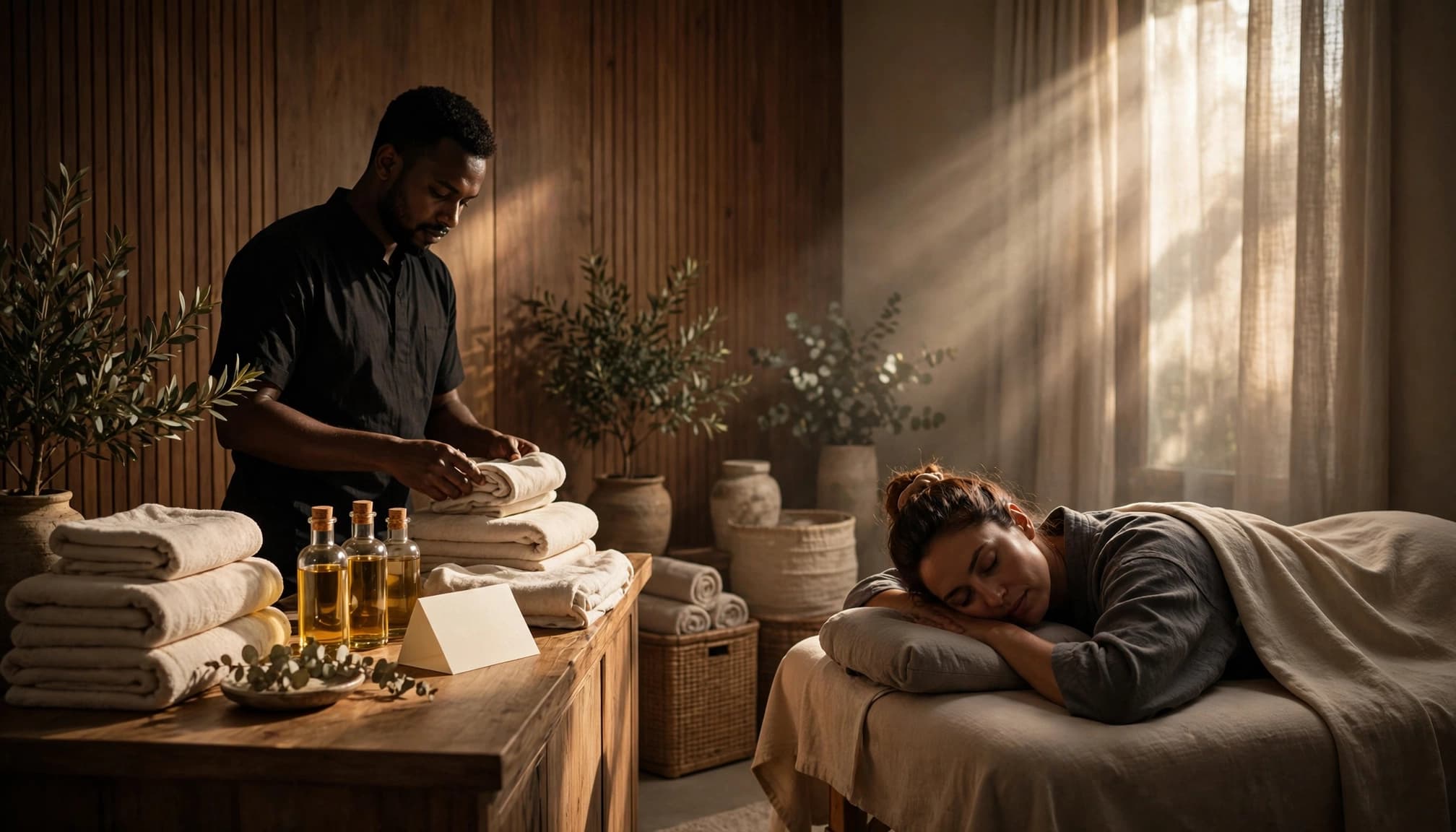
A low price may cover less hands-on time, a basic room, limited product choices, or a simpler massage routine. Another provider may charge more because the session includes a private room, an experienced therapist, better linens, a quieter setting, and time for a proper consultation. Before booking deep tissue massage in Nairobi, check what the treatment actually includes.
Ask whether the listed duration covers hands-on massage or the entire appointment. For example, a 60-minute booking might include changing, consultation, and cleanup, leaving less time on the table. Also confirm whether oils, towels, showers, refreshments, and access to a sauna or steam room come with the advertised price.
The setting can change the bill as well. Hotel and luxury spas often charge more for their facilities, location, privacy, and polished service. A mobile massage may save you the trip home, but travel, setup, parking, or late-hour fees can increase the total. Couples sessions may have a combined price or a separate charge per person, so ask before you assume the amount covers both guests.
Other common price differences include:
- Longer appointments provide more treatment time but may use a higher hourly rate.
- Hot stones, premium oils, scrubs, and herbal products may cost extra.
- A focused shoulder or foot treatment may be priced differently from a full-body massage.
- Evening, weekend, holiday, or last-minute bookings may carry different rates.
- Packages can reduce the per-session cost when you already want every included service.
Packages are useful when they match your plans. A bundle that combines massage with a scrub or steam session may offer good value if you would book those services anyway. However, a spa should never add treatments, products, or upgrades without your clear consent. You have the right to confirm each extra before it appears on the bill.
Pay attention to the small terms that can change the final amount. Ask whether the price is per person or per couple, and whether it includes taxes, service charges, card-processing fees, transport, setup, parking, or late-hour charges. A deposit may also be required. Written cancellation terms help you understand when a deposit is refundable or when a missed appointment creates a charge. Businesses commonly use deposits and cancellation fees to manage reserved appointment time, but the provider should explain the policy before payment. You can review this appointment deposit and cancellation fee guide for general background, then confirm the specific rules with the Nairobi spa.
Send this message before booking:
Hi, I’m interested in a massage. How many minutes are hands-on, and which massage style is included? Are oils and towels covered? Please confirm the full amount, any extra charges, accepted payment methods, and your cancellation or rescheduling policy. Is the price per person or per couple?
A trustworthy provider should answer each question plainly. Compare the complete experience, not just the cheapest number on a search page. The best value is a session that gives you the time, care, privacy, cleanliness, and communication you expect for the amount you pay.
Stay Safe by Knowing When Massage Is and Is Not Appropriate
Most healthy adults can receive massage safely, especially when the therapist uses suitable pressure and adapts the session to the client’s needs. However, some health conditions, recent injuries, medications, and symptoms require medical advice or a modified treatment. A good spa will ask questions before you lie on the table, then respect your answers.
Questions to Answer Before You Lie on the Table
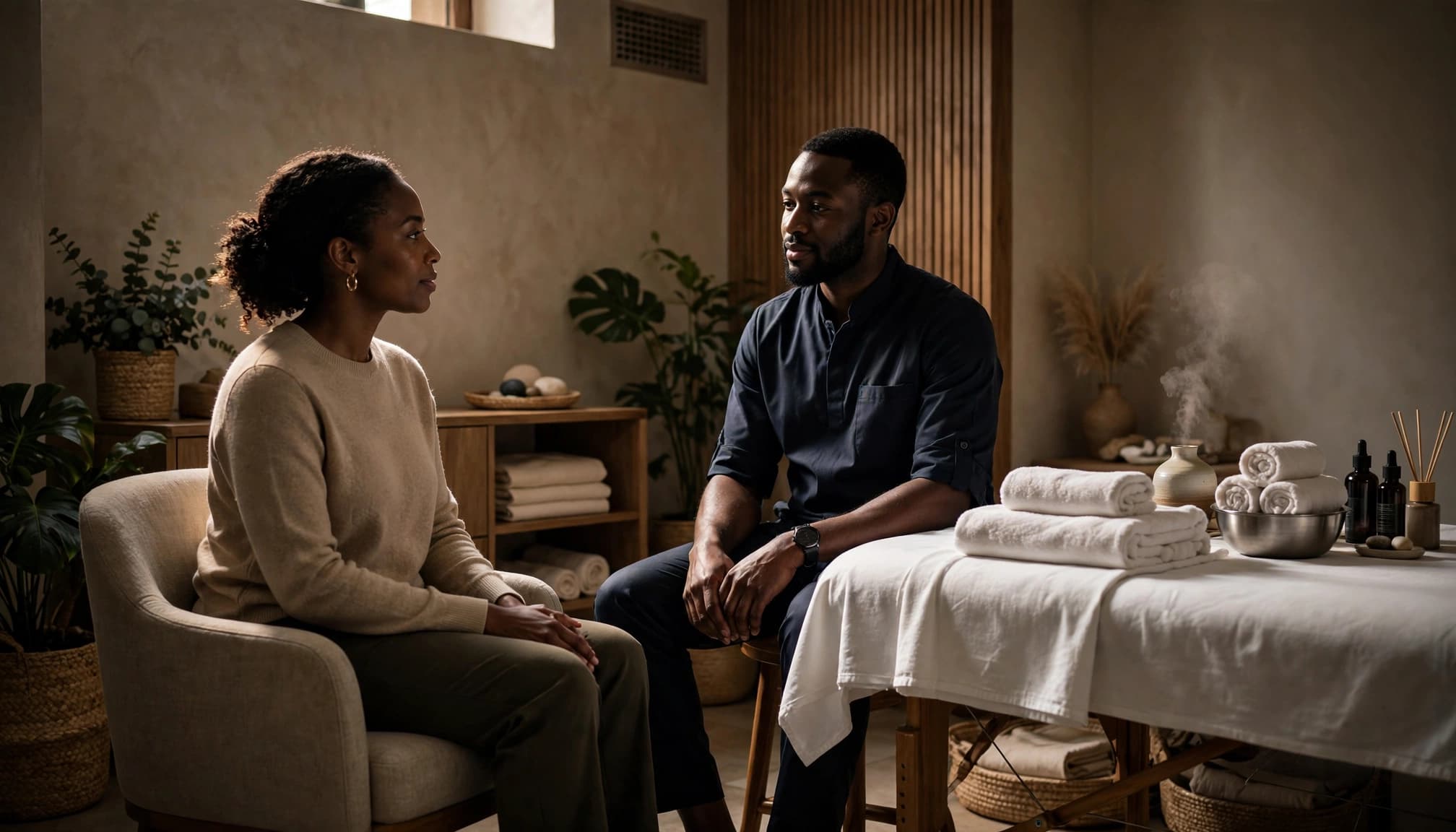
Use the consultation to explain anything that could change how massage feels or whether it’s appropriate. Tell the therapist if you are pregnant, recently had surgery, have a fracture, infection, fever, open or irritated skin, a blood-clot concern, a bleeding disorder, significant heart or breathing problems, uncontrolled blood pressure, severe osteoporosis, or cancer treatment. Also mention medications that affect bleeding, including blood thinners, because they may increase bruising or change the pressure that’s suitable.
If you have a medical condition or aren’t sure whether massage is safe, ask your doctor before booking. This massage contraindications guide provides useful background, but a spa therapist cannot assess a serious condition or replace a qualified clinician.
Before treatment begins, ask:
- What pressure will you use, and how can I request less?
- Which oil, lotion, essential oil, or other product will touch my skin?
- Can I choose an unscented product or request a patch test?
- Which body areas will you treat, and which areas will remain covered?
- What clothing should I remove, and how will draping protect my privacy?
- Will I lie on my stomach, back, side, or sit in another position?
- Will the treatment include heat, hot stones, stretching, rocking, or joint movement?
- How will I ask for a pause or stop the session immediately?
- What is the exact time limit for the hands-on treatment?
Deep pressure should stay away from fresh injuries, marked swelling, bruises, numb areas, open wounds, and painful tissue. Firm contact over damaged or poorly sensed areas can increase irritation or hide a problem that needs medical attention. Thai massage and other movement-based treatments also require care when stretching feels restricted or painful.
Essential oils should never go on broken, infected, irritated, sunburned, or recently damaged skin. Sensitive clients may prefer an unscented product, and a small patch test can help identify a skin reaction before the therapist applies oil more widely. Stop the session and speak up if you feel burning, itching, dizziness, nausea, chest tightness, or breathing discomfort.
Arrive prepared so the consultation doesn’t feel rushed. Eat a light meal rather than a heavy one shortly before treatment, wear comfortable clothing, and allow extra time for check-in. Bring any medication you may need during the visit, along with relevant health information and your booking details. Avoid arriving under the influence of alcohol or recreational drugs.
You control the appointment. You can request lighter pressure, more coverage, a different position, less heat, a scent change, a skipped area, a pause, or an immediate end. Consent continues throughout the massage, not only during the first conversation.
How to Recognize a Clean, Respectful Treatment Room
Look around before changing. Fresh linens should cover the table, used towels should be removed, and equipment should appear tidy rather than crowded with leftover products. The therapist should wash their hands before touching you, explain the treatment clearly, and give you privacy while you change.
Reasonable ventilation matters, especially during aromatherapy or hot oil treatments. Strong fragrance in a poorly ventilated room can trigger headaches, nausea, coughing, or breathing discomfort. Ask for an open door, better airflow, a weaker scent, or no fragrance at all.
The therapist should communicate in professional, plain language. You should know what will happen next, which areas will be treated, and how to ask for a change. Privacy also includes proper draping, a secure changing area, and no pressure to remove more clothing than the agreed treatment requires.
Leave or stop the massage if anyone pressures you, ignores your instructions, makes you emotionally uncomfortable, or continues after you say no. Seek medical attention instead of massage for sudden severe pain, chest pain, trouble breathing, faintness, new weakness, numbness, inability to bear weight, fever, or pain after a major injury. A trustworthy spa adapts ordinary discomfort, but it doesn’t attempt to diagnose symptoms that require a doctor, physical therapist, or other qualified clinician.
Make Your Local Massage Visit More Enjoyable and More Useful
A better massage appointment starts with a clear purpose and enough time around it. Choose one or two realistic goals, such as easing shoulder tightness, calming your mind before bed, or making tired legs feel more comfortable. Massage can support these aims, but it works best alongside sleep, movement breaks, sensible exercise, gradual training, and ordinary hydration.
Plan the Appointment Around Your Day
Avoid rushing straight from a stressful task into treatment. If you leave a tense meeting, sit in traffic, or finish a demanding workout just before your appointment, your body may need time to settle before it can relax. Arrive 10 to 15 minutes early when possible, silence your phone, and allow time to check in, change, and explain your preferences.
Schedule some breathing room after the session too. Demanding exercise, heavy lifting, or a packed list of errands can make it harder to notice how your body feels after massage. A short walk, a normal meal, and a quiet evening may suit you better than returning immediately to intense activity.
Desk workers often benefit from discussing the neck, shoulders, upper back, forearms, hips, or lower legs that feel stiff after long periods of sitting. Travelers may prefer gentle work after a flight or road trip, especially when prolonged sitting has left them generally tight. After trekking, ask for careful attention to tired feet and calves, but avoid massage over blisters, swelling, bruises, or suspected injury.
If your muscles feel ordinarily fatigued rather than injured, light or moderate pressure is usually a sensible starting point. Warm treatments may also feel soothing, but tell the therapist if you have reduced heat sensitivity or prefer less warmth. You can explore hot stone massage in Nairobi if heat suits your goals.
For a calming evening appointment, choose a pace that allows you to unwind. Leave enough time afterward for a shower, light stretching, reading, or sleep instead of filling the night with screens and urgent tasks.
Judge Success by Comfort, Not by Pain or Bruising
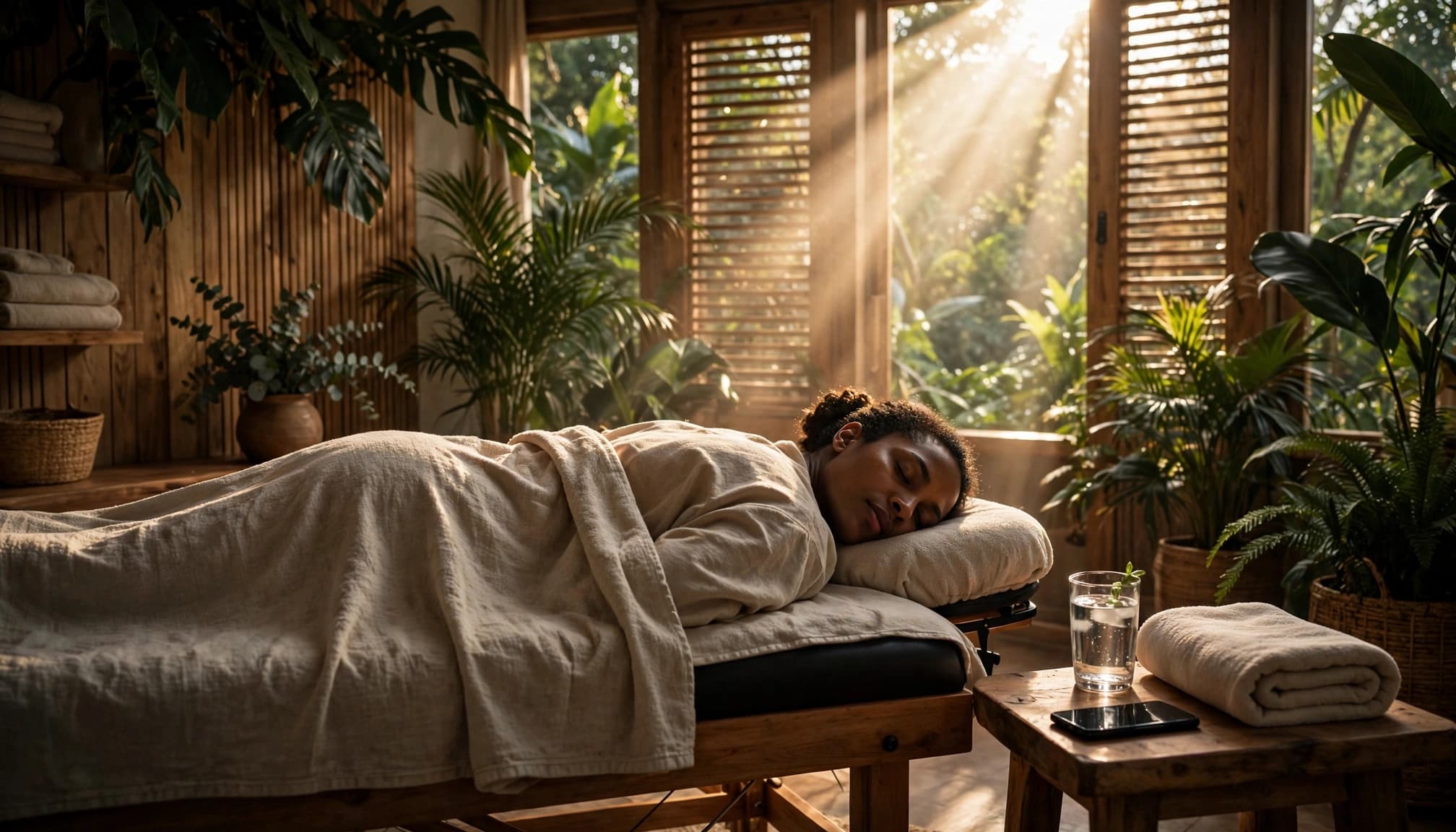
A useful massage does not need to hurt. Judge the result by practical changes, such as easier movement, less muscle tightness, a calmer mood, or a more comfortable transition into sleep. Pressure that makes you brace, hold your breath, or clench your jaw is too strong, even if the session feels intense.
Mild tenderness can occur after firm work and should gradually improve. Research on massage-related adverse events has identified soreness, increased pain, and stiffness among common short-term complaints, so report these sensations rather than treating them as proof of quality. You can also review this research on massage adverse events for context.
Worsening pain, extensive bruising, marked swelling, weakness, numbness, or symptoms lasting more than a couple of days deserve medical advice. Contact the spa as well, explain what happened, and ask how the next treatment should change.
Afterward, tell the provider what improved, which pressure worked, what felt uncomfortable, and what you would change next time. A series of sessions may help some people notice tension earlier and adjust habits sooner, but results vary. Regular massage is not a guarantee of long-term relief.
Finally, convenience affects consistency. A trusted spa that is easy to reach may help you maintain sensible appointments more effectively than a distant provider you struggle to visit.
Frequently Asked Questions
Choosing a massage near you involves more than comparing distance and price. These answers cover session length, pain, exercise, pressure, oils, and booking timing so you can make a more comfortable choice.
How do I choose between a 60-minute and 90-minute massage?
A 60-minute massage often works well when you want general relaxation or focused attention on one main area, such as your shoulders or lower legs. It gives the therapist enough time to work with purpose without making the appointment feel too long.
Choose 90 minutes when you want a full-body massage, several areas treated, or a slower pace with fewer transitions. Your goal, budget, and comfort with lying still should guide the decision. A longer session isn’t automatically better if you become restless or uncomfortable.
Can I get a massage if I have back or neck pain?
Massage may offer short-term comfort when muscle tension contributes to back or neck pain. However, it can’t identify every cause, including nerve problems, fractures, infections, or other conditions that need medical care.
Arrange a medical assessment before booking if the pain is severe, persistent, unexplained, or related to an injury. Seek prompt care for pain with fever, numbness, weakness, pain that travels into an arm or leg, or changes in bladder or bowel control. Massage side effects and risks are also worth reviewing before choosing firm pressure.
Is it safe to book a massage after exercise or trekking?
Gentle massage may feel soothing after exercise or trekking when your muscles and feet feel tired but show no sign of injury. Tell the therapist what activity you completed and request light or moderate pressure, especially if this is your first session after a demanding effort.
Avoid firm work over a fresh injury, sudden swelling, sharp pain, bruising, blisters, or severe soreness. Recovery also depends on regular food, fluids, rest, sleep, and a gradual return to activity. Massage can support recovery, but it can’t replace those basics or treat an injury.
What should I do if the massage pressure feels too strong?
Speak up as soon as the pressure becomes uncomfortable. You can say, “Please reduce the pressure,” “That feels sharp,” or “Stop for a moment.”
You never need to endure painful work to receive a useful massage. The therapist should adjust the pressure, technique, position, or treatment area immediately. Burning, electric, numb, or sudden pain deserves an immediate pause rather than an attempt to tolerate it.
Are massage oils and essential oils safe for everyone?
Diluted massage oils and essential oils can still irritate sensitive skin or trigger headaches, nausea, coughing, or other fragrance symptoms. Tell the spa about allergies, asthma, reactive skin, and any previous reaction to scented products before treatment begins.
Ask what the therapist plans to use and request an unscented option if needed. You can also ask about Ayurvedic massage oils and products before choosing an oil-based treatment. Oils should stay away from broken, irritated, infected, sunburned, or recently damaged skin.
How far in advance should I book a local massage?
Book ahead when you want a particular therapist, evening appointment, weekend slot, couples session, or treatment before a trip. Advance booking gives you time to compare providers, ask safety questions, confirm the full price, and review cancellation terms.
Same-day appointments may be available, especially during quieter periods. Still, rushing to fill an open slot can lead you to overlook unclear pricing, poor communication, or a treatment that doesn’t match your needs. Reserve early when the appointment matters to your schedule.
Conclusion
The best massage near me is not simply the closest option. It combines a convenient Nairobi location with the right treatment for your current goal, respectful care, transparent pricing, clean surroundings, and clear consent. Choose the pressure, products, and massage style that suit your body, and treat unusual or worsening symptoms as a reason to seek medical advice.
When you’re ready to make time for rest, compare suitable services at Maya Spa Nairobi and book ahead for a calm, personalized wellness experience. A thoughtful choice can turn an ordinary appointment into a more comfortable part of your self-care routine.