A good massage can make tight shoulders feel lighter, tired feet feel calmer, and a demanding week feel less heavy. Yet the most satisfying session starts with realistic expectations, clear boundaries, and a therapist who listens.
Massage can support relaxation and short-term comfort, but it cannot diagnose injuries or replace medical care. Once you know what to ask for, booking a session becomes far easier.
What Massage Can and Cannot Do
Massage uses hands, forearms, or sometimes tools to apply controlled touch to muscles and soft tissue. Pressure may be light, moderate, or firm, depending on the technique, the area treated, and your comfort.
For many people, the immediate draw is simple: a quieter body and a calmer mind. A session may also make ordinary muscle tightness feel less distracting after desk work, travel, exercise, or long hours on your feet.
Massage Therapy Is Supportive Care
Massage therapy can be part of a broader self-care routine. The NCCIH overview of massage therapy notes that research suggests possible benefits for some pain conditions, although results and study quality vary.
That distinction matters. A massage may ease the guarded feeling around a stiff neck, but it cannot repair a torn tendon, identify nerve compression, or correct an untreated injury. Persistent pain needs the right assessment, not increasingly forceful appointments.
Wellness Treatments Need Clear Boundaries
A professional massage spa should explain the treatment in plain language before you book. You should know the duration, price, body areas included, oils used, draping standards, and whether you can request adjustments.
Consent continues throughout the appointment. You can ask for less pressure, more coverage, a different position, an unscented oil, or a complete stop. You never need to tolerate pain or unwanted contact because a session has already begun.
Common Types of Massage and Their Feel
The right style depends on how you want to feel afterward. Some people want a slow, restful treatment. Others prefer targeted work for ordinary tightness in the back, shoulders, calves, or hips.
| Massage Style | What It Usually Involves | A Good Fit When |
|---|---|---|
| Swedish massage | Long, smooth strokes and gentle kneading | You want relaxation and lighter pressure |
| Deep tissue massage | Slower, more focused pressure | You have familiar muscle tension and tolerate firmer work |
| Thai massage | Clothed pressure and assisted stretches | You prefer movement and stretching over oils |
| Foot massage | Work on feet, ankles, and lower legs | Walking, travel, or standing has left your feet tired |
| Aromatherapy massage | Massage with diluted scented oils | You enjoy fragrance and have no scent sensitivity |
Swedish Massage for Gentle Relaxation
Swedish massage is often a comfortable first choice. The therapist may use long gliding strokes, gentle kneading, and steady compression to help you settle into the table.
Pressure should feel soothing rather than demanding. A relaxing session can be especially welcome after screen-heavy work, a long journey, or a period of poor rest. For people with tired legs after walking or trekking, a focused Trekker’s foot massage may feel more suitable than a full-body treatment.
Deep Tissue Massage and Thai Massage
Deep tissue massage uses slower, more concentrated pressure on selected areas. It can suit familiar muscular tightness, but it should never feel sharp, burning, electric, or bruising. Stronger pressure is not proof of better work.
Thai massage follows a different format. You usually stay clothed while the therapist uses rhythmic pressure and guided stretches on a mat. It may appeal to people who enjoy supported movement and prefer less oil on their skin.
Broad labels such as “Asian massage” do not tell you what technique, boundaries, or qualifications a provider offers. Ask for a clear description instead of booking based on a vague label.
Massage Benefits With Realistic Expectations
People often book a body massage to unwind, sleep more comfortably, or reduce the sensation of tense muscles. Those goals are reasonable, especially when stress has you clenching your jaw or lifting your shoulders all day.
The strongest evidence points toward short-term comfort, not a permanent fix for every ache. The NCCIH review of massage research reaches a similar conclusion for several pain conditions.
Relaxation, Stress, and Sleep Support
A quiet room, comfortable positioning, and steady touch can help your body shift out of a rushed state. Some people leave feeling calmer and less physically restless, which can make it easier to wind down before bed.
Massage can support a bedtime routine, but it does not treat chronic insomnia, severe anxiety, or a sleep disorder. Loud snoring, gasping during sleep, persistent exhaustion, or sleepiness while driving deserves medical attention.
Everyday Muscle Comfort and Movement
Moderate pressure may help ordinary tightness feel less restrictive for a while. You may notice that turning your head, climbing stairs, or sitting at your desk feels easier after treatment.
Research on mind and body approaches for chronic pain suggests massage may reduce pain and improve function for some people. However, chronic or worsening symptoms still need a healthcare professional’s guidance.
Feeling relief after massage does not confirm that the source of pain has been corrected.
What Happens During a Professional Session
A full body massage often lasts 60 to 90 minutes, though shorter appointments can work well for the back, shoulders, feet, or legs. The hands-on portion may be shorter than the booked slot because a proper session includes consultation and time to dress.
A professional setting should feel clean, private, and unhurried. Fresh linens, washed hands, comfortable room temperature, and good ventilation are basic expectations.
Intake, Privacy, and Draping
Before treatment begins, the massage therapist should ask about your goals, pressure preference, injuries, allergies, sensitive skin, pregnancy, medication, and relevant health conditions. Mention recent surgery, bruising, numbness, or a health change even if it seems unrelated.
You should have private time to change. Draping keeps areas that are not being worked on covered, and your therapist should explain any needed position changes.
Speak Up About Pressure
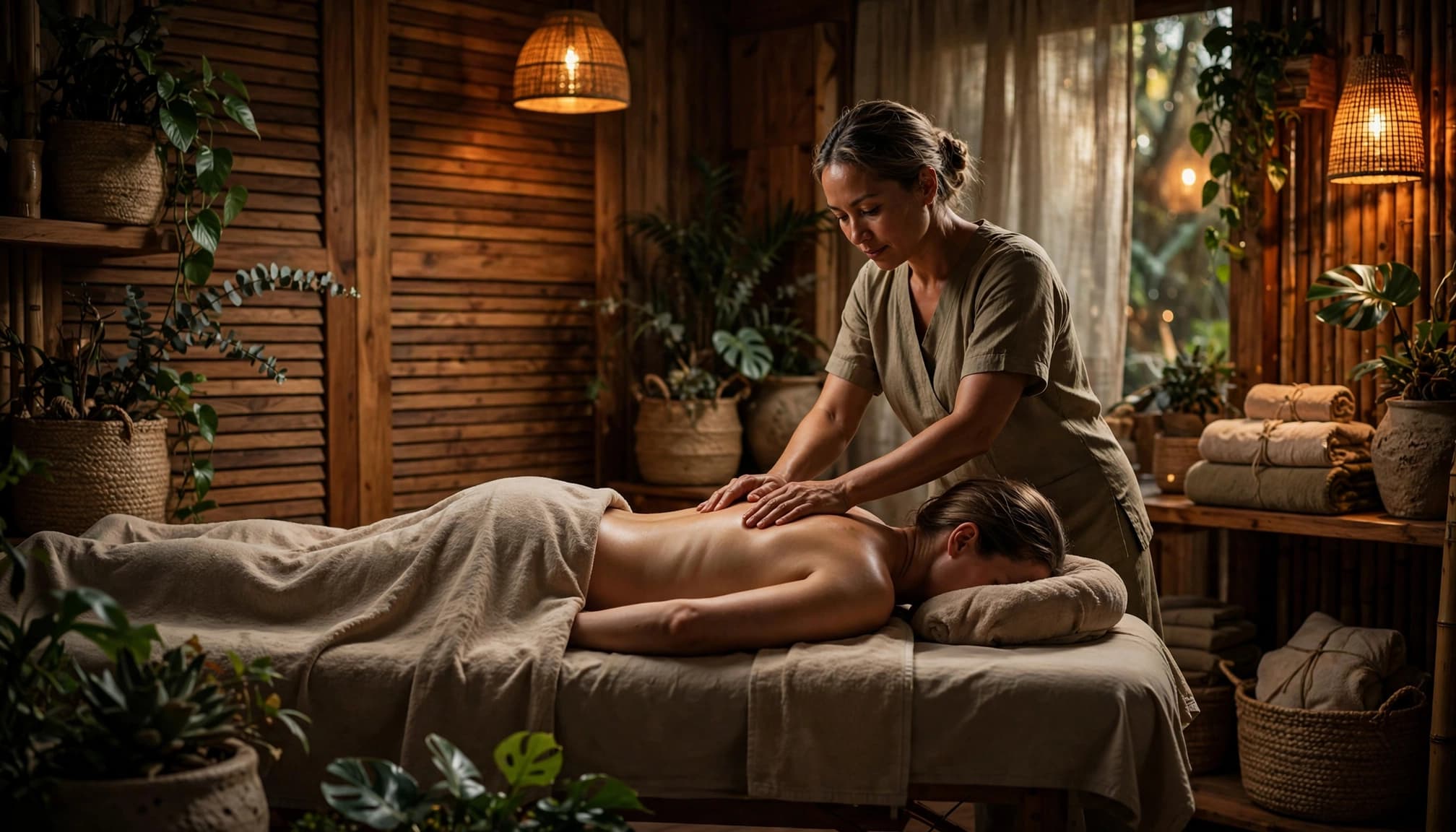
Long strokes, kneading, light friction, and compression can all feel different. Pressure also should not be identical across your body. Calves, shoulders, and lower back may have different levels of sensitivity.
Say something early if pressure feels wrong. A skilled therapist can slow down, lighten the touch, avoid an area, or choose another technique. Pain is useful feedback, not a goal.
Choosing a Qualified Massage Therapist in Nairobi
When you search “massage near me,” “massage spa near me,” or “massage therapy near me,” the first result may not be the safest or most suitable choice. A reputable massage spa answers questions clearly before requesting payment.
Nairobi massage services vary widely in setting, training, and treatment style. Ask whether the therapist has relevant training for the service you want, especially for prenatal massage, deep tissue work, lymphatic drainage massage, or care during cancer treatment.
Look for Professional Standards
Choose a provider who takes health information seriously and respects your comfort without argument. They should explain the session, ask about contraindications, use clean linens, and welcome feedback.
For a Nairobi massage spa, reviews can help, but they should not replace a direct conversation. A massage video may show a pleasant room or technique, yet it cannot confirm hygiene, consent practices, or how staff handle a concern during treatment.

Questions Worth Asking Before Booking
Ask what the quoted price includes and whether oils, hot stones, or other additions cost extra. Also confirm the session length, cancellation policy, therapist’s approach to draping, and whether an unscented option is available.
For example, a search for massage in Nairobi or massage near Yaya Centre should lead to more than a location pin. You should leave the booking conversation knowing exactly what type of treatment you are receiving and how to communicate your preferences.
Prepare for a More Comfortable Appointment
You don’t need much for a massage appointment. Wear comfortable clothes, arrive clean, and give yourself a few minutes to complete the intake without rushing.
Avoid arriving overly hungry, dehydrated, or straight from an intense workout. After a flight, hike, or demanding training session, allow your breathing and temperature to settle before deciding whether gentle work feels appropriate.
Share Health and Skin Information
Tell your therapist about fragrance reactions, eczema, sunburn, open skin, recent injuries, pregnancy, medications, or a history of easy bruising. Essential oils can trigger headaches, nausea, coughing, or skin irritation in some people.
Ask for fragrance-free oil if scents bother you. Never assume a natural product is automatically gentle for your skin.
Keep Aftercare Simple
After a session, drink fluids normally and give yourself time to relax. Gentle movement, such as an easy walk, can feel comfortable if you are mildly tender.
Postpone heavy lifting, hard training, or vigorous sports if your muscles feel sore. Mild tenderness can happen after focused work, but it should ease rather than become sharper or more widespread.

When Massage Needs Extra Caution
Massage is generally low risk for many healthy adults, but some situations call for a delay, modification, or medical clearance. Vigorous techniques create more risk than gentle relaxation work.
The NCCIH safety guidance reports rare serious adverse effects, including cases involving blood clots and nerve injury. Honest screening protects both you and the therapist.
Postpone or Modify Your Session
Skip massage when you have a fever, contagious illness, active skin infection, open wound, fresh burn, major bruising, or a suspected fracture. Avoid pressure over a recent strain, sprain, swollen area, or unexplained lump.
Talk with a healthcare professional before booking if you have a history of blood clots, a bleeding disorder, severe osteoporosis, uncontrolled high blood pressure, cancer treatment, recent surgery, or take blood-thinning medication. The massage contraindications guide outlines why these conditions may require changes or medical advice.
Know the Signs That Need Medical Care
Stop the session if you feel dizziness, faintness, chest tightness, trouble breathing, sharp pain, burning, or numbness. A therapist should respond immediately and without pressure to continue.
Seek prompt medical care for chest pain, breathing difficulty, sudden weakness, major swelling, fever, severe bruising, or pain after an accident. Massage should never delay care for an urgent problem.
Tools and Home Massage Have Limits
A massage gun, back massager, foot massager, or massage chair can offer short bursts of comfort at home. These tools may help with mild, familiar tightness when used gently and according to their instructions.
However, devices cannot assess an injury or adapt as thoughtfully as a trained practitioner. Avoid using them over swollen, bruised, numb, or painful areas. Stop if the tool causes tingling, sharp pain, or increased soreness.
Home Massage Should Stay Gentle
Full body massage at home can be relaxing with clear consent, simple pressure, and safe products. Keep the room warm, use clean towels, and avoid intense work on unfamiliar pain.
Do not force stretches, twist the neck, press hard on the spine, or massage directly over an injury. For persistent discomfort, choose a qualified massage therapist or medical assessment rather than relying on a massage app or online tutorial.
Finding a Massage Spa That Fits Your Needs
Massage prices in Nairobi depend on the appointment length, setting, treatment type, and add-ons. A longer session or specialty service often costs more, while a massage spa near me low price may not include the same time, privacy, or professional standards.
Ask for the complete cost before you book. A clear price protects you from unexpected upgrades or fees and lets you compare options fairly.
Match the Treatment to Your Goal
Choose Swedish massage when you want calm and gentle pressure. Consider deep tissue massage for familiar muscle tightness, provided you have no safety concerns. Book a foot massage when travel or long walks have left your feet tired.
For a full body massage near me, explain what you want to feel afterward. Saying “I want light pressure and attention to my tired calves” gives more useful direction than requesting the strongest possible treatment.
Frequency Is Personal
There is no universal schedule for massage. Some people enjoy an occasional spa visit after travel or a stressful season. Others include regular sessions in their wellness routine because they value the pause and physical comfort.
Your response, budget, goals, and overall health should guide the decision. Explore Swedish and aromatherapy massage options if you want a relaxation-focused treatment tailored to your preferences.
A More Comfortable Way to Care for Your Body
Massage works best when it is respectful, well matched to your needs, and grounded in realistic expectations. Gentle communication matters as much as the technique itself.
Choose a therapist who listens, keep pressure within your comfort zone, and treat new or persistent symptoms seriously. A thoughtful massage can be a restorative part of self-care without asking it to do more than it can.