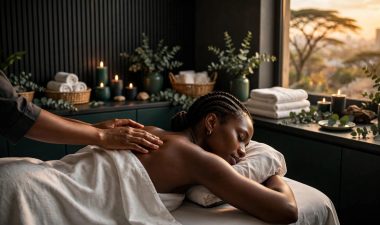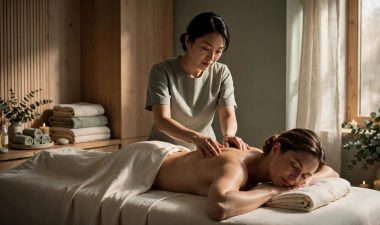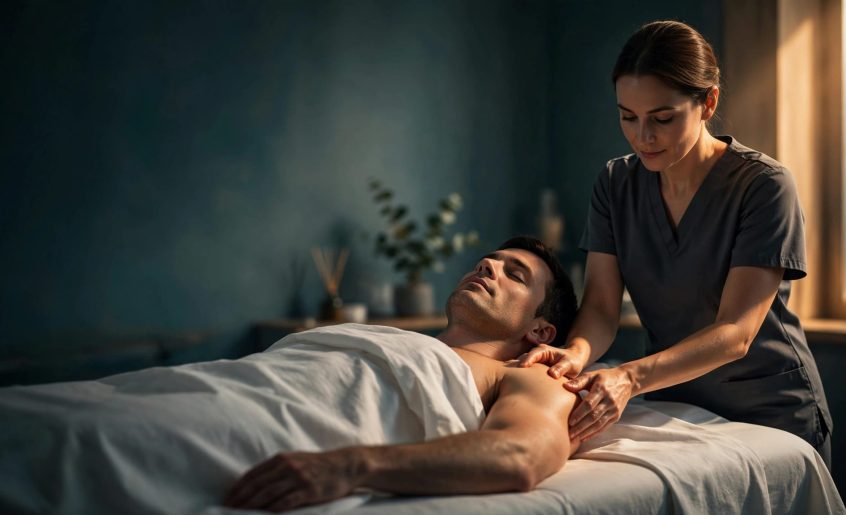
A good massage video can help you recognize techniques, choose a treatment, and communicate clearly with a therapist. It can’t diagnose an injury or turn a painful area into something you should work on harder.
When you search for a massage near me, videos can make every option look similar. Yet Swedish massage, Thai massage, deep tissue work, and a foot massage have different purposes, pressure levels, and settings.
Use videos as a starting point, then let your comfort and health needs guide the final choice.
How to Choose a Useful Massage Video
The best massage videos show calm, professional touch and explain what the technique is meant to feel like. They don’t treat pain as a test of toughness.
Look for a presenter who distinguishes ordinary tightness from an injury. A useful body massage video also shows safe positioning, clean linens, modest draping, and a therapist checking in about pressure.
Watch for Pressure Cues
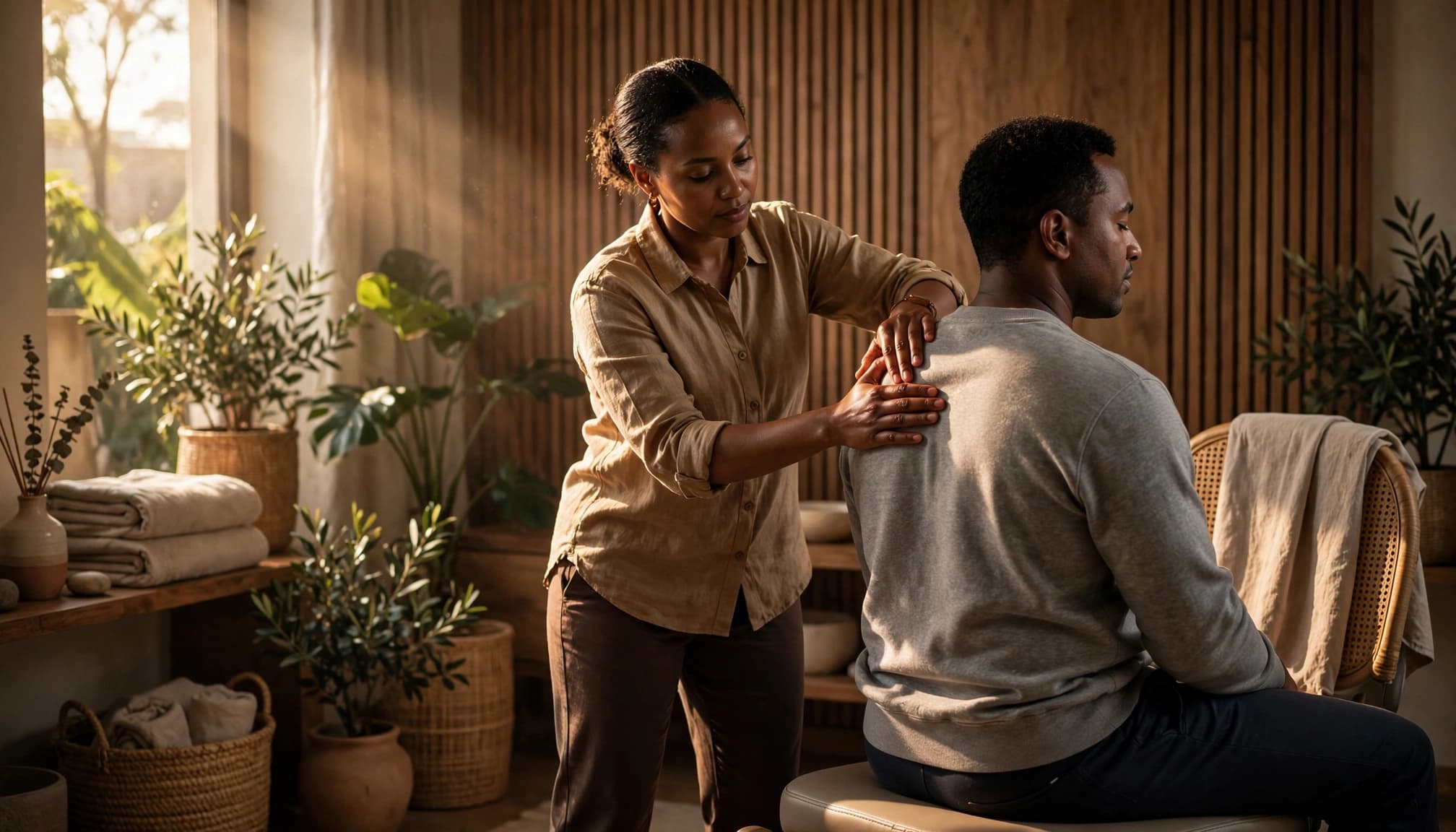
A skilled demonstration makes pressure look slow and controlled. The client should appear able to relax rather than brace against the table.
Long gliding strokes, known as effleurage, often begin a relaxing massage. Kneading, or petrissage, can address everyday tightness in larger muscles. Gentle compression and small circular friction movements are more focused, so they need extra care.
Pain is feedback, not proof that the massage is working. Sharp, burning, electric, numb, or shooting sensations mean the pressure should stop or change.
Skip Videos That Make Big Promises
Be wary of a massage video that claims to “detox” your body, erase cellulite, cure insomnia, or repair an injury. Massage may support relaxation and offer short-term comfort for some painful conditions, but results vary.
The NCCIH guide to massage therapy explains that harmful effects are uncommon, although serious complications have been reported rarely. That is why medical concerns deserve more than a video tutorial.
Stronger pressure does not mean better results. Muscles often relax more readily when pressure stays within your tolerance.
Match the Massage Style to Your Goal
A treatment name is only useful when it matches what you want from the session. Before booking a massage spa, describe how your body feels and what you hope to leave with.
Swedish Massage for Gentle Relaxation
Swedish massage uses flowing strokes, light kneading, and moderate pressure. It often suits people who feel tense after computer work, travel, or poor sleep.
Many people looking for a full body massage choose Swedish work because it feels unhurried and adaptable. If one shoulder feels tender, the therapist can stay lighter there while spending more time on less sensitive areas.
For a calm treatment tailored to tired muscles, explore Maya Spa massage services.
Deep Tissue Massage for Focused Tension
Deep tissue massage uses slower, more concentrated pressure. It may appeal when your upper back, calves, or hips feel persistently tight from training or desk work.
However, deep tissue massage isn’t suitable for every ache. Avoid forceful work over a recent injury, bruising, inflamed skin, numb areas, unexplained swelling, or severe pain. A therapist should increase pressure gradually and respond when you ask them to ease off.
Thai Massage and Foot Treatments
Thai massage is usually performed while you remain clothed. It combines pressure with assisted stretches, which can suit people who prefer movement and less oil on their skin.
A foot massage is a more focused option after long walks, travel, or time on your feet. For walkers and trekkers, a restorative foot massage for tired feet can feel more practical than a full-body session.
Use a Massage Video Safely at Home
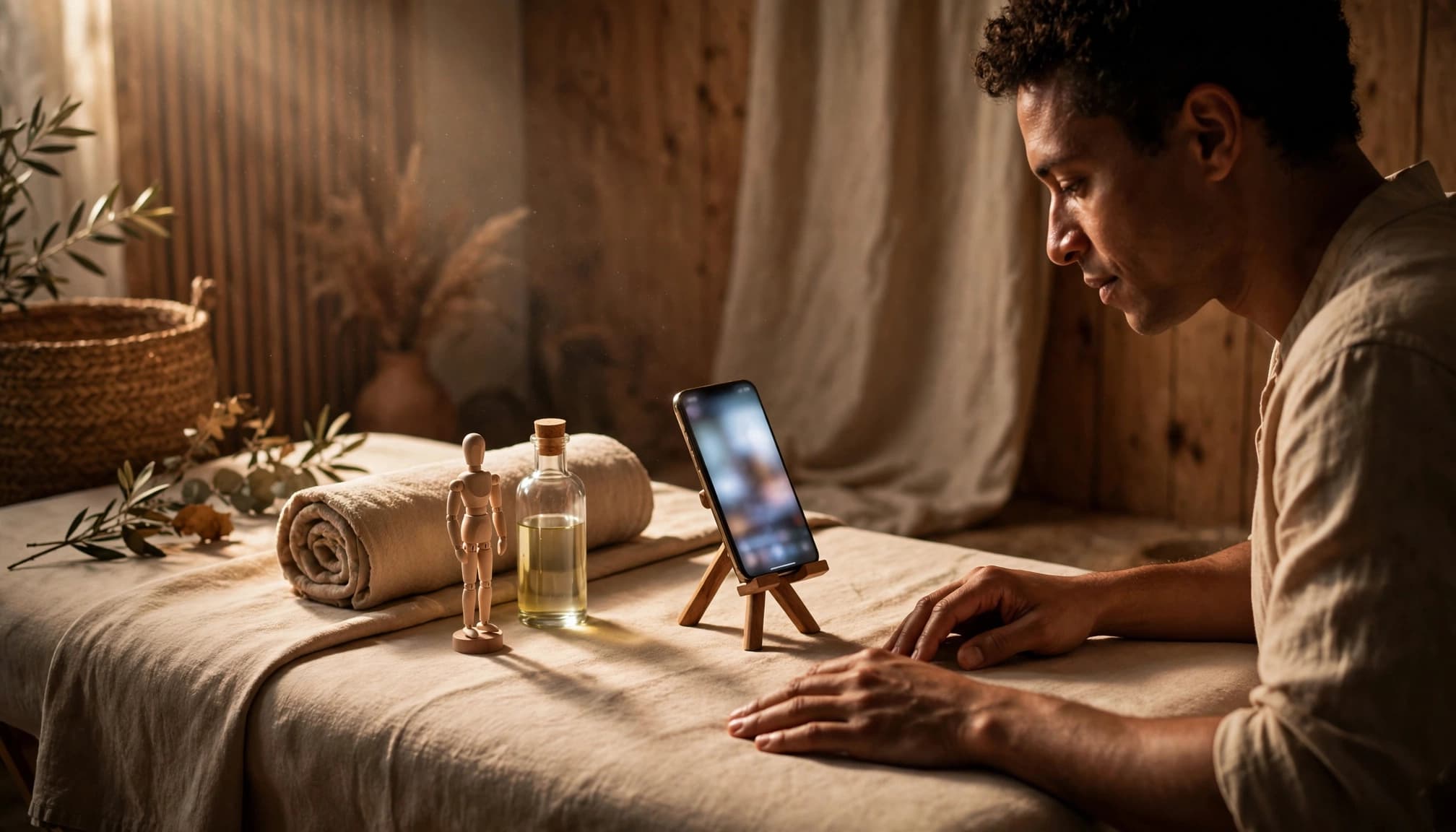
Home practice works best when it stays simple. A massage video can guide gentle self-care for ordinary stiffness, but it shouldn’t encourage you to press through symptoms you don’t understand.
Keep Self-Massage Light and Local
Use relaxed palms on the shoulders, forearms, calves, or soles of the feet. A back massager, massage gun, foot massager, or massage chair can also provide short sessions of comfort, provided you use a low setting first.
Don’t apply a massage gun directly over bones, joints, the front of the neck, swollen tissue, bruises, or a painful injury. Stop if a device creates tingling, increased pain, dizziness, or numbness.
A full body massage at home is best left to a trained professional. It requires safe body mechanics, clear communication, appropriate privacy, and an understanding of areas that need to be avoided.
Prepare the Space and Products
Wash your hands, use clean towels, and choose a stable place to sit or lie down. Keep oil away from the floor because spills create a slipping risk.
Fragrance can trigger headaches, nausea, coughing, or skin irritation. If you use oil, choose an unscented product when you have sensitive skin. Never apply essential oils directly to the skin without proper dilution.
Know When Massage Needs to Wait
Massage therapy can support comfort, but it cannot identify a torn tendon, nerve compression, blood clot, fracture, infection, or another medical cause of pain. A temporary sense of relief doesn’t confirm that the underlying problem has resolved.
Symptoms That Need Medical Attention
Arrange medical care before a massage if you have sudden or severe pain, a recent serious injury, fever, unexplained weakness, numbness, major swelling, chest discomfort, or trouble breathing. You should also seek advice if pain keeps returning or limits normal movement.
The NCCIH review of massage therapy research notes that evidence differs by condition and study quality. Massage can complement an appropriate care plan, but it doesn’t replace assessment or rehabilitation.
Aftercare Should Feel Ordinary
Mild tenderness may happen after focused work, especially when muscles were already tight. It should ease gradually rather than spread or become disabling.
Keep the rest of the day easy if you feel sore. Drink fluids normally, take a gentle walk, and postpone intense lifting or demanding exercise until your body settles. Contact the provider or seek medical care if symptoms worsen.
Find a Massage Spa in Nairobi With Confidence
Searches such as “massage spa near me,” “massage therapy near me,” or “Nairobi massage near me” can produce a long mix of listings. A polished clip or a low advertised price does not tell you whether the setting is professional.
Start with direct questions. Ask about the therapist’s approach, available session lengths, total cost, oils or add-ons, parking, and cancellation terms. If you want a massage spa Nairobi residents can return to, clear communication matters more than a flashy social post.
Ask About Consent, Privacy, and Comfort
A reputable Nairobi massage therapist will ask about injuries, allergies, sensitive skin, pregnancy, medication, and areas you don’t want touched. They should explain draping and give you private time to change.
Consent continues throughout the appointment. You can ask for lighter pressure, more coverage, an unscented oil, a different position, or a pause. You can also end the session at any time.
Leave if staff make sexual comments, ignore your requests, change the service without agreement, or pressure you into unexpected extras. Professional boundaries are part of massage therapy, not an optional detail.
Compare Value Beyond the Price
Massage prices in Nairobi vary by duration, location, technique, and extras such as hot stones or aromatherapy. Ask for the full price before confirming, especially when comparing a massage spa near me low price offer with a more established provider.
A 30-minute session can suit a focused neck, shoulder, or foot massage. A 60- or 90-minute booking gives a therapist more time for a full body massage without rushing through each area.
Choose a place that makes your needs clear, respects your budget, and allows advance booking. The right session should feel considered from the first conversation onward.
Let Videos Improve the Conversation, Not Replace Care
A massage video is most useful when it gives you words for what you want. You might say, “I want light pressure for tired shoulders,” or “Please focus on my calves, but avoid deep work.”
That clarity helps a massage therapist adapt the session to you. It also helps you decide whether Swedish massage, deep tissue work, Thai stretching, or a foot treatment suits the day.
The best massage leaves you calmer and more comfortable, with your consent and comfort guiding every part of the experience.