A local massage should leave you feeling comfortable, respected, and clear about what you booked. Yet a quick search for massage near me can produce dozens of listings with vague treatments, uneven reviews, and unclear prices.
The best choice is rarely the first result. A little checking helps you find a professional massage therapist, choose the right pressure, and avoid a disappointing appointment. Start by looking beyond the photos and special offers.
How to Find a Massage Near Me That Feels Right
Search results can be useful, but they don’t confirm a provider’s training, hygiene standards, or approach to client comfort. Whether you search “massage spa near me,” “massage therapy near me,” or “massage near me open now,” compare several options before booking.
Compare Clear Service Details
A trustworthy massage spa describes its treatments in plain language. You should be able to see session length, price, location, booking details, and what each treatment involves.
Look for answers to practical questions before you pay:
- Does the quoted price cover the full session, oils, and any spa access?
- Can you choose light, moderate, or firm pressure?
- Is the treatment a full body massage, a focused back massage, or a foot massage?
- Are couples massage appointments, mobile massage services, or home appointments clearly explained?
- Does the spa state its cancellation and late-arrival policy?
A massage app can make booking convenient, although it shouldn’t replace a direct conversation. Call or message the provider if the listing leaves you unsure about anything important.
Read Reviews With a Critical Eye
Reviews can reveal how a spa handles timekeeping, cleanliness, pressure requests, and client communication. Read recent comments rather than relying on a high star rating alone.
Look for consistent mentions of clean linens, respectful staff, private changing areas, and therapists who listen. A massage video may show a calm room or broad treatment style, but it cannot prove qualifications or professional standards.
Be cautious when reviews sound copied, focus only on appearance, or never mention the actual treatment. A credible massage spa welcomes reasonable questions before you arrive.
Verify Your Therapist and Spa Before Booking
Professional massage therapy requires skill, consent, and good judgment. Requirements differ by country and region, so ask a local regulator what applies where you live. In the United States, the FSMTB license lookup service can help clients check a therapist’s licensure status.
In Nairobi, a provider should still be willing to discuss training, experience, sanitation, and the treatment process directly. If someone avoids simple questions, choose another massage spa in Nairobi.
Ask About Training and Health Screening
Ask who will perform your massage and what training they have completed. A qualified therapist should also ask about injuries, pregnancy, medications, allergies, skin sensitivity, recent surgery, and areas you want avoided.
Professional standards expect therapists to understand precautions, work within their skills, and refer clients elsewhere when needed. The AMTA standards of practice outline the importance of client autonomy, ethics, and informed care.
A therapist doesn’t need your entire medical history. However, they need enough information to adapt the appointment safely.
Check the Room, Linens, and Boundaries
Visit a new location a few minutes early if possible. The reception area and treatment room should feel clean, private, and organized. Fresh sheets, clean towels, washed hands, and properly stored oils are basic expectations.
Professional boundaries matter just as much as a pleasant room. New York massage practice guidelines clearly prohibit sexual behavior in the therapeutic relationship. You should receive the same standard of respect anywhere.
You can request a pressure change, keep areas covered, skip a body area, pause, or end a massage at any time.
Choose the Right Type of Massage
Your goal matters more than a trendy treatment name. Tell the therapist whether you want rest after travel, relief for ordinary shoulder tension, recovery after a long walk, or focused work on familiar muscle tightness.
Swedish Massage for Relaxation
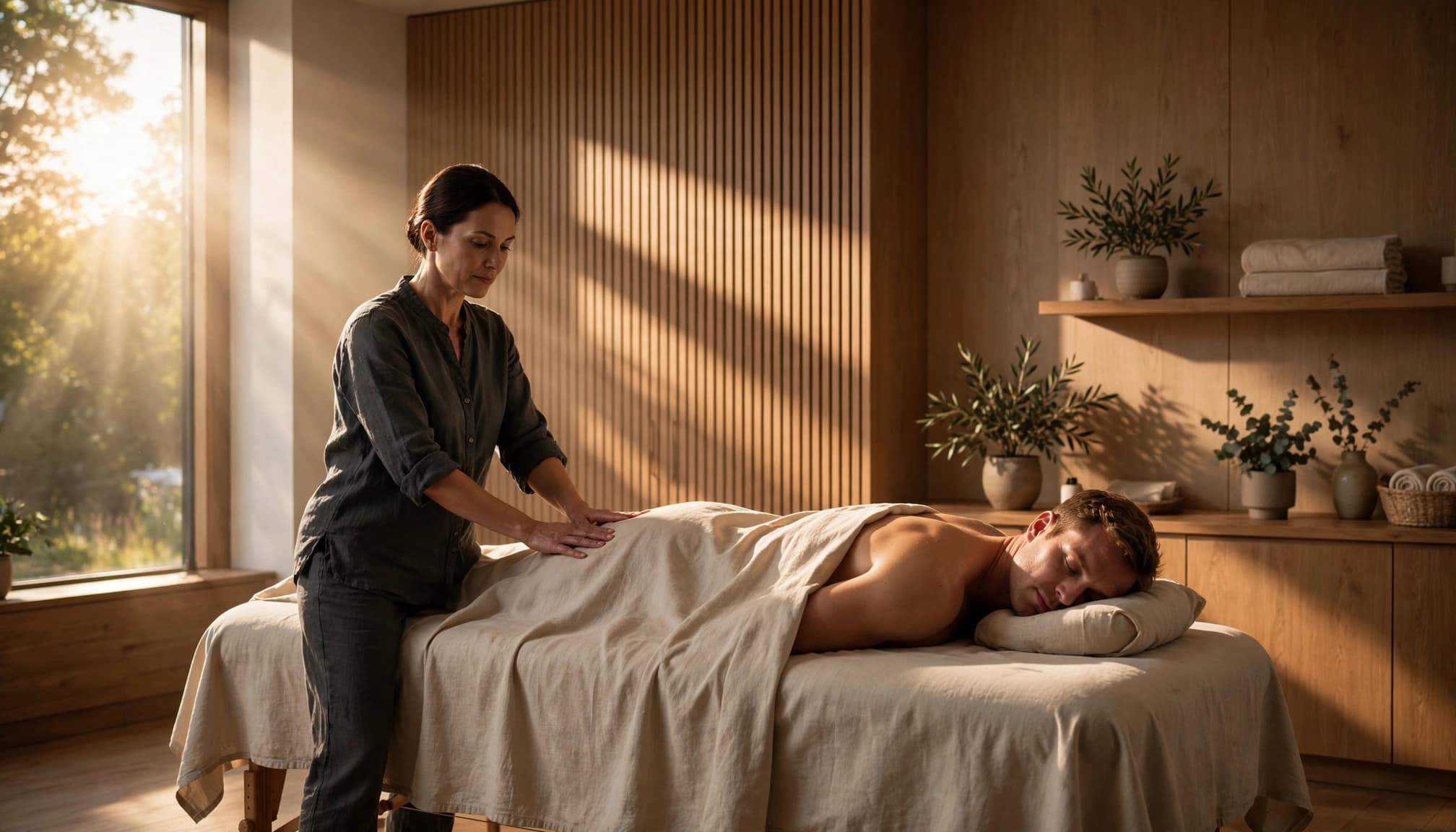
Swedish massage uses flowing strokes, kneading, and comfortable pressure. It often suits people who feel tense after computer work, travel, or poor sleep. If you are new to massage, this is usually a good place to start.
Ask for lighter pressure if you feel sensitive or want a slow, calming session. Swedish massage benefits may include temporary relief from everyday stiffness and a more settled feeling afterward. It does not repair an injury or replace medical care.
A full body massage can use Swedish-style techniques, but the phrase only describes the treatment area. Always ask what is included and what remains covered.
Deep Tissue, Thai, and Focused Treatments
Deep tissue massage applies slower, more concentrated pressure to selected tight areas. It may suit familiar tension in the back, calves, or shoulders. However, deeper pressure isn’t automatically better.
Use a simple scale of one to ten. Many people find a four to seven manageable. Sharp, burning, electric, numb, or bruising pain means the therapist should reduce pressure or stop.
Thai massage usually involves rhythmic pressure and assisted stretches while you remain clothed on a mat. It may appeal if you prefer movement-based bodywork and less oil. Broad labels such as “Asian massage” don’t explain the technique, boundaries, or qualifications, so ask for specifics.
Lymphatic massage and lymphatic drainage massage need extra care. Seek a practitioner with relevant training, and check with a clinician first if you have swelling, recent surgery, cancer-related treatment, circulation concerns, or another health condition.
Compare Price, Timing, and Booking Policies
Massage prices in Nairobi and elsewhere vary by appointment length, therapist experience, setting, and extras such as hot stones or aromatherapy. A low price isn’t always a bargain if the provider rushes the session, adds surprise fees, or cannot explain the treatment.
Ask for the total before booking. Confirm whether the rate includes taxes, travel costs for mobile massage Nairobi appointments, parking, oils, and use of facilities.
Know What Your Appointment Includes
A clear booking confirmation should state the date, arrival time, session length, treatment type, address, and payment terms. If you are booking a massage near Yaya Centre, Westlands Nairobi massage, or another busy area, allow extra time for traffic and parking.
For a couples massage, confirm whether two therapists are available at the same time. If you want a massage at home, ask about the table, linens, setup space, and whether travel is included.
Don’t assume a massage chair session equals table-based massage therapy. A chair massage can be useful when you are short on time or prefer to stay clothed, but it is a different format.
Read the Cancellation Policy Before Paying
Life happens, and spas know that. Still, a professional business should explain its policy for cancellations, late arrivals, deposits, and no-shows before taking payment.
Ask how much notice is required to reschedule. Also ask whether a deposit is refundable if the provider cancels. Keep the confirmation message or email until the appointment ends.
Prepare for a More Comfortable Session
A little preparation gives your massage therapist useful information and helps you settle into the appointment. Eat a light meal if needed, arrive a few minutes early, and wear clothes that are easy to change out of or move in.
Share Your Preferences Early
Tell the therapist about sore spots, pressure preferences, fragrance sensitivity, and areas you do not want touched. Mention if you prefer quiet, conversation, unscented oil, or extra draping.
You might say, “My calves are tired, but I don’t want intense pressure,” or “Please focus on my upper back and keep the rest light.” Clear requests are helpful, not rude.
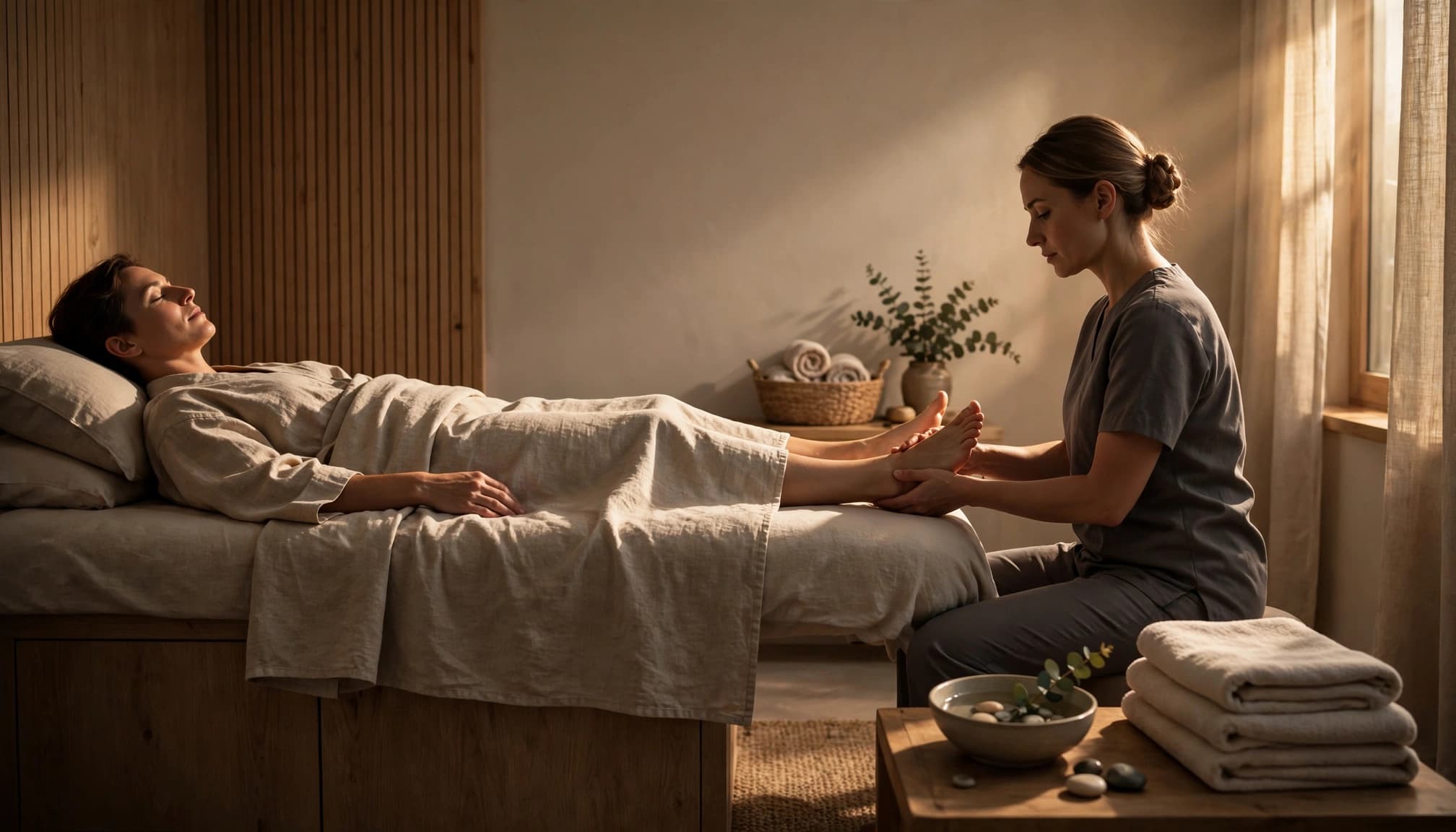
For tired feet after city walks, travel, or trekking, a focused Trekker’s foot massage in Nairobi may fit better than a longer body treatment. A foot massager or back massager can offer brief comfort at home, while a massage gun should be used carefully and never over an acute injury, numb area, or swollen joint.
Give Yourself Time Afterward
Plan a gentler schedule after a firm session. Drink fluids normally, eat when you are hungry, and take an easy walk if it feels good. Postpone heavy lifting or demanding exercise if your muscles feel tender.
Mild soreness can happen after focused work, especially if the area was already tight. It should improve rather than spread or intensify. Massage is generally low risk, but common massage contraindications include situations where treatment should be postponed or modified.
Recognize Red Flags and When to Seek Medical Advice
A professional massage should feel safe from the first message through the end of the session. Leave if the provider pressures you, changes the price without explanation, refuses to discuss boundaries, or directs you to an unclear private location.
Avoid treatment when you have a fever, contagious illness, infectious skin condition, open wound, or severe unexplained pain. Speak with a clinician before booking if you have a recent injury, blood clot concerns, major swelling, bleeding disorder, or recent surgery.
Take Pain and Symptoms Seriously
Massage should never require you to endure alarming pain. Tell the therapist right away if you feel dizziness, nausea, itching, chest tightness, breathing trouble, numbness, or emotional distress.
Stop the session if you feel unsafe or uncomfortable. A deposit does not obligate you to accept unwanted pressure, exposure, add-ons, or treatment changes.
Afterward, seek medical attention for severe pain, sudden weakness, major swelling, difficulty breathing, chest pain, or symptoms that worsen rather than settle. A spa appointment can support relaxation, but it cannot diagnose the cause of persistent symptoms.
Choose Comfort, Clarity, and Professional Care
The right massage near me search result is one that leads to clear information, respectful communication, and a treatment that matches your needs. Price and location matter, yet clean facilities, qualified care, informed consent, and realistic expectations matter more.
Choose a therapist who listens before they begin, adjusts when you speak, and respects every boundary. That is what turns a local massage from a quick booking into restorative self-care.