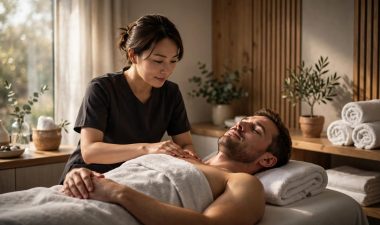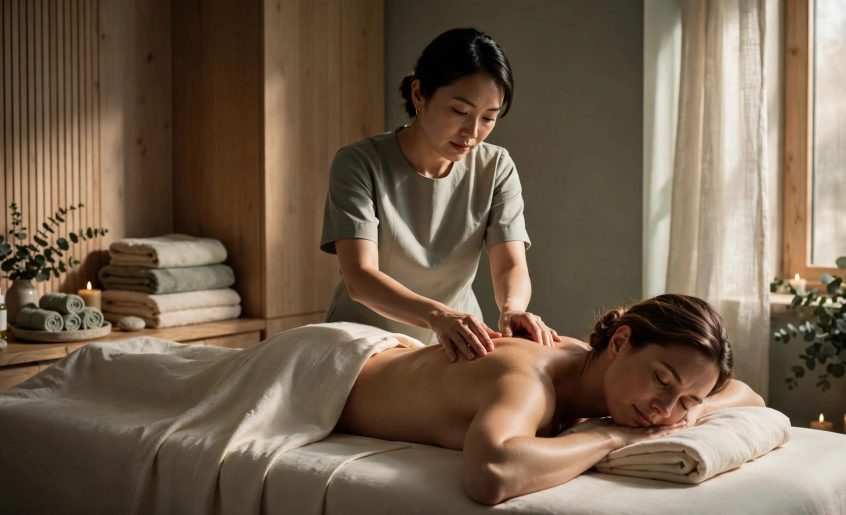
A good Swedish massage can help your body slow down after long hours at a desk, travel, training, or daily stress. It uses flowing strokes and comfortable pressure, making it a popular choice for first-time clients and regular spa visitors.
The treatment is mainly for relaxation and short-term muscle comfort. It can ease the feeling of tight shoulders or tired legs, but it cannot repair an injured tendon, resolve nerve compression, or diagnose the cause of ongoing pain. Understanding the techniques, session process, and safety limits will help you choose the right treatment.
What Is Swedish Massage?
Swedish massage is a classic full-body massage style that uses long strokes, kneading, gentle friction, rhythmic tapping, and controlled pressure. The therapist usually works with oil or lotion, moving across the back, shoulders, arms, legs, feet, and sometimes the neck.
Most sessions use light to moderate pressure. You can request firmer work on ordinary muscle tension, but stronger pressure isn’t automatically more effective. The right level should allow you to breathe normally and relax without bracing your body.
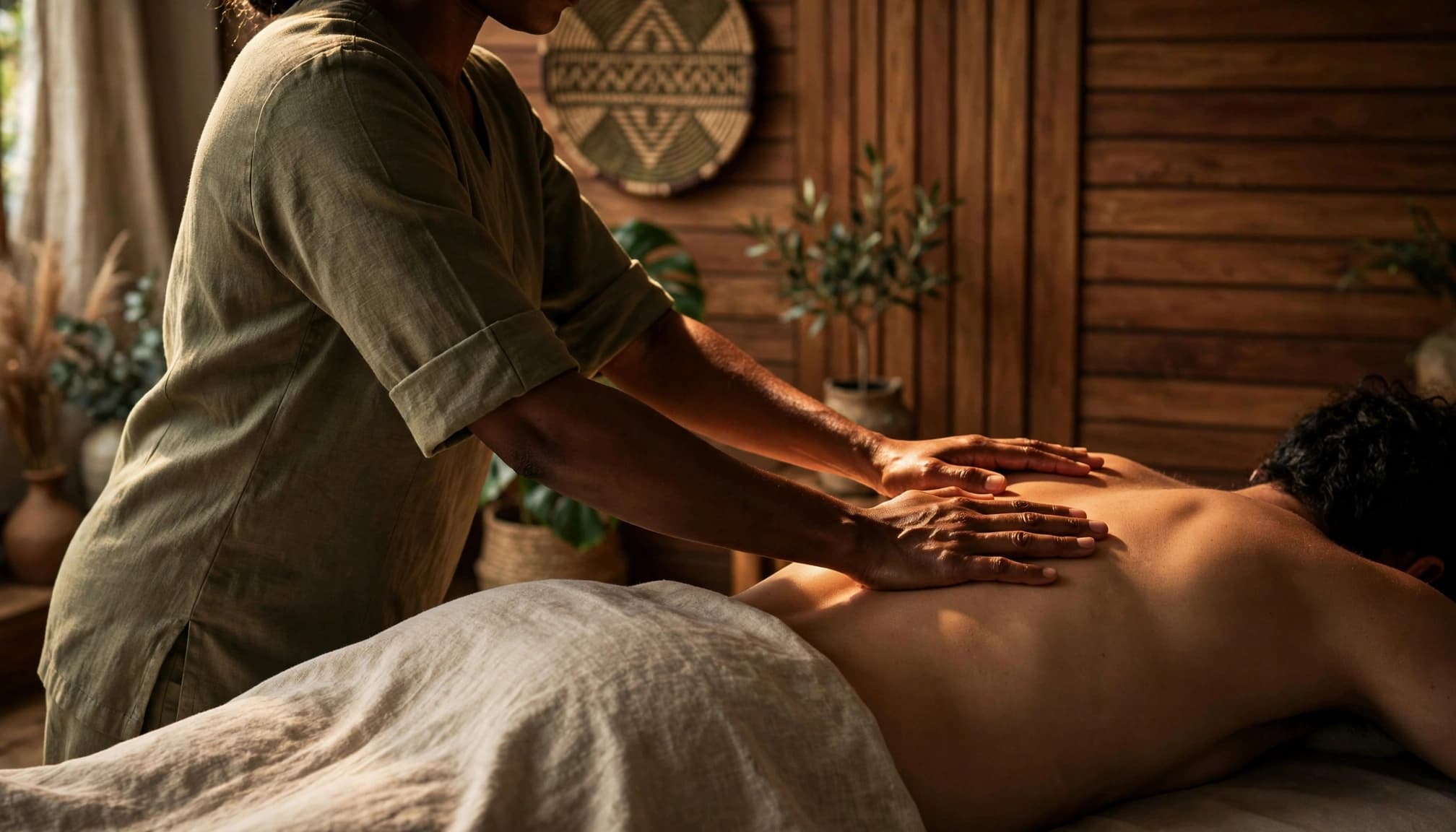
Unlike Thai massage, which often includes assisted stretching while you remain clothed, Swedish massage usually involves oil and a massage table. The therapist keeps you covered with a sheet and exposes only the area being treated.
The term “full body massage” describes the areas included, not one specific technique. Swedish massage is one common way to deliver a full-body treatment.
Swedish Massage Techniques Explained
A trained massage therapist adjusts each technique according to your comfort, goals, health history, and the condition of the tissue being treated. The same pressure should not be applied to every body area.
Effleurage Uses Long, Flowing Strokes
Effleurage consists of long, gliding movements across the skin. Therapists often begin with this technique to spread oil, warm the muscles, and help you settle into the session.
The pressure may be very light at first, then increase slightly as your body relaxes. Effleurage also helps the therapist learn where you feel tightness and which areas need more or less attention.
This movement is common across the back, arms, legs, and shoulders. It should feel smooth and steady rather than painful or rushed.
Petrissage Works Through Ordinary Tightness
Petrissage includes kneading, lifting, rolling, and gentle squeezing of soft tissue. Therapists often use it on larger muscle groups, such as the shoulders, thighs, calves, hips, and upper back.
The technique can make tired muscles feel less restricted, especially after computer work, long travel, exercise, or standing for much of the day. However, the therapist should avoid injured, bruised, swollen, numb, or unusually sensitive areas.
Friction and Tapotement Add Focused Contact
Friction uses smaller circular or rubbing movements around selected areas of tension. Because it creates more focused contact, the therapist should check your response and adjust quickly if the sensation becomes sharp or irritating.
Tapotement is light rhythmic percussion. It may involve relaxed tapping or cupping movements and is usually brief. Some clients enjoy the stimulating sensation, while others prefer a quieter treatment with more flowing strokes.
Tell the therapist what you want before the massage begins. “Gentle relaxation with moderate pressure” is more useful than asking for the strongest treatment available.
Swedish Massage Benefits and Evidence
The most realistic Swedish massage benefits relate to relaxation, perceived stress, and temporary muscle comfort. You may leave feeling calmer, less aware of tightness, or more comfortable moving your shoulders and neck.
Massage may also help some people settle before sleep when stress or muscle tension keeps them alert. That doesn’t make it a treatment for insomnia, anxiety, depression, or another medical condition.
The National Center for Complementary and Integrative Health notes that massage may help with some pain conditions, including certain cases of low-back pain, neck pain, and knee osteoarthritis. However, research quality varies, and results depend on the condition, technique, and person. The NCCIH massage therapy guidance provides a useful overview of possible benefits and risks.
Relaxation Is the Main Goal
Swedish massage works well when you want a calm, unhurried experience. Slow movements, comfortable positioning, quiet surroundings, and clear communication can help reduce physical tension.
Regular treatments may also help you notice tightness earlier. For example, you might become more aware that your shoulders rise during computer work or that your calves tighten after long walks. That awareness can support better breaks, stretching, sleep, and movement habits.
Maya Spa’s information on relaxing massage treatments in Nairobi includes different session lengths and options for clients seeking comfort and relaxation.
Massage Has Clear Limits
A massage may make an area feel better without correcting the underlying cause. It cannot heal a torn tendon, release every form of nerve compression, repair a fracture, or fix a poor training plan.
If pain keeps returning, limits movement, follows an injury, or becomes more severe, arrange a medical assessment. Repeatedly treating the symptom with stronger pressure can delay appropriate care.
The same caution applies to claims about weight loss, detoxification, cellulite removal, or permanent posture correction. A relaxing treatment can support wellbeing, but it shouldn’t be sold as a guaranteed medical cure.
What to Expect During a Swedish Massage Session
Most appointments begin with a short consultation. The therapist may ask about your goals, pressure preference, allergies, sensitive areas, injuries, medication, and relevant health conditions.
A 60-minute appointment is common in Nairobi, although some providers offer 30, 40, 90, or 120-minute sessions. A shorter appointment may focus on the back, neck, shoulders, or legs. Longer sessions allow more time for a complete full-body treatment without rushing.
The Room and Draping Should Feel Professional
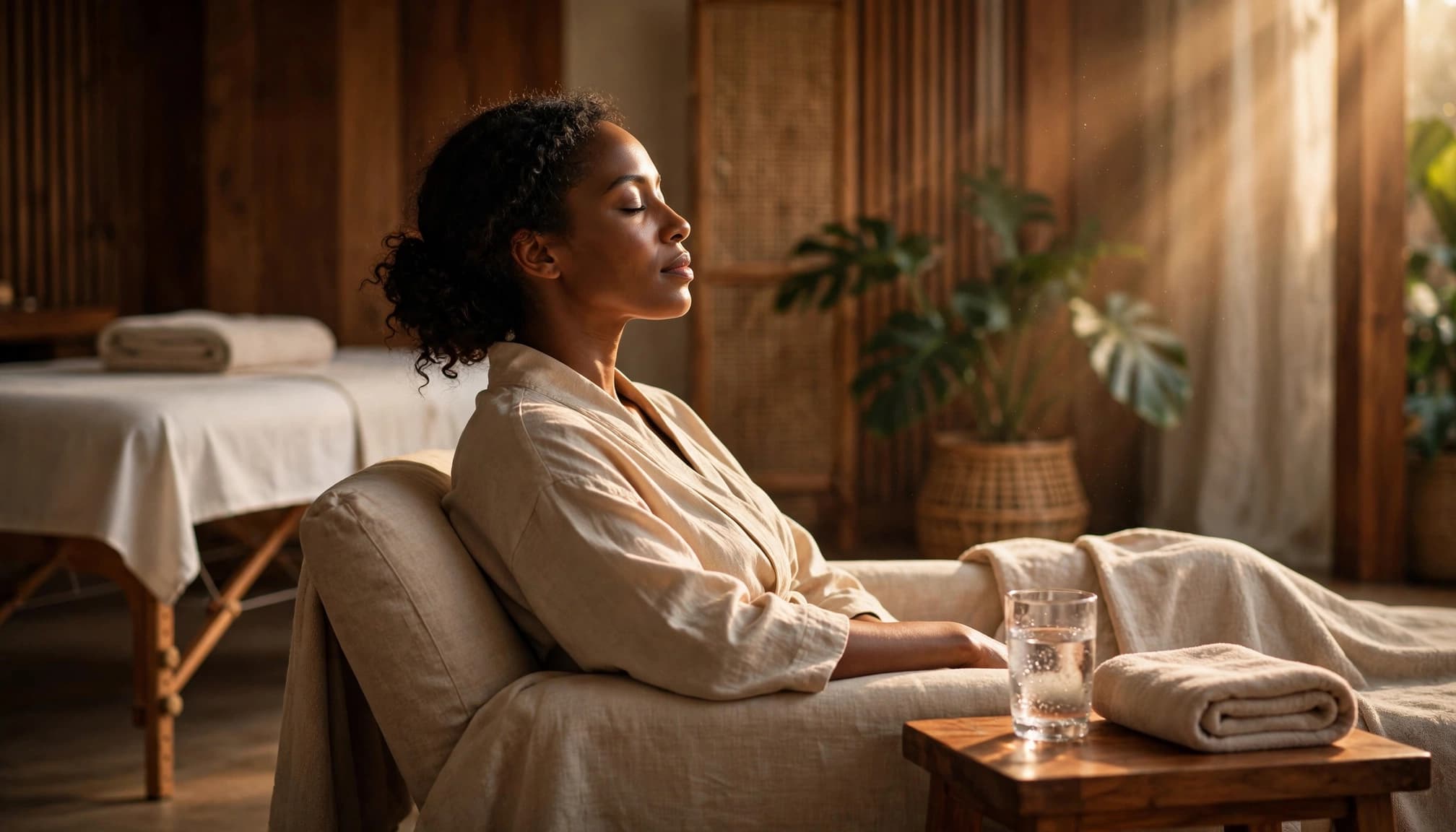
You should have a private place to change and enough time to get comfortable. During the massage, a sheet covers your body. Only the part being worked on should be uncovered.
Clean linens, washed hands, tidy equipment, and good ventilation matter. If strong oils, candles, or room sprays give you headaches, nausea, coughing, or breathing discomfort, ask for an unscented product.
You can decline any body area. You can also request more coverage, a different position, a pause, or a change in pressure. Consent continues throughout the appointment, so agreeing to one technique doesn’t mean agreeing to every technique.
Speak Up About Pressure
Comfortable pressure may feel warm, steady, or mildly stretching. Sharp, burning, electric, alarming, or numb sensations are different. Tell the therapist immediately if they occur.
You shouldn’t need to hold your breath, clench your jaw, or tense your whole body to tolerate the treatment. Pain isn’t proof that the massage is working. A skilled therapist can reduce pressure, change direction, avoid the area, or stop.
Professional boundaries also matter. Leave if staff make sexual remarks, ignore your instructions, change the treatment without agreement, pressure you to continue, or add unexpected charges.
How to Prepare and Recover
You don’t need an elaborate routine before a massage. Arrive clean, wear comfortable clothing, and allow extra time for check-in. Loose clothing is useful after an oil-based treatment.
Eat normally, but avoid arriving uncomfortably full. If you’ve just finished strenuous exercise, allow your breathing and body temperature to settle first. Tell the therapist about pregnancy, allergies, sensitive skin, medication, recent surgery, bruising, swelling, or any area you don’t want touched.
Afterward, keep the rest of your day easy if possible. Drink fluids normally, take a gentle walk, and avoid intense training or heavy lifting if your muscles feel tender. Mild soreness can occur after focused work, but it should gradually improve.
A massage gun, back massager, foot massager, or massage chair can provide limited home comfort. These devices don’t replace a trained therapist when you need assessment, tailored pressure, or work around a complex health concern.
For travelers and hikers with tired feet, a professional foot massage for tired legs may be more suitable than applying force with an unfamiliar device.
Choosing a Swedish Massage in Nairobi
When searching for a massage near you, look beyond photos and promotional claims. Check the treatment description, session length, total price, location, privacy standards, cancellation policy, and whether the therapist asks about your health before starting.
Searches such as “massage spa near me,” “massage therapy near me,” or “Swedish massage near me” can return many options. However, proximity shouldn’t be the only factor. A reputable Nairobi massage spa should explain what the treatment includes and answer questions without pressure.
Current Nairobi listings show considerable variation in price. Treat these figures as examples, not fixed market rates.
| Provider or listing | Location or coverage | Example price |
|---|---|---|
| Le Royale Space | Lavington, Nairobi | KSh 3,500 for 60 minutes |
| Aj Spa | Westlands, Nairobi | From KSh 3,500 |
| Nairobi West Spa | Nairobi West | KSh 3,000 for 10 to 40 minutes |
| All Queens Wellness Spa | Kilimani | KSh 6,500 for 60 minutes |
| Fresha Nairobi listings | Multiple venues | About KSh 2,500 to KSh 11,500 |
The Nairobi Swedish massage listings on Fresha show why it helps to compare several providers. Premium hotels and larger spas may charge more, while packages can include steam rooms, saunas, pools, meals, or other treatments.
Swedish massage is usually the better choice when you want calm, flowing work. Deep tissue massage may suit selected areas of familiar muscular tightness, but deep tissue massage versus Swedish massage isn’t a contest. The right option depends on your condition and tolerance.
Thai massage may appeal if you prefer assisted stretching and remain clothed. A foot massage can suit tired walkers or trekkers. Couples massage can work for partners who want a shared spa appointment, provided both clients can communicate comfortably with their therapists.
Who Should Use Caution?
Swedish massage is generally gentle, but it isn’t suitable for every situation. Speak with a healthcare professional before booking if you have a history of blood clots, a bleeding disorder, severe osteoporosis, recent surgery, cancer treatment, uncontrolled high blood pressure, or medication that increases bleeding risk.
Pregnancy also deserves a conversation with an appropriate clinician and a therapist trained to adapt the treatment. Skin infections, open wounds, active rashes, fever, significant swelling, and unexplained lumps should not be covered with massage.
Seek Advice for Severe or Unexplained Pain
Arrange medical care before massage when pain is sudden, severe, unexplained, or linked to an accident. You should also seek advice when pain travels down a limb, causes weakness or numbness, or prevents normal movement.
A massage may reduce discomfort for a while, but that improvement doesn’t prove an injury has healed. Physical therapy, exercise guidance, imaging, medication, or another form of medical care may be more appropriate.
Stop When Symptoms Feel Wrong
End the session if you develop dizziness, faintness, chest tightness, breathing difficulty, sharp pain, burning, or numbness. Contact a healthcare professional promptly for major swelling, severe bruising, sudden weakness, fever, chest pain, or trouble breathing.
Mild tenderness can happen after massage, especially when focused pressure is used. Symptoms that intensify, spread, or interfere with normal activity deserve medical attention rather than a stronger treatment.
Conclusion
Swedish massage is a relaxation-focused treatment built around flowing strokes, kneading, gentle friction, and adjustable pressure. It may ease everyday muscle tightness and help you feel calmer, but its benefits are usually temporary and shouldn’t be confused with medical treatment.
Choose a qualified therapist, explain your goals, request comfortable pressure, and stay in control throughout the session. When pain is severe, persistent, unexplained, or connected to an injury, medical assessment should come before the massage table.