
Benefits of Massage: How It Eases Stress and Muscle Tension
As warm hands work across your shoulders, your jaw unclenches, your breathing slows, and tired muscles begin to release the tension they’ve carried all day. That shift is one reason massage is more than a luxury: it gives your body a chance to rest while helping you reconnect with how you feel.
The benefits of massage can include stress relief, improved relaxation, short-term relief from some neck, shoulder, or lower-back pain, and support for comfortable movement. A session may also sharpen your body awareness, making it easier to notice tightness, fatigue, or the habits that leave you sore; options such as relaxing massages and spa treatments can be tailored to different needs.
Research supports massage as a helpful addition to self-care, but it doesn’t promise a cure or replace medical care, and results vary with your condition, massage style, therapist, and treatment frequency. The strongest evidence often points to short-term relief, so it’s worth learning what massage can realistically offer before choosing the right approach. Let’s look at the main ways massage may support your body and mind.
Key Takeaways
- Massage may ease everyday stress by encouraging relaxation, slower breathing, and a calmer physical state.
- Gentle pressure can reduce muscle tightness and provide short-term relief for some neck, shoulder, back, and joint pain.
- Regular sessions may help you notice tension earlier and support more comfortable movement. Learn more about the benefits of regular massage.
- Results vary by technique, condition, therapist, and treatment frequency, so massage complements medical care rather than replacing it.
- The NCCIH massage therapy guidance recommends discussing massage with a healthcare provider when you have health risks or concerns.
Benefits of Massage: What It Can Do for Your Body and Mind
Massage works through skilled pressure, stretching, and movement across muscles and soft tissue. These techniques may ease the physical signs of tension while giving the nervous system time to settle. However, the benefits of massage vary by person, technique, health condition, and treatment frequency.
The clearest evidence supports short-term relaxation and temporary relief from some types of pain. Other claims, including faster athletic recovery, better sleep, and lasting changes in mobility, need more research. Massage can support your well-being, but it should complement medical care rather than replace it.
Massage Can Ease Stress and Help the Mind Slow Down
A quiet treatment room creates a useful break from screens, notifications, traffic, and daily demands. When steady touch is combined with a calm setting, many people begin to breathe more slowly and release the muscular bracing that follows stress.
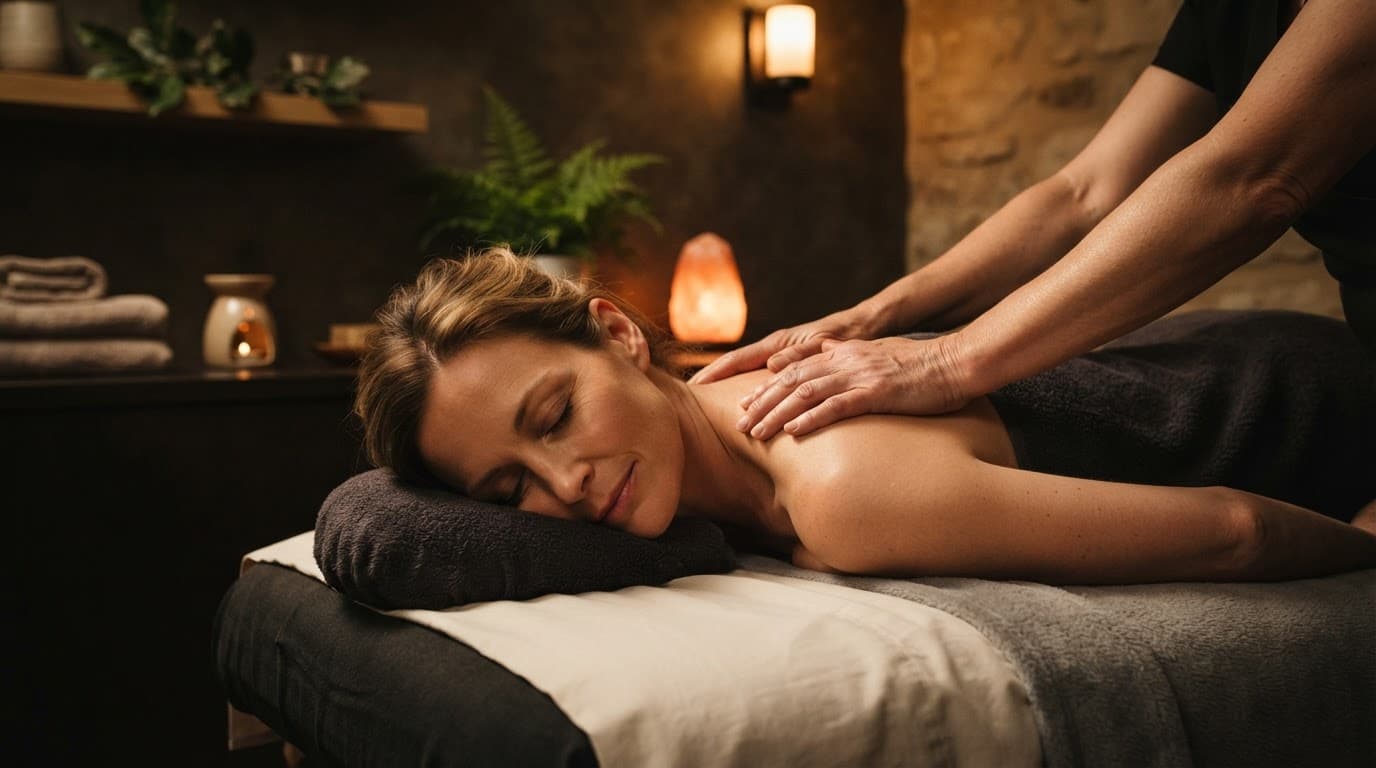
The body may gradually shift away from a tense, alert state. Your shoulders can drop, your hands may loosen, and your breathing may feel less shallow. Some people notice a slower heart rate, less jaw tension, warmer hands, or a softer expression as relaxation takes hold.
Research supports short-term reductions in anxiety or emotional distress in several care and workplace settings. Still, the effect may come from several parts of the experience, including human touch, a comfortable environment, focused attention, and time away from ordinary pressures. A randomized trial involving generalized anxiety disorder found that massage was not superior to thermotherapy or a relaxing-room control, although all groups improved.
That distinction matters. Massage may help you feel calmer during or after a session, but it doesn’t treat an anxiety disorder. Persistent worry, panic, low mood, sleep disruption, or symptoms that interfere with daily life need assessment from a qualified mental health professional.
Relaxation is a genuine benefit, but it isn’t the same as medical treatment for anxiety or another mental health condition.
Short-Term Relief for Tight Muscles, Neck Pain, and Soreness
Long hours at a desk can leave your neck angled forward and your shoulders lifted. Travel, repetitive work, exercise, and heavy lifting can create similar patterns of tightness. Massage may reduce the sensation of stiffness by applying pressure to guarded muscles and encouraging them to relax.
People often describe the result as less pulling, aching, or heaviness. Movement may feel easier when the muscles around a sore area stop protecting it so strongly. That comfort can make it easier to change position, stretch gently, or return to normal daily activities.
Evidence for neck and shoulder pain shows immediate and short-term pain relief, especially when massage is compared with inactive care. However, research hasn’t shown that massage consistently works better than active treatments such as exercise or physical therapy. Relief also doesn’t necessarily mean the underlying cause has been corrected.
Low-back pain requires more caution. A Cochrane review found that massage may provide short-term relief for some people, but the evidence quality was limited. Results weren’t consistently better than other approaches, including relaxation therapy, joint mobilization, or exercise-based care. The National Center for Complementary and Integrative Health’s massage therapy guidance also emphasizes the limits of the current evidence.
Massage can support comfort and movement, but ongoing pain deserves proper evaluation. Seek medical advice for severe pain, pain after an injury, numbness, weakness, unexplained swelling, fever, or symptoms that keep returning. A therapist should also know about your health history before applying firm pressure.
Better Mobility, Body Awareness, and Recovery After Activity
Tight muscles can change how you walk, sit, climb stairs, or lift an object. During a massage, you may become more aware of where your body feels stiff or guarded. That awareness can help you notice patterns, such as holding tension in one shoulder or avoiding movement through one side of your body.
Gentle pressure and guided movement may make a limited range of motion feel more comfortable for a while. The effect is often temporary, and massage doesn’t guarantee improved flexibility or athletic performance. Current reviews suggest that massage may help perceived recovery, mood, fatigue, or flexibility in some situations, while objective effects on muscle function and recovery remain small or inconsistent.
After a long walk, trek, workout, or physically demanding shift, a massage may ease the feeling of sore, tired muscles. Maya Spa’s foot massage for tired hikers can also provide focused comfort after extended time on your feet. Yet the body still needs sleep, food, hydration, and gradual activity to recover.
Use massage as one part of a sensible recovery plan:
- Drink enough fluids for your usual activity and environment.
- Rest when soreness, fatigue, or pain changes your movement.
- Resume exercise gradually instead of testing a painful area.
- Get medical care when symptoms are severe, persistent, or linked to an injury.
Sleep, Comfort, and the Value of Regular Self-Care
A calmer body may make it easier to prepare for sleep. When massage reduces muscle tension and becomes part of a quiet evening routine, some people feel more comfortable settling into bed. Lower stimulation, slower breathing, and time away from screens may also help create a smoother transition from an active day to rest.
The evidence for massage and sleep remains weak and inconsistent. Reviews have not shown a reliable improvement in sleep disturbances, so massage shouldn’t be presented as a cure for insomnia. If poor sleep continues, consider causes such as stress, pain, medication effects, sleep apnea, depression, or other health conditions.
Regular massage can still fit into a wider self-care plan that includes movement, consistent sleep habits, stress management, and appropriate treatment. An occasional session may provide a welcome reset after a demanding week. A recurring schedule should depend on your needs, budget, response to treatment, and guidance from a qualified professional.
The most useful question is simple: does massage help you function and feel more comfortable without masking a problem that needs care? If the answer is yes, it can be a practical part of your routine.
Which Massage Style Fits Your Goals?
The best massage style depends on what you want from the session, how much pressure you enjoy, and how your body responds to touch. Swedish massage suits general relaxation, aromatherapy adds a scent-based ritual, while Thai and deep tissue massage involve more active or focused techniques.
No single method works best for everyone. A calm, well-communicated session with the right pressure often matters more than choosing the most intense treatment on the menu. Before booking, consider your comfort level and tell the therapist about pain, injuries, medications, allergies, pregnancy, or other health concerns.
Swedish Massage for Gentle Relaxation and Everyday Tension
Swedish massage is a common starting point for first-time clients. The therapist uses long, flowing strokes, kneading, and light to moderate pressure across the body. The rhythm feels steady and unhurried, which can help you settle into the treatment instead of bracing against each movement.
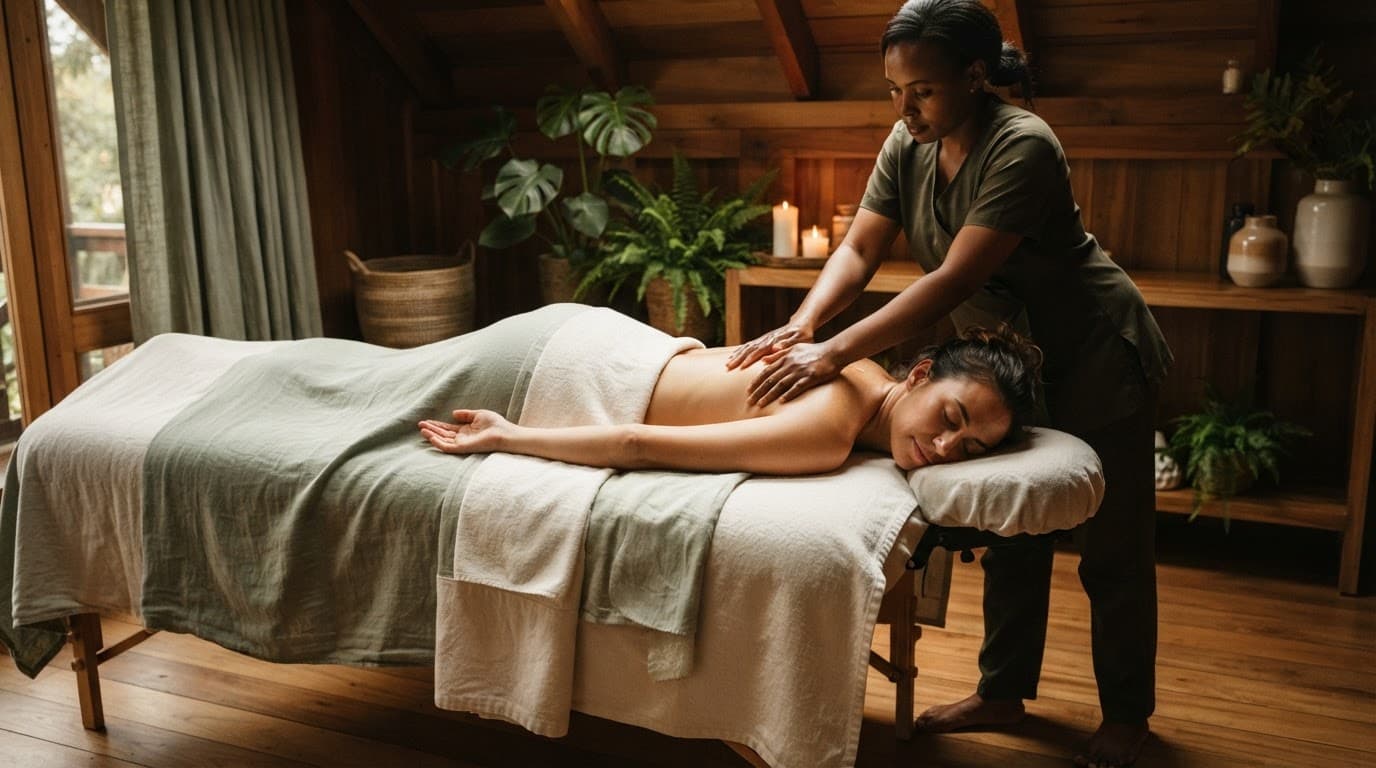
This style may suit you if your main goal is to relax after a busy week, a long flight, demanding work, or hours spent sitting. It can ease the feeling of everyday muscle tightness while giving your mind a quiet break from traffic, screens, and constant decisions. Many people leave feeling warm, rested, and more aware of how much tension they were holding.
Swedish massage isn’t a guaranteed treatment for chronic pain or a medical condition. However, it can provide short-term comfort and relaxation for many healthy adults. If you want a personalized session, Maya Spa’s relaxing massage treatments can be discussed around your preferred pressure and areas of tension.
A first session may feel unfamiliar at first. You can expect a brief conversation about your goals, followed by time to settle on the massage table under a sheet or towel. Your therapist works only on the areas being treated, and you can request more or less pressure at any point.
Aromatherapy Massage for a Calming Sensory Experience
Aromatherapy massage combines standard massage techniques with scented oils or lotions. The scent may come from essential oils added to a carrier oil, or from a prepared product selected by the spa. The massage itself can range from gentle to moderate, so ask about the pressure before treatment begins.
For many clients, the main appeal is the calming atmosphere and personal ritual. A familiar scent, quiet room, warm towels, and slow movements can create a soothing pause in the day. Evidence doesn’t prove that every essential oil produces a special therapeutic effect, so choose aromatherapy for the experience rather than a promise attached to a particular fragrance.
Scented products also require more screening than an unscented massage. Before the appointment, ask which oils or lotions the therapist plans to use and mention any known allergies or skin reactions. Essential oils should be diluted and shouldn’t be applied directly from the bottle to the skin.
Use extra care if you have:
- A fragrance allergy, sensitive skin, eczema, or a previous reaction to massage products.
- Asthma, hay fever, or another respiratory condition that scents can aggravate.
- A nut allergy, because some carrier oils may come from nuts.
- A current pregnancy, when oil selection, dilution, and massage position may need adjustment.
- Medication use or a health condition that affects bleeding, skin sensitivity, or circulation.
If you’re pregnant or manage asthma, ask a qualified healthcare professional or appropriately trained practitioner whether the proposed products and techniques are suitable. The NCCIH massage therapy guidance also recommends discussing massage with a healthcare provider when you have health concerns or increased health risks.
Thai Massage and Deep Tissue Work for Focused, Firmer Pressure
Thai massage may involve assisted stretching, compression, and active positioning. Rather than remaining still throughout the session, you may move through supported stretches while wearing comfortable clothing. This approach can feel more energetic and engaging than a traditional oil massage.
Deep tissue massage uses slower, firmer pressure on selected areas of muscular tension. A therapist may focus on the shoulders, hips, back, or legs instead of treating the whole body evenly. This can suit someone seeking concentrated work on persistent tightness, but soreness afterward is possible.
Stronger pressure isn’t automatically more effective. Pain can make your muscles tighten, and excessive force may leave you bruised or uncomfortable without improving the cause of the problem. A useful session feels purposeful and tolerable, not like a test of endurance.
Sharp pain is a signal to stop or change the technique, not proof that the massage is working.
Tell your therapist immediately if you feel sharp pain, numbness, tingling, dizziness, nausea, or discomfort that keeps increasing. You can ask for lighter pressure, a different position, more support, or a break. Good communication gives the therapist useful information and helps protect your comfort.
Vigorous work deserves extra caution if you have an acute injury, joint instability, a bleeding tendency, use blood-thinning medication, have suspected or known blood clots, or are pregnant. Deep pressure over injured tissue or areas at risk of clotting may cause harm. A therapist should ask about your health history before treatment, because the safest technique can change with your medications, circulation, pregnancy, and recent symptoms.
Choose the style that matches your current goal:
- Select Swedish massage when you want broad relaxation and manageable pressure.
- Choose aromatherapy when scent feels pleasant and your skin and breathing tolerate the products.
- Consider Thai massage when you want assisted stretching and an active session.
- Ask about deep tissue work when focused muscular tension is your priority and a qualified therapist confirms it’s appropriate.
Your body should feel heard during the appointment. Start with a style that feels comfortable, then adjust the pressure and technique as your therapist learns what helps you relax.
What a Massage at Maya Massage Spa in Nairobi Can Add to Your Wellness Routine
A massage can become a practical pause in a busy week, especially when stress settles into your shoulders, back, feet, or jaw. At Maya Spa, a Nairobi-based wellness and beauty spa in South B on Zanzibar Road, opposite Limpopo Hotel, your session can support relaxation while giving you time to focus on how your body feels.
The spa takes a relaxation-focused approach and emphasizes personalized care. Its menu includes Swedish massage, aromatherapy massage, Thai massage, relaxing and herbal massages, singing bowl therapy, Korean special baths, beauty therapy, and foot massage for active travelers and trekkers. You can explore Maya Spa’s massage services before choosing a treatment that matches your current needs.
Choose a Treatment Based on Your Energy, Tension, and Comfort Level
Your ideal massage depends on more than the name of the treatment. Pressure preference, current soreness, mobility, scent sensitivity, and health history all affect what feels comfortable and useful.
After a stressful week, a gentle Swedish massage may give your body the steady rhythm it needs to settle. Long, flowing movements and manageable pressure can help you relax without making the session feel intense. If you want a quiet sensory reset, aromatherapy massage may add a pleasant fragrance to the calm setting. Tell the spa about allergies, asthma, sensitive skin, or strong reactions to scents before scented products touch your skin.
Thai massage may suit you if you enjoy assisted stretching and a more active treatment. It can feel different from an oil massage because the session may include supported movement and changes in position. If your muscles or joints feel sore, explain that before treatment so the therapist can adjust the approach.
A foot massage is a natural choice after long walks, travel days, or trekking. Tired feet can affect the way you stand and move, so focused attention may help you feel more comfortable after time on the road or trail. Maya Spa also offers relaxing and herbal massages, giving clients more ways to choose a restorative experience.
The best choice is the one that fits your body today, not the treatment that sounds strongest. A simple conversation can help narrow it down:
- Choose gentle pressure when you want broad relaxation or feel tender.
- Ask about firmer work when a specific area feels persistently tight and there is no acute injury.
- Select assisted stretching only when your mobility and comfort level make it appropriate.
- Request an unscented option if fragrance causes discomfort.
- Share medical conditions, recent injuries, pregnancy, medication use, or circulation concerns before treatment.
Massage can be unsafe in some situations, including certain injuries, suspected blood clots, or health conditions that require modified pressure. Guidance on massage precautions for chronic pain explains why a therapist needs relevant health information before working on painful areas. You should also stop or ask for a change if you feel sharp pain, tingling, numbness, dizziness, or pressure that becomes too much.
Make the Most of Your Visit Before, During, and After Massage
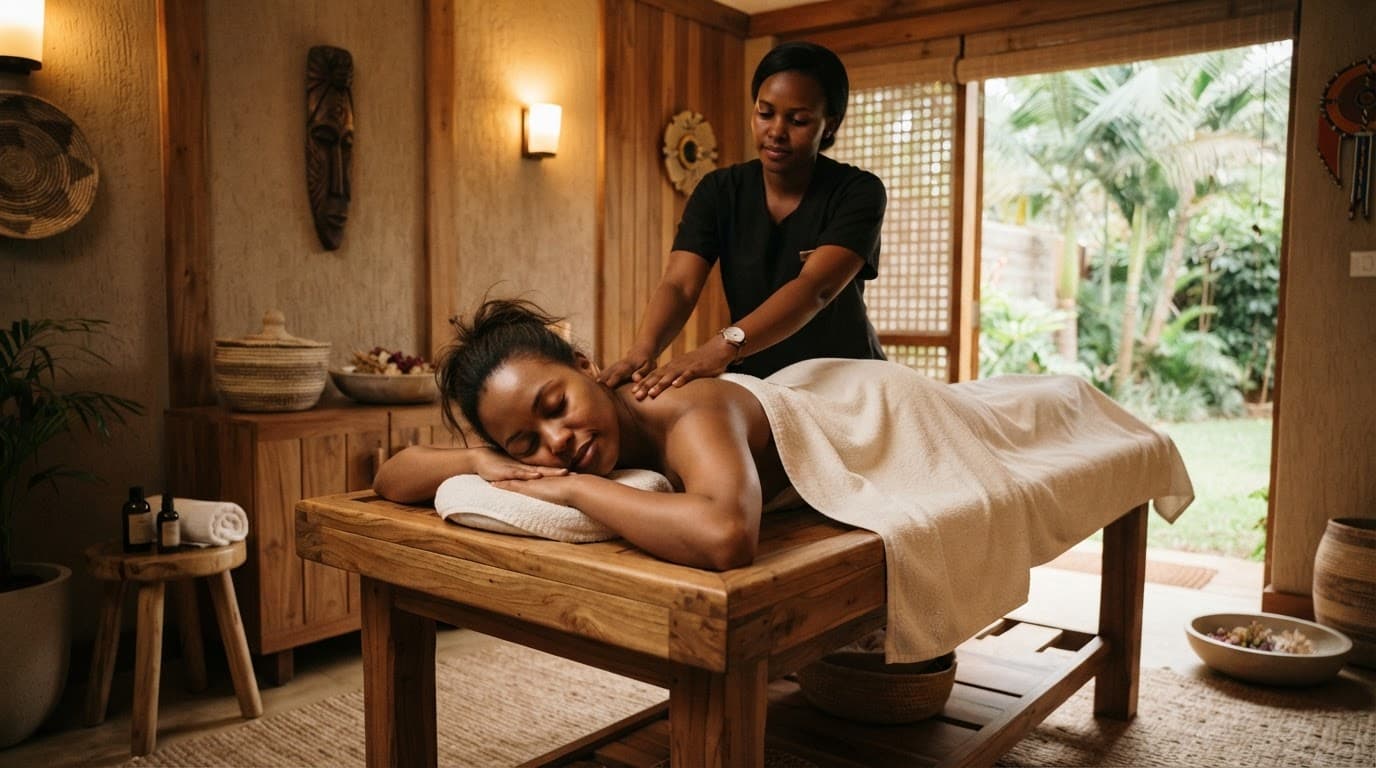
A little preparation can make the appointment feel calmer from the moment you arrive. Maya Spa is in Nairobi South B, so clients and travelers can plan their route to Zanzibar Road, opposite Limpopo Hotel, before the session. If you want a particular treatment or have a limited travel schedule, contact Maya Spa in advance to discuss your visit and arrange the appointment.
Use this simple client checklist:
- Book ahead when possible. Advance planning is especially helpful for travelers, trekkers, and anyone requesting a specific massage or combination of treatments.
- Arrive with time to settle. Rushing through traffic and arriving at the last minute can make it harder to relax. Give yourself enough time to put away your phone, use the restroom, and explain what you need.
- Share your goals and health concerns. Mention whether you want relaxation, focused work for tight muscles, assisted stretching, or foot care. Also discuss injuries, pregnancy, allergies, medications, and any condition that may affect treatment.
- Describe your preferred pressure. Words such as light, moderate, firm, or focused give the therapist a useful starting point. You can change your preference during the session.
- Speak up throughout the massage. Tell the therapist if the room feels uncomfortable, your position needs support, the scent is too strong, or the pressure needs adjusting.
Afterward, return to normal hydration habits and choose gentle movement if your body feels ready. A short walk or easy stretch may feel better than immediately returning to strenuous exercise. If an area feels tender, rest and avoid pushing through pain.
You don’t need a special detox drink or strict post-massage ritual. Pay attention to your body’s response, eat normally, and allow yourself a quieter period if the session leaves you relaxed or temporarily sensitive. Maya Spa’s wider wellness menu, including singing bowl therapy, Korean special baths, and beauty therapy, can also support a self-care visit when you want more than massage alone.
How to Enjoy the Benefits of Massage Safely
Massage is generally low risk when a trained professional provides it, but it isn’t risk-free. Rare serious complications, including blood clots, nerve injuries, and bone fractures, have been reported, especially after vigorous or deep tissue work. Your safety depends on honest communication, suitable pressure, and knowing when massage needs medical guidance first.
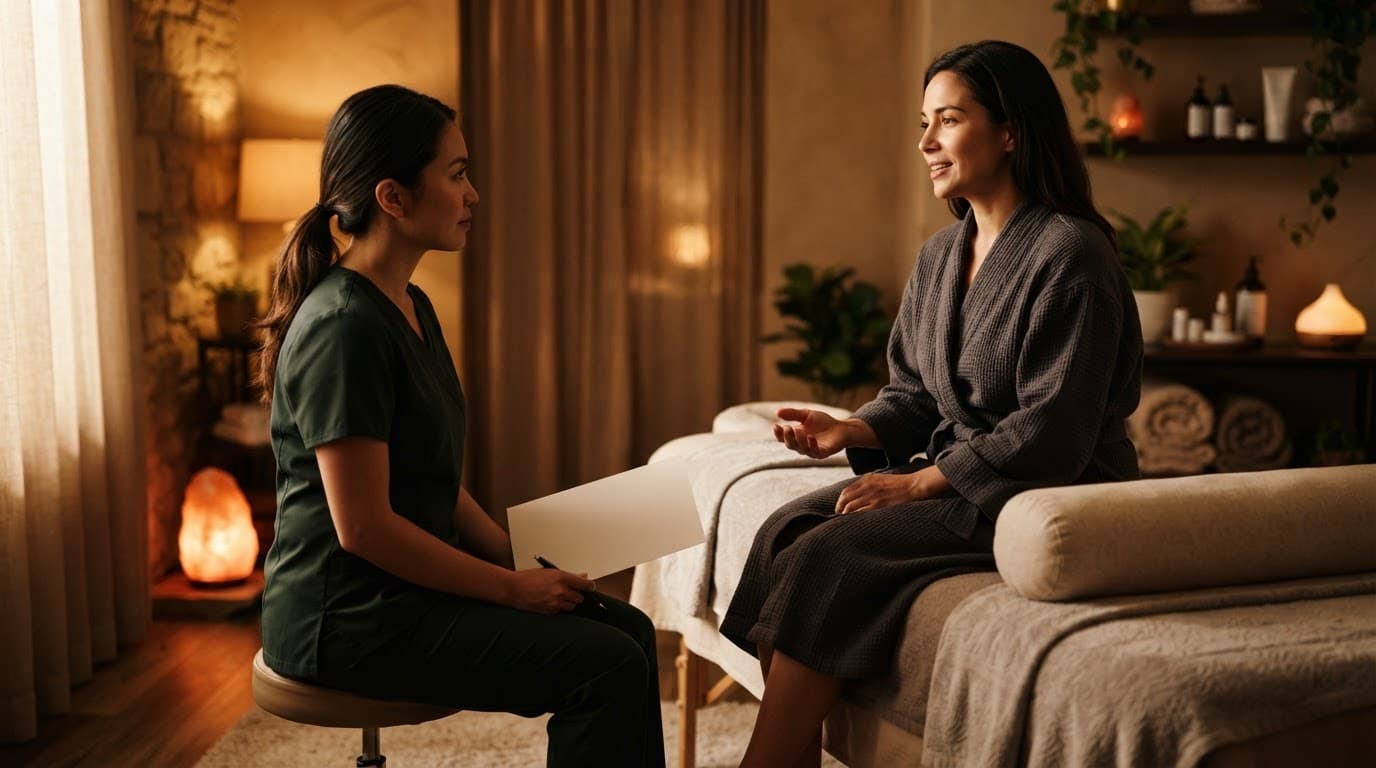
Tell Your Therapist About Health Conditions Before the Session
Your therapist needs a clear picture of your health before applying pressure. Don’t hide information because you worry it could delay your appointment. A short conversation may prevent an injury and help the therapist choose a safer technique.
Share details about:
- Pregnancy, including whether your healthcare provider has identified any risks.
- Recent surgery, falls, strains, fractures, or other injuries.
- Osteoporosis, a spine disorder, or fragile bones.
- Cancer, tumors, or treatment that affects your skin, bones, or circulation.
- Heart conditions, high blood pressure, or other problems affecting circulation.
- Blood-thinning medicine, bleeding disorders, or low platelet levels.
- A current or previous history of blood clots.
- Numbness, weakness, burning, tingling, or other nerve symptoms.
- Eczema, rashes, open skin, bruising, skin infections, or unexplained changes.
- Allergies to oils, lotions, fragrances, latex, or other products.
- Pain that has no clear cause, keeps worsening, or affects your normal movement.
Depending on what you share, the therapist may reduce pressure, change your position, avoid one area, use an unscented product, or recommend a gentler treatment. They may also ask you to obtain medical clearance before the session. The NCCIH massage therapy guidance notes that medical conditions and special circumstances can change how safe massage is.
Pregnancy deserves particular care. A qualified therapist may adjust positioning, pressure, and the areas treated, but pregnancy complications require advice from your obstetric provider. The same principle applies to cancer, recent surgery, blood-thinning medication, and serious heart or circulation conditions.
When to Avoid Massage or Ask a Doctor First
Massage should never be used to press through a suspected deep vein thrombosis, or DVT. A painful, swollen, warm, or red area in one leg needs medical assessment, not rubbing. Firm pressure could worsen a serious circulation problem.
Avoid massage directly over:
- Open wounds, healing incisions, or fragile skin.
- Burns, active rashes, or skin infections.
- Severe swelling or an area that feels unusually hot and tender.
- A suspected blood clot.
- An active tumor site unless a qualified medical team has approved the approach.
You should also ask a doctor before booking massage after major surgery, a significant injury, or another major medical event. Recovery timelines differ, and pressure may interfere with healing. People with osteoporosis, bleeding risks, tumors, implanted medical devices, or high-risk pregnancies may need modified care or a different option.
NCCIH describes massage as usually low risk, while also reporting rare serious side effects. Risk can increase with forceful techniques, deep tissue work, neck-focused treatment, fragile tissues, or health conditions that make bruising and injury more likely. Read the NCCIH safety information for massage therapy before treatment if you have concerns.
Some symptoms require urgent medical care rather than a massage appointment. Seek immediate help for chest pain, sudden shortness of breath, one-sided weakness, a severe headache, or unexplained swelling. Don’t massage these symptoms or wait to see whether they improve during a session.
Know the Difference Between Helpful Pressure and Too Much Pain
A massage can create mild tenderness, especially when a tight muscle receives focused attention. Temporary soreness may occur afterward, but the session should remain tolerable. Pressure should help your body release tension, not force it to endure pain.
Tell your therapist right away if you feel sharp pain, burning, numbness, tingling, unusual weakness, bruising, dizziness, nausea, or pain that keeps getting worse. These sensations may signal that the pressure, position, or technique needs to change. The therapist can stop, work more gently, support a joint, or avoid the area.
You can ask practical questions before the session begins:
- What training and experience do you have with my concerns?
- Which hygiene procedures do you follow between clients?
- What oils, lotions, or fragrances will touch my skin?
- Can I request an unscented product or perform a patch test?
- How will draping protect my privacy?
- Which areas will remain covered?
- Can I change the pressure or stop the massage at any time?
- What should I do if I feel uncomfortable during treatment?
A professional therapist should welcome these questions. You remain in control of your body, clothing, position, and comfort throughout the appointment. Stop the session and seek medical advice if serious symptoms appear, last longer than expected, or interfere with walking, breathing, movement, or daily activities.
Set Realistic Expectations About Results and Frequency
Massage may help you relax, reduce the feeling of muscle tension, and move more comfortably for a while. However, it can’t repair every injury, remove all stress, or diagnose the reason behind unexplained pain. It also shouldn’t replace medical treatment, physical therapy, prescribed medication, or mental health care.
Judge the results by practical changes rather than promises. You might notice easier movement, less shoulder tension, improved comfort while sitting, or a calmer mood after a session. If pain returns quickly, grows stronger, or keeps changing the way you move, arrange a medical evaluation.
Frequency should match your goals and response. Someone seeking occasional relaxation may book only when needed, while a person managing recurring tension may discuss a treatment plan with a qualified professional. Your budget, schedule, health history, and reaction to previous sessions matter too.
A one-size-fits-all schedule can encourage unnecessary treatment or make you ignore warning signs. Keep a simple record of how you feel before and after appointments. That pattern can show whether massage is helping your daily comfort or merely covering a problem that needs a different form of care.
Frequently Asked Questions
Massage can fit into many wellness routines, but the right approach depends on your body, your goals, and the symptoms you experience. These answers address common concerns about scheduling sessions, managing soreness, and understanding the realistic benefits of massage.
How often should I get a massage?
There is no universal massage schedule that suits everyone. Your ideal frequency depends on why you want massage, your health history, your budget, how your body responds, and advice from a qualified provider.
An occasional appointment may be enough when your main goal is general relaxation or relief after a demanding week. If you have recurring muscle tension or a specific treatment goal, a provider may suggest a short series of sessions, followed by more widely spaced maintenance visits. However, frequent massage shouldn’t distract you from pain that needs medical assessment.
Is massage good for back pain?
Massage may provide short-term comfort for some people with low-back pain. It can reduce the feeling of tightness and make movement feel easier for a while, especially when muscular tension contributes to the discomfort.
The evidence remains limited, and long-term benefits have not been established. A Cochrane review of massage for low-back pain found short-term improvements compared with inactive treatments, but not consistent long-term relief. Speak with a healthcare professional before booking massage for severe, persistent, recurring, or nerve-related back pain, particularly when you have numbness, weakness, or pain that travels down a limb.
Should a massage hurt to be effective?
Effective massage does not need to be painful. You may feel mild pressure, stretching, or temporary tenderness when a therapist works on a tight area, but you should remain able to relax and breathe normally.
Report sharp pain, burning, numbness, tingling, dizziness, or discomfort that feels wrong immediately. Your therapist can reduce the pressure, change position, use another technique, or stop working on that area. Pain is useful feedback, not proof that the massage is doing more.
Can I get a massage after exercise or trekking?
A gentle massage may feel soothing after exercise, a long hike, or trekking, particularly when your feet and muscles feel tired without showing signs of injury. Tell your therapist about soreness, swelling, blisters, recent falls, unusual fatigue, dehydration, or any movement that feels difficult.
After strenuous activity, allow time for cooling down, fluids, food, and rest. Gentle work may be appropriate when symptoms are mild, but firm pressure over freshly injured tissue can make discomfort worse. Choose medical care instead of massage for a suspected serious injury, sudden severe pain, major swelling, inability to bear weight, or symptoms that continue to worsen.
Can massage help with anxiety or poor sleep?
Massage may support short-term relaxation and help some people settle before bed. A quiet room, slower breathing, gentle touch, and reduced muscle tension can make the transition into sleep feel easier. Some people also enjoy aromatherapy massage for relaxation as part of a calming evening routine.
Massage isn’t a stand-alone treatment for an anxiety disorder or an ongoing sleep problem. If worry, panic, low mood, nightmares, or poor sleep persist or affect daily life, speak with a healthcare professional. The NCCIH massage therapy guidance describes potential benefits while emphasizing that results vary and massage shouldn’t replace appropriate medical care.
What should I do if I feel sore after a massage?
Mild, short-lived soreness can occur after unfamiliar or firmer massage work. Rest from strenuous exercise, drink fluids according to your normal needs, and try gentle walking or easy movement if it feels comfortable. Avoid stretching aggressively or pressing harder on a tender area.
Contact a healthcare professional if pain is severe, worsening, or lasts longer than expected. Seek prompt advice when soreness comes with swelling, weakness, numbness, fever, significant bruising, changes in skin color, or trouble walking. Before your next session, tell the therapist exactly how your body reacted so they can adjust the pressure and technique.
Conclusion
The benefits of massage begin with a simple pause: warm, skilled touch can help the mind settle while easing the feeling of tight, tired muscles. Many people experience greater relaxation, short-term comfort in areas such as the neck, shoulders, or back, and easier movement after a suitable session.
Results vary according to your health, massage style, therapist, pressure, and treatment frequency. Massage works best as supportive self-care, not as a replacement for medical assessment or treatment. Safety comes first, so choose a trained therapist, share your health history, and speak clearly about your comfort throughout the appointment.
At Maya Spa in Nairobi, you can discuss your goals and select a treatment that fits your body and energy that day. Whether you want gentle relaxation, focused work, or time away from daily demands, a thoughtful session can leave you feeling more connected to your body, with less tension weighing on your shoulders.