
Aromatherapy Massage: Benefits, Safety, and Nairobi Costs
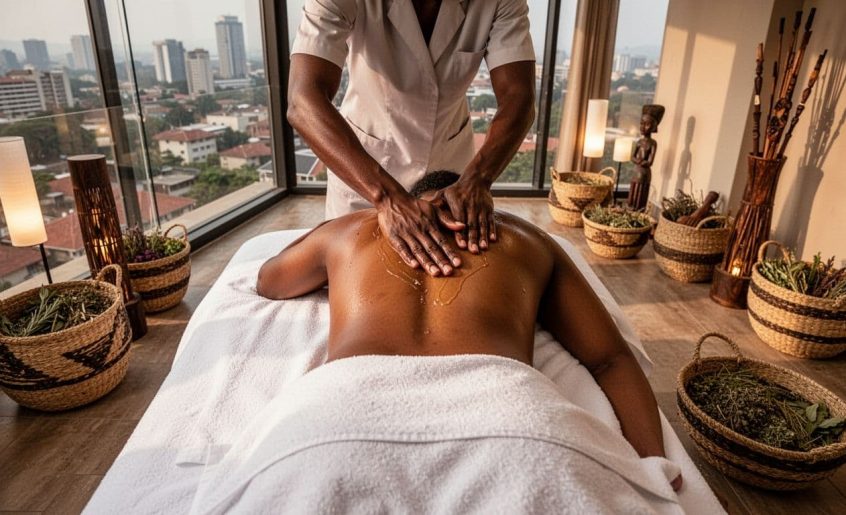
Step into a quiet Nairobi spa, breathe in a gentle botanical scent, and feel the tension in your shoulders begin to soften as warm hands move across tired muscles. That calming experience is at the heart of aromatherapy massage, which combines familiar massage techniques with essential oils diluted in a carrier oil such as jojoba, grapeseed, sweet almond, or coconut oil.
You may be searching for a way to relax after a demanding week, ease everyday stress, sleep more comfortably, or soothe muscles tired from work, travel, or exercise. The right oil can shape the experience, but fragrance isn’t suitable for everyone, and safe treatment depends on proper dilution, clean practices, good ventilation, and honest communication about allergies, pregnancy, medications, injuries, or sensitive skin. You can also ask for lighter pressure, a different scent, or a pause at any point, just as you would during other relaxing massage treatments in Nairobi.
Aromatherapy massage may support comfort and relaxation, but it isn’t a cure or a substitute for medical care. We’ll look at what happens during a session, how to choose oils safely, what benefits you can realistically expect, and how Nairobi prices vary by treatment length and spa.
Key Takeaways
- Aromatherapy massage may promote relaxation and short-term comfort, but it doesn’t cure illness or replace medical care.
- Essential oils must be diluted in a carrier oil. Review NCCIH aromatherapy guidance before treatment.
- Tell your therapist about allergies, sensitive skin, pregnancy, medications, injuries, or breathing problems before oils are applied.
- You control the session, so request lighter pressure, a different scent, unscented oil, or a pause whenever needed.
- Nairobi prices vary by session length, spa location, and amenities. Confirm the current rate when you book an aromatherapy massage.
What Is Aromatherapy Massage and How Does It Work?
Aromatherapy massage is a gentle Swedish-style or therapeutic massage enhanced with diluted essential oils. The massage itself uses touch to ease ordinary muscle tension, while the scent adds another sensory layer that may influence your mood and help you settle.
The two parts work together, but they are not the same thing. Smooth pressure can relax tired muscles and encourage comfortable movement. Meanwhile, inhaling a familiar fragrance may help you feel calmer, more alert, or simply more at ease. Essential oils are not proven cures for illness, and aromatherapy massage should complement medical care rather than replace it.
A professional session usually begins with a short conversation about your goals, scent preferences, allergies, skin sensitivity, pregnancy, medications, and health concerns. You should be able to smell the proposed blend first and choose an unscented massage if fragrance feels unpleasant.
The Massage Techniques You May Feel
Your therapist may begin with broad, flowing strokes across the body. These long gliding movements, often called effleurage, warm the muscles, spread the massage oil, and help you settle into the treatment. After that, the therapist may focus on the neck, shoulders, back, arms, legs, or feet, depending on your needs.
Kneading, or petrissage, gently lifts and compresses soft tissue around areas of everyday tightness. Light compression may provide steadier contact, while small circular friction movements can focus attention on a particularly tense spot. Some therapists also add occasional rhythmic tapping or gentle percussion, although these movements aren’t required for every session.
The pressure should feel controlled and comfortable. Aromatherapy massage is not automatically a deep tissue treatment. A therapist can use essential oils during a light, moderate, or firmer massage, but the scent does not determine the pressure. If the work feels too strong, ask for an adjustment immediately. You can also request more attention on your shoulders, less pressure on your legs, or no contact with a particular area.
Massage should never continue over broken, irritated, infected, bruised, swollen, numb, or recently injured skin. Tell the therapist about painful areas before the session begins. Burning, itching, dizziness, coughing, chest tightness, or breathing discomfort are reasons to ask for an immediate pause.
How Essential Oils and Carrier Oils Work Together
Essential oils are highly concentrated plant extracts, so they should not normally go directly onto the skin. A carrier oil or unscented lotion provides the base that spreads the essential oil, lowers its concentration, and gives the therapist enough slip for smooth, even strokes.
Common carrier oils include jojoba, grapeseed, sweet almond, and coconut oil. The choice affects texture and may also matter if you have a nut allergy or sensitive skin. For body massage, blends commonly fall around 1.5% to 3% essential oil, with lower concentrations often more suitable for first-time clients or sensitive skin. Facial skin usually needs a much weaker dilution.
A clinical review of aroma massage describes the importance of adequate dilution and avoiding contact with damaged skin. You can read the research on aroma massage safety for additional context, while keeping in mind that study findings don’t guarantee a particular result for every person.
Lavender is a common choice because many people enjoy its soft, calming scent. Still, an oil’s name doesn’t guarantee safety or a specific medical effect. Fragrance can trigger headaches, nausea, coughing, asthma symptoms, migraines, allergic reactions, or skin irritation in some people.
Before treatment, ask these practical questions:
- Which essential oil or blend will you use?
- What carrier oil and dilution method will you use?
- Do you offer a patch test first?
- Can I smell the blend before you apply it?
- Can I switch to an unscented massage?
A careful answer should come before the oil touches your skin. That conversation helps turn a pleasant spa treatment into one that fits your body and comfort level.
What Benefits Can Aromatherapy Massage Really Offer?
Aromatherapy massage is best understood as a relaxation-focused treatment, not a cure for disease. The experience combines steady touch, a comfortable setting, diluted essential oils, and protected time away from work, travel, and daily demands. Many people choose it to feel calmer, ease ordinary muscle tension, or create a soothing pause in a busy week.
Results vary according to the oil, massage style, therapist, treatment length, and how often you receive sessions. A pleasant response after one appointment doesn’t guarantee the same result every time.
Stress Relief, Mood Support, and Better Relaxation
The calming effect often comes from the full setting, rather than the essential oil alone. A quiet room, warm lighting, comfortable draping, and gentle pressure can make it easier to slow down. As the therapist uses steady strokes, you may breathe more slowly and stop checking your phone, answering messages, or watching a screen.
That break gives your body fewer signals to process. Instead of reacting to noise, deadlines, and notifications, you can focus on the rhythm of your breathing and the sensation of supported muscles. Even the simple act of lying still for an uninterrupted period may help you feel less wound up.
Lavender is one of the most commonly studied relaxation scents. Some research on lavender aromatherapy massage has found short-term improvements in relaxation-related symptoms, but the findings don’t show that lavender treats anxiety or depression. Scent preferences also differ. A fragrance that feels soothing to one person may cause a headache, nausea, coughing, or discomfort in another.
Massage may also fit into a bedtime routine when stress or body tension makes it difficult to settle. Schedule the appointment early enough to relax afterward, rather than rushing back into errands. Ongoing panic, persistent low mood, severe stress, or continuing sleep problems deserve professional care.
Relief for Tired Muscles and Everyday Tension
A therapist can adjust the session around the way your body feels that day. For desk-related tightness, they may spend more time on the neck, shoulders, upper back, chest, and forearms. After a long flight or road trip, lighter work and comfortable movement may suit stiff hips, the lower back, or legs better than forceful pressure.
Tired calves and feet may receive extra attention after walking, hiking, standing at work, or sightseeing around Nairobi. If general fatigue is the problem, a full-body session with slow, flowing strokes may feel more appropriate than concentrated work on one area.
The comfort is often temporary. Massage can help muscles feel less tense and movement feel easier, but it doesn’t repair a torn muscle, remove toxins, correct nerve compression, or replace rehabilitation. Regular movement, gradual strength training, sufficient sleep, normal hydration, and rest still support recovery. You can read more about how massage helps relax tired muscles when comparing different treatment styles.
Don’t use a massage to ignore sudden or unexplained symptoms. Postpone treatment and seek medical advice for:
- Sudden pain, weakness, or numbness.
- New swelling, fever, or marked bruising.
- Pain after a serious injury.
- Symptoms that grow sharper or affect your normal movement.
What the Evidence Says About Aromatherapy Massage
Research on massage generally supports short-term relaxation and comfort for some people. However, studies of aromatherapy massage are less consistent because many trials are small, use different oils and techniques, or have limitations in study design. The National Center for Complementary and Integrative Health’s massage therapy summary also emphasizes that research findings depend on the condition and type of massage being studied.
Reviews have explored lavender for relaxation, sleep, anxiety symptoms, and discomfort. These findings can support a modest wellness claim, such as helping some people feel calmer for a while. They don’t justify claims that essential oils boost immunity, cure chronic illness, or treat a wide range of medical conditions.
Safety evidence also has gaps. Aromatherapy massage studies often fail to report side effects in enough detail, even though topical essential oils can cause irritation or allergic contact dermatitis. The available research does not prove that essential oils cure disease. Treat the session as complementary self-care, and seek medical advice for persistent, severe, or unexplained symptoms.
How to Choose the Right Aromatherapy Massage in Nairobi
Choosing an aromatherapy massage in Nairobi involves more than selecting the nearest spa or the lowest advertised price. Consider your goal, comfort with fragrance and skin contact, treatment length, therapist experience, and the facilities included in the booking.
A professional provider should explain the treatment clearly before you pay. You should also feel comfortable changing your mind about pressure, scent, coverage, or the treatment itself.
Match the Massage Style to Your Comfort and Goals
Choose gentle full-body work when you want to relax, settle after travel, or give your whole body a calm reset. Long, flowing strokes with light or moderate pressure can ease ordinary tension without leaving you feeling battered afterward.
Focused treatment may suit you better when one or two areas need attention. For example, tell the therapist that your shoulders feel tight after computer work or that your calves feel tired after walking around Nairobi. The therapist can then spend more time in those areas while keeping pressure lighter elsewhere.
Deeper pressure is not automatically better. Forceful work can increase soreness and may make your muscles brace instead of relax. If you prefer firm treatment for persistent muscle tightness, explain your tolerance and ask the therapist to increase pressure gradually. For comparison, therapeutic deep tissue massage uses a more focused approach, but even that treatment should remain controlled and tolerable.
Thai massage is a different choice for people who prefer movement over oil-based bodywork. You generally remain clothed on a mat while the therapist applies pressure and guides supported stretches. Instead of naming a technique alone, describe the result you want:
- “I want calming touch and light pressure.”
- “Please focus on my tired calves without intense work.”
- “I prefer to stay clothed and include gentle stretching.”
- “I want a full-body massage with a mild, not strong, scent.”
Questions to Ask Before You Pay or Arrive
A short call or message can prevent surprises at the spa. Ask how long the hands-on treatment lasts, which essential oils and carrier oils the therapist uses, and whether the spa offers dilution information or a patch test. People with previous fragrance reactions should ask about essential oil contact allergy and patch testing.
Also confirm whether an unscented option is available, whether the session uses oil, and whether you need to change clothes. Ask about therapist training, private changing space, draping, room ventilation, and what happens if the scent causes coughing, nausea, headache, itching, or breathing discomfort. A responsible therapist should pause, remove the product when appropriate, improve ventilation, and help you choose a safer option.
Nairobi prices vary with location, treatment length, spa setting, oil quality, therapist experience, facilities, and package inclusions. Current menu examples commonly fall into these approximate bands:
| Treatment setting | Approximate price guide |
| Many 30- or 60-minute spa treatments | KES 3,200 to KES 5,500 |
| Hotel-style 60- or 90-minute options | KES 6,500 to KES 9,500 |
| Premium spas and luxury hotels | KES 10,000 to KES 13,500 |
| Specialized multi-therapist formats | Sometimes close to KES 28,000 |
These figures are guides, not guaranteed quotes. Before confirming, ask whether taxes, service charges, oils, towels, sauna access, steam access, meals, or transport are included. A package may cost more while offering better overall value, but compare what you will actually use.
Cancellation rules and extra charges deserve the same attention. Ask when payment is due, whether a deposit is refundable, and what happens if you arrive late. Book ahead when you want a particular therapist, weekend appointment, or evening slot.
What to Bring to a Nairobi Spa Appointment
Preparation is simple. Bring comfortable clothing, your booking confirmation, a payment method, and any medication or personal items you may need during the visit. Loose clothing can make changing easier after an oil-based session.
Arrive a few minutes early so you can complete the consultation without rushing. Avoid alcohol and recreational drugs before treatment, since they can affect awareness, communication, and how your body responds to pressure.
Tell the therapist about allergies, sensitive skin, respiratory sensitivity, pregnancy, recent injuries, medical procedures, health conditions, or medication use. Share only information related to safe and suitable care, but don’t hide details that could affect treatment.
Before you settle onto the table, look for clean linens, washed hands, good ventilation, clear pricing, respectful communication, and proper draping. The provider should never pressure you into extra services. You can decline an upgrade, request a pause, or end the appointment at any time.
What to Expect During and After an Aromatherapy Massage
Your visit should feel calm, private, and easy to understand. From arrival through aftercare, you should know what will happen, what choices you have, and which symptoms need attention.
A professional aromatherapy massage usually combines a short consultation, private preparation, careful draping, diluted oil, and steady communication. The treatment should adapt to your comfort rather than follow a fixed routine.
Your Rights During the Treatment
When you arrive, the therapist should ask about your goals, pressure preference, allergies, sensitive skin, breathing problems, pregnancy, medications, injuries, and areas you want avoided. You can also ask which essential oil and carrier oil they plan to use. Smell the blend before application, and request an unscented massage if the fragrance feels too strong.
After the consultation, you’ll have privacy to prepare. You only need to undress to your comfort level. Clean linens should cover you, and only the area being treated should be uncovered. Your chest, buttocks, and intimate areas should remain covered during an ordinary professional massage.
You may lie on your stomach, back, or side, depending on the area being treated. The therapist can provide bolsters or adjust your position if your neck, hips, knees, or lower back feel strained. They may apply a small amount of diluted oil before beginning with broad, gentle strokes that warm the muscles and spread the product evenly.
A responsible therapist checks in during the session, especially when changing pressure, position, scent, or treatment area. Consent continues throughout the appointment, so you can request:
- Lighter or firmer pressure.
- More coverage or a different draping arrangement.
- A different position or extra support.
- Less music, a quieter room, or a cooler or warmer temperature.
- A different scent, a weaker blend, or no fragrance.
- A pause, a change of focus, or an early end to the appointment.
Speak up immediately if you notice burning, itching, dizziness, nausea, coughing, chest tightness, breathing difficulty, or emotional discomfort. A professional therapist should respond calmly, stop or adjust the treatment, and respect your decision without argument.
A deposit is a booking arrangement, not permission for unwanted treatment. You never need to accept a change, upgrade, additional service, level of exposure, or technique because you’ve already paid.
Simple Aftercare and Delayed Skin Reactions
After an aromatherapy massage, you may feel calm, sleepy, warm, or slightly tender. That response often settles as you return to your normal routine. If the massage involved firm or focused work, mild soreness can occur, but it should gradually improve rather than become sharp, widespread, or disabling.
Keep the rest of your day relaxed when possible. Drink fluids normally, take a gentle walk, and avoid demanding exercise if your body feels sore. You don’t need to force extra water or complete an intense workout to gain more from the treatment. A quiet evening may suit you better than rushing into errands or strenuous training. For ongoing wellness planning, you can also review Maya Spa’s guidance on the benefits of regular massage.
Skin reactions may appear immediately or several hours later. Watch for redness, itching, raised bumps, swelling, blistering, intense burning, or a rash that spreads beyond the treated area. Essential oils can cause delayed allergic contact dermatitis, and essential oil allergy guidance explains why symptoms may not appear at once.
If your skin reacts, stop using the product and contact the spa. Ask for the exact oil and carrier oil, then keep the bottle, product name, or a clear label photo. That information can help a healthcare professional identify the likely trigger.
Ask whether the blend contained cold-pressed or expressed citrus oils, such as bergamot, lemon, lime, grapefruit, or bitter orange. Some can make treated skin more sensitive to ultraviolet light, which may cause a burn-like reaction after sun exposure. If a citrus blend was used, cover the treated skin and avoid direct sunlight, tanning beds, and unnecessary outdoor exposure for at least 12 hours. When the oil or concentration is uncertain, taking precautions for up to 24 hours is sensible. Guidance on citrus oil phototoxicity provides further detail.
Contact the spa about concerning symptoms, especially if irritation continues after washing the area gently. Seek prompt medical care for severe pain, widespread redness, major swelling, blistering, sudden weakness, faintness, or worsening symptoms. Difficulty breathing, chest tightness, swelling of the lips, tongue, or throat, or widespread hives requires urgent medical attention.
Who Should Avoid Aromatherapy Massage or Get Medical Advice First?
Aromatherapy massage can feel soothing, but scented oils and physical pressure are not suitable for everyone. Pregnancy, serious health conditions, regular medication, respiratory disease, sensitive skin, and unexplained symptoms may require medical advice or treatment changes before you book.
A spa therapist can adapt pressure, position, and products, but they cannot diagnose a blood clot, infection, surgical complication, or unexplained lump. When your health history is complex, ask your clinician what massage is safe and share those restrictions with the spa.
Pregnancy, Medication, and Health Conditions Need Extra Care
Prenatal massage should come from a therapist trained in pregnancy massage. The session often uses lighter pressure, side-lying positioning, and supportive pillows to reduce strain. The abdomen should not be massaged, and deep work on the legs may be unsuitable when there is a concern about blood clots.
Ask for medical guidance before aromatherapy massage if you have high blood pressure, bleeding, significant swelling, gestational diabetes, a high-risk pregnancy, or a recent procedure. The same applies to heart, kidney, liver, seizure, or blood-clotting conditions. Pregnancy guidelines also identify certain concentrated oils as unsuitable at particular stages, so do not assume that a familiar scent is automatically safe. The NHS aromatherapy pregnancy guidance provides an example of why oil choice and timing matter.
Medication deserves an honest conversation. Warfarin, heparin, aspirin, and other medicines that affect bleeding or clotting may change whether massage is appropriate or how firmly the therapist can work. Never stop prescribed medication to attend a spa appointment. Instead, ask your clinician whether massage is suitable and tell the therapist about any restrictions.
Recent surgery, acute injuries, unexplained pain, major swelling, varicose veins with clot concerns, or an undiagnosed lump also require caution. A therapist should not apply deep pressure over a vulnerable area, surgical site, bruise, open wound, burn, infection, or severe swelling. Eczema, dermatitis, psoriasis, very sensitive skin, or a history of contact allergy may call for an unscented treatment, a patch test, or no massage over the affected skin.
Before your appointment, give the spa clear information about:
- Pregnancy stage, complications, or clinician-imposed restrictions.
- Recent surgery, injuries, bleeding, swelling, or blood-clot concerns.
- Regular medication, especially drugs that affect bleeding or clotting.
- Asthma, other respiratory disease, epilepsy, diabetes, or heart conditions.
- Skin allergies, eczema, dermatitis, rashes, burns, wounds, and infections.
A responsible provider may recommend postponing the appointment, changing the massage style, avoiding certain areas, or removing essential oils altogether. That is a safety decision, not a judgment about your condition.
When Fragrance Is Not the Right Choice
Essential oils can irritate the skin, eyes, and airways. Natural products are not automatically safe, and a reaction can occur even when the skin looks normal. You may develop a headache, nausea, coughing, itching, burning, wheezing, or breathing discomfort after smelling or absorbing a blend.
Ask to smell the proposed mixture before treatment begins. If the scent feels sharp, heavy, or unpleasant, request a lower intensity, better ventilation, or an unscented massage. You can also ask the therapist to use plain carrier oil without essential oils.
A reaction during treatment is a reason to stop and remove the product, not something to push through. Tell the therapist immediately, move away from the scent, and rinse affected skin gently if advised. Seek urgent medical care for chest pain, trouble breathing, fainting, sudden weakness, numbness, severe pain, major swelling, or swelling of the lips, tongue, or throat. Do not wait for spa advice when symptoms could indicate a serious medical problem.
Frequently Asked Questions
A few practical questions often come up before booking an aromatherapy massage in Nairobi. Knowing what the session should feel like, how long it takes, and when to seek extra guidance can help you arrive relaxed and prepared.
Is aromatherapy massage painful?
Aromatherapy massage should feel soothing and controlled, with light to moderate pressure that helps your muscles release. You may notice tenderness around tight areas, but sharp, burning, pinching, or alarming pain is a reason to speak up immediately.
Your therapist can reduce the pressure, change the technique, avoid a sensitive area, or pause the treatment. You can also stop the massage at any point, even if the appointment has already started. A good session follows your comfort level rather than treating discomfort as proof that the massage is working.
How long does an aromatherapy massage usually last?
Nairobi spas commonly advertise 30-, 60-, and 90-minute aromatherapy massage appointments. Some hotel spas and wellness centers also offer longer bookings, especially when the treatment forms part of a larger package with steam, sauna, pool, or relaxation-area access.
Check what the quoted time includes before you pay. A “60-minute massage” may refer to the full appointment slot, while consultation, changing, preparation, and payment take place outside the hands-on treatment period. Ask directly, “How many minutes will the therapist work on my body?” so you can compare packages fairly.
Can I choose the essential oil used during my massage?
Many spas let you choose an oil or blend according to your scent preference and treatment goal. Lavender may appeal to people who want a soft, calming fragrance, while other blends may smell fresh, herbal, citrusy, or warming. The available choices vary by provider, so confirm them when booking.
Ask to see the ingredient list and smell the blend before application. If you have allergies, asthma, migraines, sensitive skin, or strong fragrance preferences, tell the therapist before the session begins. You can also request a plain carrier oil or an unscented aromatherapy massage if no blend feels comfortable. Medical guidance from Cleveland Clinic on aromatherapy also supports treating essential oils as complementary wellness products, not automatic cures.
Can aromatherapy massage help me sleep?
A calming massage may help some people feel settled before bedtime, particularly when stress or ordinary muscle tension keeps the body alert. Slow strokes, a peaceful room, and a familiar scent can create a useful pause before sleep. Scheduling the appointment early enough to unwind afterward may work better than rushing straight into errands or screen time.
The effect is usually best viewed as support for relaxation, not treatment for a sleep disorder. Ongoing insomnia, loud snoring, gasping during sleep, severe daytime fatigue, or sleep problems that affect work and driving deserve medical attention. If poor sleep continues, look for the underlying cause rather than relying on increasingly frequent spa treatments.
Is soreness normal after an aromatherapy massage?
Mild, temporary tenderness can occur after focused work on tight muscles, especially if you aren’t used to massage or requested firmer pressure. The feeling should gradually ease over the following day or so, rather than becoming sharper, more widespread, or harder to tolerate.
Rest, normal hydration, gentle movement, and avoiding strenuous exercise may help while your body settles. Soreness doesn’t prove that the massage was more effective. Severe pain, marked bruising, weakness, numbness, swelling, or worsening symptoms require professional medical advice. Clinical aromatherapy references also describe possible skin reactions and other risks, so review essential oil safety information if you develop irritation after treatment.
How often should I book an aromatherapy massage?
There is no schedule that suits every client. Your ideal frequency depends on why you book, how your body responds, your budget, and the advice of a qualified massage provider when you have a specific health concern.
Some people choose an occasional session after travel, strenuous activity, or a stressful period. Others prefer regular appointments every few weeks or once a month as part of personal self-care. Reduce the frequency or pause treatment if each visit leaves you increasingly sore, and seek medical care when massage is being used to manage persistent or unexplained symptoms. Regular aromatherapy massage is a wellness choice, not a medical requirement.
Conclusion
Aromatherapy massage brings together soothing fragrance, gentle bodywork, and time away from Nairobi’s traffic, screens, and daily demands. The best experience depends on a scent you enjoy, properly diluted oil, clean spa practices, skilled touch, and clear consent. When these details fit your needs, the session can leave you feeling calmer, less tense, and more comfortable in your body.
Keep your expectations realistic. Relaxation and short-term comfort are sensible goals, but aromatherapy massage doesn’t diagnose or treat the cause of persistent pain. Pregnancy concerns, medication questions, serious symptoms, unexplained swelling, breathing problems, or strong skin and fragrance reactions call for medical guidance before treatment.
As you step out of the spa, the city may still be moving at its usual pace, yet your shoulders feel lower, your breathing slower, and your body easier to notice. Choose a reputable Nairobi spa, ask about the oils, dilution, pressure, draping, and price before treatment, then book an aromatherapy massage that matches your comfort and wellness goals. A good session should leave you feeling slower and lighter, not pressured or overwhelmed.