
Sensual Massage in Nairobi: A Safe, Consent-Based Guide
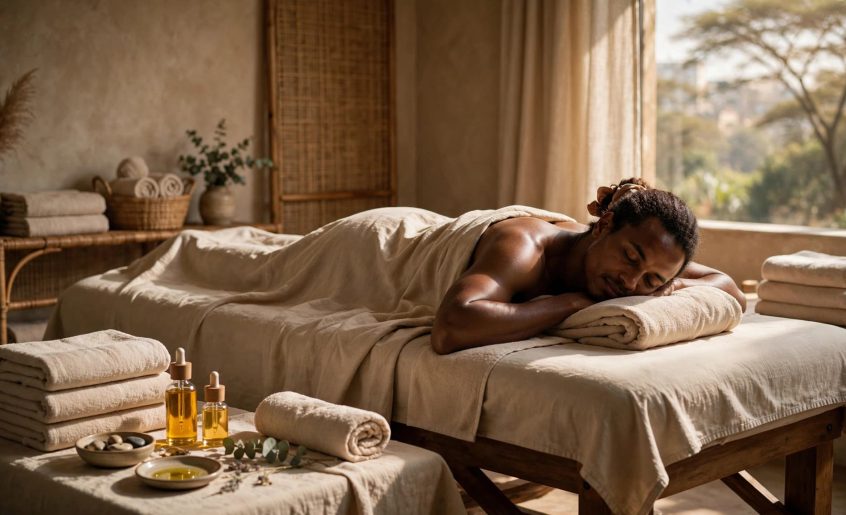
After a demanding day in Nairobi, you may want a quiet space where your breathing slows, your muscles soften, and you can reconnect with your body. Sensual massage can offer that kind of relaxation through gentle, attentive touch, soothing oils, and a calm atmosphere, with the experience shaped by your comfort and personal goals.
The term can mean different things to different providers, so confirm the exact service before booking. A professional treatment should remain distinct from erotic services, with clear boundaries, proper draping, clean linens, privacy, and consent that continues throughout the appointment. You can request lighter pressure, more coverage, a different scent, a pause, or an end to the session at any time. For a relaxation-focused alternative, explore aromatherapy massage in Nairobi, then learn how to compare treatments, communicate your boundaries, and choose a reputable spa.
Key Takeaways
- Sensual massage should prioritize relaxation, privacy, professional touch, and ongoing consent, not pressure or ambiguity.
- Confirm the treatment details before booking, including draping, areas covered, massage pressure, oils, and the right to stop.
- Choose a clean, reputable Nairobi spa with trained therapists, fresh linens, good ventilation, and clear boundaries.
- Speak up immediately if you feel pain, dizziness, skin irritation, anxiety, or discomfort; you can pause, modify, or end treatment.
- Learn more about massage therapy benefits and review professional massage ethics before your appointment.
What Is Sensual Massage, and How Is It Different From Other Massage Styles?
Sensual massage is a touch-focused experience built around relaxation, sensory awareness, emotional comfort, and intimacy. The pace is usually slower than a treatment designed to address a specific muscle problem. However, the name doesn’t have one universal meaning, so each Nairobi spa may describe a different service under the same label.
A professional session should begin with a clear conversation about your preferences, boundaries, clothing, draping, pressure, and the areas included. Consent should remain active throughout the appointment. You can change your mind, ask for an adjustment, or end the session at any point.

The Main Goals of a Sensual Massage
Many people choose sensual massage because they want to slow down after work, travel, or a demanding week. Gentle, attentive touch can help you focus on breathing, notice areas of tension, and feel more connected to your body. A calm room, comfortable temperature, soft music, and pleasant oils may add to the sensory experience.
Some clients book a session alone, while others share a private experience with a consenting partner. In either case, the appointment should feel comfortable, unhurried, and free from pressure. Nobody should feel expected to perform, tolerate unwanted touch, or accept services that weren’t clearly discussed.
A spa massage may support relaxation and provide temporary comfort when everyday stress leaves you tense. Still, it isn’t a cure for illness and doesn’t replace medical care. Persistent pain, numbness, unexplained swelling, breathing problems, or symptoms after an injury need assessment from a qualified healthcare professional.
Massage can include light or moderate pressure, long gliding strokes, kneading, or gentle compression. The therapist should adapt the session to your comfort rather than treating every body area with the same force. If fragrance causes headaches or breathing discomfort, ask about unscented oils and room ventilation.
Sensual, Erotic, Swedish, and Deep Tissue Massage Compared
Massage names offer a starting point, but they don’t provide the full agreement. One spa’s sensual massage may resemble a relaxation treatment, while another may use the term more broadly. Before booking, ask for a plain description of what happens during the session.
| Massage style | Usual focus | What to confirm |
|---|---|---|
| Swedish massage | Flowing strokes, gentle kneading, and general relaxation | Pressure, areas treated, and draping |
| Deep tissue massage | Firmer, slower work on selected areas of muscle tension | Whether the pressure suits you and which areas need attention |
| Sensual massage | Sensory awareness, calm touch, intimacy, and emotional comfort | Boundaries, clothing, oils, and whether sexual contact is excluded |
| Erotic massage | A separate category that may involve a sexual context, depending on the provider | Exactly what the provider offers and what remains outside the service |
Swedish massage is generally flowing and relaxation-focused. Deep tissue work is more targeted and firm, so it may suit a specific area of stubborn tightness rather than someone seeking a soft, soothing experience. Sensual massage places greater attention on the feeling and pace of touch, while erotic massage belongs to a separate category that shouldn’t be assumed to be part of a professional spa treatment.
Clear consent is central to ethical touch. Professional guidance describes informed consent as an agreement that includes the treatment plan, possible discomforts, privacy arrangements, and the right to withdraw permission. The ethical principles of massage therapy also support asking questions before treatment begins.
Why the Service Description Matters Before You Book
A trustworthy provider should explain the service before taking your booking. Review the published Maya Spa massage services menu, then contact the spa if you need clarification about a particular treatment.
Look for details such as:
- The massage style and main purpose.
- The body areas included or excluded.
- The session length and total price, including any pricing conditions.
- Whether the treatment takes place in a private room or another setting.
- Clothing, draping, oils, and hygiene arrangements.
- The therapist’s professional boundaries and the booking process.
You should be able to ask, “What areas are treated?” or “Is sexual contact excluded?” without embarrassment. A reputable spa will answer directly and calmly. Be cautious if a provider makes vague promises, refuses basic questions, changes the price without explanation, or pressures you to agree to unclear services.
Before you arrive, tell the spa about allergies, sensitive skin, pregnancy, recent injuries, medication, or areas you don’t want touched. During the appointment, request less pressure, more coverage, a different scent, a room-temperature change, or a pause whenever needed. Your consent is not a one-time formality; it continues for the entire session.
What Happens During a Sensual Massage Session?
A quality sensual massage session follows a clear path, beginning with a private consultation and ending with calm aftercare. The focus should stay on relaxation, comfort, professional touch, and boundaries that both client and therapist understand.
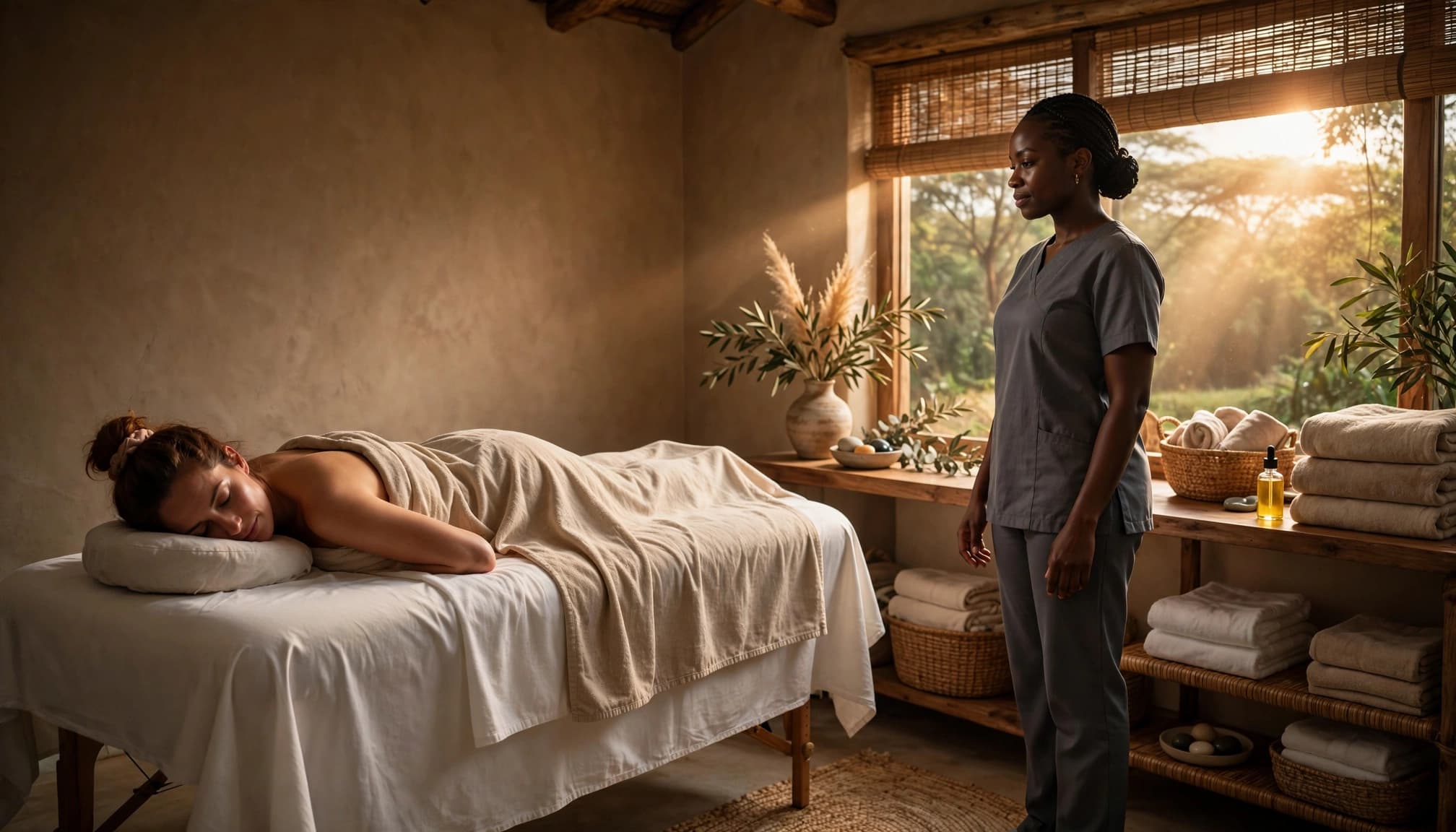
You remain in control throughout the appointment. A reputable Nairobi spa should explain what will happen, invite questions, and adjust the treatment to match your comfort rather than making assumptions.
The Consultation Sets the Tone for the Appointment
Before treatment begins, the therapist should speak with you in private. This conversation may cover your health history, allergies, sensitive skin, recent injuries, pregnancy, medications, and any areas that need special care. You can also describe the mood you want, such as gentle relaxation, quiet sensory awareness, or a calmer experience after travel.
Use direct language. You might say, “I want light pressure and gentle relaxation,” or, “Please avoid my lower back and inner thighs.” Clear requests help the therapist plan the session without guessing.
Discuss the practical details before you undress or get on the table, including:
- The session length and how much time includes hands-on massage.
- The body areas you want included and those you want avoided.
- Your preferred pressure, room temperature, music, and scent.
- Whether you prefer oil, lotion, or no product.
- How clothing and draping will work during treatment.
- Whether the appointment is strictly nonsexual.
A professional therapist should answer these questions calmly and without judgment. Silence isn’t permission, and a client who doesn’t object immediately hasn’t automatically agreed to every technique or body area. Ethical massage guidance also recognizes your right to decline, change, or stop treatment after the session has started. The ABMP code of ethics describes this right as part of informed professional care.
Touch, Pressure, Oils, and Positioning You May Experience
Once you agree on the plan, the therapist may ask you to lie face down or face up under a clean sheet. Proper draping keeps the body warm and private, exposing only the area being treated. You should never feel watched, rushed, or expected to expose more than you agreed to.
Sensual massage usually uses slow, light, or moderate pressure across agreed areas such as the back, shoulders, arms, legs, thighs, or hips. Long gliding strokes can warm the skin and spread oil. Gentle kneading may address ordinary tightness, while careful compression or light friction can provide more focused contact.
Pressure should feel controlled and comfortable. It shouldn’t feel sharp, burning, bruising, numb, or alarming. Deep pressure isn’t automatically better, particularly when you want a soothing session. If a movement feels too strong, say, “Please use less pressure,” rather than waiting for the discomfort to pass.
Oil or lotion can reduce friction and create a smoother sensory experience. However, fragrance and botanical ingredients may irritate sensitive skin or trigger headaches, coughing, nausea, or breathing discomfort. Ask for an unscented product or a small patch test if you’re unsure. Clean hands, fresh linens, tidy equipment, and good ventilation also matter.
Work around the chest or breast area requires a clear reason, careful coverage, and specific informed consent. You can refuse that area completely, without explaining why. Professional draping standards emphasize privacy and voluntary consent before any change in coverage, including guidance on draping and physical privacy.
You Can Change the Session at Any Time
Consent continues throughout the massage. Your agreement to one area, pressure level, position, or product doesn’t grant permission for something different later.
You can ask for:
- Lighter or firmer pressure.
- A different position or more coverage.
- Less coverage, when appropriate and agreed upon.
- A new scent, unscented oil, or no oil.
- A warmer or cooler room.
- A pause, a water break, or an immediate end.
You don’t need to provide a reason. Say, “Please stop,” “I want more coverage,” or “I don’t want this area treated.” The therapist should respond promptly and respectfully.
Report physical symptoms immediately, including itching, burning, dizziness, nausea, numbness, chest tightness, breathing difficulty, or sudden pain. Emotional distress matters too. Feeling anxious, exposed, pressured, or unsafe is enough reason to pause or end the appointment.
Your body isn’t a negotiation. A professional therapist treats every adjustment or withdrawal of consent as clear direction.
How a Professional Session Should End
The therapist should finish with slower movements and give you time to return to a normal pace. You should have privacy to sit up gradually, collect yourself, and get dressed without being rushed.
Afterward, the therapist may ask how your body feels and whether any area remains uncomfortable. Drink fluids normally, move gently, and keep the rest of your day manageable if you feel relaxed or tender. Massage may support stress relief and temporary muscle comfort, but severe pain, marked swelling, weakness, numbness, breathing trouble, or chest discomfort needs medical attention.
A professional spa won’t pressure you into an add-on, extend the appointment without agreement, or introduce new services at the end. You should leave with a clear understanding of any aftercare advice, the final price, and how to contact the spa if concerns develop. For another relaxation-focused option, explore the wellness benefits of regular massage with realistic expectations.
What Benefits Can Sensual Massage Offer Without Overpromising?
Sensual massage may offer a calm pause from traffic, work, screens, and daily demands. Its possible benefits are practical and personal: you may feel more relaxed, notice tension more clearly, or experience temporary comfort in tired muscles. The response varies with your health, the therapist’s approach, the pressure used, and how often you receive treatment.
Massage research generally supports short-term relaxation and symptom relief for some people. It doesn’t support promises that sensual massage will detox the body, heal injuries, treat mental health conditions, or solve sexual concerns. A professional session should focus on comfort, consent, and realistic expectations.
Relaxation, Stress Relief, and Sensory Awareness
A quiet room can make it easier to step away from constant noise and notifications. When the therapist uses gentle touch and a slower pace, you may naturally breathe more steadily and stop bracing your shoulders or jaw. Reduced stimulation can help your body settle for a while, especially after a demanding day.
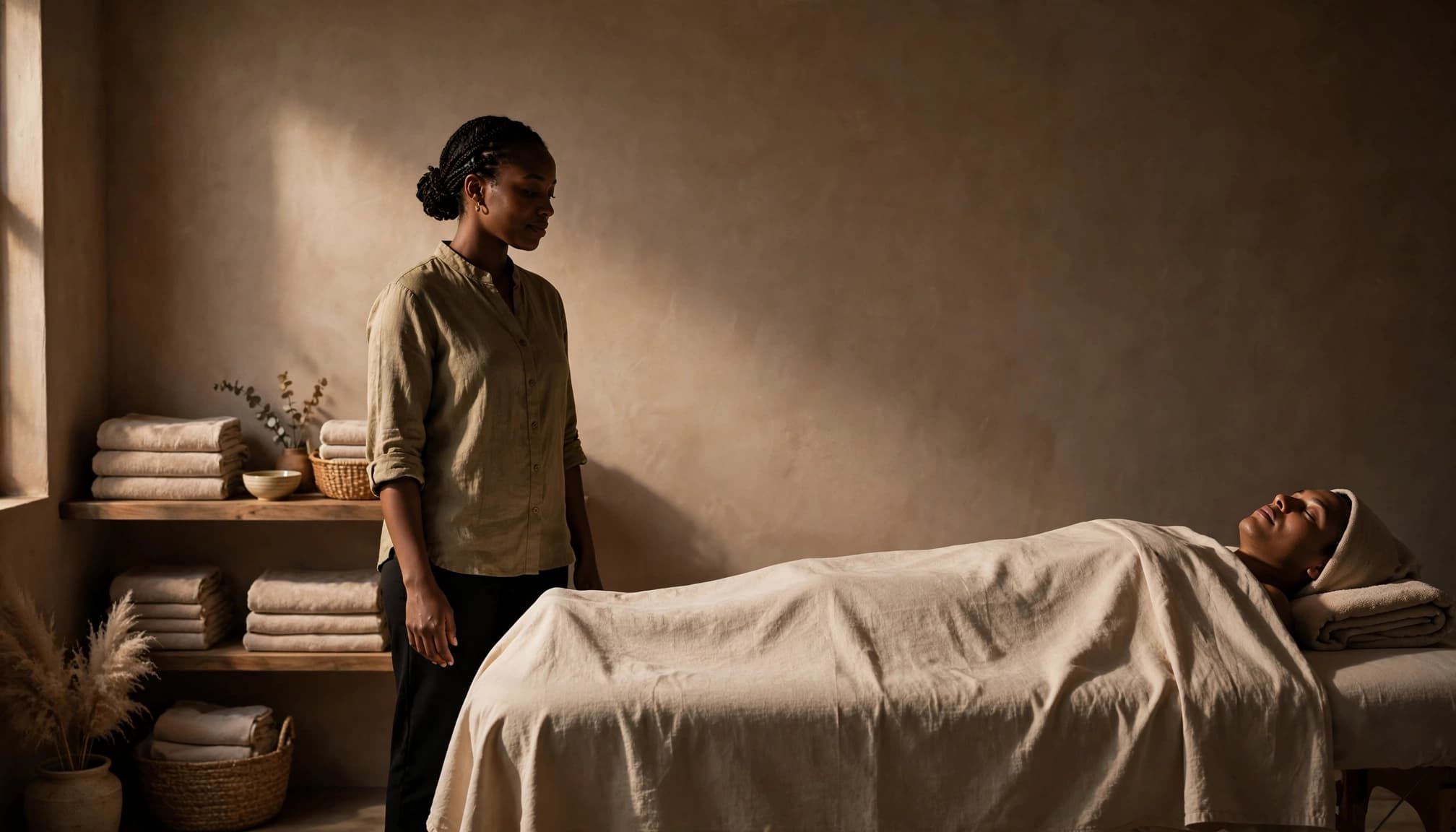
Some people also leave with a clearer sense of where they carry tension. You might notice that your shoulders rise when you’re stressed, that your lower back feels tight after travel, or that slow pressure feels more calming than firm work. This improved body awareness can help you describe your preferences during future appointments.
The emotional effect may be just as simple. Time on a massage table gives you permission to pause without answering messages or managing another task. You may feel calmer, more present, or ready to rest afterward, but massage isn’t a treatment for anxiety, depression, or ongoing emotional distress. If worry or low mood affects your daily life, speak with a qualified healthcare professional.
A calmer mood is a possible short-term response, not a guaranteed medical outcome.
Scent can support the experience, but it isn’t essential. If fragrance causes headaches, nausea, coughing, or skin irritation, request an unscented oil or another product. Your comfort should guide the sensory details.
Short-Term Muscle Comfort and Easier Movement
Gentle or moderate massage may make ordinary muscle tightness feel less uncomfortable. Slow gliding strokes and careful kneading can help tired shoulders, a tense back, stiff hips, or legs that feel heavy after walking and travel. You may also notice easier movement when a tight area no longer feels as guarded.
The effect is usually temporary. The National Center for Complementary and Integrative Health describes massage as potentially helpful for short-term relief in some pain conditions, while also noting that research findings vary. Read its evidence on massage therapy before treating a spa appointment as a solution for persistent symptoms.
Sensual massage won’t repair a torn muscle, correct nerve compression, restore damaged tissue, or identify why pain keeps returning. Avoid asking a therapist to work over an unexplained lump, severe swelling, bruising, open skin, or a recent injury.
Arrange medical evaluation when pain is severe, recurring, unexplained, worsening, or linked to an accident. Numbness, weakness, breathing difficulty, chest discomfort, fever, or sudden swelling also needs medical attention. Massage may support comfort alongside proper care, but it shouldn’t delay diagnosis.
When Another Treatment May Suit You Better
Choose according to the result you want, rather than relying only on a technique name. A short conversation helps the therapist match the treatment to your body, schedule, and comfort level.
- Swedish massage may suit you when your main goal is general relaxation and flowing, moderate touch.
- Deep tissue massage may be appropriate for carefully assessed muscle tension, although firmer pressure isn’t automatically more effective.
- Thai massage may appeal to you if you prefer to remain clothed while receiving assisted stretching and movement.
- A focused foot massage can be a practical choice for tired feet after long walks, travel, or trekking. Maya Spa’s foot massage for tired legs may suit that specific need.
- A short seated massage can work well when you want brief shoulder or back work without changing clothes or committing to a full session.
Tell the provider what you want to feel afterward. You might request gentle relaxation, lighter pressure for tired calves, or focused attention on your shoulders. Clear goals give the therapist useful direction and keep the treatment within agreed boundaries.
How to Choose a Safe, Professional Sensual Massage in Nairobi
Choosing a sensual massage in Nairobi starts before you enter the treatment room. A trustworthy spa should make its services, prices, location, policies, and professional boundaries easy to understand. If basic details remain vague, treat that uncertainty as a reason to pause rather than a problem to solve after arrival.
A polished website alone isn’t enough. Look for consistent information, responsive staff, and a booking process that gives you time to make an informed decision.
Questions to Ask Before Making an Appointment
The word “sensual” doesn’t have one universal meaning. Ask the provider to describe the treatment in plain language before you share personal details or pay a deposit.
Useful questions include:
- What does sensual massage mean at your spa?
- Which body areas are included, and which areas are excluded?
- Is the session strictly nonsexual?
- What pressure and massage techniques should I expect?
- Will you apply oil, lotion, or fragrance?
- Will I remain properly draped throughout the appointment?
- What should I do if I feel uncomfortable or want to stop?
- Is the quoted price final, or can taxes, products, or add-ons increase it?
- Will the massage take place in a private room?
- How do you train therapists and manage hygiene?
You can also ask how long the hands-on treatment lasts. Some appointments include consultation, changing time, or aftercare within the stated booking period. A clear answer helps you compare prices fairly.
Pay attention to the tone of the reply. Staff don’t need to use elaborate language, but they should answer without jokes, pressure, embarrassment, or vague promises. A professional provider welcomes reasonable questions because clear expectations protect both the client and the therapist.
You can review Maya Spa and Salon’s massage services before contacting the business. When you need to check available services, dates, and time slots, use Maya Spa’s contact and booking page and confirm the appointment details directly.
Privacy, Hygiene, and Professional Boundaries
Basic hygiene should be visible in the room and reflected in the spa’s procedures. Expect clean linens for every client, washed hands before contact, disinfected surfaces, and massage products handled in a sanitary way. Oils should come from clean containers, and therapists should avoid contaminating shared bottles or equipment.
The treatment room should feel private, tidy, and comfortable. Proper draping keeps you covered except for the area being treated. You should have enough time to change without being watched or rushed, and staff shouldn’t enter the room without knocking or explaining why.
Good ventilation matters too. Strong oils, candles, sprays, and room fragrances can trigger headaches, coughing, nausea, or breathing discomfort in sensitive people. Ask whether the spa offers unscented oil and whether staff can reduce other fragrances. If you have a known sensitivity, mention it during booking rather than waiting for symptoms to start.
Professional boundaries apply at every stage. A therapist must respect the areas you decline, avoid unwanted exposure, and stop promptly when you ask. You can pause because of pain, anxiety, irritation, or a change of mind. You don’t need to defend that decision.
A clean room cannot compensate for pressure, sexual comments, poor draping, or disregard for your instructions.
Leave if staff make sexual remarks, dismiss your concerns, change the treatment without agreement, add unexpected charges, or pressure you to continue. You may also leave when the actual room, service, or provider differs from what you booked.
Health Situations That Need Extra Care
Tell the spa about health details that could affect massage safety. Keep the information practical and relevant, including broken or irritated skin, rashes, infections, unexplained swelling, recent surgery, injuries, pregnancy, reduced sensation, fragile bones, bleeding disorders, blood-clot concerns, or medicines that affect bleeding or clotting.
A qualified therapist should ask about allergies, skin concerns, pregnancy, recent procedures, medications, injuries, and medical conditions before treatment. Providers often include similar questions in their massage intake and safety policies because the answers may change the pressure, products, body areas, or whether massage is suitable at all.
Never ask a therapist to massage directly over a wound, infected skin, unexplained lump, severe swelling, or a painful injury. Essential oils and scented products also shouldn’t touch broken, inflamed, or recently damaged skin.
When a condition is serious, recent, uncertain, or changing, ask a doctor or qualified healthcare provider for guidance first. A spa therapist can adapt a treatment, but they can’t diagnose a suspected clot, infection, fracture, surgical complication, or unexplained symptom. Medical advice matters even when the appointment is intended only for relaxation.
How Maya Spa Fits Into a Nairobi Wellness Visit
Maya Spa is a Nairobi-based massage and wellness business with a relaxation-focused setting. Its published menu includes Sensual Massage, Erotic Massage, Deep Tissue Massage, and Hot Oil Massage, along with other massage and wellness treatments.
These names aren’t interchangeable. Sensual Massage may have a different purpose, pressure, boundary structure, and product selection than Erotic Massage, Deep Tissue Massage, or Hot Oil Massage. Confirm the intended service during booking, especially if the website menu or staff use several terms close together.
The published location is Limpopo Hotel, Kedong Road, South B, Nairobi. A real, verifiable location gives you a practical way to plan transport and share your destination with someone you trust. Still, check the current address before traveling if you receive a booking message with different details.
Also confirm the current opening hours, therapist availability, price, session length, cancellation rules, and payment options. Public listings can change, and an online booking request isn’t always the same as a confirmed appointment. Ask for written confirmation showing the treatment name, date, time, location, price, and any deposit or cancellation conditions.
Advance booking gives you space to ask questions without rushing. If the answers remain unclear, choose a provider that communicates more openly. Your comfort begins with the first message, long before the massage starts.
How to Prepare, Book, and Care for Yourself After Sensual Massage
A smooth sensual massage appointment begins before you arrive. Prepare your body, share useful health information, confirm the booking details, and leave enough time to settle afterward. These simple steps help you enjoy the experience without confusion or avoidable discomfort.
What to Bring and Tell the Spa
Wear loose, comfortable clothing that is easy to change out of and back into. Massage oil can leave a temporary residue on the skin, so avoid clothing that is delicate, tight, or difficult to put on after treatment. Bring your booking confirmation, a working phone, an accepted payment method, and any personal items you may need during the visit.
You don’t need intimate photographs or unnecessary personal documents. However, bring or clearly communicate information that could affect your comfort and safety. Before the therapist begins, mention:
- Allergies, sensitive skin, or reactions to fragrances and essential oils.
- Pregnancy, recent procedures, injuries, or ongoing medical conditions.
- Medicines that may affect bleeding, clotting, sensation, or skin sensitivity.
- Areas you don’t want treated, including any parts of your body that feel painful or private.
- Your preferred pressure, amount of draping, and whether you want scented or unscented oil.
If you’re unsure about a product, ask whether the therapist can use an unscented option or perform a small patch test first. You can also ask about Ayurvedic wellness products if you want to understand which oils or products the spa offers.
Arrive clean and a few minutes early. That gives you time to check in, use the restroom, complete any intake form, and discuss boundaries without watching the clock. Avoid alcohol and recreational drugs before the appointment. Being under the influence can dull your ability to judge pressure, communicate discomfort, or withdraw consent clearly.

Booking Details That Prevent Surprises
An advertised price may cover only the hands-on massage. Before paying a deposit, ask for the complete cost and write down the answer. Confirm the exact service type, duration, date, time slot, therapist availability, and location.
Also ask whether the quoted price includes:
- Massage oil, lotion, or premium fragrance blends.
- Hot stones, body scrubs, sauna, steam room, or shower access.
- Transport, parking, late-hour service, or mobile treatment fees.
- Taxes, service charges, card fees, or required deposits.
- Consultation and changing time, or only hands-on treatment time.
If you’re booking for two people, confirm whether the price is per person or per couple. Ask whether two therapists will work at the same time, whether both clients receive the same massage, and whether the room has enough space for two tables.
Advance booking is wise when you want a particular therapist, weekend appointment, evening time, or couples session. Nairobi traffic can also affect arrival, so leave a practical travel buffer. Before you leave home, request written confirmation that includes the treatment, total price, appointment time, address, deposit, and cancellation or rescheduling policy.
Simple Aftercare and Symptoms That Need Attention
Keep the rest of your day easy when possible. Sit for a while, take a gentle walk, or return home to rest instead of scheduling demanding errands immediately afterward. Drink fluids normally, eat if you’re hungry, and avoid strenuous exercise when your muscles feel tender.
Mild soreness, tenderness, tiredness, or a slight headache can occur after focused or firm massage. The feeling should gradually improve. Gentle movement may help, but don’t force stretching or training through pain.
Contact the spa if you have questions about a treatment reaction or want to report discomfort. Seek medical care for severe or worsening pain, marked bruising, swelling, weakness, numbness, faintness, breathing trouble, chest discomfort, or pain that limits normal movement. The National Center for Complementary and Integrative Health’s massage safety guidance also notes that serious complications are rare but possible.
Mild tenderness should settle with time. Symptoms that intensify, spread, or interfere with normal movement need more attention.
Frequently Asked Questions
Even after reviewing the booking process, you may still have practical questions about sensual massage in Nairobi. The answers below clarify common concerns about service meaning, pressure, safety, skin sensitivity, session length, and medical care.
Is sensual massage always sexual?
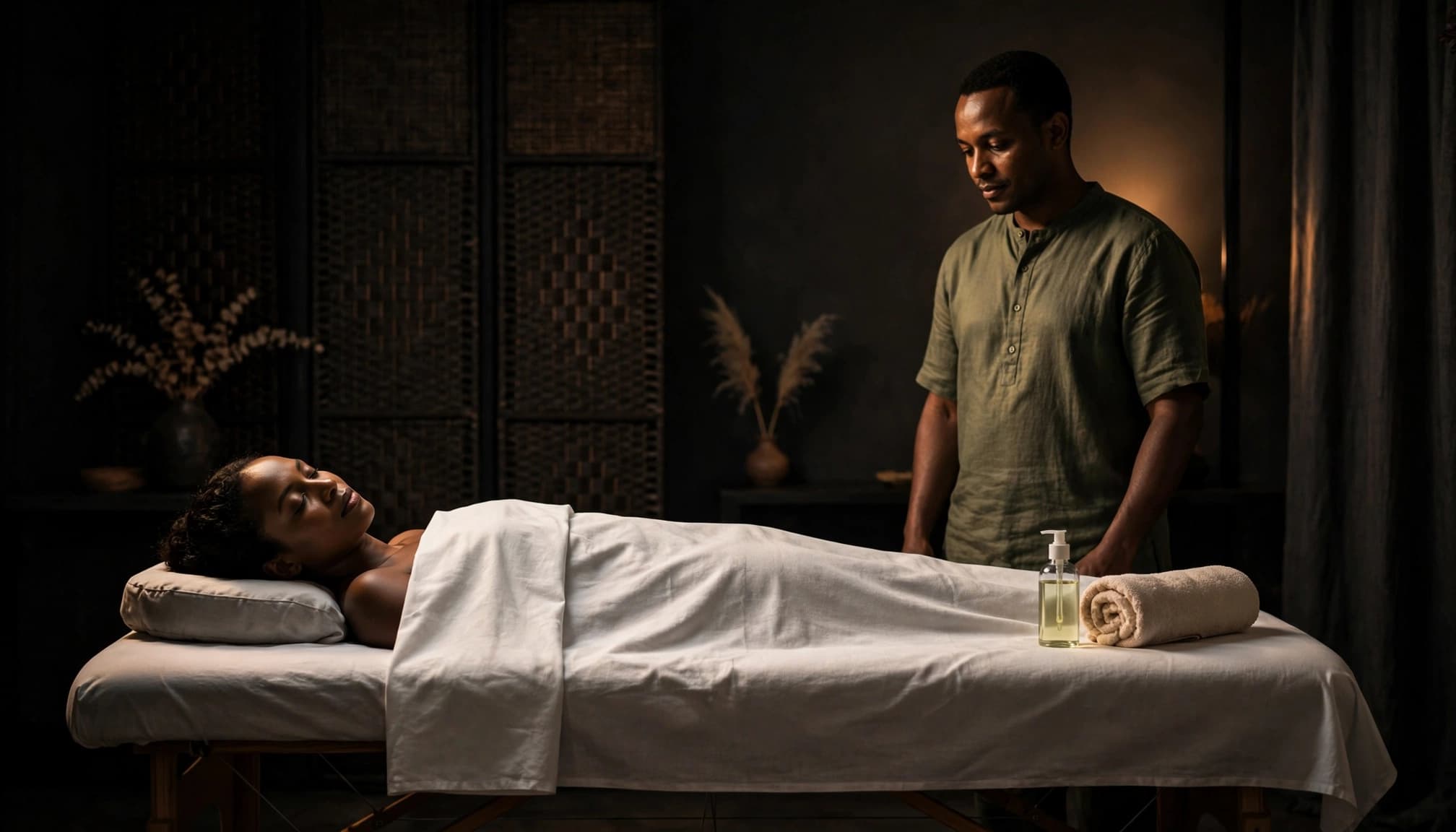
No. Providers use the term sensual massage in different ways, so the name alone doesn’t tell you exactly what the appointment includes. Some spas use it for a relaxation-focused treatment with slow, gentle touch, sensory awareness, and a calm atmosphere, while others market the service in a more erotic way.
Before booking, ask the provider to explain the treatment in plain language. Confirm which body areas are included, what remains covered, whether sexual contact is excluded, and which professional boundaries apply. You should feel comfortable asking these questions, and a reputable spa should answer without pressure or embarrassment.
Can I request a sensual massage with light pressure?
Yes. Tell the therapist that you prefer light or moderate pressure and describe the feeling you want, such as soothing, gentle, calming, or unhurried. You can also request different pressure for different areas because your shoulders, calves, back, and arms may not respond in the same way.
Comfortable pressure may feel warm, steady, or mildly stretching. Sharp, burning, electric, numb, or alarming pain is a reason to speak up immediately. The therapist should reduce the pressure, change technique, avoid the area, or stop the treatment when you ask.
Pain is feedback, not proof that a massage is working.
A professional practice should also discuss pain, allergies, skin conditions, and health history before treatment, as outlined in these massage therapy practice standards.
What should I do if the therapist crosses a boundary?
Tell the therapist to stop using clear words, such as, “Stop now,” or, “I want the session to end.” You can ask for more coverage, sit up, get dressed, leave the room, or leave the spa without continuing the conversation.
If you feel safe enough to do so, report the incident to the spa manager and write down the treatment date, therapist’s name, statements made, areas involved, and how staff responded. Keep booking messages or payment records if they help document what happened.
You don’t have to negotiate after withdrawing consent. If anyone blocks your exit, threatens you, follows you, or makes you feel in immediate danger, move toward a public or staffed area and contact an appropriate local emergency service or support organization.
Can I get a sensual massage if I have sensitive skin?
Sensitive skin doesn’t always prevent massage, but you should disclose relevant concerns before products touch your body. Mention eczema, dermatitis, fragrance reactions, allergies, sunburn, rashes, irritated skin, and any area that is cracked, bleeding, or healing.
Ask what ingredients the spa uses and request an unscented oil or lotion if fragrance causes problems. A small patch test may help when you aren’t sure how your skin will react, although it doesn’t guarantee that a larger application will cause no irritation.
Postpone treatment over active infection, open wounds, severe irritation, or damaged skin until a healthcare professional says massage is suitable. Essential oils and scented products should never be applied to broken or inflamed skin without appropriate medical guidance.
How long should a first sensual massage session last?
A shorter appointment can be a sensible first choice because it lets you assess the room, communication, products, draping, and touch style without committing to a long treatment. You can learn whether the provider respects your instructions and whether the atmosphere feels comfortable.
A longer session may allow a slower consultation and more relaxed pacing, especially if you want attention on several areas. Still, duration should match your comfort, schedule, and budget rather than pressure from the provider.
Before paying, ask whether the advertised time means hands-on massage only. Some spas include consultation, changing, showering, or aftercare within the appointment, so confirm what the stated duration covers.
Can massage replace medical treatment for pain or stress?
No. Massage may offer temporary relaxation or comfort when ordinary stress and muscle tension affect your day, but it can’t diagnose the cause of persistent pain, sleep trouble, or emotional distress. It also can’t repair every injury, correct nerve problems, treat infection, or replace prescribed care.
Seek medical advice for severe, unusual, worsening, persistent, or injury-related symptoms. Get prompt help for weakness, numbness, major swelling, fever, breathing trouble, chest discomfort, or pain that limits normal movement.
Massage can fit alongside a care plan when a qualified healthcare professional considers it appropriate. If you have a recent surgery, blood-clot concern, bleeding condition, fragile bones, cancer, or another significant health issue, ask your medical provider before booking. For a gentler self-care option, you can also review Maya Spa’s relaxing beauty therapy treatments and discuss your health needs before treatment.
Conclusion
The best sensual massage experience begins before you enter the treatment room. Clear expectations, mutual consent, professional conduct, and a calm environment give you the comfort needed to relax and stay present. The strongest takeaway is simple: you should remain in control of the session at every stage.
Before booking, compare the provider’s service description and ask direct questions about the areas treated, draping, pressure, products, session length, price, and professional boundaries. Share relevant information about allergies, sensitive skin, pregnancy, injuries, medication, or any area you want avoided. During treatment, speak up if the pressure feels wrong, your skin reacts, you feel unwell, or the experience no longer feels comfortable.
Maya Spa’s broader menu can help you choose a relaxation treatment that matches your needs, including options such as a Korean special bath treatment when massage isn’t the right fit. Services, prices, availability, hours, and booking procedures can change, so confirm the current details directly before you visit. Make self-care intentional, safe, and comfortable by choosing a setting where your boundaries receive the same care as your relaxation.