
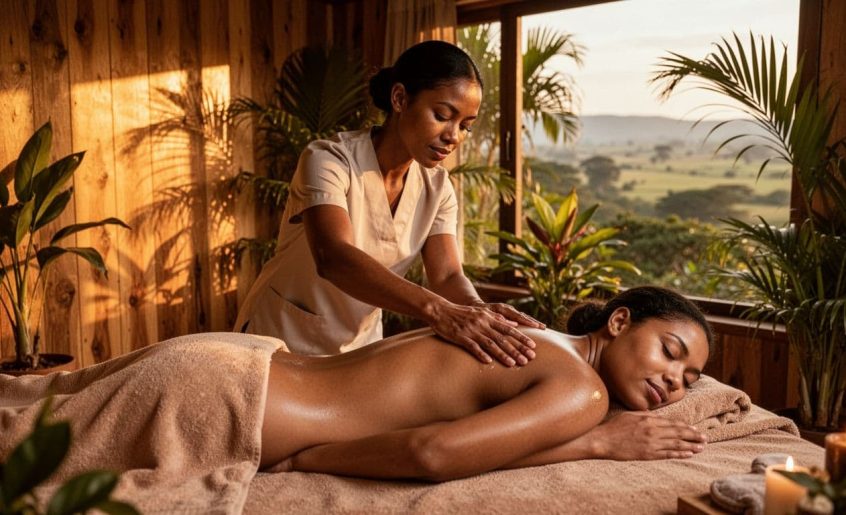
Full Body Massage Guide: Benefits, Safety, and Nairobi Prices
Warm oil, quiet music, and steady strokes across tired shoulders can turn a demanding day into a welcome pause. A full body massage is usually a customizable, relaxation-focused treatment, not one fixed routine, so your therapist can adjust the areas, techniques, and pressure to match how your body feels that day.
Massage may support relaxation and short-term comfort when stress, travel, desk work, or exercise leaves your muscles feeling tense. However, it doesn’t replace medical care for severe, persistent, unexplained, or injury-related pain. In Nairobi, prices vary with session length, location, therapist experience, facilities, and extras, so confirm what your booking includes before you pay. Maya Spa’s relaxing massage treatments and rates can help you compare your options.
This guide explains common techniques, possible benefits, what happens during a session, how to choose comfortable pressure, safety questions to ask, simple aftercare, Nairobi pricing, and practical booking tips. Let’s start with what a full body massage typically includes and how the treatment can be adapted to your needs.
Key Takeaways
- A full body massage can ease everyday muscle tension, encourage relaxation, and support short-term comfort, but it doesn’t replace medical care.
- Choose pressure that feels controlled and comfortable. Sharp pain, numbness, dizziness, or burning means you should speak up immediately.
- Share injuries, pregnancy, allergies, medications, recent surgery, skin conditions, or circulation concerns before treatment. Review massage therapy safety guidance first.
- Nairobi prices vary by session length, location, therapist experience, facilities, and add-ons. Compare Maya Spa’s massage treatments before booking.
What Is a Full Body Massage, and What Does It Include?
A full body massage is a personalized treatment that addresses the main muscle groups rather than following one rigid script. The therapist usually begins with a short consultation, then adjusts the pressure, pace, products, and areas covered according to your comfort, goals, and health history.
Before treatment, tell the therapist about recent injuries, persistent pain, pregnancy, allergies, skin problems, numbness, medications, or recent surgery. This conversation helps them plan the session safely. You can also request lighter pressure, skip an area, or stop at any time. For general background on massage benefits and safety, review the NCCIH massage therapy guidance.
The Body Areas a Typical Session May Cover
A therapist may begin with the feet and lower legs, especially after long walks, travel, standing, or exercise. They may then work upward through the thighs, hips, back, and shoulders before moving to the arms and hands. The neck may receive gentle attention near the end, and some sessions include the scalp if the client wants a calming finish.
The order can change. For example, someone with tight shoulders from desk work may receive more time around the upper back and neck. A traveler with tired legs may need extra attention below the knees instead.
You remain covered throughout the session, except for the body area being treated. Professional draping protects your privacy and keeps you warm. You can decline work on your hips, feet, scalp, or any other area without having to explain your choice. Maya Spa describes its professional massage services in Nairobi as adaptable to individual preferences and needs.
Routine massage pressure should avoid painful, swollen, bruised, numb, infected, or recently injured areas. A therapist should also avoid open wounds, irritated skin, fresh burns, and unexplained lumps. If an area feels unusually hot, weak, sharp, or sensitive, mention it before the massage begins rather than asking the therapist to work through it.
How Swedish, Deep Tissue, Aromatherapy, and Hot Stone Options Differ
The massage style changes the feel and purpose of the appointment:
- Swedish massage uses long, flowing strokes with light to moderate pressure. It is often a comfortable choice for relaxation, general tension, or a first full body massage.
- Deep tissue massage uses slower, more focused pressure on selected areas of muscular tightness. Firmer work is not automatically better, and it should never feel sharp, bruising, or alarming.
- Aromatherapy massage combines massage with diluted essential oils. Ask about the ingredients, scent strength, and possible allergies before the oil touches your skin. You can request a weaker fragrance or an unscented product.
- Hot stone massage adds smooth, heated stones and requires careful temperature control. People with reduced heat sensation or certain health conditions should seek extra guidance before choosing it.
Cleveland Clinic explains that Swedish and deep tissue massage use different pressures and movements to address muscles and other soft tissues. Your therapist may also combine techniques, so a Swedish-style session can include slightly firmer work on one tight area.
Thai massage follows a different format. You usually remain clothed on a mat while the therapist applies pressure, guides movement, and uses assisted stretching. It may suit you if you prefer mobility work and less oil on your skin.
How Long Should a Full Body Massage Take?
The right duration depends on your goals, budget, and how much time you have to relax afterward.
- 30 minutes: Usually works best for one or two areas, such as the neck, shoulders, or lower back. It rarely allows balanced full-body coverage.
- 60 minutes: Often provides the most practical starting point for a standard full body massage. The therapist can cover the major regions at a moderate pace.
- 90 minutes: Allows slower transitions, more detailed work, or extra attention to problem areas without rushing.
- Longer packages: May combine massage with scrubs, hot stones, sauna, steam, or another spa treatment.
A 60-minute appointment might include about 10 minutes for both legs and feet, 15 minutes for the back and hips, 10 minutes for the shoulders and neck, and 10 minutes for both arms and hands. The remaining time may cover transitions, consultation, and a final scalp treatment. These figures are only an example. If your lower back carries the most tension, the therapist may shorten another area and spend longer there.
Ask whether the listed duration means hands-on massage time or the entire appointment. Choose a longer session when you want a slower experience, detailed attention, or enough time to settle before returning to your day.
Full Body Massage Benefits for Stress, Tension, and Everyday Recovery
A full body massage can give you a protected pause when work, travel, exercise, or daily responsibilities leave your body tense. Gentle, controlled touch may reduce the feeling of muscle guarding and make it easier to settle, but the benefits are usually supportive and short-term rather than a cure for every source of pain or stress.
How Massage May Help You Relax and Sleep Better
A calm room, quiet breathing, and steady touch can help your body move away from the alert state that often follows a demanding day. When the shoulders stop bracing and the jaw relaxes, physical tension may no longer keep your attention locked on discomfort.
The setting matters, too. Soft lighting, clean linens, a comfortable temperature, and a therapist who checks your pressure preferences can make the appointment feel safe and unhurried. You remain in control, so ask for lighter pressure, a different scent, more coverage, or a pause whenever you need one.
Book early enough to enjoy a slower evening afterward. Rushing from a massage into traffic, errands, or intense exercise can work against the relaxed feeling you want. A light meal, normal hydration, gentle movement, and reduced screen time may help you carry that calmer state into bedtime.
Massage may support a bedtime routine, but it shouldn’t become your only response to ongoing sleep problems. Persistent insomnia, loud snoring, severe daytime fatigue, panic symptoms, frequent nightmares, or depression deserves appropriate medical or mental health support. The NCCIH guidance on relaxation techniques also distinguishes general relaxation from proven treatment for chronic insomnia, such as cognitive behavioral therapy for insomnia.
Relieving Tight Muscles Without Chasing Pain
Useful pressure feels clear, steady, and manageable. You may notice a firm sensation over a tight shoulder or calf, but you should still be able to breathe normally and relax the area. Excessive force often makes muscles guard harder, which can leave you sore without improving the underlying problem.
Tell your therapist immediately if the pressure causes sharp pain, burning, electric sensations, bruising, numbness, dizziness, or alarm. A professional can change the pace, reduce pressure, work around the area, or stop the treatment. You don’t need to tolerate pain to prove that a massage is effective.
Different routines create different tension patterns:
- Desk workers may benefit from lighter work around the neck, shoulders, upper back, forearms, and hips after long periods of sitting.
- Travelers often feel stiff through the hips, lower back, and legs after a flight or road journey. Gentle walking and mobility work may help before firm massage.
- Active people may prefer moderate work on tired calves, hamstrings, glutes, or feet instead of intense pressure on recently strained tissue. A recovery foot massage for tired legs may suit hikers and active travelers.
Massage is only one part of recovery. Sleep, ordinary hydration, light activity, rest days, gradual training, warm-ups, and sensible strength work help your body adapt more reliably. Regular sessions may help you notice tension sooner, but book according to your comfort and needs rather than following a rigid schedule.
What Massage Can and Cannot Do for Back Pain
Massage may offer short-term comfort when tight muscles contribute to back pain. Slow strokes and controlled pressure can reduce the feeling of guarded muscles, making ordinary movement feel easier for some people. However, relief doesn’t confirm that the treatment addressed the cause.
Back pain can also involve the spine, nerves, bones, kidneys, infection, or another medical condition. A spa therapist cannot diagnose these problems through touch. Research summarized by the NCCIH evidence review on massage therapy supports realistic expectations, especially because evidence for long-term low-back pain relief remains limited.
Arrange medical assessment for pain that is sudden, severe, persistent, worsening, radiating, or unexplained. Seek prompt care when back pain occurs with weakness, numbness, fever, major injury, or changes in bladder or bowel control. Massage should support an appropriate care plan, not replace diagnosis, exercise-based treatment, physical therapy, or rest.
What Happens During a Full Body Massage Appointment?
A full body massage appointment usually begins with a short conversation, continues with a personalized hands-on treatment, and ends with simple aftercare guidance. You should know what will happen, which areas the therapist plans to treat, and how to request changes before the massage starts.
How to Prepare Before You Arrive
Arrive 10 to 15 minutes early when possible. Extra time lets you check in, use the restroom, complete any required forms, and discuss your preferences without making the treatment feel rushed. Wear comfortable clothing that is easy to change out of afterward, especially if the therapist will use oil.
Bring your booking confirmation, a working payment method, and any relevant health information. You can also ask these practical questions before getting on the massage table:
- Will the session use oil, lotion, or another product?
- Which areas will receive the most attention?
- Can the room temperature, lighting, or music be adjusted?
- What should I do if a movement or pressure level feels uncomfortable?
Avoid alcohol and recreational drugs before your appointment. They can affect your judgment, your ability to communicate clearly, and how your body responds to pressure, heat, or changes in position. A light meal earlier may feel more comfortable than arriving overly full or completely hungry.
Tell the therapist about anything that could affect your comfort or safety. Mention allergies, sensitive skin, pregnancy, recent injuries, surgery or other procedures, chronic medical conditions, and medicines that may affect bleeding, sensation, blood pressure, or healing. Also identify areas you don’t want touched.
You don’t need to bring intimate photographs, unnecessary personal documents, or private information unrelated to the treatment. A professional spa should request only the details needed to provide appropriate care and manage your booking.
How Consent, Privacy, and Communication Work
Booking a massage is not permanent consent to every technique or body area. Consent continues throughout the appointment. Before treatment, the therapist should explain the session, answer questions, describe the draping process, and confirm what you feel comfortable receiving.
You should remain appropriately covered, with only the area being treated exposed. The therapist shouldn’t reach underneath the drape or pressure you to accept work on a sensitive area. You can ask for more coverage, skip a body part, change position, pause, or end the session at any time. You don’t need to justify that decision.
A clear conversation might sound simple: “Please use lighter pressure on my calves,” or “I don’t want massage on my abdomen.” If a movement feels uncomfortable, say so immediately. The therapist should adjust the technique without arguing or making you feel embarrassed.
Clean practice matters as much as respectful communication. The therapist should wash their hands, use fresh linens, keep products hygienic, and maintain a comfortable, well-ventilated room. Good ventilation is especially helpful when the session includes scented oils.
The Sensations You May Feel During Treatment
Most full body massage sessions begin with warmth from oil or lotion and smooth gliding strokes across the skin. The therapist may then add gentle kneading, controlled compression, focused friction, mild stretching, or steady pressure over areas that feel tight.
The sensation should remain manageable. You might notice tenderness over a tense shoulder, but soreness is not the goal. Sharp pain, burning, itching, electric sensations, numbness, dizziness, chest tightness, breathing discomfort, or emotional distress require immediate communication.
Aromatherapy can add a pleasant scent for some clients, but fragrance affects everyone differently. Essential oils may trigger headaches, nausea, coughing, skin irritation, or breathing problems. Request fragrance-free oil or an unscented treatment if you are sensitive to smells. Cleveland Clinic’s complementary therapy information explains that aromatherapy can affect people differently, so your preference is a valid part of treatment planning.
Simple Aftercare for the Rest of the Day
Keep your schedule light when possible, particularly after a long or firm session. Drink fluids normally, take a gentle walk if it feels comfortable, and avoid strenuous exercise when your muscles feel tender. You can return to ordinary activities, but allow your body to settle before demanding more from it.
Mild soreness, tiredness, or a relaxed heaviness may occur after focused massage. The discomfort should gradually improve. Contact the provider if the soreness concerns you or feels more intense than expected.
Seek medical care for severe or worsening pain, major swelling, marked bruising, weakness, numbness, breathing problems, chest discomfort, or pain that limits normal movement. Sudden or unusual symptoms should not be dismissed as ordinary post-massage tenderness. Your safety matters more than completing the appointment or waiting for alarming symptoms to disappear.
How to Choose the Right Full Body Massage for Your Needs
The best full body massage depends on what you want to feel afterward. You may want complete relaxation, relief for tired muscles, focused attention on one tight area, or a treatment that includes warmth and stretching.
Massage names can guide your choice, but they don’t always describe the same experience at every spa. Ask what the treatment includes, how much pressure the therapist uses, and whether the session can be adjusted to your comfort.
Match the Treatment to Your Main Goal
Choose a gentle Swedish-style or relaxing full body massage when you want to slow down, settle your breathing, and ease ordinary tension. Long gliding strokes, kneading, and light-to-moderate pressure create a smooth, calming experience that suits many first-time clients.
A focused massage may be more useful when one or two areas need attention. For example, you could request extra time for tight shoulders after desk work or tired calves after walking. You don’t always need a full deep tissue session to address a specific problem.
Deep tissue massage is suitable only when firmer, slower work matches your goal and pressure tolerance. Deep pressure is not a mark of quality. The best session is one you can tolerate and enjoy, without holding your breath, clenching your jaw, or bracing your body.
Aromatherapy massage may suit you if carefully selected scents add to your relaxation. Ask which oils the therapist uses, whether they are diluted, and whether an unscented option is available. Fragrance can cause headaches, nausea, coughing, skin irritation, or breathing discomfort in sensitive clients.
Hot stone massage is a warmth-focused choice, but the stones should feel comfortably warm rather than painfully hot. Tell the therapist if you have reduced heat sensation or any condition that affects your ability to notice temperature.
Thai massage follows a different format. You generally remain clothed on a mat while the therapist uses pressure, movement, and assisted stretching. Choose it when you prefer mobility work, supported stretches, and less oil on your skin. Any stretch should feel controlled, never forced or frightening.
Questions to Ask Before You Book
A short conversation can prevent surprises and help the therapist plan a safer, more enjoyable appointment. Ask:
- What is the total price, and does it include taxes or service fees?
- How much of the appointment is hands-on massage time?
- Which techniques and body areas are included?
- Will you use oil, lotion, fragrance, hot stones, towels, steam, or sauna access?
- Are add-ons charged separately?
- What training or qualifications does the therapist have?
- How does the spa handle draping, privacy, and requests to skip an area?
- Does the room offer enough privacy and space for your needs?
- What is the cancellation or rescheduling policy?
- Can the treatment be adapted for pregnancy, injuries, allergies, medications, or medical conditions?
- For mobile appointments, does the price include travel, setup, and parking?
Describe your goal and limits instead of requesting only a technique by name. You might say, “I want gentle relaxation with light pressure,” or, “My calves feel tired, but I don’t want intense work.” Clear instructions give the therapist room to personalize the session.
Book ahead if you need a particular therapist, weekend time, evening appointment, or couples treatment. Those slots may fill faster than standard weekday appointments.
When to Choose Medical Advice Instead of Massage
Postpone massage and seek appropriate medical guidance when you have sudden severe pain, a suspected serious injury, significant inflammation, major swelling, unexplained bruising, fever, weakness, numbness, or difficulty bearing weight. Massage can aggravate tissue that needs assessment, especially after a fall, accident, fracture, severe strain, or recent procedure.
Wait if you have an infection, open wound, burn, irritated skin, or contagious skin condition. Essential oils and friction can worsen damaged skin, while close contact may expose others to illness. Fever or flu-like symptoms are also reasons to reschedule.
People who are pregnant, recovering from surgery or another procedure, living with cancer, heart disease, uncontrolled blood pressure, or another serious condition should ask a qualified clinician or the spa for guidance first. The same applies if you take warfarin or another medicine that affects bleeding. The National Center for Complementary and Integrative Health’s massage safety guidance notes that serious complications are uncommon but possible, including problems related to forceful treatment.
A therapist may modify pressure, positioning, or the areas treated, but they should not diagnose unexplained symptoms. When your body shows warning signs, medical advice comes before a relaxing appointment.
Full Body Massage Prices in Nairobi and What Changes the Cost
A 60-minute full body massage in Nairobi may cost about KSh 1,500 to KSh 3,500 at a budget neighborhood spa, KSh 3,000 to KSh 8,000 at a standalone wellness center, or KSh 8,000 to KSh 12,500 or more at a luxury hotel spa. Mobile sessions commonly fall around KSh 3,500 to KSh 6,500, depending on travel time, location, and treatment length.
These ranges are useful starting points, not fixed rules. The final amount depends on what the session includes, how long the therapist works hands-on, and whether you are paying for facilities or added convenience.
What a Budget, Neighborhood, or Hotel Spa Price May Include
A lower-cost neighborhood spa may offer a clean, private treatment room, fresh linens, massage oil, and a straightforward appointment. The therapist may focus on the major muscle groups without adding time for a long consultation, changing rooms, relaxation lounges, or other facilities. A 30-minute appointment is often a focused treatment for the neck, shoulders, back, or legs rather than a complete, unhurried full body experience.
A standalone wellness center usually offers more room flexibility and a wider treatment menu. You may have access to a calmer reception area, better appointment availability, showers, or a more detailed consultation. However, these features differ between providers, so ask before assuming they are included in the price.
Hotel spas generally charge more because the fee may cover a refined setting, higher-cost products, private changing areas, robes, showers, relaxation spaces, or access to selected hotel facilities. The therapist’s experience and treatment quality still matter most. A higher price does not automatically mean a better massage, especially if the session is shorter or spends less time on the areas you need.
Location also affects the quote. Spas in Westlands, Kilimani, Kileleshwa, Riverside, Karen, and hotel districts may carry higher operating costs than smaller outlets elsewhere in the city. Meanwhile, an at-home therapist may charge more for travel, setup, parking, late hours, or the convenience of treating you in your own space.
Common paid extras include:
- Hot stones, aromatherapy oils, or specialty massage techniques.
- Body scrubs, polish, wraps, sauna, or steam access.
- Extra treatment time or additional attention to one area.
- Transport, parking, travel time, and equipment setup for mobile appointments.
Compare the same duration, treatment style, and inclusions before judging one price against another. A basic 60-minute massage and a 50-minute hotel treatment with steam access are different purchases.
How to Get Clear Value Before Paying a Deposit
Before sending a deposit, ask for the complete price in writing. You can use the following short list when contacting a spa or reviewing its booking page:
- Confirm the final amount and whether the quote is in Kenyan shillings.
- Ask whether taxes, service charges, booking fees, or card charges are included.
- Check whether the advertised duration means hands-on massage time or the entire appointment.
- Ask which add-ons are included and what hot stones, aromatherapy, scrubs, polish, sauna, or steam will cost separately.
- For mobile massage, confirm transport, parking, setup, and any area-based travel fee.
- If booking for two people, ask whether the price is per person or for the couple.
- Read the cancellation and rescheduling terms before paying. Many spas set a notice period and may retain part or all of a late cancellation deposit. Massage appointment cancellation guidance can help you understand the questions to ask.
- Ask what happens if you need lighter pressure, a different technique, or a shorter treatment after the session begins.
A good provider should answer these questions without making you feel rushed. You can also review Maya Spa booking details before arranging your appointment.
Book ahead when you want an evening, weekend, couples session, mobile visit, or a preferred therapist. Busy areas in Nairobi can fill quickly, and advance booking gives the spa time to prepare the room, confirm products, and explain any special requirements.
Frequently Asked Questions
A full body massage should feel personal, comfortable, and easy to adjust. These answers cover common concerns about privacy, pressure, timing, frequency, emotional well-being, and symptoms that need more than routine aftercare.
Do I Have to Remove All My Clothes for a Full Body Massage?
No. You undress only to the level that feels comfortable for you, and underwear can remain on throughout the appointment. A professional therapist keeps you properly draped, uncovering only the body area being treated at that moment.
You can also request a fully clothed massage, such as Thai massage or chair massage, or decline work on any area. You may ask for additional coverage, change your mind, pause the session, or end it without explaining your decision. Your privacy and consent should remain clear from the first conversation to the final stroke.
Is a Full Body Massage Painful?
A full body massage shouldn’t be painful. Firm pressure may feel intense over a tight muscle, and mild tenderness can occur, but you should still breathe normally and feel in control.
Tell the therapist immediately if you notice sharp, burning, electric, alarming, or unbearable sensations. Numbness, bruising pain, dizziness, or a feeling that your body is bracing also calls for an adjustment. The therapist can reduce pressure, change techniques, work around the area, or stop completely. NCCIH massage safety information notes that serious complications are rare, but vigorous techniques carry more risk for some people.
Can I Get a Full Body Massage After Exercise or Travel?
Gentle massage may suit mild tiredness after a workout, long walk, flight, or road trip. First, allow your body to cool down, replace fluids normally, eat if you need food, and rest until your breathing and temperature settle.
Postpone the appointment if you suspect an injury or feel severe pain, major swelling, or unusual weakness. You should also seek medical care if you can’t bear weight, have significant bruising, or notice symptoms that keep getting worse. Massage can support ordinary muscle fatigue, but it shouldn’t cover up a strain, sprain, fracture, or another condition that needs assessment.
How Often Should I Schedule a Full Body Massage?
There is no universal schedule. Your ideal frequency depends on your goals, budget, treatment intensity, how your body responds, and whether you want occasional relaxation or regular support for recurring tension.
A gentle relaxation session may fit comfortably into an occasional self-care routine. Firm work may require more recovery time, especially when you feel tender afterward. Let soreness settle before booking another intense appointment, and reduce the pressure if each session leaves you uncomfortable. When pain or a medical condition is involved, ask a qualified healthcare professional about an appropriate plan rather than relying on a fixed calendar.
Can Massage Help With Anxiety, Headaches, or Poor Sleep?
Massage may help some people feel calmer, less physically tense, or more ready for sleep. A quiet room, steady touch, and time away from screens can support short-term relaxation, especially when stress or tight muscles keep you alert.
Results vary by person, condition, technique, and treatment frequency. Massage shouldn’t replace evaluation for ongoing anxiety, repeated sleep problems, or headaches that are new, severe, unusual, or becoming more frequent. Seek medical guidance when symptoms interfere with work, daily activities, or normal rest.
What Should I Do If I Feel Unwell During or After the Session?
Speak to the therapist as soon as something feels wrong, and ask them to pause or stop the treatment. You don’t need to wait for the session to finish or assume every symptom is normal aftercare.
Seek urgent medical help for chest pain, trouble breathing, faintness, sudden weakness, numbness, increasing swelling, or disabling pain. Severe or unusual symptoms need proper assessment rather than fluids, rest, or another massage. When in doubt, choose medical care first and tell the spa what happened before scheduling another appointment.
Conclusion
A full body massage is most rewarding when it feels calm, personal, and suited to the reason you booked. Whether you want to release everyday tension, settle after travel, or enjoy time away from a demanding schedule, the right session matches your goals, comfort level, preferred pressure, available time, and budget. Gentle or moderate work may support short-term relaxation and muscle comfort, but massage isn’t a cure and doesn’t replace medical care for persistent, severe, or unexplained symptoms.
Before booking, ask about the session length, techniques, price, products, draping, and what the treatment includes. Share relevant health information, including injuries, allergies, pregnancy, medications, recent procedures, or sensitive areas. During the appointment, speak up if the pressure feels too strong or if you want a pause, a change of focus, or more coverage. Clean facilities, clear communication, identifiable staff, and realistic promises matter more than a luxurious name.
When you’re ready, explore specialized massage treatments in Nairobi and choose a trusted spa that fits your needs. Booking ahead gives you time to ask questions and reserve a session that feels unhurried. The best massage leaves you feeling cared for, comfortable, and more at ease with your body.