
Swedish Massage: Benefits, Techniques, and What to Expect
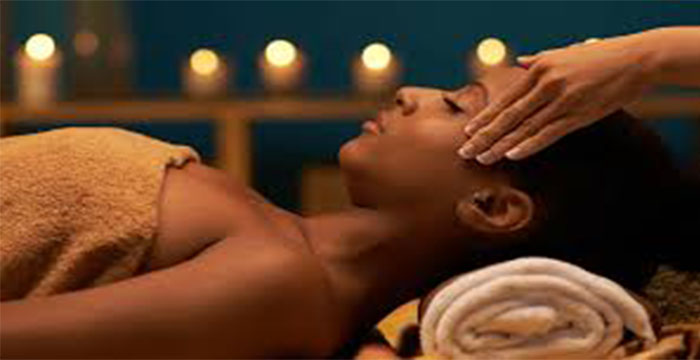
The room is warm and quiet in Nairobi, with soft light, clean linens, and the gentle scent of massage oil in the air. As you settle onto the table, long, flowing strokes ease across your back while gentle kneading helps your shoulders release the tension built up by work, travel, or an active day.
Swedish massage is a relaxation-focused treatment that uses gliding movements, rhythmic kneading, light tapping, and comfortable pressure. It may help you feel calmer and provide short-term relief from everyday muscle tightness, but it isn’t a cure for an injury or a replacement for medical care. Results vary, so your therapist should adjust the pressure to your comfort and avoid areas affected by swelling, infection, open wounds, or recent injury.
This guide is for anyone considering a Swedish massage in Nairobi, whether you’re booking your first session or comparing it with deep tissue massage. You’ll find practical details about the main techniques, possible benefits, what happens during an appointment, safety precautions, typical session lengths, and how to ask about current Nairobi pricing before you book. You can also compare your options with Maya Spa’s massage therapy pricing and see whether its relaxation-focused care suits your needs.
First, let’s look at what makes Swedish massage feel soothing without relying on excessive pressure.
Key Takeaways
- Swedish massage uses flowing strokes, kneading, light tapping, and gentle friction to encourage relaxation and ease everyday muscle tension.
- It may provide short-term relief for tight shoulders, tired legs, neck discomfort, stress, and some muscle soreness, but it doesn’t cure medical conditions.
- Your therapist can adjust pressure, scent, coverage, room temperature, and focus areas throughout the appointment.
- Share injuries, allergies, pregnancy, medications, skin problems, or health conditions before treatment, and review massage therapy safety guidance.
- For further wellness information, explore these regular massage benefits.
What Is Swedish Massage, and Why Do People Choose It?
Swedish massage is a full-body, relaxation-centered treatment that usually combines light to moderate pressure with oil or lotion. The pace is smooth, the touch is measured, and the goal is to help you slow down, release everyday tension, and move more comfortably afterward.
Unlike forceful or highly targeted bodywork, Swedish massage usually works across broad muscle groups rather than concentrating on one painful spot. People often choose it after long hours at a desk, a flight, exercise, or a stressful week. It can also be a comfortable starting point if you’re new to massage or prefer a calmer experience. Cleveland Clinic describes Swedish massage as a gentle, full-body option that can support relaxation, especially for first-time clients.
The treatment remains flexible. You can ask for changes to the pressure, pace, focus areas, scent, body position, room temperature, and level of coverage. A professional wellness massage should feel safe, respectful, and nonsexual, with clear consent throughout the appointment.
The Main Swedish Massage Techniques You May Feel
The therapist may combine several techniques during one session. Each movement creates a different sensation, and the sequence often changes according to your body and preferences.
- Effleurage uses long, gliding strokes across the skin. These broad movements warm the muscles, spread the oil or lotion, and establish a steady rhythm. Therapists often begin and end with effleurage because it eases you into the treatment and brings the session to a gradual close.
- Petrissage involves gentle kneading, lifting, rolling, or squeezing of the muscles. You may feel it around the shoulders, back, thighs, or calves, where muscles can feel tired after work, travel, or exercise.
- Circular movements use the fingertips, palms, or thumbs to work around areas of ordinary tightness. The contact is more focused than effleurage, but it shouldn’t feel harsh.
- Light friction creates smaller rubbing movements over selected areas. A therapist may use it briefly around the shoulders or upper back, then return to broader strokes.
- Compression applies controlled pressure with a palm, forearm, or relaxed hand. It can feel grounding without requiring the intense force associated with some deep tissue treatments.
- Rhythmic tapping, also called tapotement, is optional. It may involve light tapping or cupping with relaxed hands, usually over larger muscle groups.
Pressure shouldn’t be identical everywhere. Your back, shoulders, legs, arms, hands, feet, and neck have different levels of sensitivity and muscle coverage. For example, the therapist may use broader pressure on the back, lighter contact around the neck, and a slower touch on the hands or feet.
You remain in control while the massage is happening. Ask for less pressure, a slower pace, more coverage, a different scent, or a pause whenever you need one. If fragrance bothers you, an aromatherapy massage for relaxation may be adapted with a weaker blend or no scent at all.
A comfortable massage may include mild tenderness around a tight area, but sharp, burning, electric, numb, or alarming sensations should be reported immediately.
How Swedish Massage Differs From a Medical Treatment
Swedish massage may temporarily ease the feeling of tight muscles, lower everyday stress, and help you feel more physically relaxed. However, those effects don’t explain why persistent pain is happening or repair the condition causing it. Research summarized by the National Center for Complementary and Integrative Health supports massage as a possible source of short-term comfort in some situations, but results vary.
A spa therapist cannot diagnose a torn muscle, nerve compression, fracture, infection, or another medical problem. Massage also cannot replace a doctor, physical therapist, prescribed medication, surgery, or rehabilitation plan. If you’re already receiving care, tell both professionals about your symptoms and treatment instructions before booking.
Arrange medical assessment for sudden, severe, unexplained, or worsening symptoms. Seek prompt guidance if pain follows a serious injury or comes with weakness, numbness, fever, major swelling, trouble walking, breathing difficulty, or chest discomfort. Those signs need attention rather than stronger massage pressure.
During a routine session, the therapist should use clean linens, wash their hands, and keep the room comfortable and well ventilated. Tell them immediately if you experience itching, burning, dizziness, coughing, nausea, chest tightness, or emotional discomfort. Your consent continues for the entire appointment, and you can stop the treatment at any time.
Swedish Massage Benefits, From Stress Relief to Easier Movement
Swedish massage can help your body shift out of its usual work, travel, or exercise pattern. Warm surroundings, steady touch, slower breathing, and comfortable positioning give tense muscles fewer reasons to stay guarded. The most realistic benefits are short-term relaxation, temporary relief from everyday tightness, and easier movement after the session.
Results vary from person to person. Your condition, therapist, technique, pressure level, treatment frequency, sleep, activity, and daily habits all affect what you notice. Massage may support comfort, but it doesn’t cure an injury or replace medical care. Research reviewed by the National Institutes of Health generally points to modest, short-term benefits for common muscle and joint discomfort.
Which Muscles and Tension Patterns Can It Address?
Your therapist should ask about your routine before deciding where to focus. Hours at a desk may leave your neck stiff, your shoulders raised, and your upper back tired from holding your head forward. Repetitive typing or mouse use can also fatigue the forearms and hands. Meanwhile, staying seated for long periods may make the hips and lower back feel restricted.
Travel often creates a different pattern. A long flight or road journey can leave the hips, legs, and back feeling stiff, especially when you spend hours in one position. A therapist may use broad strokes over the back and legs, then spend more time around the areas that feel most limited.
Walking, hiking, running, or gym training can place extra demand on the calves, hamstrings, glutes, and feet. If your feet feel heavy after a long day of sightseeing, a foot massage for active travelers may provide more useful attention than a general full-body session.
The therapist shouldn’t apply identical pressure to every body part. The back may tolerate broad, moderate contact, while the neck, feet, or forearms may need slower and lighter work. A tender area may also need to be avoided rather than forced into relaxation.
A focused 30-minute appointment can suit one main concern, such as tight shoulders, a stiff lower back, or tired calves. A 60-minute session allows more balanced attention across the back, arms, hips, legs, and feet. Tell your therapist what you want to feel afterward, then let them adjust the sequence and pressure to match your body.
After treatment, some people notice that turning the neck, standing up, climbing stairs, or walking feels easier. That change usually reflects reduced muscle guarding and increased comfort, not a permanent correction of posture or an underlying medical problem. Gentle movement afterward can help you notice how your body feels without immediately placing it under heavy strain.
Why Gentle Pressure Can Be More Effective Than Painful Pressure
Stronger pressure doesn’t automatically produce better results. When a massage feels too intense, you may brace your muscles, hold your breath, clench your jaw, grip the table, or pull away from the therapist’s hands. Those reactions can keep the body defensive instead of allowing it to settle.
Use a simple scale during the appointment. Describe the pressure from 1 to 10, where 1 feels almost imperceptible and 10 feels unbearable. Many clients prefer a level that feels noticeable but still allows relaxed breathing and an unclenched body. The ideal number can change between your shoulders, calves, feet, and neck.
If you find yourself holding your breath or tightening another part of your body, the pressure is probably too high for that moment.
Mild tenderness may occur around an ordinary tight area, particularly after focused work. Sharp, burning, electric, numb, shooting, or alarming pain is different. Report it immediately so the therapist can reduce pressure, change the technique, move to another area, or stop.
You can request lighter or firmer work at any point. You can also ask for a pause, a different focus, more coverage, a warmer room, or an unscented option if fragrance distracts you. A quiet room and a calming scent may help some people settle before sleep, but massage isn’t a treatment for chronic insomnia, an anxiety disorder, or depression. Ongoing sleep problems, persistent low mood, or severe anxiety deserve appropriate medical or mental health support.
After a session, drink fluids normally, take a gentle walk, and rest if your muscles feel tender. Skip strenuous exercise until your body feels ready. If soreness worsens, causes weakness or numbness, or comes with major swelling or unusual pain, seek medical advice instead of booking firmer massage.
What to Expect During a Swedish Massage Session
A Swedish massage appointment usually follows a calm, predictable rhythm. You book your preferred length, answer a few health questions, change in private, and settle under clean sheets before the therapist begins. Throughout the visit, you control the pressure, coverage, temperature, scent, and whether the treatment continues.
How Long Should a Swedish Massage Last?
When booking, ask what the quoted time includes. Some spas count only hands-on massage, while others include consultation, changing, setup, showers, or add-ons. Confirm which body areas receive attention, whether oil or lotion is included, and whether facilities such as a steam room or shower cost extra.
A 30-minute session can work well for one focused area, such as the neck, shoulders, back, or feet. It suits a tight schedule or a client who wants targeted relief without a longer appointment.
A 60-minute Swedish massage is a common choice for a balanced full-body experience. It gives the therapist time to work across major areas while still allowing attention for one or two places that feel especially tense.
A 90-minute session creates more room for slower strokes, extra work on stubborn tension, and a longer transition into rest. It may feel less rushed after travel, exercise, or a demanding week. However, longer isn’t automatically better if you become uncomfortable lying down or prefer shorter treatments.
Maya Spa’s published information includes appointment lengths such as 30, 45, 60, and 90 minutes. Before confirming your booking, compare the Swedish massage pricing with the exact inclusions.
How to Communicate Your Preferences Before and During Treatment
Arrive in loose clothing that feels easy to change in. Bring your booking confirmation, a payment method, any medication you may need, and information about recent health changes. Avoid arriving intoxicated, and allow enough time for check-in rather than rushing into the room.
During intake, tell the therapist about allergies, sensitive skin, eczema, fragrance reactions, pregnancy, medications, recent injuries, surgeries, blood-thinning treatment, and health conditions. Mention bruises, rashes, swelling, numbness, or any area you don’t want touched. This information helps the therapist change pressure, avoid unsafe areas, select suitable products, or recommend medical guidance first. The American Institute of Alternative Medicine’s massage safety guidance also highlights recent surgeries, medications, and health changes as important screening points.
You normally undress only to your comfort level, then lie beneath a sheet or towel. The therapist should expose one area at a time and keep the rest of your body covered. Clean linens, washed hands, privacy, suitable draping, and calm communication are basic professional standards.
The room may include soft music, warm lighting, a comfortable table, and a temperature that helps your muscles relax. Oil or lotion reduces friction during long gliding strokes. If fragrance causes headaches, nausea, coughing, or skin irritation, request an unscented product or ask to smell it first.
The sequence can change according to your goals. A therapist may begin with the legs and feet, then work toward the back, shoulders, arms, neck, or head. You can say:
- “Please use light pressure.”
- “I’d like more attention on my shoulders.”
- “Please avoid my left knee.”
- “Could you use no fragrance?”
- “The room feels cold. Could you warm it slightly?”
- “Please pause for a moment.”
Consent continues throughout the appointment. You can ask for a change, stop a technique, end the session, or leave without defending your decision. A professional should never pressure you to accept an unexpected service, add-on, technique, or level of undress.
Aftercare, Normal Tenderness, and Warning Signs
After a Swedish massage, keep the rest of your day calm if possible. Gentle walking or light movement can help you notice how your body feels, while ordinary fluid intake supports normal comfort. You don’t need to force extra water, and you should avoid strenuous exercise if your muscles feel sore or tired.
Mild tenderness can occur after firmer or focused work. It should feel like dull muscle soreness and gradually improve, often within a day or two. Rest, comfortable clothing, and gentle movement may help while the sensation settles.
Severe or worsening pain needs a different response. Seek prompt medical help for marked bruising, major swelling, weakness, numbness, dizziness, breathing trouble, chest pain, fever, or difficulty moving. Sharp, burning, electric, radiating, or disabling pain isn’t a normal goal of Swedish massage. Don’t assume intense symptoms are part of the recovery process, especially when they continue to worsen.
Swedish Massage vs. Deep Tissue and Other Popular Options
Choosing a massage is easier when you start with your goal rather than the treatment name. Do you want to calm your body, ease general tension, focus on one stubborn area, warm tired muscles, stretch, or soothe your feet after a long day? Swedish massage is often the gentlest full-body option, but another style may suit your plans better.
Swedish Massage or Deep Tissue Massage: Which One Fits Your Goal?
Choose Swedish massage when you want a calm, flowing experience with light to moderate pressure. Long gliding strokes, rhythmic kneading, and broad work across the body can help you settle after desk work, travel, exercise, or a stressful week. It is also a comfortable starting point for first-time clients who want general tension relief without intense pressure.
Deep tissue massage usually moves more slowly and concentrates on selected areas of muscular tightness. You might ask about it when one area, such as the upper back, glutes, or calves, feels persistently overworked. However, firm pressure isn’t automatically more effective. If you brace your body, hold your breath, or feel sharp pain, the work is too intense.
Don’t request deep pressure over a fresh injury, bruised tissue, unexplained pain, swelling, numbness, or an area that feels hot and inflamed. In those situations, medical assessment may be more appropriate than stronger massage. Guidance on massage contraindications and precautions also highlights the need to modify or postpone treatment when symptoms could indicate a larger problem.
The therapist may blend techniques during one appointment. After discussing your comfort and goals, they might use Swedish strokes across most of your body and more focused pressure around an ordinary tight area. You can also ask for lighter work, a slower pace, or no treatment on a sensitive spot.
When Aromatherapy, Hot Stone, Thai, or Foot Massage May Suit You Better
Aromatherapy massage adds diluted scented oils to a standard massage experience. The main difference is the fragrance and sensory element, not necessarily a completely different hands-on technique. If you enjoy gentle scents, it may complement a relaxing Swedish session. Fragrance-sensitive clients can request a weaker blend, ask about the ingredients, or choose no scent.
Hot stone massage adds heated stones that the therapist may place on the body or use during flowing movements. Warmth can feel comforting, especially when you enjoy a cozy spa setting, but the temperature needs careful checking. Tell the therapist if you have reduced heat sensation, sensitive skin, or discomfort with warmth. Stones should feel soothing, never painfully hot.
Thai massage follows a different format. You generally remain clothed while the therapist works on a mat or firm massage mattress. The session may include compression, movement, and assisted stretching, so it can suit people who prefer an active treatment and less oil on their skin. Any stretch should remain controlled and comfortable.
Foot massage focuses attention on the feet and sometimes the lower legs. It may suit travelers, trekkers, runners, or anyone who has spent hours walking through Nairobi. Ask whether the treatment covers only the feet or includes the calves and ankles. Maya Spa also offers a foot massage for tired legs, although available treatments and exact details can vary between Nairobi spas.
Before booking, ask about:
- The pressure level and whether the therapist can adjust it.
- Fragrance ingredients, patch testing, and unscented options.
- Stone temperature and heat-related precautions.
- Clothing requirements and assisted stretching.
- Treatment coverage, session length, and any added services.
Who Should Ask for Medical Guidance Before Booking?
Massage is generally low risk for healthy adults, but some situations need professional advice first. Speak with an appropriate healthcare professional if you’re pregnant, recovering from surgery or a major injury, managing a significant medical condition, or taking medication that affects bleeding or clotting.
You should also ask for guidance before booking if you have unexplained pain, swelling, numbness, weakness, fever, suspected circulation problems, or unusual warmth and redness in a limb. Blood thinners and bleeding disorders can increase bruising risk, while circulation concerns may require massage to be avoided entirely.
A spa therapist can adjust pressure, avoid an area, postpone the appointment, or recommend that you seek medical clearance. However, they cannot diagnose serious symptoms. Massage should never delay urgent care for chest pain, breathing difficulty, sudden weakness, severe pain, or rapidly increasing swelling.
Maya Spa Nairobi: Planning a Relaxing Swedish Massage Visit
A relaxing Swedish massage visit starts before you enter the treatment room. When you choose a convenient location, confirm the details, and explain how you want to feel afterward, the appointment becomes easier to enjoy.
Maya Spa is a Nairobi-based wellness and beauty spa with a calm, client-centered approach. Its broader experience may include massage therapy, relaxing and herbal treatments, singing bowl therapy, Korean special baths, beauty therapy, and foot massage for active travelers and trekkers. Services can change, so confirm the current Swedish massage availability, treatment length, price, and inclusions before making payment.
Maya Spa lists its location as Limpopo Hotel, Kedong Road, South B, Nairobi. Its posted hours are 8 a.m. to 6 p.m. on weekdays and 12 p.m. to 5 p.m. on Saturdays. Schedules can change, so check the latest details when you contact Maya Spa Nairobi and ask about advance booking.
How Much Does Swedish Massage Cost in Nairobi?
Nairobi massage prices vary according to the provider, setting, therapist experience, treatment length, and added services. As a practical guide, a 60-minute Swedish massage may commonly cost KES 3,000 to KES 8,000. Independent and mid-range spas often sit toward the lower or middle part of that range, while premium, hotel-based, and mobile providers may charge more.
Recent local examples help put the range into context:
- Blossom Spa lists a one-hour Swedish massage from KSh 3,000 on its Kilimani treatment page.
- Dolphin Spa at Panari Hotel lists a one-hour Swedish massage at KSh 4,000, as shown in its Dolphin Spa treatment rates.
- Eka Hotel lists a 60-minute Swedish massage at KSh 4,500 through its spa and wellness offering. Its Eka Hotel spa services also include other wellness and beauty treatments.
These figures are comparison points, not a promise of what Maya Spa currently charges. A 30-minute appointment usually costs less, although the price may not be exactly half of a one-hour session. Longer treatments cost more, and mobile massage can include travel or convenience fees.
The final amount may also change if you request:
- Hot stones or aromatherapy.
- Reflexology or focused foot work.
- Special stretching or another massage style.
- Late-night or urgent booking.
- Travel to your home, hotel, or office.
- Additional body treatments or beauty services.
Before booking, ask whether the quoted price includes taxes, oil or lotion, changing time, shower access, and any facility fees. Confirm whether the session is full-body or focused on selected areas. A short message can prevent surprises: “What is the current price for a 60-minute Swedish massage, and what does the appointment include?”
A Simple Checklist for Choosing a Nairobi Massage Spa
A trustworthy spa should make you feel comfortable before the massage begins. Check that the therapist communicates clearly, answers health questions respectfully, and explains the treatment without pressuring you into extra services.
Clean linens, washed hands, suitable draping, privacy, and a tidy treatment room are basic expectations. Ask how much of your body remains covered, which area the therapist will expose, and whether you can change your mind during the appointment. You should undress only to your comfort level.
Before confirming your slot, ask:
- Is the treatment full-body, focused, or customizable?
- How many minutes involve hands-on massage?
- Does the therapist use oil, lotion, or an unscented product?
- What should you wear, and is a private changing area available?
- Can you choose light, moderate, or firm pressure?
- Can you request no fragrance?
- Is parking available, and how easy is transport to the spa?
- What is the cancellation or late-arrival policy?
- How can you ask for a pause or a change during treatment?
Tell the therapist about allergies, sensitive skin, pregnancy, medications, recent surgery, injuries, swelling, bruising, or areas you don’t want touched. Fragrance can also cause headaches or breathing discomfort, so request a scent-free option if needed.
Most importantly, describe the result you want instead of asking for the strongest massage available. Say, “I want to relax and release shoulder tension with moderate pressure,” or, “My calves feel tired, but I don’t want intense work.” Clear guidance helps the therapist shape a safer, more comfortable Swedish massage for you.
Frequently Asked Questions
A Swedish massage can feel simple, soothing, and easy to personalize, but practical questions often arise before the appointment. These answers cover comfort, timing, clothing, pressure, and choosing a schedule that fits your body.
Is Swedish massage good for first-time clients?
Yes. Swedish massage is often a comfortable choice for beginners because its flowing strokes, rhythmic kneading, and relaxation-focused pace feel less intimidating than highly intense bodywork. The therapist can also adjust the pressure, speed, focus areas, and amount of conversation throughout the session.
Before treatment begins, share your preferences and health information. Mention sensitive areas, allergies, recent injuries, pregnancy, medications, skin conditions, or anything that makes you nervous. If you’re looking for a calm, personalized visit in Nairobi, you can learn more about Maya Spa’s massage services before booking.
Can Swedish massage help with back or neck tension?
It may provide short-term comfort when ordinary muscle tightness contributes to back or neck discomfort. Slow gliding strokes and gentle kneading can help tense muscles feel less guarded, especially after desk work, travel, or a stressful day. The effect varies, and massage doesn’t identify or correct every cause of pain.
Severe, persistent, radiating, unexplained, or injury-related pain needs assessment by a healthcare professional. Seek guidance sooner if discomfort comes with numbness, weakness, fever, major swelling, trouble walking, or loss of normal movement. The National Center for Complementary and Integrative Health’s massage guidance also advises discussing relevant health conditions and safety concerns before treatment.
Do I need to remove all my clothes for Swedish massage?
No. You generally undress only to the level that feels comfortable for you. During a standard Swedish massage, you remain properly draped, and the therapist exposes only the body area being treated.
Ask about the spa’s draping policy before you lie on the table. You can request more coverage, decline treatment on a particular area, or remain partly clothed if that helps you feel at ease. Speak up immediately if the sheet shifts, the room feels too cold, or any part of the process makes you uncomfortable.
Can I get Swedish massage after exercise or a long flight?
Gentle Swedish massage may feel pleasant after ordinary travel stiffness or mild muscle fatigue. However, intense pressure may not suit fresh soreness, swelling, bruising, or an injury. After exercise, cool down first, drink fluids according to your normal needs, and give your body time to settle.
Tell the therapist about your recent workout, hike, long flight, or road trip. They can use lighter work, avoid tender areas, or suggest postponing the appointment. Choose medical care instead if you have severe pain, significant swelling, difficulty bearing weight, or symptoms that keep getting worse.
How often should I book a Swedish massage?
There is no single schedule that works for everyone. Your ideal frequency depends on your goals, budget, daily activity, response to treatment, and advice from a healthcare professional. One person may prefer an occasional appointment after a demanding week, while another may schedule regular sessions as part of a broader self-care routine.
Pay attention to how long the comfort lasts and whether you feel better or more tender afterward. Regular Swedish massage should support relaxation and everyday comfort, not act as a cure for persistent pain or a substitute for diagnosis, rehabilitation, sleep, movement, or medical treatment.
What should I do if the massage feels too strong?
Tell the therapist as soon as the pressure becomes uncomfortable. You can ask for lighter pressure, a slower pace, a different technique, another body area, a position change, a pause, or an immediate end to the session. Clear feedback helps the therapist adjust the treatment instead of guessing what you need.
Sharp, burning, electric, shooting, numb, or frightening sensations should never be ignored. Mild tenderness around an ordinary tight muscle can happen, but alarming sensations require an immediate change or stop. You remain in control of the Swedish massage throughout the appointment, and you never need to continue simply because the session has already started.
Conclusion
Swedish massage offers a calm pause when work, travel, exercise, or daily responsibilities leave your body tense. Its smooth rhythm, gentle pressure, and flowing strokes can support relaxation and short-term relief from ordinary muscle tightness. The strongest results come from choosing a treatment that matches your needs, rather than assuming firmer pressure will always be better.
Before booking, select a duration that fits your goals. A 30-minute session may suit one focused area, while a longer appointment allows more balanced full-body attention. Tell your therapist about your preferred pressure, sensitive areas, allergies, injuries, medications, and any health concerns. Also compare treatment options, confirm what the price includes, and check the current Nairobi rate before you pay. Maya Spa is one local option to investigate, with Maya Spa Nairobi listing Swedish Massage among its services.
When your body needs a thoughtful break, consider scheduling a Swedish massage and allowing time to rest afterward. Self-care should support your well-being, but severe, persistent, sudden, or unexplained symptoms require guidance from a qualified healthcare professional before any spa treatment