
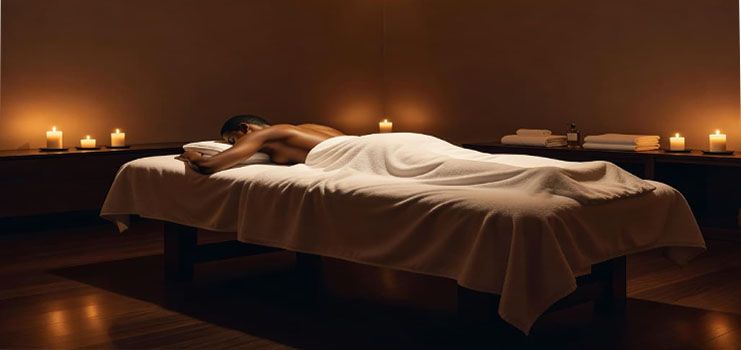
Hot Stone Massage: Benefits, Safety, and Nairobi Prices
Warm volcanic stones rest against your skin as calming music fills the room, and tired muscles finally begin to soften. Hot stone massage combines heated stones with hands-on massage, using gentle warmth and focused pressure to help you relax, release everyday tension, and feel more comfortable in your body.
The treatment may be a welcome choice after long hours at a desk, demanding travel, or physical activity. It can support a calmer mood, slower breathing, and short-term relief from muscle tightness, but it isn’t a cure for illness or a substitute for medical care. Your comfort should guide the session, so tell the therapist if the stones feel too warm, the pressure is uncomfortable, or you need a change.
If you’re considering a session at Maya Spa in South B, it’s helpful to know what the treatment involves before booking. This guide explains how hot stone massage works, its possible benefits, key safety precautions, how to prepare, what prices may look like in Nairobi, and what to check when choosing a spa.
Key Takeaways
- Hot stone massage uses heated stones with hands-on techniques to encourage relaxation and ease everyday muscle tension.
- Benefits can include calmer breathing, reduced stress, and temporary relief from tight or tired muscles, but results vary.
- Tell your therapist about pregnancy, injuries, skin problems, medication, or reduced heat sensitivity before treatment.
- Stones must be checked carefully because excessive heat can cause burns, as explained in the hot stone safety guidance.
- In Nairobi, many sessions cost about KES 5,000 to KES 10,000. Maya Spa in South B offers a convenient option for personalized care and advance booking.
Hot Stone Massage: How the Treatment Works
Hot stone massage combines controlled warmth with hands-on massage. Smooth basalt stones are warmed in a water bath, checked carefully, and placed on larger muscle groups such as the back, shoulders, thighs, or calves. A therapist may also hold the stones while using oil or lotion to glide across the body.
Most sessions last 60 to 90 minutes, although the format depends on the spa, treatment area, and time you book. At Maya Spa in South B, you can discuss your preferences before the session so the therapist can adjust the treatment to your comfort.
What happens before, during, and after the session
The appointment begins with a short consultation. Your therapist may ask about areas of tightness, recent exercise, injuries, skin sensitivity, pregnancy, health conditions, medication, and the type of pressure you prefer. Share anything that could affect heat sensitivity or safe positioning. A therapist cannot diagnose a medical problem, but this conversation helps them decide where to place stones and which areas to avoid.
You then change in private and lie on the massage table under clean sheets. Proper draping keeps you covered while allowing the therapist to work on one area at a time. Only the part being treated should be exposed, and you can request more coverage whenever you want.
Before placing any stone on your skin, the therapist should check its temperature. Professional guidance commonly keeps the warming water around 110°F to 130°F, while the stones themselves should feel comfortably warm rather than burning. The American Massage Therapy Association’s hot stone safety guidance recommends careful temperature testing before stones reach the client.
The therapist may place warm stones beneath or beside the body, usually on broad, muscular areas. They might rest stones along the back, near the shoulders, on the palms, or between the toes, depending on the treatment design. Stones should never sit on an area that feels painful, irritated, bruised, injured, or unusually sensitive.
During the hands-on portion, the therapist may alternate between warm stones and their hands. They may use oil or lotion to help the stones move smoothly over the skin. Temperature and pressure should remain comfortable throughout the appointment, not only during the first few minutes.
You remain in control from beginning to end. Ask for any of the following without waiting for the therapist to guess:
- Less heat or lighter pressure.
- More coverage or a different draping arrangement.
- A cooler or warmer room.
- A change in stone placement.
- A pause, position change, or end to the session.
Consent continues throughout treatment. If a stone feels too hot, the pressure becomes sharp, or you simply change your mind, speak immediately. Burning, stinging, numbness, tingling, dizziness, or emotional discomfort are all reasons to stop and reassess.
When the massage ends, the therapist removes the stones and gives you time to rest beneath the sheet. That closing period allows you to sit up slowly and notice how your body feels before getting dressed. Drink fluids normally, make gentle movements, and leave room for a slower schedule if you feel relaxed or mildly tired. Mild tenderness can occur after focused pressure, but increasing pain, severe bruising, weakness, or persistent numbness requires medical attention.
The massage techniques used with heated stones
The therapist usually begins with long gliding strokes, also called effleurage. These smooth movements spread oil or lotion, warm the working area, and create a steady rhythm. The pressure often starts lightly and may become moderate if your muscles respond well.
Next, kneading allows the therapist to gently lift, roll, or squeeze muscle tissue. This technique often suits larger areas, including the shoulders, back, thighs, and calves. Warmth can make moderate pressure feel soothing because the body has time to soften around the movement.
A therapist may add focused compression over ordinary muscle tension. They apply steady pressure with a hand, forearm, or warm stone, then release it gradually. Gentle friction uses smaller rubbing or circular movements in a targeted area. Because friction feels more concentrated, the therapist should use it carefully and check your response.
Some sessions also include light rhythmic movements, such as gentle tapping or relaxed percussion. These movements should feel controlled and comfortable. Hotter or firmer is not automatically better, and pain isn’t proof that the massage is working.
The therapist should avoid injured, irritated, bruised, infected, or medically vulnerable skin. They should also modify or postpone treatment when a health condition affects circulation, sensation, healing, or tolerance to heat. If you want a firmer style without heated stones, you can compare it with deep tissue massage therapy, although that treatment has different pressure and safety considerations.
Why basalt stones are commonly chosen
Basalt is a dense volcanic rock with a smooth surface. Its density helps it hold warmth for a useful period, while its rounded texture allows the therapist to glide it across the skin without rough edges. These qualities make basalt practical for both stationary placement and moving massage strokes.
The stone itself has no proven healing powers. Its value comes from the controlled warmth, skilled touch, quiet setting, and uninterrupted time to relax. Heat may help muscles feel more comfortable during moderate massage, but it doesn’t detoxify the body, cure disease, or replace medical treatment.
Quality care depends on more than the type of stone. The therapist must test each stone, monitor your reaction, protect your skin with proper draping, and adjust the session as your comfort changes. That careful attention is what turns warm stones into a relaxing treatment rather than a source of unnecessary heat.
What Benefits Can Hot Stone Massage Really Offer?
Hot stone massage can feel restorative, especially when daily stress, long hours at a desk, travel, or physical activity leave you tense. The warmth and steady touch may support relaxation and short-term muscle comfort, but the evidence for hot stone massage itself remains limited. Most research examines massage therapy more broadly, so results depend on your health, the therapist’s technique, pressure, session length, and treatment frequency.
At Maya Spa in South B, you can discuss your goals before treatment and ask the therapist to adjust the heat, pressure, and areas treated. That conversation matters because a comfortable session is more useful than one that feels intense.
Relaxation, stress relief, and a calmer nervous system
Warm stones, slow breathing, and steady massage strokes can help your body shift out of a tense, alert state. A quiet room also removes common distractions, including phone notifications, traffic noise, work demands, and bright screens. When you have time to lie still without responding to anyone, your breathing may slow and your shoulders may begin to drop.
These effects can make hot stone massage a useful form of supportive self-care. However, feeling calmer after a session doesn’t mean the massage has treated an anxiety disorder. Ongoing worry, panic, low mood, or distress needs appropriate care from a qualified healthcare professional.
Some people schedule a massage as part of a bedtime routine. A session may reduce physical restlessness when stress or muscle tension makes it difficult to settle. Try to leave enough time afterward to relax instead of rushing into errands or screen use. Persistent insomnia, loud snoring, pauses in breathing, or severe daytime fatigue should be discussed with a healthcare professional.
For a broader explanation of possible massage benefits, the Mayo Clinic’s massage therapy guidance describes relaxation, muscle stiffness, and sleep as areas where some people may notice improvement.
Temporary relief for tight, tired muscles
Heat can make tense areas feel more comfortable, while controlled massage encourages the muscles to soften around the therapist’s movements. After desk work, you may notice tightness in your neck, shoulders, upper back, or forearms. Travel can leave your hips, lower back, and calves feeling stiff. Exercise and daily chores may create tiredness in the thighs, glutes, shoulders, or arms.
A therapist may use long gliding strokes, kneading, or moderate compression instead of forcing pressure into one painful spot. This approach can make ordinary movement feel easier for a while. You might turn your neck more freely, walk with less stiffness, or feel less aware of tight calves after the appointment.
The effect is usually temporary. Feeling better doesn’t prove that the underlying cause has been corrected. A massage cannot repair poor training habits, restore strength after inactivity, or resolve every source of back, hip, shoulder, or neck pain.
Warmth may improve comfort during a session, but stronger heat or heavier pressure isn’t automatically more effective.
Your longer-term plan may still need adequate sleep, rest days, regular movement, strength training, stretching, or physical therapy. For persistent pain, research on massage therapy suggests possible short-term support, but the certainty varies by condition. A review of massage for pain populations found benefits were generally modest, which supports realistic expectations rather than promises of a cure. You can also compare a heated session with hot stone massage for muscle tension before choosing a treatment style.
Support for sleep, comfort, and everyday movement
When stress or muscle tension contributes to physical restlessness, massage may help you feel more settled at night. Some people sleep more comfortably after a calming session because their shoulders, back, hips, or legs no longer feel as guarded. Others notice better comfort during simple activities, such as walking, sitting, turning in bed, or standing after travel.
Regular sessions may also help you recognize tension sooner. You might notice that long hours at a computer consistently tighten your forearms and shoulders, or that heavy training leaves your calves tired for several days. That awareness can encourage earlier breaks, better recovery, and adjustments to your daily routine.
There is no universal schedule that works for everyone. Weekly appointments may suit one person’s workload and budget, while another person may prefer occasional treatment after travel or strenuous activity. Judge the result by how you feel afterward, not by how intense the massage was.
Hot stone massage shouldn’t be presented as a cure for chronic pain, fibromyalgia, headaches, or sleep disorders. Broader massage research shows mixed results for sleep and headaches, and benefits can differ sharply between conditions. If symptoms continue, ask a healthcare professional whether you need assessment or a treatment plan that includes physical therapy, medication, sleep care, or other support.
What hot stone massage cannot do
Massage can support comfort, but it has clear limits. It cannot repair a torn muscle, correct nerve compression, treat a fracture, remove an infection, or identify the cause of unexplained pain. Heat may temporarily change how an area feels without fixing the tissue or condition responsible for the symptoms.
Arrange medical evaluation when pain is persistent, severe, recurring, or spreading into another part of the body. Radiating pain, numbness, weakness, fever, unusual swelling, marked bruising, or a recent injury also require caution. Do not ask a therapist to work over a painful wound, suspected infection, unexplained lump, or area with major swelling.
A spa therapist can adjust pressure and help you decide whether to stop, but they cannot diagnose serious symptoms. Stop the session and seek prompt medical help for sudden weakness, trouble breathing, chest discomfort, fainting, or rapidly worsening pain. Your safety matters more than completing the appointment.
Is Hot Stone Massage Safe? How to Prepare and Choose a Nairobi Spa
Hot stone massage can feel soothing when a trained therapist controls the temperature, pressure, placement, and duration. However, heated stones add a burn risk that ordinary massage does not. A safe appointment starts before you enter the treatment room, with honest health information and a provider that takes your comfort seriously.
Who should avoid heated stones or ask a doctor first
Reduced heat sensation raises the risk of burns because you may not notice excessive warmth quickly enough. Peripheral neuropathy, diabetes-related nerve damage, numbness, or certain neurological conditions can make a stone feel acceptable while it is already irritating the skin. Guidance on massage contraindications and precautions also highlights the need for medical advice when infection, blood clots, or uncontrolled health conditions are present.
Ask a qualified clinician before booking, or postpone treatment, if you have:
- Suspected thrombosis, unexplained swelling, circulation problems, or a clotting disorder.
- A bleeding condition or medication that affects bleeding, such as blood thinners.
- Unstable heart disease, uncontrolled blood pressure, or a condition that makes heat difficult to tolerate.
- Pregnancy, especially if you have complications or have not received guidance from your prenatal care provider.
- Epilepsy, osteoporosis, fragile bones, or a neurological condition that changes sensation.
- Recent surgery, injections, medical procedures, or an injury that is still healing.
- Fever, an active infection, rash, inflamed skin, open wounds, severe bruising, or a painful flare-up.
A suspected blood clot is a reason to seek medical care, not an area for a lighter massage. Heat and pressure should also stay away from skin that is broken, infected, irritated, or unusually sensitive. If you have acute pain without a clear explanation, find out what is causing it before asking a spa therapist to treat the area.
During the consultation, mention every detail that could affect your session. Tell the therapist about medications, allergies, blood pressure concerns, recent injuries, numbness, tingling, skin irritation, pregnancy, surgeries, and relevant medical history. Name body areas they should avoid, including places that feel bruised or weak.
A spa therapist can adjust a wellness treatment, but they should not diagnose serious symptoms or decide whether a medical condition is safe to treat. Direct those questions to a doctor or another qualified clinician.
How to prepare for a comfortable appointment
Arrive clean and give yourself enough time for check-in. Rushing through traffic, arriving flustered, and changing clothes in a hurry can make it harder to settle into the treatment. Loose clothing is useful after an oil-based massage because it reduces friction against your skin.
Bring the practical details you may need:
- Your booking confirmation and the spa’s contact information.
- A working phone and a suitable payment method.
- Information about regular medicines, allergies, injuries, or recent procedures.
- Any personal medication or essential items you may need during the outing.
Avoid alcohol and recreational drugs before treatment. They can affect judgment, balance, and your ability to recognize excessive heat or uncomfortable pressure. You should be able to describe how your body feels and make clear decisions throughout the appointment.
Eat and drink normally, but avoid arriving dehydrated or overly full. A light meal earlier may help you remain comfortable, while a heavy meal immediately before lying on a massage table can cause nausea or abdominal discomfort. Carry water for your journey, although you don’t need to force large amounts before or after the session.
Postpone your appointment if you have a fever, active infection, open wound, unexplained acute pain, or a skin problem in the treatment area. Massage may spread irritation across the skin and can distract from symptoms that need medical attention.
Before the stones touch your skin, ask how the therapist checks their temperature. They should test each stone, explain where it will be placed, and confirm that you can request changes. Clean linens, washed hands, proper draping, and a well-ventilated room also matter, especially if fragrance gives you headaches, nausea, coughing, or breathing discomfort.
Signs the heat or pressure needs to change
Speak immediately if a stone feels sharp, stinging, burning, unbearable, or numbingly hot. A warm stone should feel pleasant and controlled, not painful. Don’t wait for the therapist to notice your reaction because numbness can reduce your warning that the heat is too intense.
Other signs that require a pause include itching, dizziness, nausea, weakness, chest tightness, breathing trouble, or a sudden feeling of distress. Emotional discomfort matters too. You can ask for more coverage, a different position, a quieter room, or a change in the treatment area.
You can also request:
- Removal of one stone or all stones.
- Lower heat, lighter pressure, or a different technique.
- Extra support beneath your knees, neck, or ankles.
- A pause, position change, or complete end to the appointment.
You don’t need to justify that decision. Consent continues throughout the session, and a professional therapist should respond calmly when you change your mind.
Mild soreness or tenderness can occur after focused massage, especially when tight muscles receive more work than usual. It should gradually improve. Rest, gentle movement, and normal hydration may help you feel more comfortable. Seek medical care for severe or increasing pain, marked bruising, persistent numbness, weakness, worsening swelling, fever, breathing problems, chest discomfort, or faintness.
How to compare Nairobi prices and book with confidence
Current public listings place many Nairobi hot stone sessions around KSh 5,000 to KSh 10,000. One-hour appointments commonly appear near the lower and middle part of that range, while 90-minute treatments, hotel spas, premium providers, packages, and full-day services may cost more. These figures are market reference points, not guarantees.
Before paying a deposit, confirm:
- The exact treatment length and whether consultation or changing time is included.
- Which body areas receive massage and whether oils, towels, showers, steam, or other amenities cost extra.
- How the therapist checks stone temperature and adapts pressure.
- The therapist’s training or experience with heated-stone treatments.
- Hygiene practices, fresh linens, privacy, and draping arrangements.
- Cancellation, rescheduling, late-arrival, refund, and deposit terms.
- Opening hours, the exact entrance, parking information, and the current total price.
A nearby provider can make repeat self-care easier, especially after work or a long day in Nairobi traffic. Maya Spa in South B is opposite Limpopo Hotel on Zanzibar Road. Its official homepage lists a full-day hot stone offering, while the Maya Spa contact page provides location and contact details.
Treat those online details as a starting point because prices, hours, availability, and treatment descriptions can change. Contact Maya Spa before traveling or paying, confirm the current hot stone option, and book ahead if you want a particular time or therapist. A clear answer before the appointment is one of the simplest signs that a spa respects your time and safety.
Hot Stone Massage vs. Swedish and Deep Tissue Massage: Which Feels Right?
The best massage style depends on what you want to feel afterward. Hot stone massage, Swedish massage, deep tissue massage, and Thai massage can all ease everyday tension, but they create very different experiences. Your goal, pressure preference, comfort with heat, and need for movement should guide the decision.
Hot stone massage is usually closest to relaxation-focused Swedish massage, with heated stones added to the treatment. Swedish massage relies on flowing hand movements, while deep tissue massage uses slower, firmer work on selected areas. Thai massage takes a more active route, combining pressure with assisted stretching while you remain clothed.
| Massage style | Pressure | Clothing and setup | Heat and movement | Ideal use | Common drawback |
| Hot stone | Gentle to moderate, with optional focused work | Usually on a massage table with professional draping | Heated stones, oil or lotion, mostly passive movement | Warmth, stress relief, travel fatigue, everyday muscle tightness | Heat may irritate sensitive skin or feel uncomfortable |
| Swedish | Light to moderate | Massage table, oil or lotion, professional draping | No heated stones, flowing strokes and kneading | General relaxation, first-time clients, broad muscle comfort | May feel too light for stubborn tight spots |
| Deep tissue | Moderate to firm, focused on selected areas | Massage table with professional draping | No added heat, slower pressure and targeted work | Localized muscular tension and persistent tightness | Can cause unnecessary soreness when pressure is excessive |
| Thai | Moderate pressure with compression and stretching | Fully clothed, usually on a floor mat | No oil-based format, active movement and assisted stretches | Mobility, stretching, and clients who enjoy a more active session | May not suit people who dislike being moved or stretched |
Choose hot stone massage for warmth and deep relaxation
Hot stone massage may suit you when your body feels tired rather than injured. Warm basalt stones rest on broad muscle groups or glide across the skin alongside the therapist’s hands. The heat can make moderate pressure feel easier to accept, especially around the shoulders, back, thighs, or calves.
Choose this style after a stressful week, a long flight, hours at a desk, or ordinary muscle fatigue. The quiet pace, warm room, steady strokes, and weight of the stones create a full-body reset. You can still request lighter pressure, fewer stones, more coverage, or a cooler treatment room.
Maya Spa in South B can tailor the session around your preferred pressure and treatment areas. Share your expectations before the massage begins, particularly if you want Swedish-style flowing work with warmth rather than intense muscle work.
Heat isn’t a good fit for everyone. You may prefer another option if you dislike warm rooms, have sensitive or easily irritated skin, or have reduced heat sensation. People with injury-related pain or a need for targeted rehabilitation should also seek appropriate clinical guidance instead of assuming that added heat will solve the problem.
Choose Swedish massage for flowing, lighter bodywork
Swedish massage is a natural starting point when you want relaxation without extra equipment. The therapist uses long gliding strokes, kneading, and gentle circular movements across larger muscle groups. The pace is usually smooth and predictable, which helps many first-time clients settle into the experience.
This style often uses oil or lotion on the skin, but it doesn’t require heated stones. As a result, you have more control over temperature and may find the treatment easier to modify. You can ask for lighter or moderate pressure, avoid a sensitive area, or focus more time on your back, shoulders, legs, or arms.
Swedish massage may suit you after travel, desk work, or a demanding day when your main goal is general comfort. It can also work well when you feel tender and don’t want a therapist pressing firmly into one spot. The WebMD guide to Swedish massage describes it as a low-risk option for many people, although health conditions still require appropriate precautions.
The main drawback is its broad, gentle approach. If one area feels persistently tight, Swedish massage may not provide the focused pressure you want. Even then, tell the therapist what you need rather than requesting maximum force. A skilled practitioner can gradually adjust the session without turning relaxation into discomfort.
Choose deep tissue or Thai massage for a different kind of work
Deep tissue massage is slower and firmer than hot stone or Swedish massage. The therapist may spend more time on selected areas, such as tight shoulders, the upper back, hips, or calves. Pressure can reach deeper muscle layers, but it should remain controlled and tolerable.
Strong pressure isn’t automatically more effective. If you hold your breath, brace your body, clench your jaw, or feel sharp pain, the treatment needs to change. Excessive force can increase soreness and may aggravate an existing problem. Research on massage for pain shows that benefits are often modest and short term, so massage should support, not replace, proper clinical care.
Choose Thai massage when you want movement instead of a quiet, oil-based table session. You remain dressed in loose clothing on a floor mat while the therapist applies pressure and guides assisted stretches. The treatment may include compression, rocking, joint movement, and yoga-like positions.
Thai massage can appeal to active clients who want to feel more mobile. However, it may feel too demanding if your muscles are already sore, your movement is restricted, or you dislike being stretched. Injury-related pain, sudden swelling, weakness, numbness, or persistent loss of movement calls for assessment by a qualified healthcare professional before choosing intense massage.
Describe your desired result when booking at Maya Spa. Saying, “I want gentle warmth and relaxation,” gives the therapist clearer direction than simply naming a massage style. Your body should feel more comfortable afterward, not punished by the pressure.
Frequently Asked Questions
Hot stone massage often raises practical questions beyond its basic benefits and safety rules. These answers cover session timing, aftercare, expected results, and booking details that can help you plan a more comfortable visit to Maya Spa in South B.
How often should I get a hot stone massage?
There is no fixed schedule that suits everyone. Many people book a session occasionally after travel, demanding work, or physical activity, while others prefer regular appointments as part of their self-care routine.
Start by noticing how your body responds during the following days. If you feel comfortable and the treatment supports your relaxation, you can discuss a suitable schedule with your therapist. Regular massage may support general wellness, but it shouldn’t replace medical care for ongoing pain or other symptoms. Maya Spa’s guidance on the benefits of regular massage can help you compare occasional treatment with a more consistent routine.
How long do the results of hot stone massage last?
The relaxed feeling may last for several hours or into the next day, while relief from ordinary muscle tightness can vary. Your activity level, sleep, stress, posture, and the cause of the tension all affect how long you notice a difference.
A massage doesn’t permanently correct the habits or injuries that create discomfort. If you sit at a desk for long periods, for example, regular movement breaks and ergonomic changes may help maintain the comfort you feel after treatment.
Can I shower immediately after a hot stone massage?
You can shower after the appointment if you need to remove massage oil, but a lukewarm shower is the better choice. Avoid very hot baths, saunas, and intense heat for about 24 hours because your skin may feel more sensitive after heated-stone treatment.
Give yourself time to sit, dress, and notice how you feel before leaving. If you feel lightheaded, remain seated and tell the spa staff rather than standing quickly or walking out alone.
Should I exercise after a hot stone massage?
Gentle walking and normal, easy movement are usually more comfortable than strenuous exercise immediately afterward. If your muscles feel tender, postpone intense training, heavy lifting, or demanding sports until your body feels settled, often for the rest of the day.
Drink fluids normally and allow yourself time to rest. Massage aftercare advice varies, but the NCCIH massage therapy guidance confirms that massage is generally low risk while rare serious effects can occur, so unusual symptoms deserve attention rather than being dismissed as routine soreness.
Can hot stone massage remove cellulite or help me lose weight?
Hot stone massage doesn’t remove cellulite or cause meaningful fat loss. The treatment may temporarily make skin feel smoother because massage affects soft tissue and fluid movement, but those changes are not the same as reducing body fat or permanently changing skin texture.
Be cautious of any spa promise that guarantees weight loss, detoxification, or permanent cellulite removal through massage alone. A balanced nutrition plan, regular physical activity, and medical advice provide a more reliable foundation for body-composition goals.
What should I ask before booking a hot stone massage in Nairobi?
Ask for the current price, session length, treatment areas, and whether the appointment includes a consultation. You should also ask how the spa heats and tests its stones, whether the therapist can adjust temperature and pressure, and what happens if you need to stop during treatment.
Before booking at Maya Spa in South B, confirm the available time, location, payment details, and any current service changes through the Maya Spa contact page. A clear conversation before your appointment helps prevent surprises and gives you a chance to mention sensitive skin, medication, injuries, or other concerns.